



Greetings,
Free-thinking, free-conscienced, beautiful people.
Continuing to look through the mirror of art…
What appears to us today through the mirror of art,
Once again, a white-bearded sage,
And once again, from the other side of the water,
The son of the physician to the Macedonian King Amyntas II, who would himself become the teacher of Alexander the Great, who would later become the King of Macedonia,
And who has been accepted as the Mualim-i Evvel (First Teacher) in the Islamic world of philosophy, and as Magister Primus (First Master) in Western sources: Aristotle,
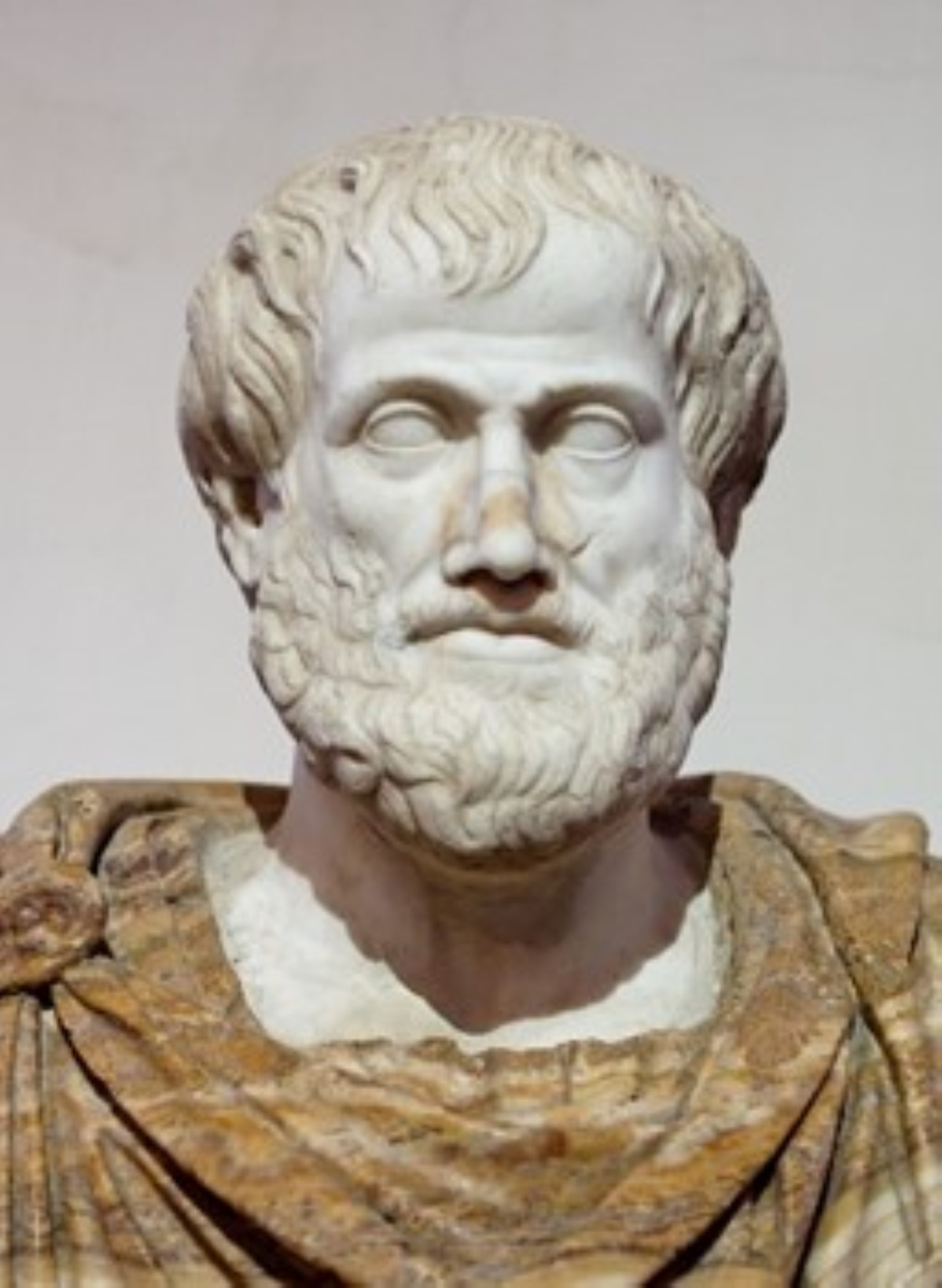
Aristotle, who was a student at the Academy founded by Plato in Athens in 387 BC,
Conducted the first holistic thinking and research on physics, biology, zoology, astronomy, metaphysics, ethics, the soul, psychology, linguistics, economics, politics, rhetoric, and logic as we know it today, and his works in all these disciplines formed the foundations of all scientific activities until new scientific developments emerged in the 16th and 17th centuries.
I can almost feel you wondering, "Professor Abidin has praised Aristotle so much, but where is the art?"...
I ask for a little patience.
Aristotle is the philosopher who, unlike others, first put forward very important approaches and principles that form the basis of aesthetics—which includes the philosophy of art and is unfortunately perceived today as beauty resulting from cosmetic applications in the ignorance of our time.
Aesthetics comes from the Ancient Greek word aísthesis (αἴσθησις), which means to hear and perceive.
So, to hear and perceive for what?
Of course, to be able to decide whether something is beautiful or not.
Then let us ask, is beauty subjective or objective?
My dear friends, as you know, some will say that there is no accounting for taste.
Ah, those "some,"
The ancients said 2,500 years ago that it can be debated quite well.
Anyway, let's not dilute the subject with "some" people now…
The first important expression on beauty, the most fundamental concept of aesthetics, is Pythagoras' statement that what is beautiful is harmony. According to Plato, Aristotle's teacher, what is beautiful is only the idea of beauty. Everything outside of this idea is beautiful from a certain angle at a certain time, or beautiful when compared to something else.
According to Aristotle, nothing that exceeds our power of comprehension can be beautiful; in this case, beauty must be related to proportion and be mathematical, that is, measurable.
With this approach, what does Aristotle take as his focus while trying to bind subjectivity and objectivity to laws?
Of course, human reason,
Thus, unlike his teacher Plato, he secularizes the beautiful,
This situation is visualized very beautifully in the School of Athens fresco, painted by Raffaello, one of the greatest artists of the Renaissance, between 1509 and 1511. In this painting, while Plato points to the sky, Aristotle points to the earth.
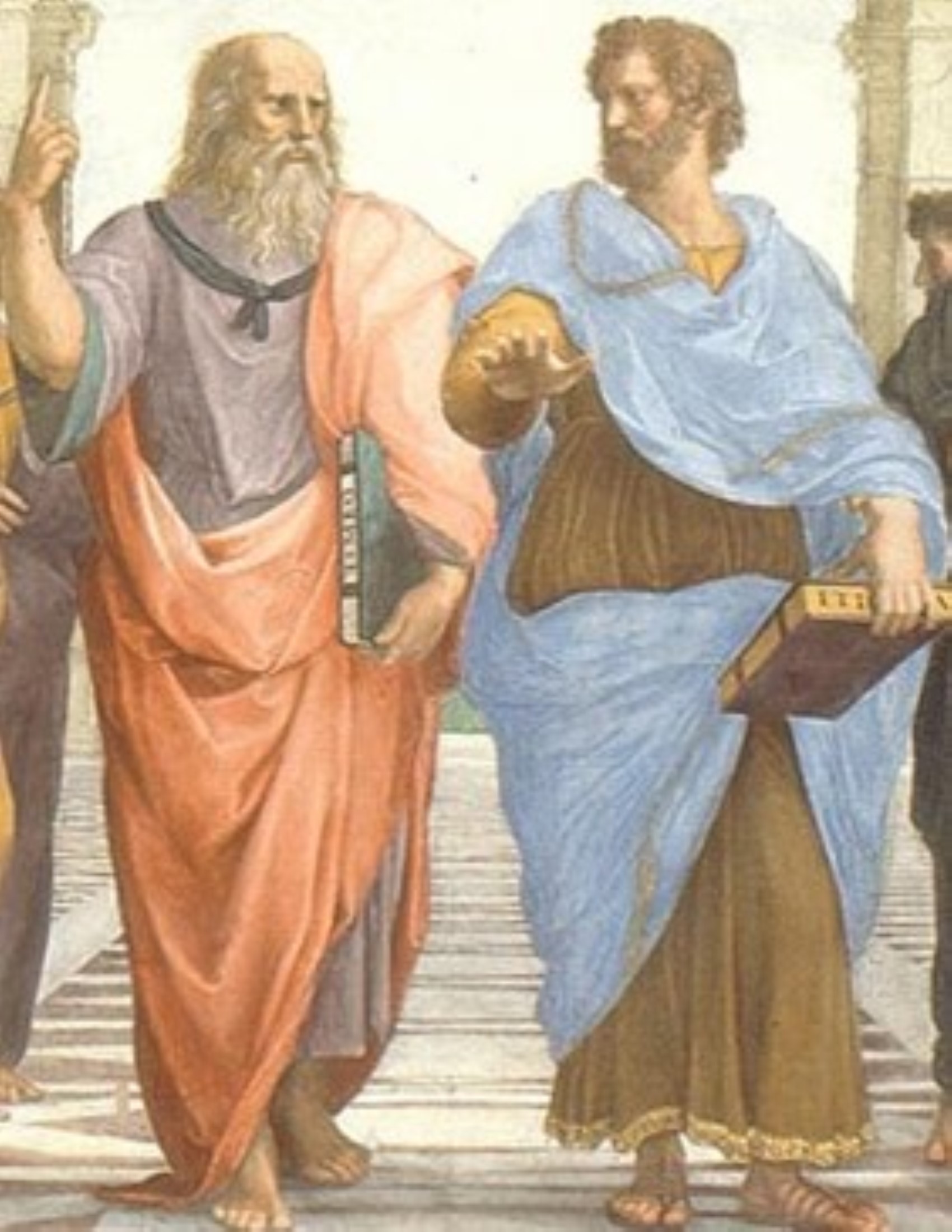
Aristotle, like his teacher Plato, says that art is an imitation, but unlike his teacher, he states that even though art is an imitation, artists reflect human experiences and emotions while imitating objects and events in nature.
Aristotle believes that art has a moral purpose. According to him, art has the potential to educate people and teach moral values. Therefore, he says, the impact of art on society is important.
Aristotle says that the form and content of a work of art should complement each other, and a good work of art should strike a balance between an aesthetic form and deep content.
Aristotle's perspective on understanding art, which I have tried to summarize briefly above, has deeply influenced the philosophers who came after him and played an important role in the development of Western art.
Good, beautiful, bravo to Aristotle, but you said peace was in art…
I can hear you saying that we need peace.
Well, what can I say, in today's world, you are absolutely right.
Then let peace come,
With what shall it come,
With Aristotle's catharsis,
What kind of thing is this catharsis,
It is purification and cleansing that comes with fear and pain,
And what is it that is purified and cleansed,
Our souls.
So, where are our souls purified,
In tragedies.
Peace is in art.
That is what Aristotle says.
Until our next meeting, goodbye for now; now and always, breathe with art, stay with art.
Most Read

Striking picture for Özgür Özel's 'New Party'

The PKK opening and Özgür Özel’s path!..

How did the newspapers view Özgür Özel's farewell to the CHP?

He killed his wife by slitting her throat: Their children witnessed the moments

What did the CHP do?

Özel’s new party move in the world press

The New CHP, against CEHAPE

Fire at TUSAŞ engine factory in Eskişehir under control

From self-efficacy to despair

Kılıçdaroğlu's first message on Özgür Özel's new party announcement