



Snitching is a form of corruption in individuals and society that emerges in every era and every environment.
Snitching, which became institutionalized during the reign of Abdulhamid II, rose after the 1950s through anti-communism associations and intensified during the September 12 period.
As a result of the disease of snitching, which flares up in people especially during coups or states of emergency, thousands of people were arrested, tortured, and dismissed from their duties in accordance with Martial Law No. 1402 during the September 12 period.
After the martial law was lifted, the Council of State decided to reinstate thousands of martial law victims who had no criminal convictions preventing them from public service, and thus social peace, which had been disrupted, was partially restored.
When the AKP came to power, FETÖ members, leaning on the power of the government, discovered the strength of the weapon of snitching, and a formidable network of informants was established. As a result, Atatürkist cadres, primarily members of the military and the judiciary, were rapidly purged through groundless and baseless lawsuits.
As a result of the parallel state structure, state cadres were filled with FETÖ members through interviews or the theft of exam questions, and attempts were made to push those who were not among them out of the system. Following the July 15 coup attempt, the mask of the FETÖ/PDY organization fell, and this time the weapon of snitching was turned against the FETÖ members themselves.
In this context, "snitching" became a useful tool for the government, and "confession" began to be transformed into snitching. Confessors, wanting to get away with a lighter sentence, did not hesitate to name many people, whether related or not, as FETÖ members. On the other hand, many people began to snitch on others for personal reasons, such as a professional rival, a tenant who did not raise the rent, or a neighbor they did not get along with. Furthermore, many people were dismissed from their duties through Statutory Decrees without being based on a sound evaluation.
In this situation, the judiciary, which should have rapidly filtered out information obtained through snitching or information not based on meticulous investigation and revealed the truth, instead began to issue controversial decisions due to heavy workloads or a reluctance to take responsibility. As a result of public prosecutors failing to prepare indictments within a reasonable time after arrests, thousands of people remained in prison until they appeared in their first hearing and their innocence was understood.
The established State of Emergency Procedures Investigation Commission proved insufficient, and cases began to be concluded very late in administrative courts, which were under a heavy workload. It emerged from news reports reflected in the public domain that those who wanted to take advantage of this situation created a "FETÖ stock market" and that snitching was used for personal gain. As a result of criminal cases and reinstatement lawsuits lasting for years, thousands of people, a segment of whom are victims of snitching, are being unjustly harmed, and social peace is being irreparably damaged.
For this reason, it is a necessity that the indictments of arrested persons be prepared by public prosecutors as soon as possible and brought before criminal courts, and that reinstatement lawsuits be subjected to an expedited trial procedure.
Considering the time that has passed since the coup attempt, it is now necessary to filter out those who are and are not members of the FETÖ/PDY terrorist organization, to eliminate the climate of fear created in society, and to reduce the disease of snitching to a minimum level.
Most Read

Striking picture for Özgür Özel's 'New Party'

Özgür Özel gives a dated response regarding the number of resignations
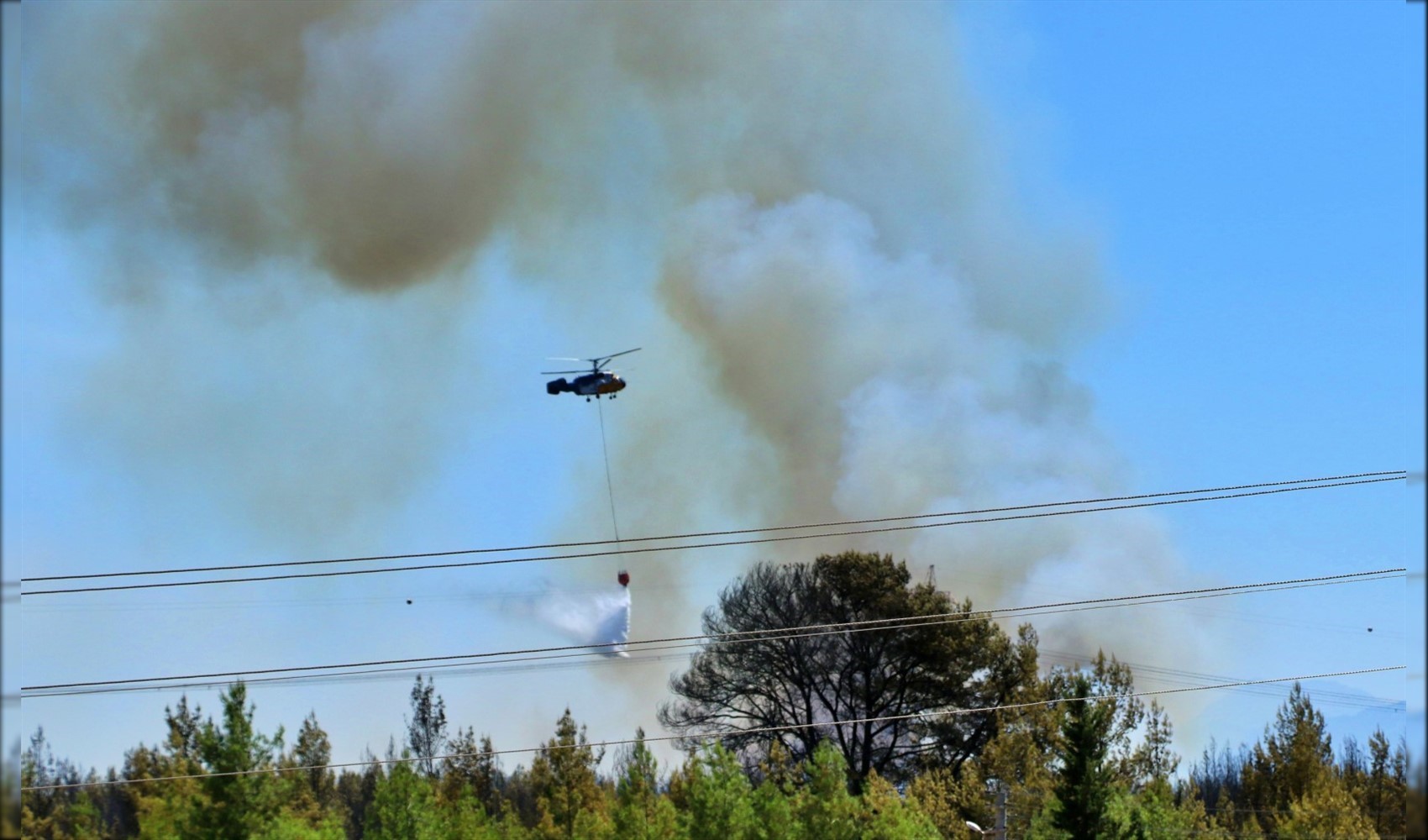
Forest fire in Antalya brought under control

The PKK opening and Özgür Özel’s path!..

Houthis strike Saudi-owned tanker

How did the newspapers view Özgür Özel's farewell to the CHP?

What did the CHP do?

Özel’s new party move in the world press

The New CHP, against CEHAPE

From self-efficacy to despair