



Article 70 of the 1982 Constitution includes a mandatory rule stating: "Every Turk has the right to enter public service. No distinction other than the qualifications required by the position shall be made in recruitment."
In Civil Servants Law No. 657, career and merit are established as the fundamental principles of the law. Turkey has adopted a merit-based system for personnel employment in both its Constitution and legislation.
In the merit system, which is the opposite of the spoils system, employment and promotion are based on the qualifications and equipment required by the position, not on political references.
In employment based on a merit system, all appointments and promotions are based on a valid, reliable, and objective competitive examination.
In Turkey, with every change of government, the principles of merit and career have been rendered dysfunctional by renewing personnel, favoritism, and employing partisans.
During Bülent Ecevit's final term as Prime Minister, the reality that rights and justice in entry into civil service and promotion would be ensured through merit—and that the Constitution and the law required this—was recognized, and serious efforts were made to introduce a system that would ensure merit.
As a result of these efforts, the "central examination and central placement" practice was implemented.
In this practice, the results of the central Public Personnel Selection Examination (KPSS), conducted by the Measurement, Selection and Placement Center (ÖSYM) and the Ministry of National Education examination board, were sent to the State Personnel Presidency, preventing favoritism and abuse in meeting the personnel needs of public institutions and organizations, and finally, the merit principle could be applied.
However, when the AKP came to power, this system was abandoned, and with the contributions of FETÖ members, a return was made to a system of spoils and favoritism.
During this process, while the central examination was preserved, an interview system was introduced, and central placement was abandoned. Through interview commissions consisting of biased and unqualified individuals, civil service positions were rapidly filled with partisans and relatives, and the merit system was shelved.
After a while, the speed of staffing provided by interviews was deemed insufficient, especially by FETÖ members, and incidents of interference with the central examination and the theft of exam questions to be given to partisans began to occur.
Today, it is an undeniable fact that the interview system is open to political and subjective influences, paving the way for political favoritism and the appointment of only those who are partisans.
The interview questions reflected in the press sometimes make us laugh and mostly surprise us. For example, it is impossible to understand what is intended to be measured in an interview with the question asked to teachers taking the exam: "Who is our female athlete who became the boxing champion in 2022?"
Today, abolishing interviews in Turkey is nothing more than a pipe dream that will not come true. Before the 2023 Presidential election, the "abolition of interviews in the public sector," which was among the government's election promises, came to the parliament's agenda, and the proposal was rejected by the votes of AKP and MHP deputies.
Favoritism has become so widespread and internalized in Turkey that it has become almost impossible to root it out of the country. In societies like ours that have been distanced from the rule of law, it is a natural consequence that obedience and sycophancy are taken as the basis instead of seniority and merit.
Ultimately, we have to wait much longer for the abolition of interviews and the introduction of a system based on merit. It is clear that filling the personnel staff of public institutions and organizations with unsuitable, incompetent, and unqualified people through interviews will increasingly make the country's development, progress, and good governance difficult.
Indeed, is the economic hardship and poor management we are in today not proof of this?
Most Read

Striking picture for Özgür Özel's 'New Party'

The PKK opening and Özgür Özel’s path!..

How did the newspapers view Özgür Özel's farewell to the CHP?

He killed his wife by slitting her throat: Their children witnessed the moments

What did the CHP do?

Özel’s new party move in the world press

Fire at TUSAŞ engine factory in Eskişehir under control

The New CHP, against CEHAPE

From self-efficacy to despair
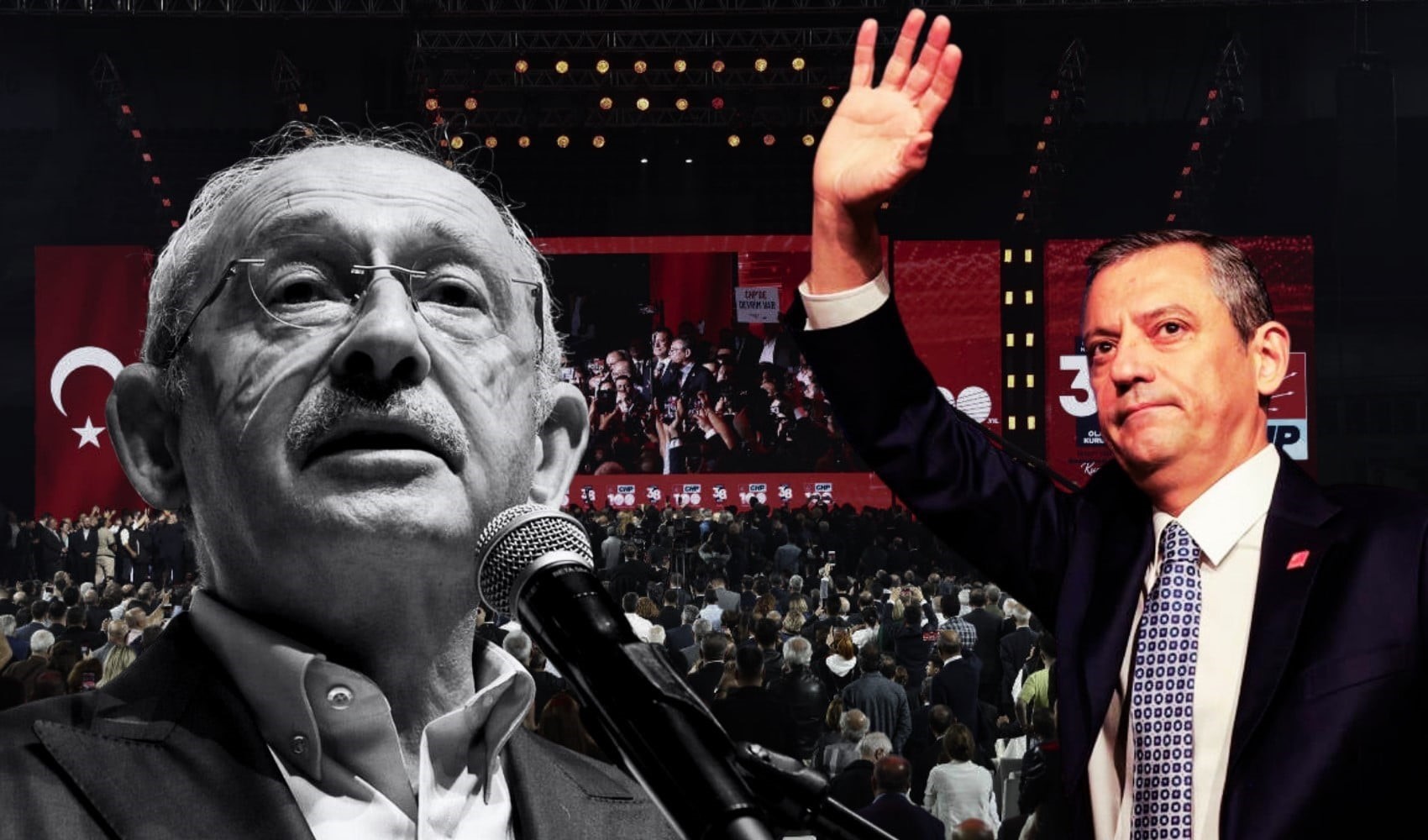
Kılıçdaroğlu's first message on Özgür Özel's new party announcement