



Ernst & Young (EY) has published its report outlining the biggest risks for telecommunications operators. At the top of the list are privacy, security, and trust. In second place is the failure to achieve sufficient transformation with next-generation technologies. In fifth place is the inability to adapt to geopolitical changes.
When these three headings are placed side by side, the picture becomes clear. Telecom is no longer just an infrastructure business; it is directly a matter of trust and sovereignty.
In Turkey, Türk Telekom, Turkcell, and Vodafone Turkey are on the agenda with 5G preparations, data center investments, and new-generation service launches. Fiber kilometers, speed tests, and the number of base stations are being discussed. However, looking at the risk map pointed out by EY, another question comes to the fore: When fundamental security and governance risks are this high, should we really be talking about a speed race?
Telecommunications operators have long been using Asian-origin network equipment and end-user modem/router devices due to cost advantages. These devices do not just route internet traffic. They can analyze device density within a household. They can infer movement from Wi-Fi signal patterns. They can generate behavioral data through IoT devices. They can create profiles regarding life habits through traffic metadata.
Academic studies have shown that Wi-Fi signals can be used to detect human movement. This is technically possible. The issue is not just communication content. There is indirect data generation regarding physical living spaces.
This picture perfectly aligns with the first risk item in the EY report: the failure to adequately address privacy, security, and trust issues.
Another striking piece of data in the report is AI governance. The rate of those who say they effectively manage AI risks in the telecom sector is 59%. The industry-wide average is 66%. While telecom companies possess massive data pools, this rate is alarming. AI integration is accelerating. The scope of responsibility for cybersecurity units is expanding. Governance frameworks are not maturing at the same pace.
Geopolitical uncertainties are no longer theoretical. The concept of digital sovereignty is strengthening. Supply chains cannot be managed solely based on cost. Infrastructure preference is a strategic choice.
Years ago, I opposed those who said, “Forget 4G, let’s move to 5G.” Time proved me right. Now I am saying the same thing. Forget 5G. Do not rush. Concentrate on security. While Amazon Web Services data centers are being targeted and global infrastructure vulnerability has become so visible, our priority should not be investing in a technology whose efficiency has not been proven. Our priority should be making our domestic communication networks strong and reliable.
Contracts cannot be canceled in a day. However, what can be done is clear. Supplier diversification is possible. It is possible to turn to alternative sources in critical network layers. It is possible to offer end-users the option of security-certified devices. Independent firmware audits and transparent security reporting are possible.
For years, the telecom sector was discussed in terms of speed and price. The new competitive heading is now this: Who do we trust?
MAIN HEADINGS OF THE EY REPORT
Failure to adequately address privacy, security, and trust issues
Failure to achieve sufficient transformation with next-generation technologies
Difficulties in talent and organizational culture management
Inadequacies in network performance and value creation
Inability to adapt to geopolitical changes
Failure to benefit sufficiently from new business models
Inability to manage diversified collaborations in harmony
Failure to respond quickly enough to changing customer needs
Failure to effectively manage the sustainability agenda
Limitation of long-term growth due to inadequate operational models.
Most Read

Striking picture for Özgür Özel's 'New Party'

Özgür Özel gives a dated response regarding the number of resignations

Forest fire in Antalya brought under control

The PKK opening and Özgür Özel’s path!..

How did the newspapers view Özgür Özel's farewell to the CHP?
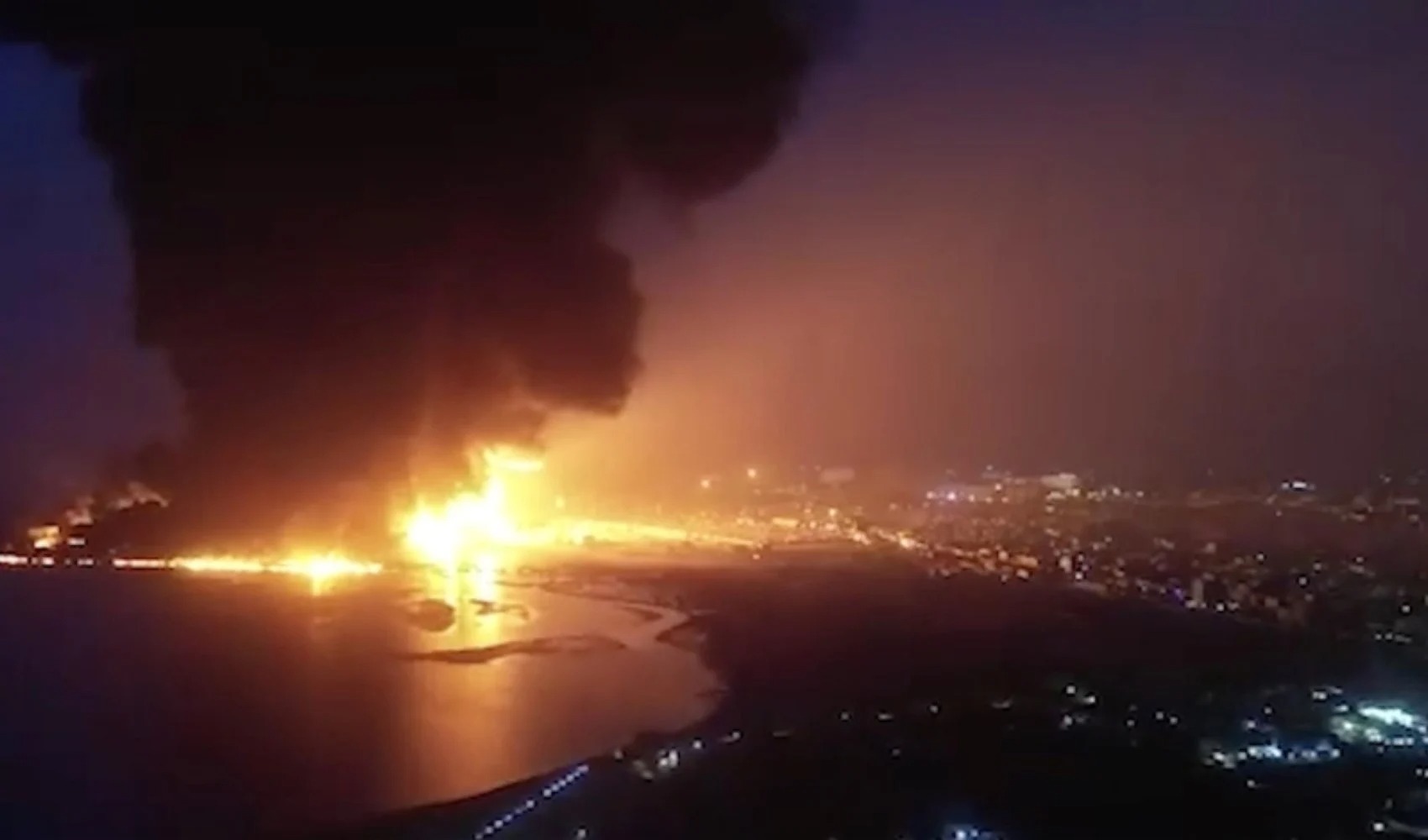
Houthis strike Saudi-owned tanker

What did the CHP do?

Özel’s new party move in the world press

The New CHP, against CEHAPE

From self-efficacy to despair