



He was, of course, not just a soldier, not just a statesman, and not just a thinker.
Atatürk was also a journalist.
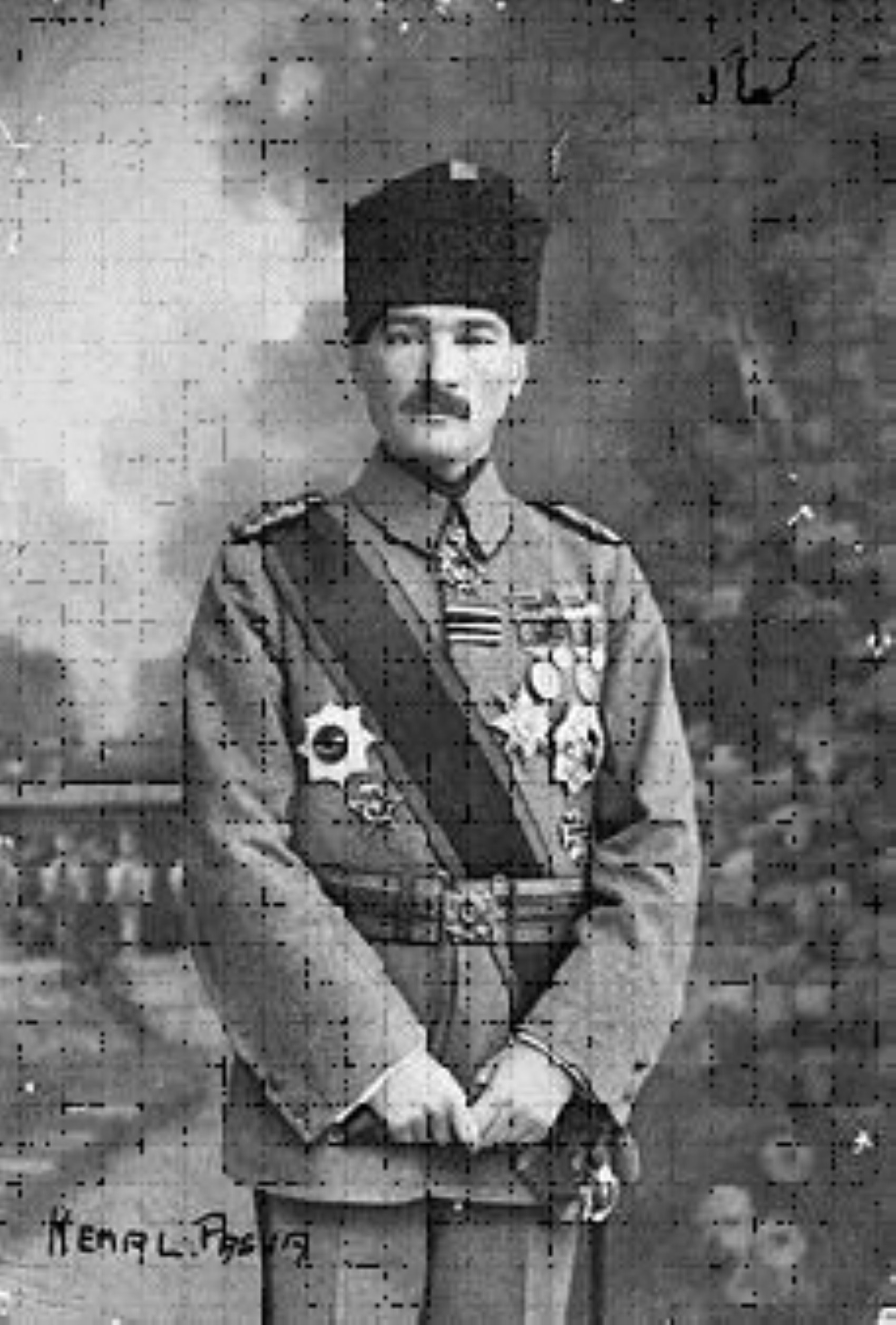
The year is 1902.
In an environment where Abdülhamit kept printing houses under strict control, where even the state's official newspaper, Takvim-i Vekayi, was shut down and sealed, where opposition journalists were thrown into dungeons and sentenced to death, and where writers were sent into lifelong exile or imprisonment in fortresses, he published a secret newspaper while still a military student, together with his friends Ali Fuat, Ömer Naci, and İsmail Hakkı. He was also its editor-in-chief.
With this newspaper, he sought to awaken a national consciousness among his friends at the Academy.
The year is 1918.
As soon as he arrived in Istanbul, he told his friend Ali Fethi Okyar, “The goal is to publish a newspaper to awaken the nation.” He put forward some money he had saved from his salary and, to contribute to the struggle for independence he was about to lead, he published a newspaper together with his friend Ali Fethi Okyar.
Its name was Minber.
He named it himself.
Ali Fethi Bey was at the head of the newspaper, while Dr. Rasim Ferit was the concessionaire and managing editor. The Minber newspaper began its publication life on November 1, 1918. Atatürk wrote the newspaper's editorials under various pseudonyms. And from time to time, he also gave hints between the lines that he would launch the War of Independence. For example, the following interesting sentence appeared on November 18, 1918, signed by Ahmet Hulki:
“In any case, the future of the homeland is right to expect great services from Mustafa Kemal Pasha.”
However, they could only publish 51 issues. Because the money Atatürk had saved had run out. They could not receive support, and the newspaper closed.
The date is May 19, 1919.
Atatürk landed in Samsun on May 19, 1919, to carry out the War of Independence, which he had signaled in the Minber newspaper. He arrived in Erzurum on July 3, 1919. He organized the Erzurum Congress and was elected Chairman of the Representative Committee at this congress.
There was a newspaper there: Albayrak. It was being published with great difficulty by teacher Cevat Dursunoğlu.
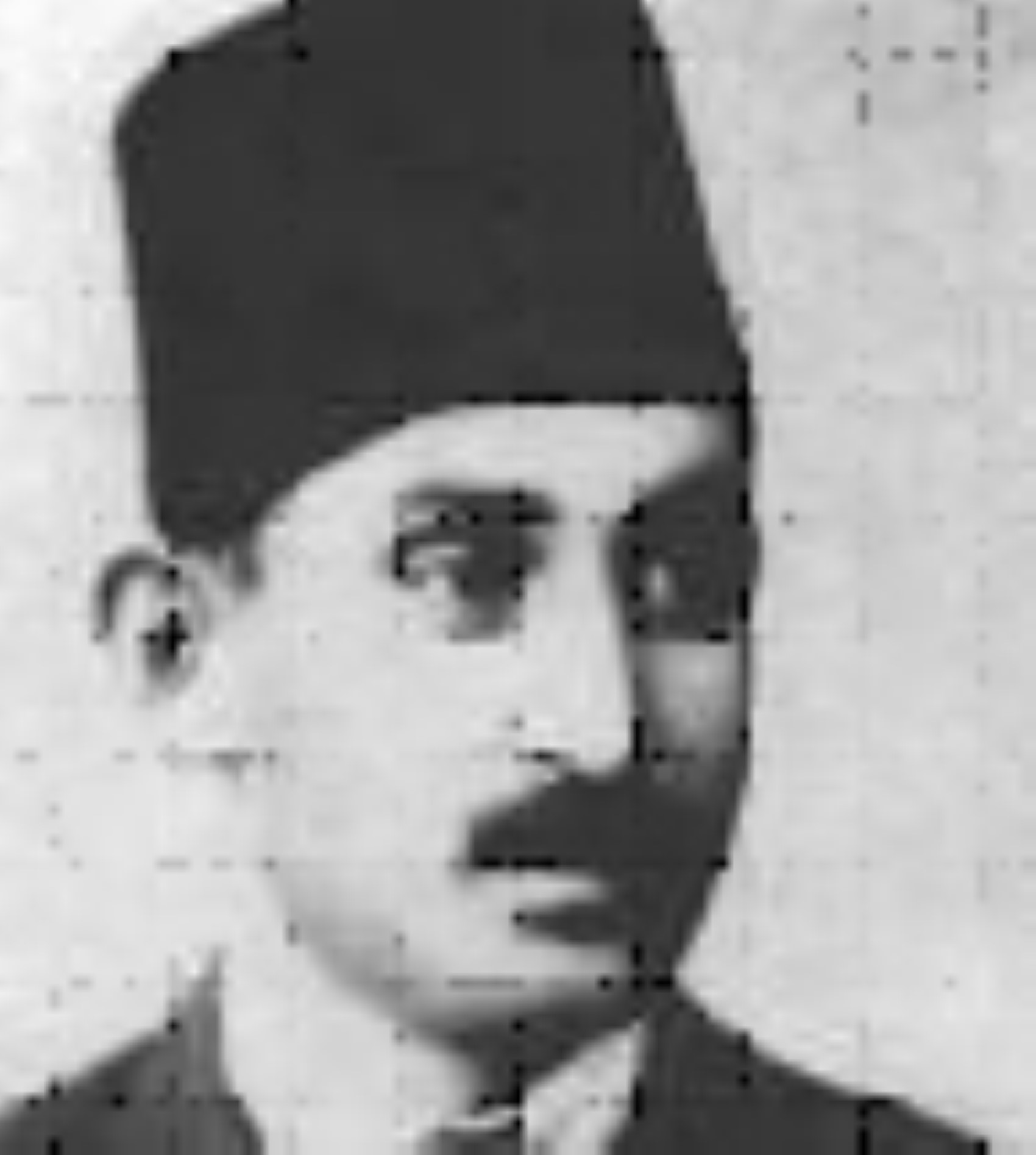
As soon as Mustafa Kemal arrived in Erzurum, he took an interest in this newspaper. He provided support. The Albayrak newspaper informed the country about the Erzurum Congress he organized. It provided information. Atatürk gave Cevat Dursunoğlu, who published the Albayrak newspaper, the task of drawing the borders of the Republic of Turkey. He provided the main outlines himself. Journalist Cevat Dursunoğlu successfully carried out this task given by Atatürk.
Turkey's current borders were drawn by a teacher, a journalist, under Atatürk's directive.
The Erzurum Congress ended. Atatürk set off for Sivas.
Immediately after the Sivas Congress, which ended on September 11, 1919, he told those around him that he would publish a new newspaper. The name of the newspaper would be İrade-i Milliye. İrade-i Milliye means National Will. And under the name of the newspaper, it read: “İrade-i Milliye is the defender of the National Demands and Aspirations.”
In other words, it was boldly stating: "Our newspaper is the defender of the National Will, the rights and aspirations of the nation."
The İrade-i Milliye newspaper was fearless.
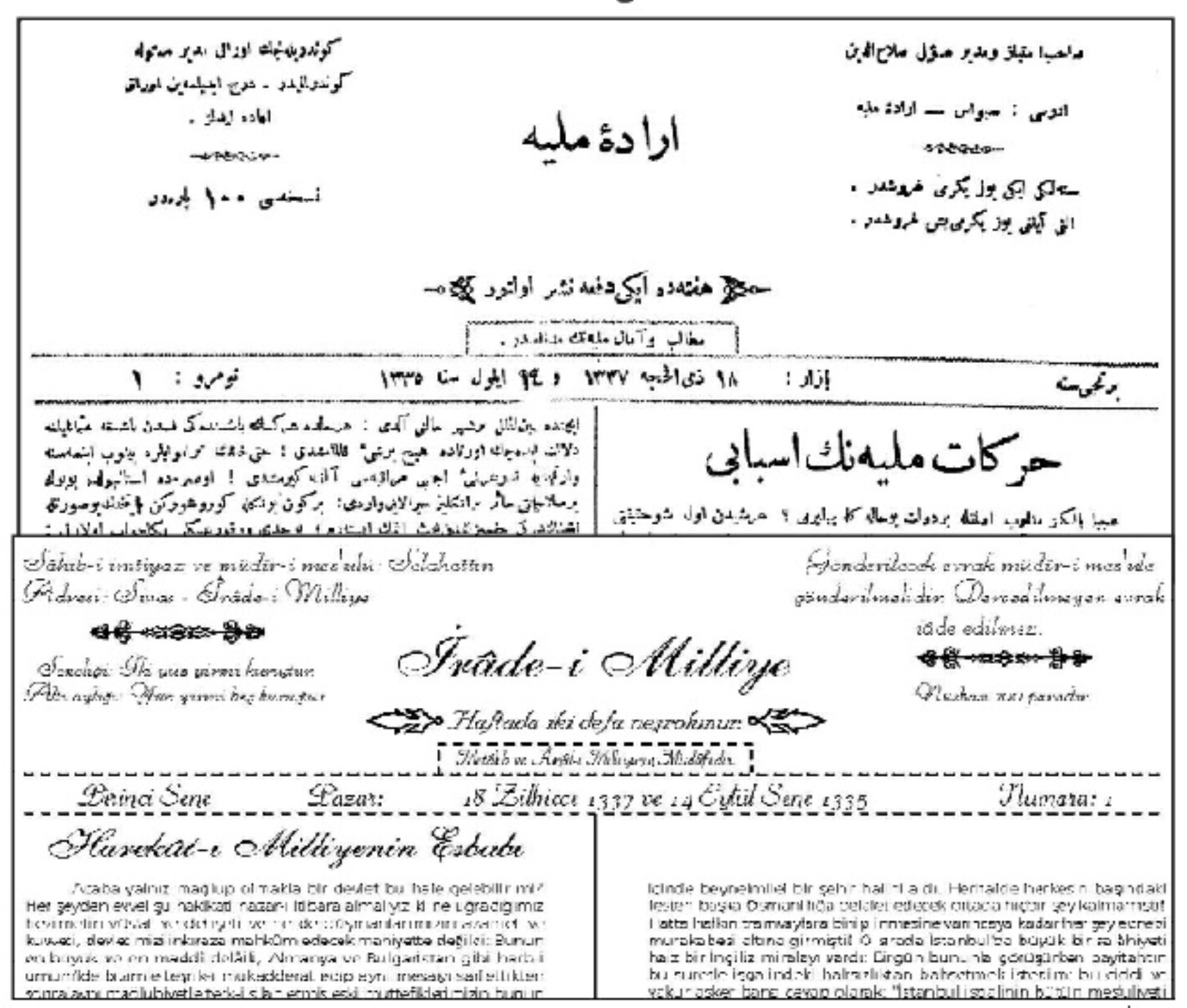
The name İrade-i Milliye, which Atatürk found, was a name chosen specifically against the will of the caliphate and the will of the sultan. The concessionaire of the newspaper, which was founded by Atatürk, was Selahattin Bey. The editor-in-chief would be Mazhar Müfit Kansu.
The newspaper was published by hand in a printing house left over from the Constitutional Era. Atatürk took the newspaper in his hand and read his first article, which he published under the name İsmail Hami. The title of the article was “Harekât-ı Milliye’nin Esbabı” (The Reasons for the National Movement).
In other words, he explained the purpose and requirements of the National Struggle in this article.
İrade-i Milliye became a beacon of hope in Anatolia and spread like a wave. Its pages were passed from hand to hand.
The newspaper, which was published weekly at first and later daily, published the minutes of the Sivas Congress, Atatürk's declarations, and his speeches. The newspaper, published for the purpose of liberation and to announce the decisions of the Sivas Congress to the public, was sent to various provinces and especially to official offices in Istanbul in sealed envelopes. The goal was to bypass the press censorship imposed by the occupying British in Istanbul and to ensure that the announcements reached even official offices.
İrade-i Milliye published 19 issues during the time the Representative Committee was in Sivas.
The first issue was 1,000 copies, but due to high demand, it increased to 5,000 copies. In those years, even Kızılırmak, the major newspaper of Sivas, was only printing a few hundred.
Hakimiyet-i Milliye
Atatürk's Sivas days had come to an end. He had completed the organization in Anatolia and set off for Ankara as the Chairman of the Representative Committee of the Association for the Defense of the Rights of Anatolia and Rumelia. As soon as he arrived in Ankara, he immediately attempted to establish a newspaper. He said, “We will publish a newspaper.” How would the decisions of the Grand National Assembly of Turkey, which he planned to open in Ankara, and the resistance against the occupation across the country and the preparations for the War of Independence be announced to the nation and to the capital of that day, Istanbul?
Of course, it would be announced through the press.
However, there was no suitable printing house in Ankara. Word was sent everywhere, and the sought-after printing house was found in Konya. It was immediately brought over, and the printing machine was placed in the stable of Velihan, opposite Ulus-Taşhan.
Yes, the printing room of the newspaper that was the voice of the War of Independence was established in a stable.
The stable was cleaned. A little further from the stable, there were two rooms reached by narrow stairs. Both rooms were built on wooden pillars. One of the rooms was the newspaper's editorial office and administrative center, and the other was the center of the Association for the Defense of the Rights.
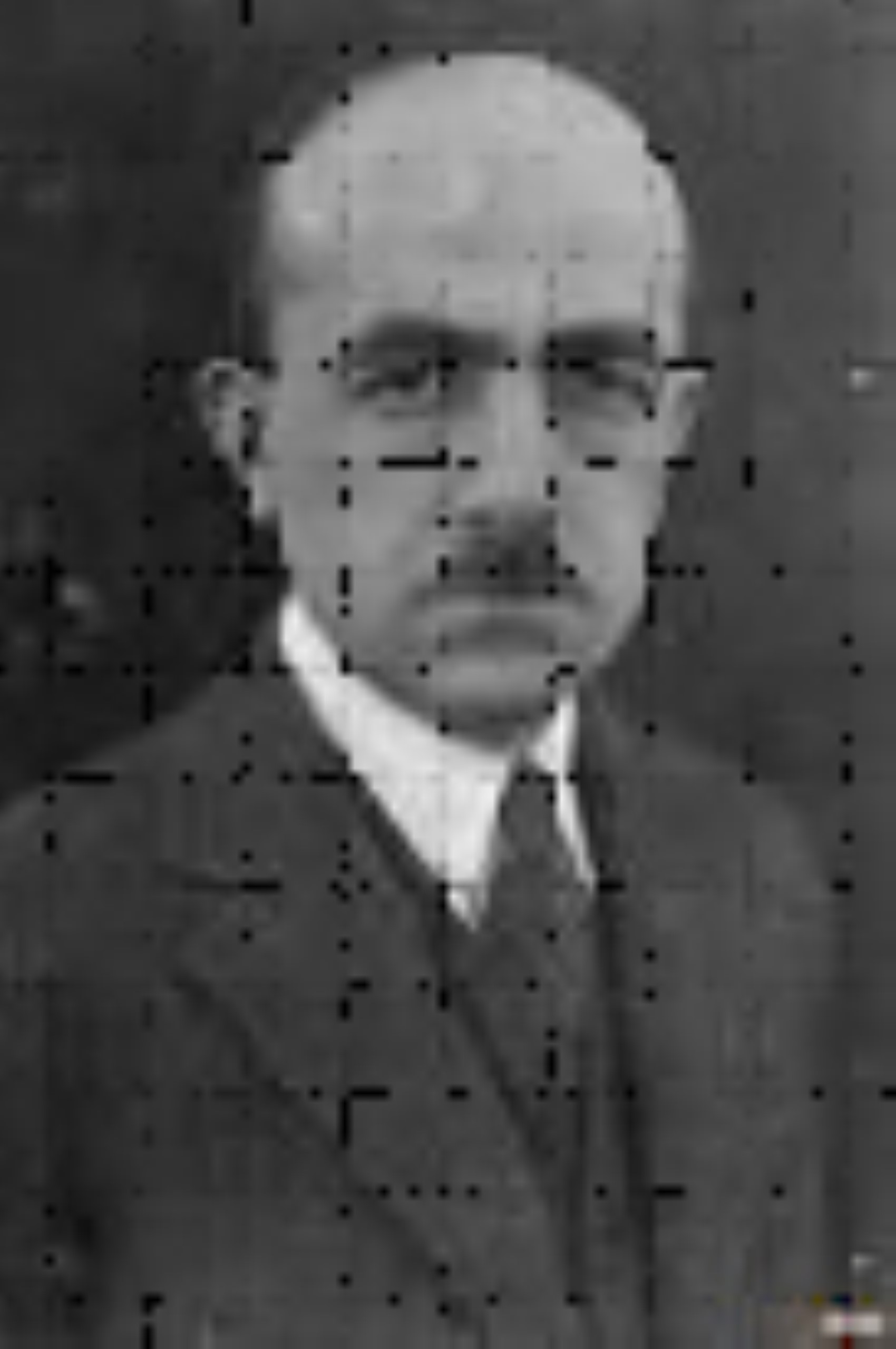
The newspaper's writers were quite excited and hopeful. Yakup Kadri Karaosmanoğlu, one of the writers of Hâkimiyet-i Milliye, said the following in his memoirs about the newspaper's administrative center:
-“The editorial and administrative center of Hâkimiyet-i Milliye resembled a stork's nest with its two makeshift rooms built on four pillars. But in this stork's nest, we felt like eagles.”
With the İrade-i Milliye newspaper founded in Sivas, the nation's will was emphasized. But it was no longer enough for the will to be in the hands of the nation. Sovereignty (Hakimiyet) also had to be in the hands of the nation. That is why Atatürk named the newspaper “Hakimiyet-i Milliye” (National Sovereignty).
He was also its editor-in-chief. The managing editor was Nizamettin Nazif Tepedelenlioğlu.
And the headline in its first issue, published on January 10, 1920, was:
“The duty of the newspaper is to make the nation's will sovereign.”
Atatürk's goal was to announce the justifications, all stages, purposes, and reasons for the War of Independence to the world through this newspaper.
Hâkimiyet-i Millîye, which was published twice a week, began to be published three times a week after July 18, 1920. Atatürk would frequently visit this makeshift printing house in the stable. He would take Hüseyin Ragıp aside and say:
-“We will publish Hâkimiyet-i Milliye every day. You will be in charge of this. And you will write the lead editorial there every day!” he said.
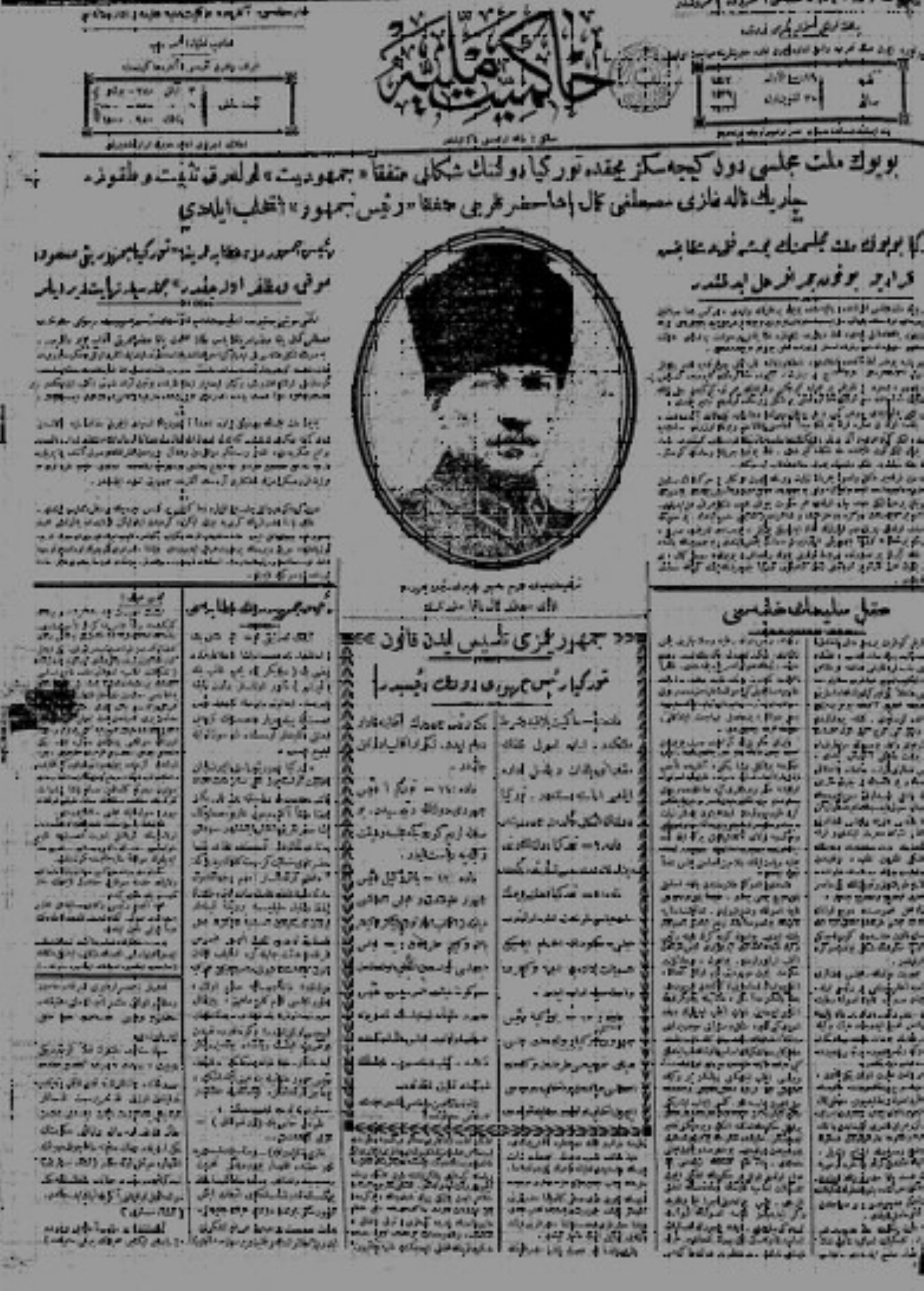
The newspaper began to be published daily starting from February 6, 1921, and over time, it renewed its machines and expanded its editorial staff.
Atatürk had a great influence on the editorials and other articles of the Albayrak, Hâkimiyet-i Milliye, and İrade-i Milliye newspapers. The owner of these articles was usually Atatürk. The newspaper was also the publication organ of the Association for the Defense of the Rights of Anatolia and Rumelia, which was established in Anatolia. After the Great Victory and the proclamation of the Republic, Hâkimiyet-i Milliye also took on major tasks with its publications. The victories of the War of Independence and the proclamation of the Republic were announced through Hâkimiyet-i Milliye.
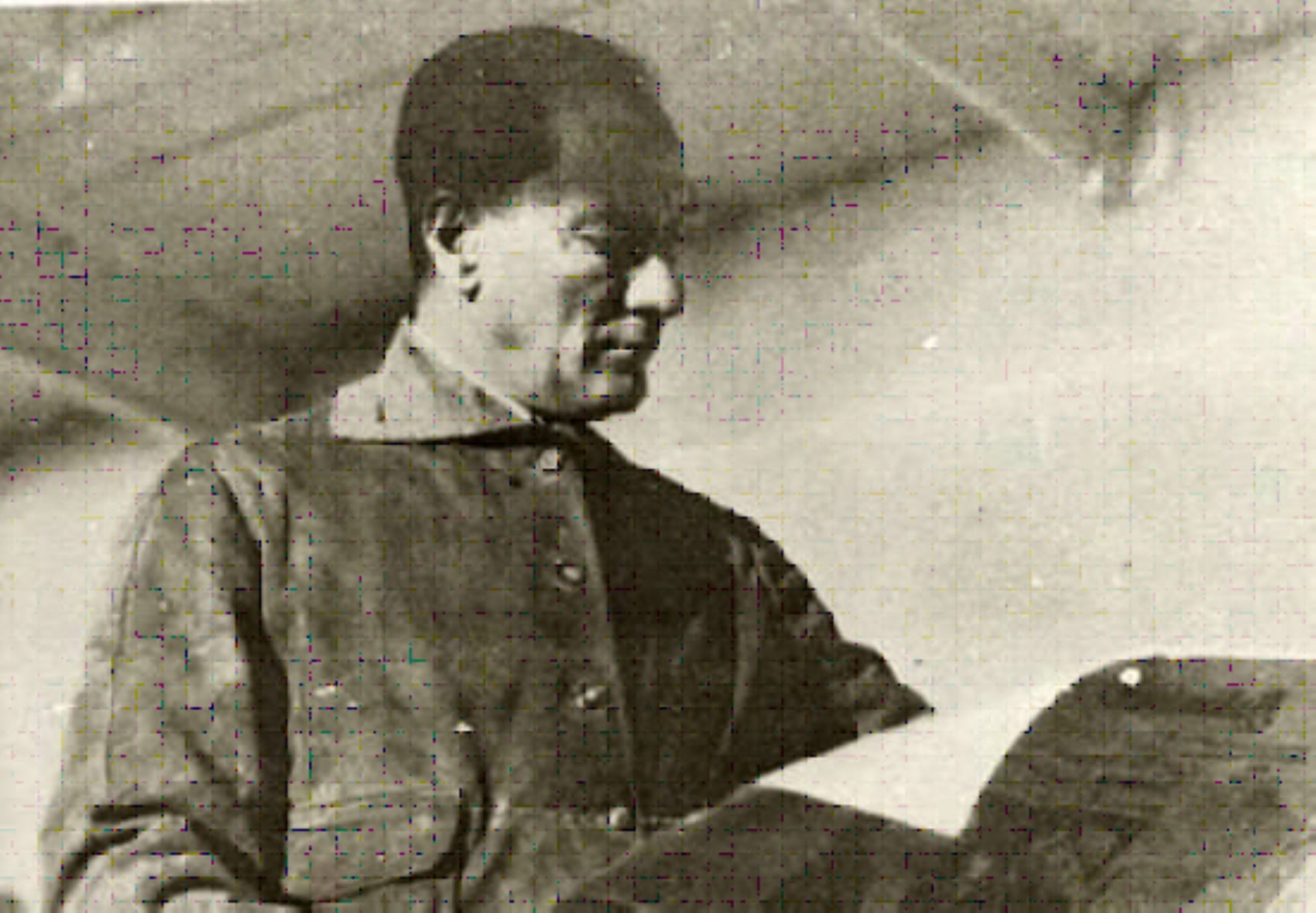
In conclusion;
Mustafa Kemal Atatürk, who undertook the task of saving the Turkish nation and dedicated his life to this cause, who fought the War of Independence, won it, and founded today's Republic of Turkey, was a good revolutionary, soldier, statesman, and thinker.
But he was also a journalist.
Most Read

Striking picture for Özgür Özel's 'New Party'

Özgür Özel gives a dated response regarding the number of resignations

Forest fire in Antalya brought under control
Houthis strike Saudi-owned tanker
4 drones shot down near US Consulate General in Erbil

Özel’s new party move in the world press

The new rule of the field: Attrition
Zeydan Karalar's decision on the New Party
Key figure in Epstein files found dead at home
Famous director Ezel Akay and his brother have been detained