



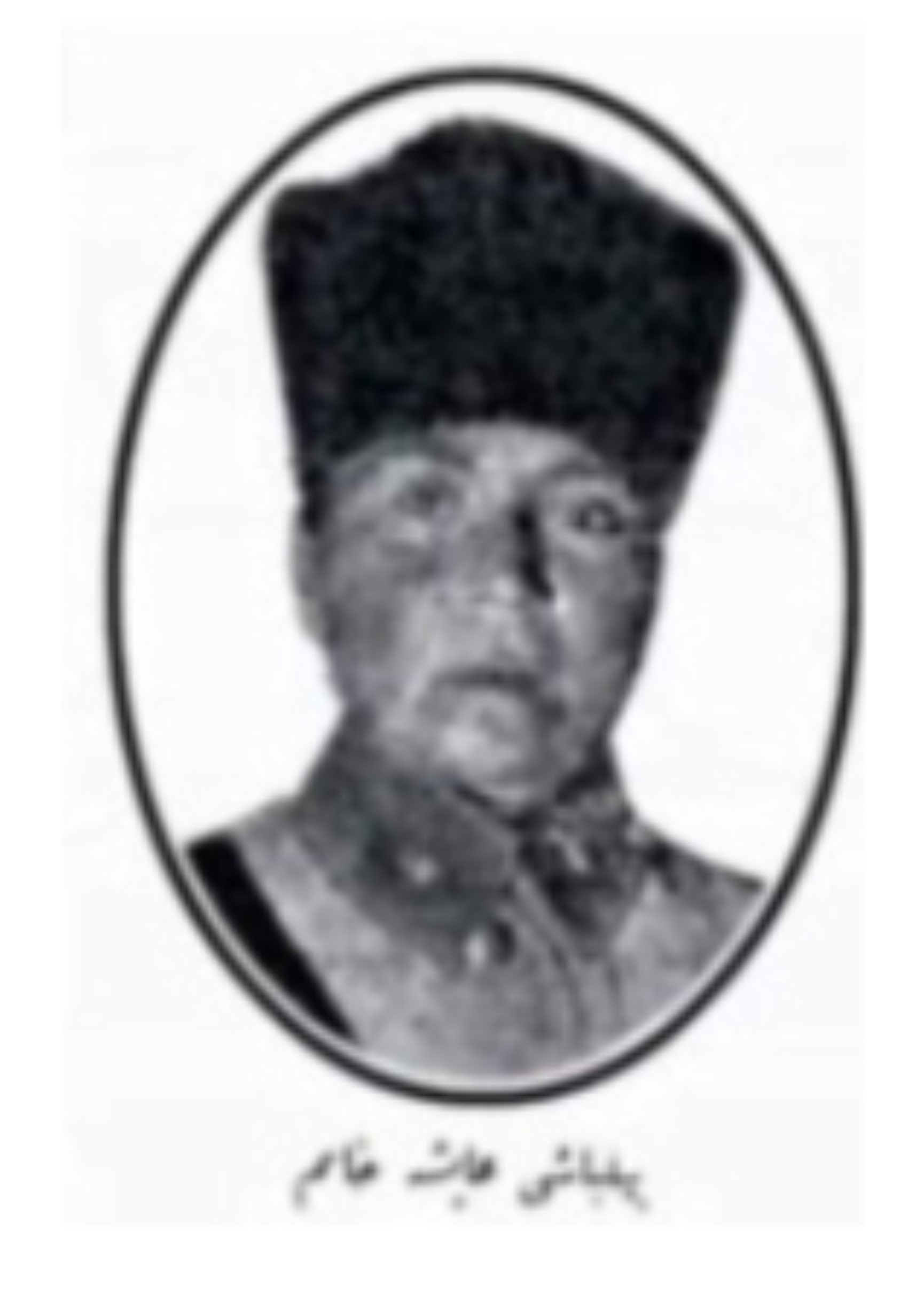
Her husband had been martyred on the Caucasus Front.
Her village and home had been occupied by the enemy. To protect her homeland and her honor, she sold the jewelry and bracelets left behind by her husband. With that money, she bought a weapon and took to the mountains. She became a guerrilla fighter. Then, she joined the War of Independence. She fired bullets, she wielded a sword. She took revenge for her husband.
Her name was Ayşe, and she was from Thessaloniki.
***
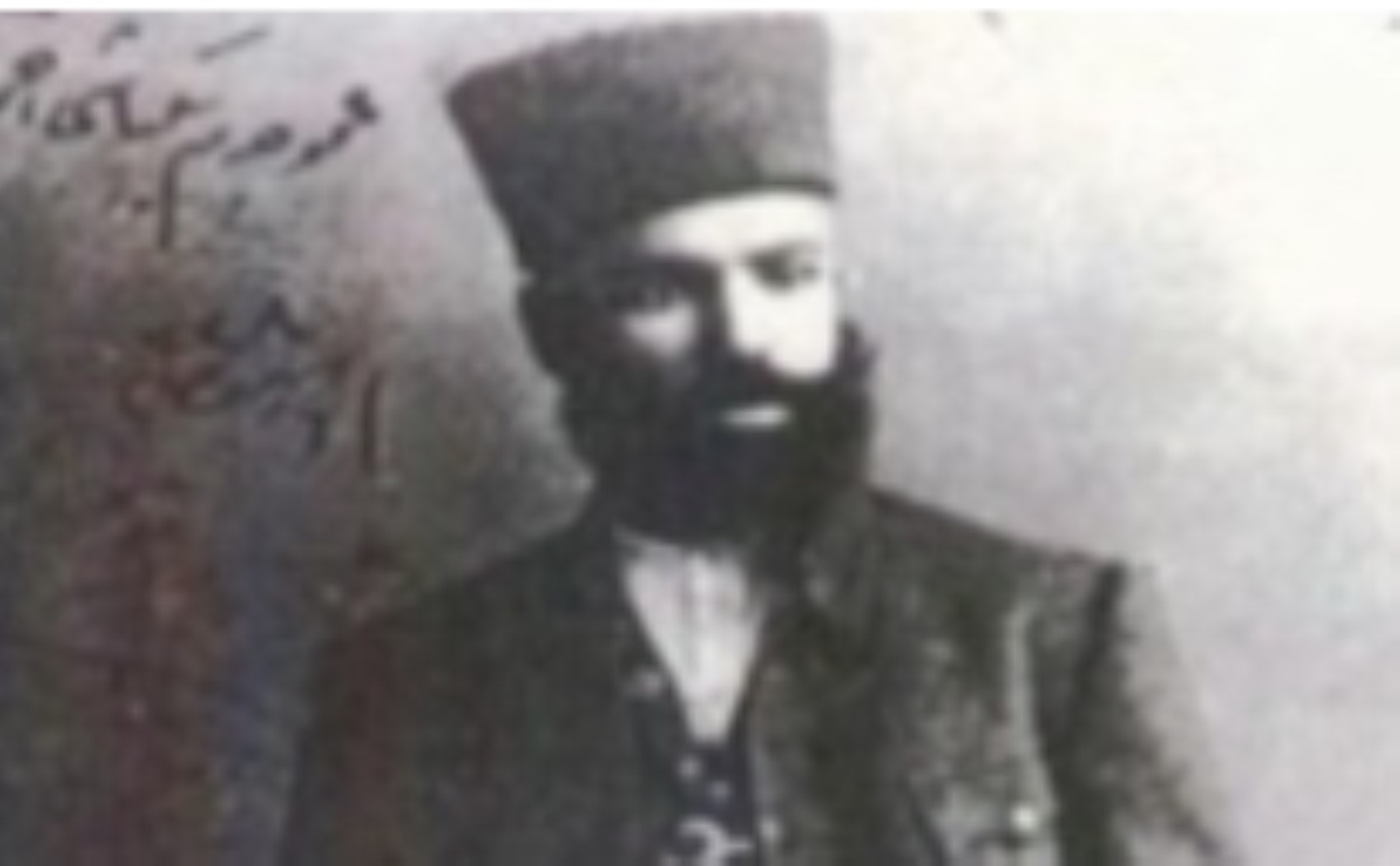
In the early 1920s, he was appointed as the district governor (kaymakam) of Demirci in Manisa. The Greek army first occupied İzmir, then Manisa. While the Governor of Manisa, Hüseyin Hüsnü, was welcoming the Greek soldiers at the entrance of Manisa, he refused to recognize his own governor, Hüseyin Hüsnü, whom he was under. He distributed the weapons in the Military Branch depot to the public and established a Kuvayı Milliye (National Forces) unit consisting of volunteers in the Aegean. He fought against the Greeks for two years. He organized the Demirci Raids. His name was İbrahim Ethem Akıncı. Atatürk gave him the surname Akıncı because of his raids in the Aegean.
He was from Thessaloniki.
***
The year was 1912.
The Italians had attacked and occupied Tripoli, which belonged to the Ottoman Empire. There was a spirited young Turk studying Political Science and Law at the Sorbonne University in Paris. He was like fire. He was a master marksman.
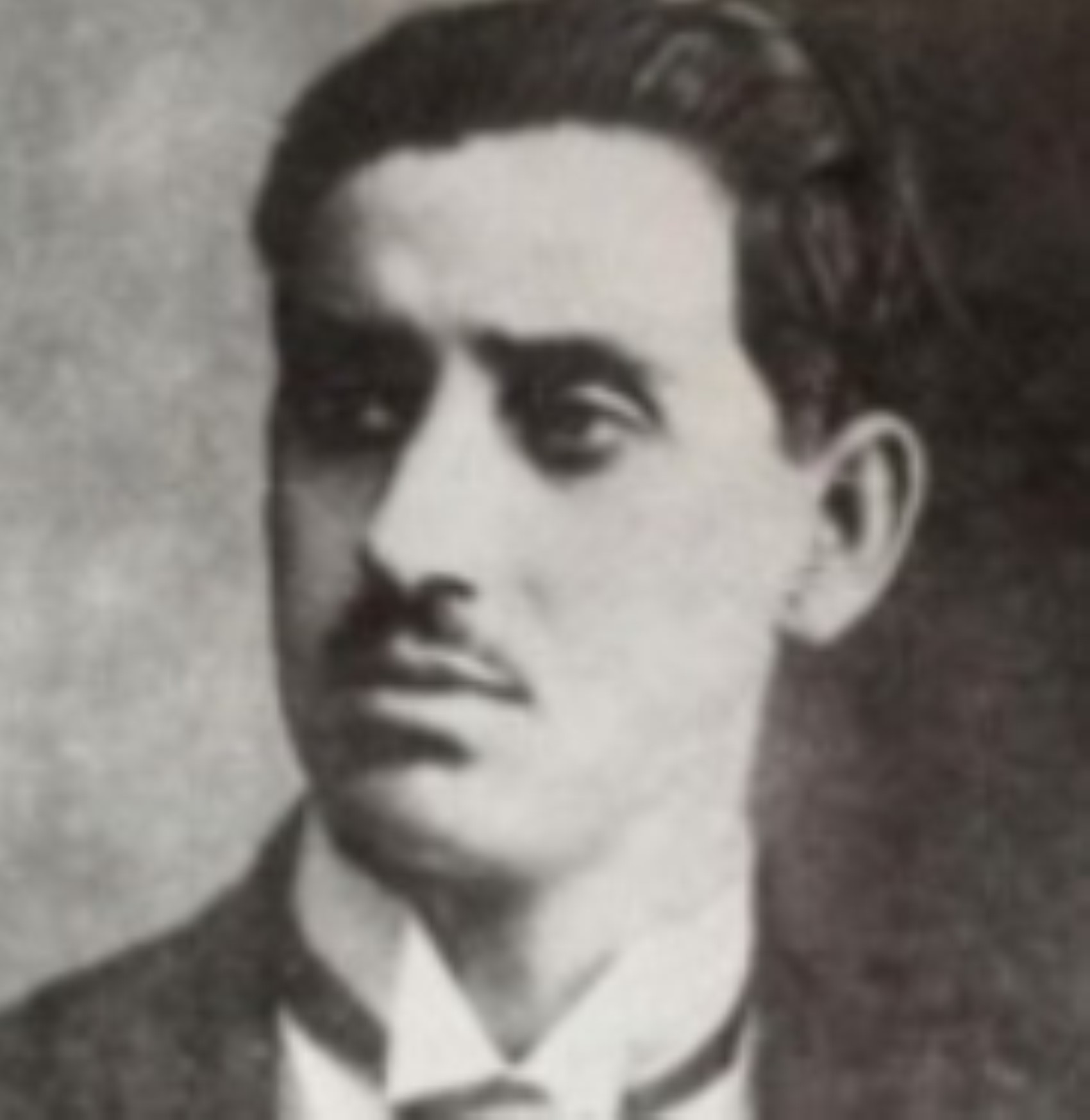
To protest the Italian occupation of Tripoli, he was organizing rallies in Europe together with his Egyptian student friend, Sheikh Dayef.
On a holiday, he visited his friend Osman Suavi Kökmen, who was studying in the Swiss city of Neuchatel. He bought a ticket to watch a film and went to the Olympia cinema. He sat in the front rows. The lights went out. After a long gong sound, the film began.
However, before the film, Turkish-Italian war footage from Tripoli and Benghazi was shown on the screen. The Italians were showing short propaganda films in European cinemas to portray themselves as righteous and successful. On the screen was the text "Vive l'Italia. A bas les Turcs!" The translation of the text was "Long live Italy, down with the despicable Turks."
When the young man saw this scene, he could not bear it; he pulled the pistol from his waist and fired at the screen. He emptied all his bullets. The cinema was suddenly in chaos. The audience fled, screaming. And that young Turk shouted the following words to the Europeans fleeing in the hall;
"Lies, lies, lies. They are telling it wrong. In reality, the Turks are the heroes," he said.
After the incident, the young man went to the police station and surrendered. And he gave the following statement to the police;
"No one has the right to insult Turkishness," he said. The name of this heroic young man was Osman Nevres. Otherwise known as Hasan Tahsin.
He was the Hasan Tahsin who fired the first bullet at the Greeks in İzmir.
And he was from Thessaloniki.
***
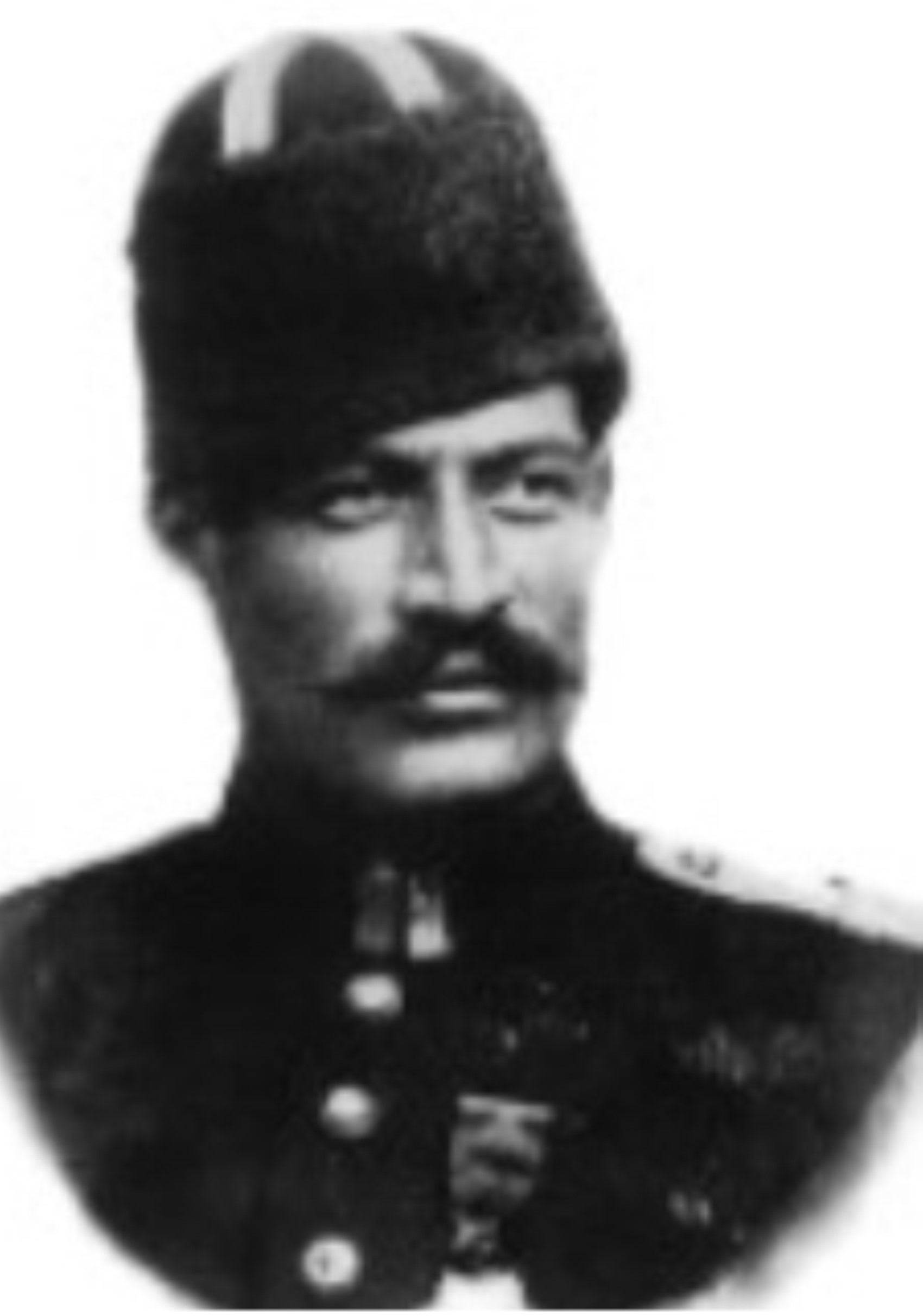
He was 34 years old. He was in the same class as Atatürk.
He fought first in Tripoli, then in the Balkan Wars. Afterward, he went to the Gallipoli Campaign. He was a captain.
The Gallipoli Campaign was continuing with all its intensity.
On March 18, the British and French had been defeated by the ships in the Dardanelles Strait and could not pass through the Strait, but this time they wanted to pass by land.
They prepared all their plans accordingly. For this purpose, they landed troops at Seddülbahir and Arıburnu on April 25.
On the other hand, Mustafa Kemal Pasha had displayed a great example of heroism at Arıburnu by saying, "I order you to die," and had driven the enemy back.
However, the enemy had managed to land at Ertuğrul Bay in Seddülbahir. They had surrounded Aytepe. The situation of Aytepe was critical. The position of Aytepe was also critical. If Aytepe fell, Alçıtepe would fall; if Alçıtepe fell, the enemy would easily descend from there to Kilitbahir, pass through the Strait, and win the war. Battalion Commander Mahmut Sabri, who was defending Aytepe, was in a difficult situation.
That day, this young Captain moved from Balıksırtı. Upon the order he received, he went to help Aytepe. While passing by İslam'ın Çiftliği with his 250-man company, he coincidentally saw another 2,000-man enemy force landing at İkizkoyu in the Kızıltoprak area. And he stopped right there, secretly examined the surroundings, and saw that there were no obstacles in front of the landing enemy.
İkizkoyu and its front were completely empty.
He stopped, thought, and had to make a decision. Either he would stay here and stop the enemy, or he would go to help Aytepe. But if he went to help Aytepe, the enemy landing here would both surround Aytepe from the rear and march on Alçıtepe. If Alçıtepe fell, Seddülbahir would fall. Then the Gallipoli Front would fall. And the Strait would open, and the enemy would easily pass through the strait and reach Istanbul. The Captain made his decision. He would not go to Aytepe.
He would stand there and stop the enemy.
And that is what he did.
He took up a position right there and fought heroically until evening with his 250 soldiers against the 2,000-man well-equipped enemy. This resistance ruined all the plans of the enemy that had landed. He stopped the enemy, which was ten times his size, and inflicted heavy casualties.
However, towards evening, a piece of shrapnel from the shells fired from the enemy ship unfortunately hit the captain. And he lost his life. He had been martyred. After the war, his body was searched for, but it could not be found. His grave was all the sacred lands of the homeland.
Who was this hero?
It was Yusuf Kenan Bey. Of course, he was from Thessaloniki.
******
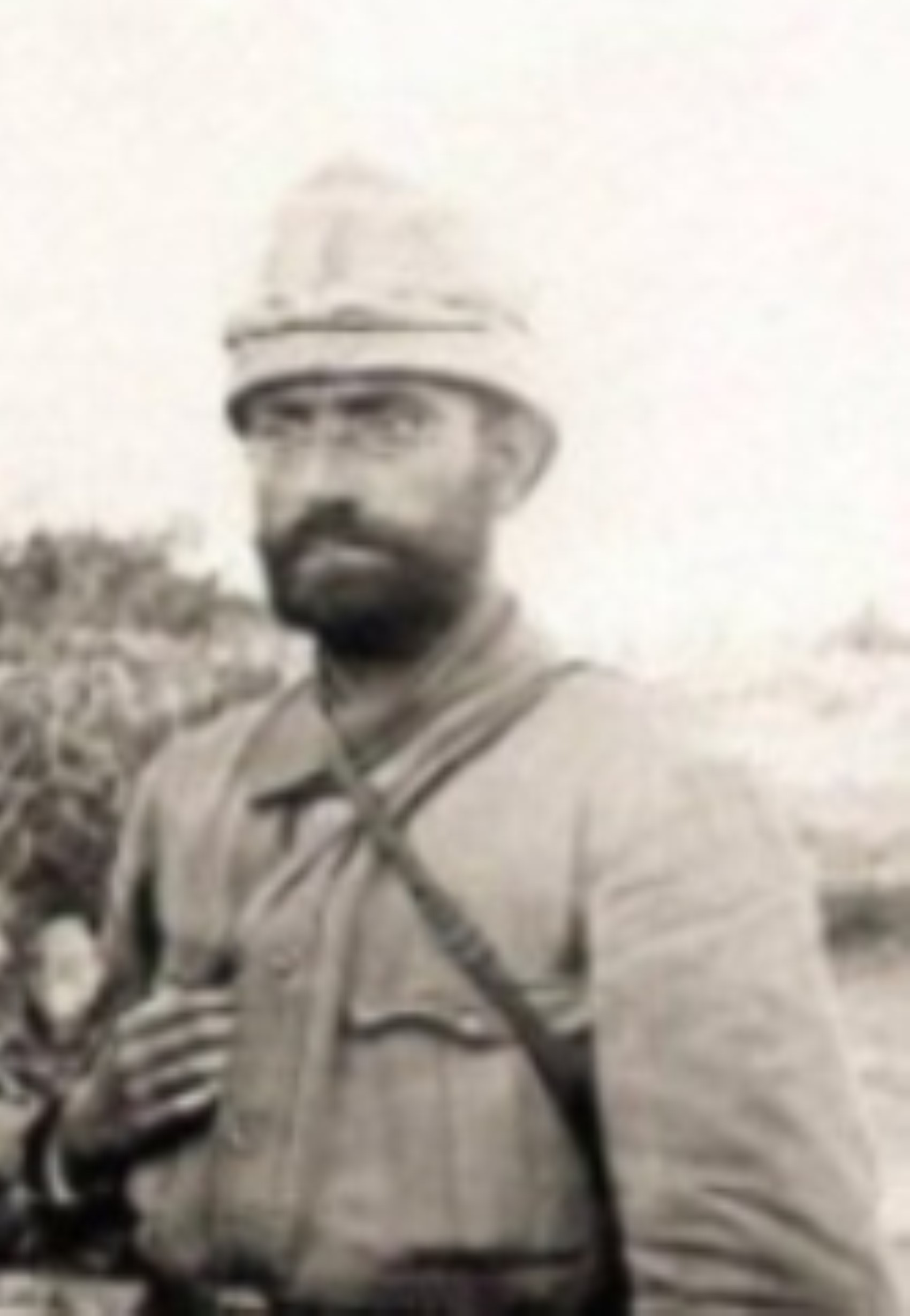
He fought against the Italians together with Atatürk to defend the last piece of Ottoman territory in Tripoli. He traveled to all the fronts. He fired bullets, he wielded a sword.
In 1913, while fighting the Bulgarians in Bolayır, he was wounded in the knee. He did not give up; this time he fought against the British at Conkbayırı in Gallipoli. He showed great merit. The enemy had been stopped in Gallipoli, but this time they were entering from the east. He did not stop either. He went to the Caucasus Front. He fought against the Russians. He was one of the commanders who took Muş from the Russians and was the first to enter the city.
The Caucasus Front ended, and he fought against the Greeks in the War of Independence. He ran from front to front. He was Atatürk's childhood friend. His name was Nuri, and he was also from Thessaloniki.
Atatürk had given him the surname "Conker" because of his heroism in the Gallipoli Campaign.
***
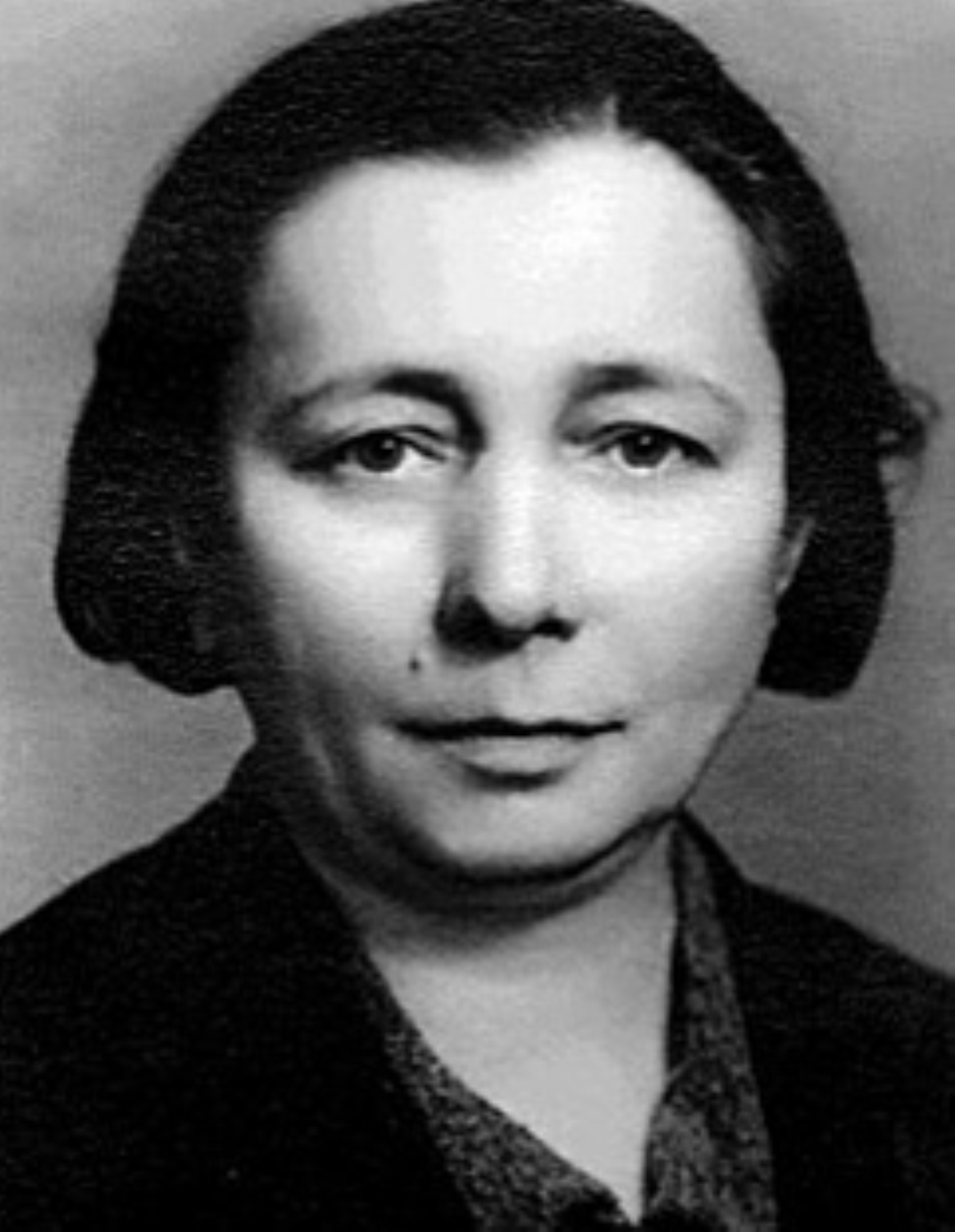
She was a teacher at Bursa Bizim Mektep.
When Bursa was occupied by the Greeks in 1920, she stayed in Bursa. She carried out intelligence activities under the command of the Western Front located in Eskişehir. She sent important information about the enemy from Bursa to Mustafa Kemal.
When her intelligence work was discovered, she was arrested by the Greeks and sent to Greece. She was subjected to severe torture in the Thessaloniki Prison. Then she was sent to the prisoner-of-war camp on the island of Milos. As a woman, she suffered great pain. She gave her life, but she did not give up her secrets. After the Turkish-Greek population exchange, she came to Turkey. Due to her superior achievements, she was awarded the Medal of Independence.
Who could this brave Turkish woman be? Zehra Budunç, of course. She was also from Thessaloniki.
Hatice Özgener, one of Turkey's first female members of parliament; Salih Bozok, who spent his life on the fronts with Atatürk; Refet Bele, who went to Samsun as a fugitive with Atatürk; Şükrü Naili Gökberk, who participated in many wars and exercises with Atatürk. And many, many more...
They were all from Thessaloniki.
You know him.
He defeated the Italians in Tripoli, the British and French in Gallipoli, and the Russians on the Caucasus front. He fought against the Bulgarians in Bolayır. There is no need to describe him. His name is Mustafa Kemal Atatürk. You already know.
He was from Thessaloniki.
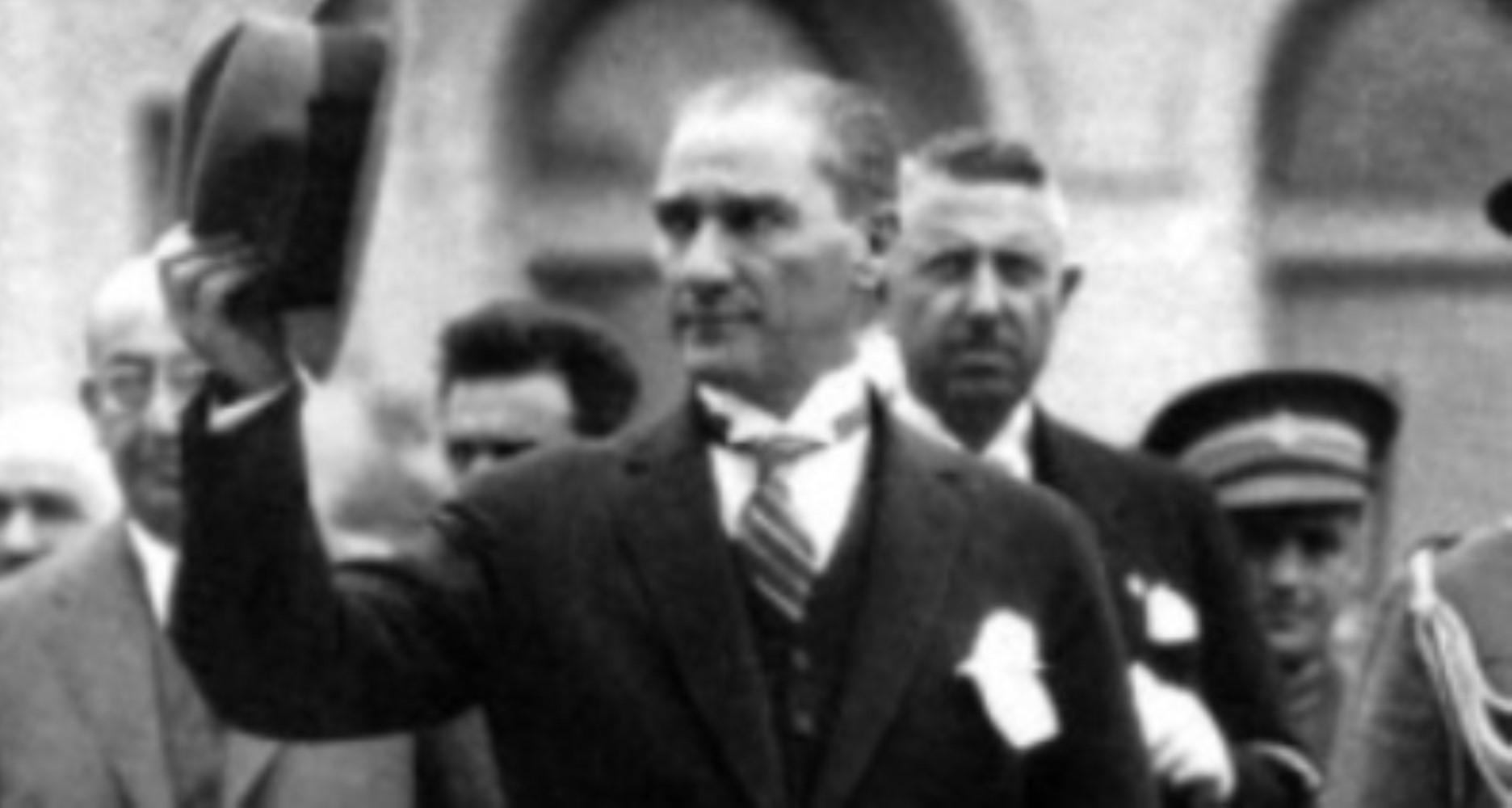
Do you know who Thessaloniki is? Thessaloniki is Hasan Tahsin, who stirred up Europe for the sake of Turkishness. Thessaloniki is Major Ayşe, who fought in the National Struggle. Thessaloniki is İbrahim Ethem Akıncı, who did not let the enemy breathe in the Aegean. Thessaloniki is Captain Yusuf Kenan in Gallipoli.
There are 2 mine-laying ships that closed the Strait in the Gallipoli Campaign. One is Nusrat, the other's name is Thessaloniki. Thessaloniki is not just a city in Greece. Thessaloniki is a name for Turks. The one from Thessaloniki is a hero. Ask those who know history; Thessaloniki is Turkish.
If we were to describe Thessaloniki in one word;
Thessaloniki is Atatürk..
Most Read

Striking picture for Özgür Özel's 'New Party'

The PKK opening and Özgür Özel’s path!..

How did the newspapers view Özgür Özel's farewell to the CHP?

He killed his wife by slitting her throat: Their children witnessed the moments

What did the CHP do?

Özel’s new party move in the world press

The New CHP, against CEHAPE

Fire at TUSAŞ engine factory in Eskişehir under control

From self-efficacy to despair

Kılıçdaroğlu's first message on Özgür Özel's new party announcement