



My dear friend Serdar Aydın’s article titled On Mustafa Kemal Atatürk’s Military Leadership in the War of Independence was published in this month’s issue of Türk Yurdu magazine. Although Serdar Aydın evaluates Atatürk as a product of Ottoman military reforms through his education and the First World War through his experience, this explanation is not quite sufficient for me. Personally, I am of the opinion that Atatürk, with his characteristic traits, clearly distinguished himself from his peers—Ottoman officers who possessed the same education and experience.
In this regard, I believe that comparing Mustafa Kemal Atatürk with Fevzi Çakmak will be illuminating.
Fevzi Pasha was an excellent officer. He represented the pinnacle of a century of Ottoman military modernization. He had undergone Prussian training and was the equal of Germany’s brilliant commanders. So much so that he built the Great Offensive, for which he was the planner, on the same principles as the Germans’ offensives in the final year of the First World War, and he achieved a unique victory at a point where the Germans had failed. Likewise, a victory equivalent to the Great Offensive would not be achieved until Germany’s invasion of France in 1940.
However, Fevzi Çakmak was a commander who remained in Atatürk’s shadow in terms of strategy and leadership ability. The main reason for Fevzi Pasha’s delayed participation in the National Struggle sheds light on the difference between the leadership and strategy-generating abilities of Atatürk and Fevzi Pasha.
Fevzi Pasha did not join the National Struggle until the parliament opened in Ankara on April 23, 1920. This is because he never approved of Atatürk’s employment of guerrillas (i.e., the Kuvayı Milliye). For Fevzi Çakmak, a typical example of the Prussian military school, the guerrilla was an unacceptable formation. Although Unionist officers who were part of the same school were inclined to use irregular units, according to Fevzi Pasha, no results could be achieved with an irregular armed force; the guerrilla was not a solution, but rather a source of problems. Throughout his career, he had witnessed many examples that would prove him right.
In reality, Atatürk was not an officer who approved of employing guerrillas either. However, in 1919, he had no other instrument at his disposal. Likewise, although the army still existed on paper, it had no deterrent power left in practice. It is true that the independent and undisciplined actions of Kuvayı Milliye leaders such as Çerkez Ethem and Demirci Mehmet Efe had many negative effects on the National Struggle. However, in a period when there was no effective instrument of organized violence available, the only solution was to cooperate with these men. Indeed, the Kuvayı Milliye would constitute the sole resistance against the Greek occupation in the Aegean in 1919 and the French occupation in Southeastern Anatolia in 1920. The role played by the regular army until mid-1920 was limited to providing logistical support to the Kuvayı Milliye and holding certain key points.
Thanks to the Kuvayı Milliye, very critical time was gained. While the Kuvayı Milliye kept the enemy occupied, the regular army was organized and prepared for war. It is clear that if Atatürk had rejected this instrument like Fevzi Pasha did, the regular army could not have been prepared for war so quickly. On the other hand, in a way that proved Fevzi Pasha right, the Kuvayı Milliye could never be kept fully under control and was responsible for many incidents that put Ankara in a difficult position. However, Atatürk, who was well aware of the fire he was playing with, had a Plan B ready for this matter.
As a result, by the time Fevzi Pasha joined the National Struggle, the Kuvayı Milliye had largely fulfilled its duty and was about to expire. Abolition was already on Atatürk’s mind by this date, and Fevzi Pasha must have agreed on this issue with Atatürk before coming to Ankara from Istanbul with İsmet Pasha. The first decisions Fevzi Pasha and İsmet Pasha would make in the National Struggle would be aimed at limiting the influence and authority of the Kuvayı Milliye. Shortly thereafter, the decision to abolish the Kuvayı Milliye would be taken, and this decision would result in the rebellions of Demirci Efe and Çerkez Ethem.
We can define the word “strategy” as the art of achieving success by correctly using the power and means at hand. The example of the Kuvayı Milliye showed that Atatürk was one step ahead of Fevzi Pasha in terms of strategy. The influence of the Prussian military school and likely his past experiences restricted the options before Fevzi Pasha. Atatürk, on the other hand, did whatever was necessary at that moment, did not hesitate to take risks, and was not afraid of the negative side effects of the decision he made. The success of the War of Independence and the fact that this success was achieved in a relatively short time confirm the accuracy of the strategies Atatürk followed.
Atatürk is undoubtedly the fruit of the long-standing Ottoman military reforms. It is clear that without the establishment of military high schools and the war academy providing contemporary education, officers like Atatürk could not have been trained. However, with his flexible intellect and daring nature that loved taking risks, Atatürk went beyond these reforms and was always one step ahead of his peers. Ultimately, he managed the War of Independence in a rarely seen manner by establishing a balance between politics, diplomacy, command, and strategy.
Most Read

Striking picture for Özgür Özel's 'New Party'

Özgür Özel gives a dated response regarding the number of resignations

Forest fire in Antalya brought under control
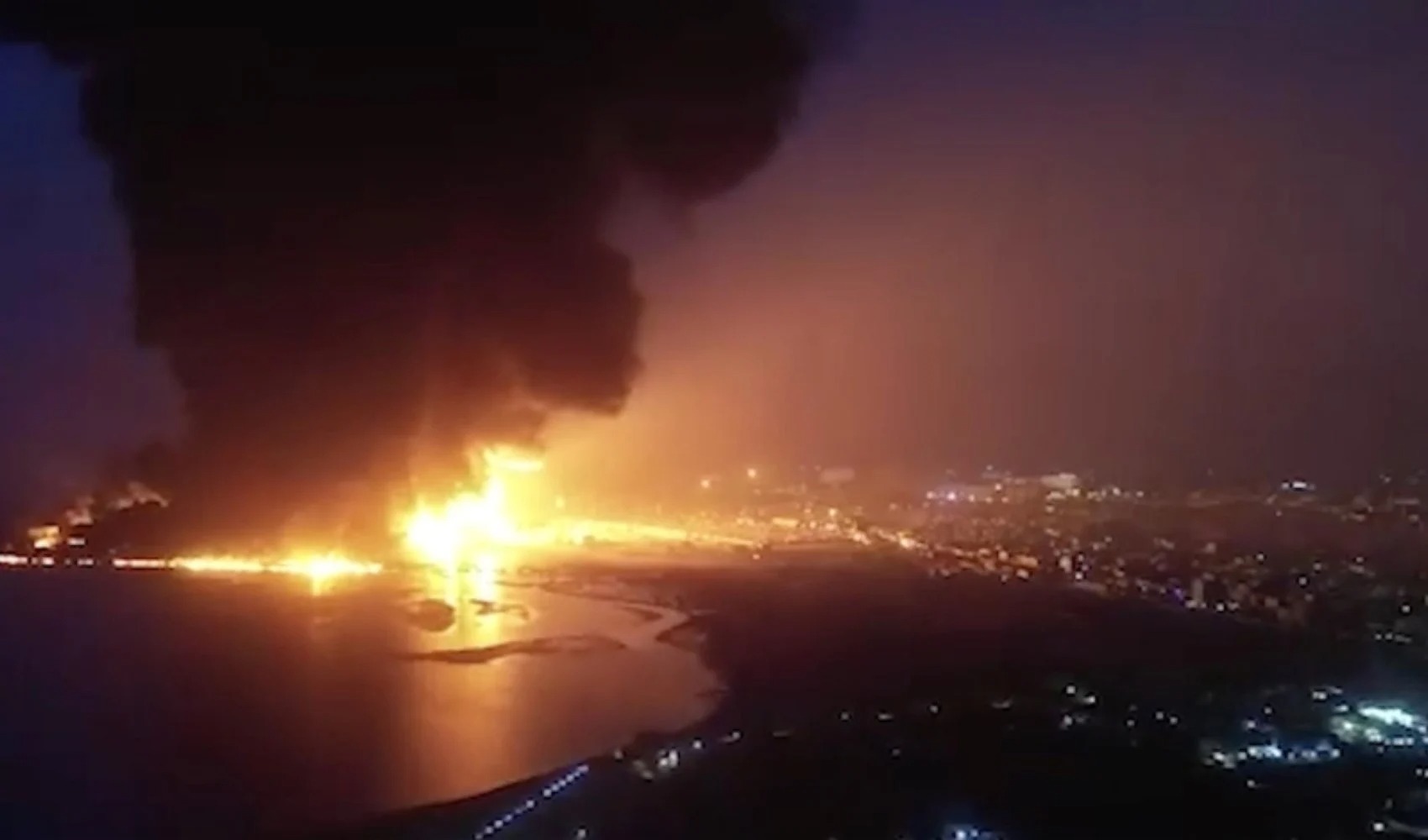
Houthis strike Saudi-owned tanker
4 drones shot down near US Consulate General in Erbil

Özel’s new party move in the world press
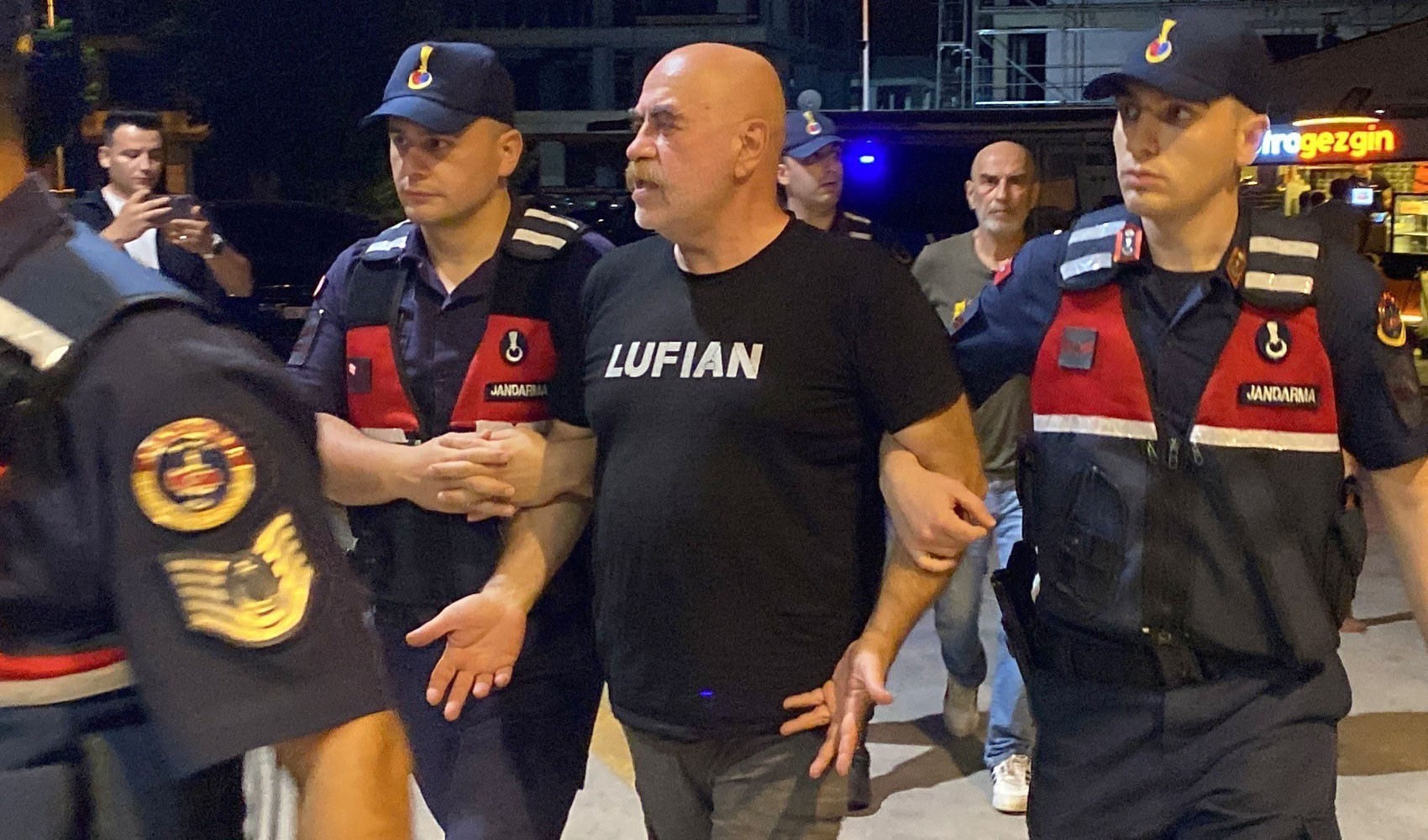
Famous director Ezel Akay and his brother have been detained

The new rule of the field: Attrition
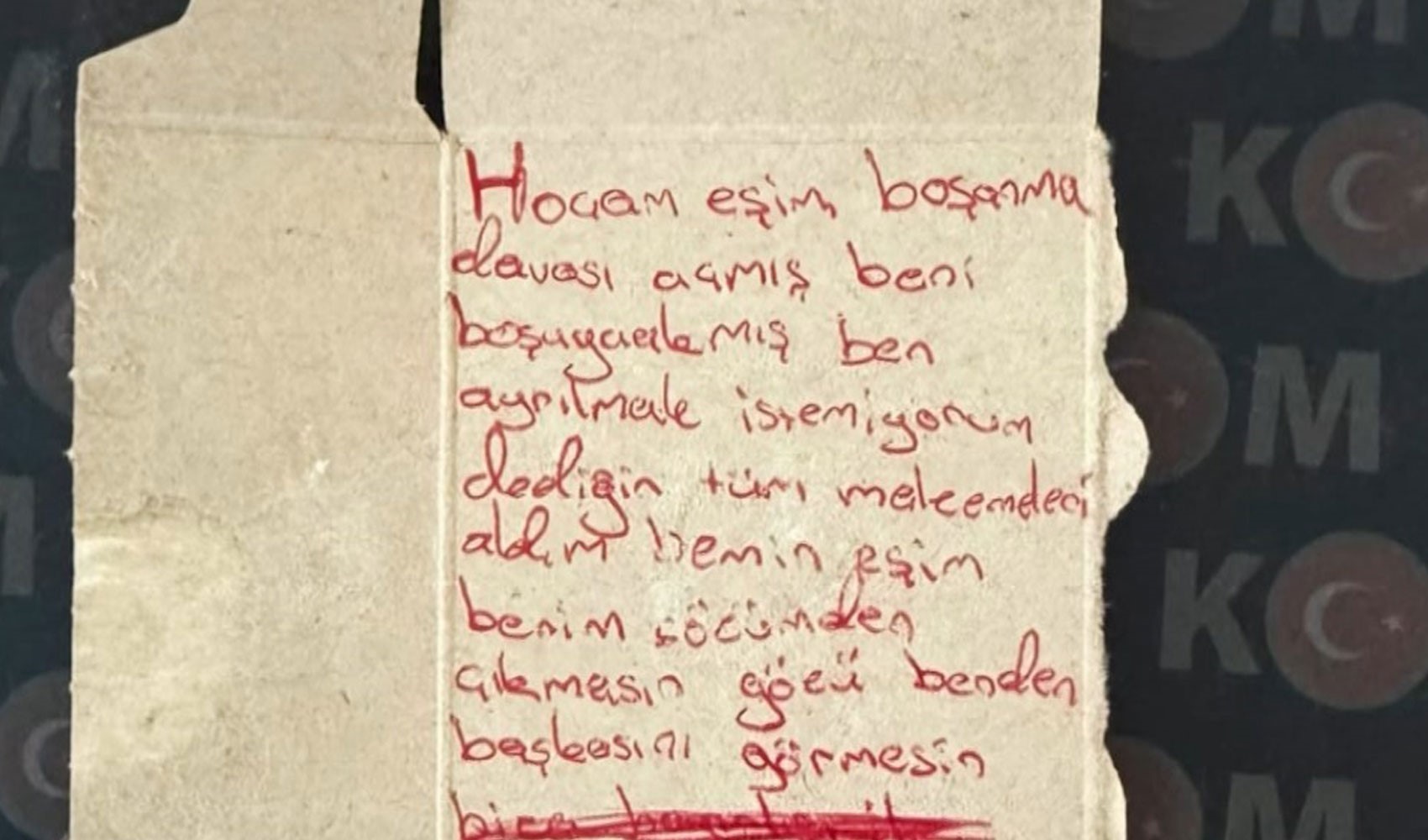
'Papers with spells and curses' operation: 'Master, my spouse filed for divorce'

Key figure in Epstein files found dead at home