



Although the passing of the Great Leader Mustafa Kemal Atatürk on November 10, 1938, plunged all of Turkey into mourning, his funeral became perhaps one of the most concrete demonstrations of his success in the field of diplomacy. Indeed, the interest shown by foreign countries in Atatürk’s funeral on November 21 would turn the principle of “peace at home, peace in the world” into a show of force.
In the days when Atatürk passed away, the world was being shaken by a new international crisis every day, and Europe was heading at full speed toward a new world war. Abyssinia had been occupied by the Italians in 1936. The civil war in Spain and the Japanese occupation in China were continuing at full speed.
Europe was clearly divided into two by the revisionist bloc led by Hitler and Mussolini. In those days, German, Italian, French, and British delegations rarely came together except for the crises caused by Hitler and Mussolini.
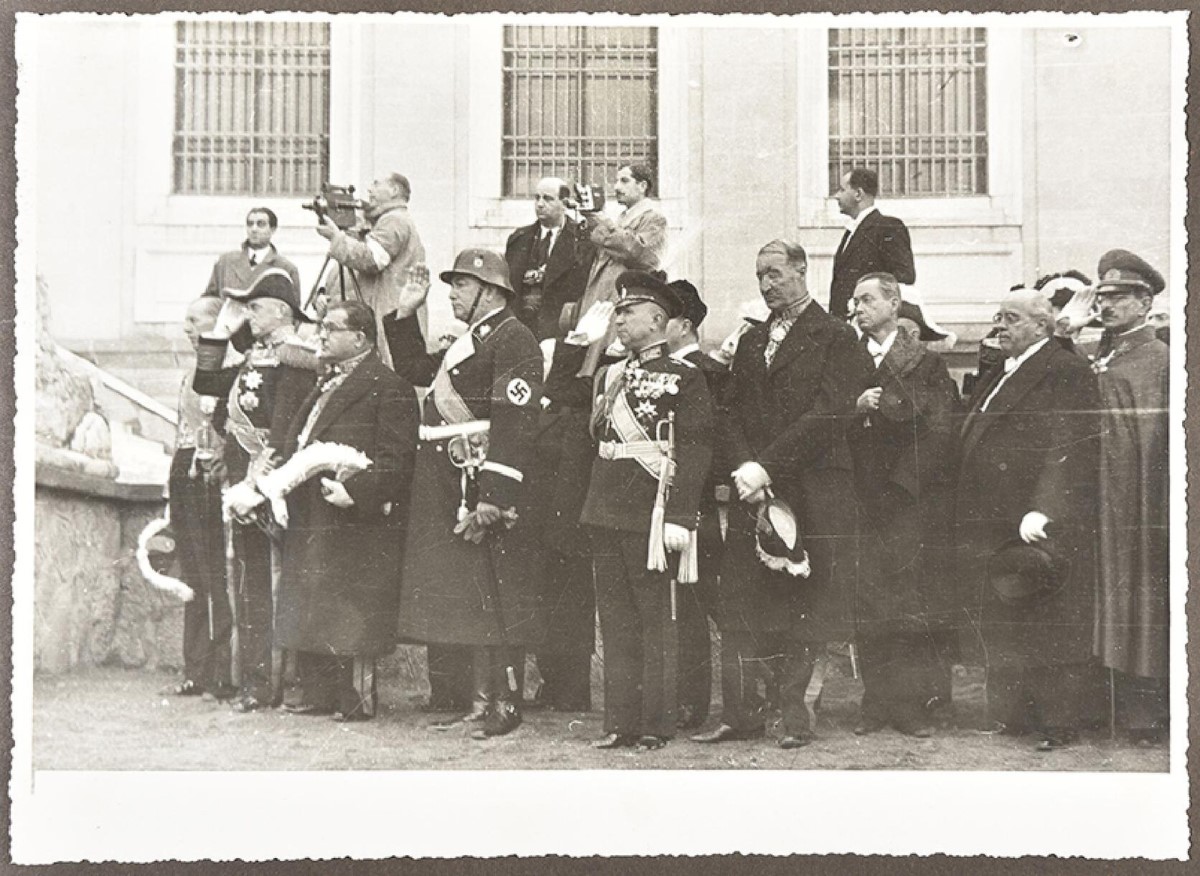 With Atatürk’s passing, this atmosphere of crisis would be paused, if only briefly. After all, in a rapidly polarizing world, Atatürk was a leader whom communists, fascists, and democrats alike took as an example and whose policies they admired.
For Italy and Germany, Atatürk was an unparalleled leader who had taken what he deserved by force and had drawn the fate of his own country with his own hands by refusing to bow to England and France. For both Mussolini and Hitler, the cancellation of the Treaty of Sèvres and the signing of the Treaty of Lausanne represented the sole example of their goals in foreign policy. Indeed, in the days when Atatürk passed away, they were taking back the concessions they had given during the Paris Peace Negotiations held after the First World War, piece by piece.
For England and France, on the other hand, Atatürk was a symbol of world peace. Although Turkey had once been their enemy, they wished for other leaders to follow the exact foreign policy that Atatürk had pursued after the War of Independence so that a catastrophe like the First World War would not be experienced again.
For Soviet Russia, Turkey had been a friend since 1920 and a partner in destiny in terms of their rebellion against imperialism. Stalin’s Russia tended to rarely establish friendships with non-communist countries. Turkey was an exception in this regard.
Atatürk’s funeral would be one of the last events where these countries, which were in a cold war with each other, met on a common ground and came together for a peaceful purpose.
The German cruiser Emden and the British capital ship HMS Malaya, along with Russian destroyers and warships from other countries, escorted the Yavuz, which carried Atatürk’s remains from Istanbul to Izmit.
In Ankara, military units from these rival countries would also march in harmony in a parade. On November 21, soldiers from the Greek, British, French, German, Russian, Bulgarian, Yugoslav, Romanian, and Iranian armies carried Atatürk’s remains to the Ethnography Museum alongside Turkish soldiers.
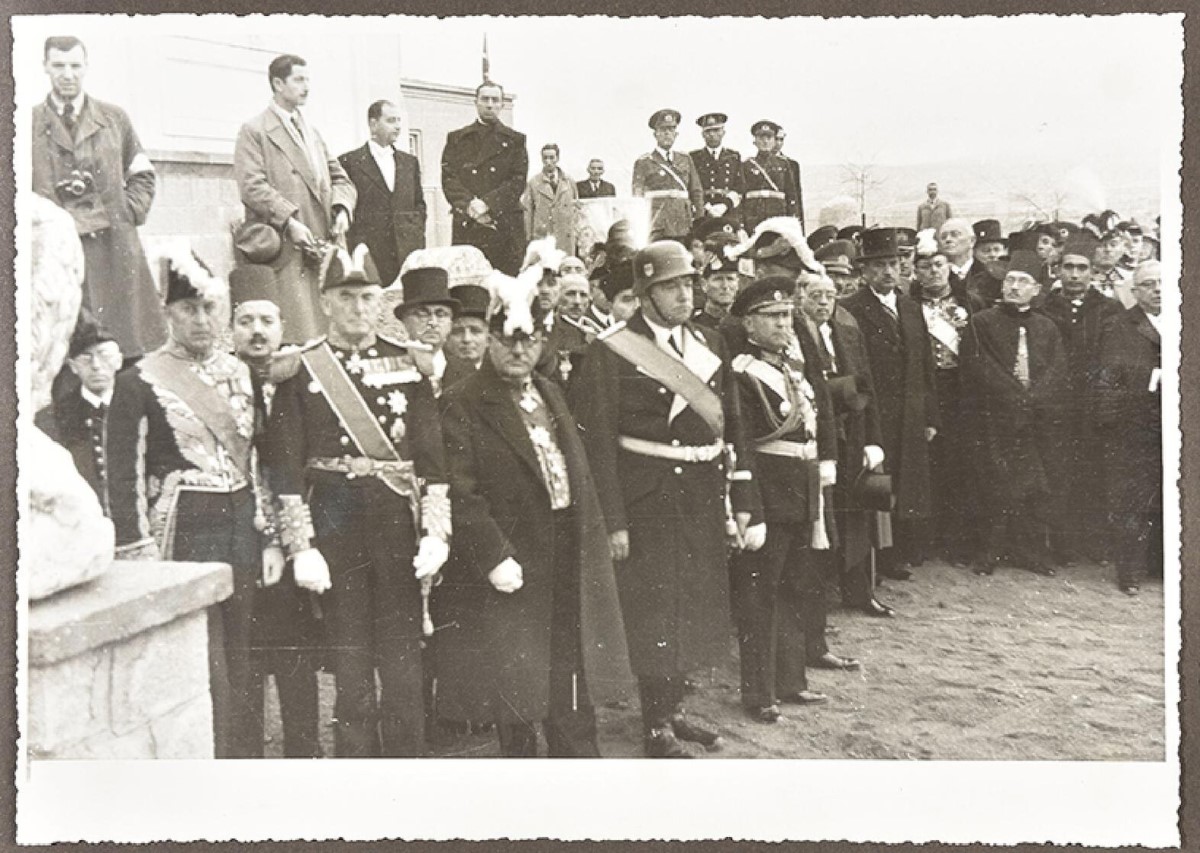
Military and civilian delegations from countless countries also respectfully saluted Atatürk’s remains. Such a portrait would not be seen again in the process leading up to the Second World War.
We can say that Atatürk’s funeral was proof of the success of the “peace at home, peace in the world” principle. Indeed, Turkey had become the center of peace, just as Atatürk had dreamed. However, this success would unfortunately remain limited only to Turkey.
With the end of the funeral, the delegations that had saluted Atatürk’s remains side by side took their places in opposing poles once again, and the process leading to the Second World War continued from where it had left off.
Turkey, however, did not deviate from the path drawn by Atatürk and knew how to remain outside the war that would break out a year later.
Most Read

Striking picture for Özgür Özel's 'New Party'

The PKK opening and Özgür Özel’s path!..

How did the newspapers view Özgür Özel's farewell to the CHP?

He killed his wife by slitting her throat: Their children witnessed the moments

What did the CHP do?

Özel’s new party move in the world press

Fire at TUSAŞ engine factory in Eskişehir under control

The New CHP, against CEHAPE

From self-efficacy to despair

Kılıçdaroğlu's first message on Özgür Özel's new party announcement