



Public-Private Partnership (PPP): Economic Development or a Black Hole in the Budget?
The Public-Private Partnership (PPP) model, which has been frequently debated on Turkey's economic agenda in recent years, has made significant contributions to our country's infrastructure, particularly through its implementation in bridges, highways, city hospitals, and energy projects. However, the economic dimensions of these projects and their impact on the budget are raising serious questions in the public eye. While dollar-based guarantee payments are becoming an increasingly heavy burden on the state budget, the sustainability of this situation is also a major subject of debate.
Although the PPP model may appear at first glance to be an effective method for accelerating economic development in cases where public resources are insufficient, it creates significant costs and problems in practice. In particular, guarantee payments and service fees clearly demonstrate that these projects are profitable for the contractor companies but result in damaging consequences for public finance.
Revision of Existing Contracts is Essential
Today, the vast majority of projects carried out under the PPP model in Turkey are bound by contracts that include high compensation liabilities. Terminating these contracts would further increase the burden already present on the budget and damage our country's credibility in international markets. However, this does not mean that nothing can be done.
Renegotiating the guarantee amounts and service fees in the contracts is one of the most important steps to be taken to ensure the economic sustainability of these projects. In particular, the effective use of arbitration mechanisms and making changes to these contracts that prioritize the public interest could minimize the state's losses.
Another alternative is to remove the arbitration clause through legal regulations. With this method, disputes related to PPP projects could be resolved in domestic courts, and contract provisions could be reviewed. This would both increase the competence of the independent Turkish judiciary and make it possible to establish a fairer system without shaking the confidence of foreign investors in our country.
New PPP Models: Stepping More Firmly Toward the Future
Traditional models of PPP projects have begun to be abandoned globally. In particular, the PFI (Private Finance Initiative) model developed by the UK and the Present Value of Revenue (PVR) method offer remarkable alternatives in this field.
While the PFI model allows the private sector to take on a greater financing burden in projects, the PVR method makes contract durations indefinite. With this method, the contract ends when the contractor firms achieve the revenue they determined at the tender stage. Thus, costs arising from long-term commitments are avoided. It is essential for Turkey to examine such innovative models and develop a system suitable for its own needs.
Where is the Public Interest?
One of the fundamental problems underlying the massive costs generated by PPP projects is the disregard for public interest. From the planning stage of projects, the effective use of public resources and the prioritization of social benefit are necessary. However, in the projects carried out to date, clauses that guarantee the profits of companies have become elements that increase public loss.
In this context, one must ask: Why has a transparent and accountable oversight mechanism that prioritizes public interest not been established for these projects? In every project where public resources are used, the long-term benefits of these investments, which are financed by citizens' taxes, must be clearly demonstrated.
Conclusion: No Solution Without Transparency and Justice
When applied correctly, PPP projects can contribute to the effective use of public resources and economic development. However, in Turkey, this model has unfortunately been implemented in a way that is far from transparent and places public interest in the background.
A comprehensive reform is essential for such projects to be implemented in a more sustainable, fair, and accountable manner in the future. Otherwise, PPP projects will be nothing more than a black hole in the budget.
Most Read

Striking picture for Özgür Özel's 'New Party'

Özgür Özel gives a dated response regarding the number of resignations

Forest fire in Antalya brought under control

The PKK opening and Özgür Özel’s path!..

How did the newspapers view Özgür Özel's farewell to the CHP?
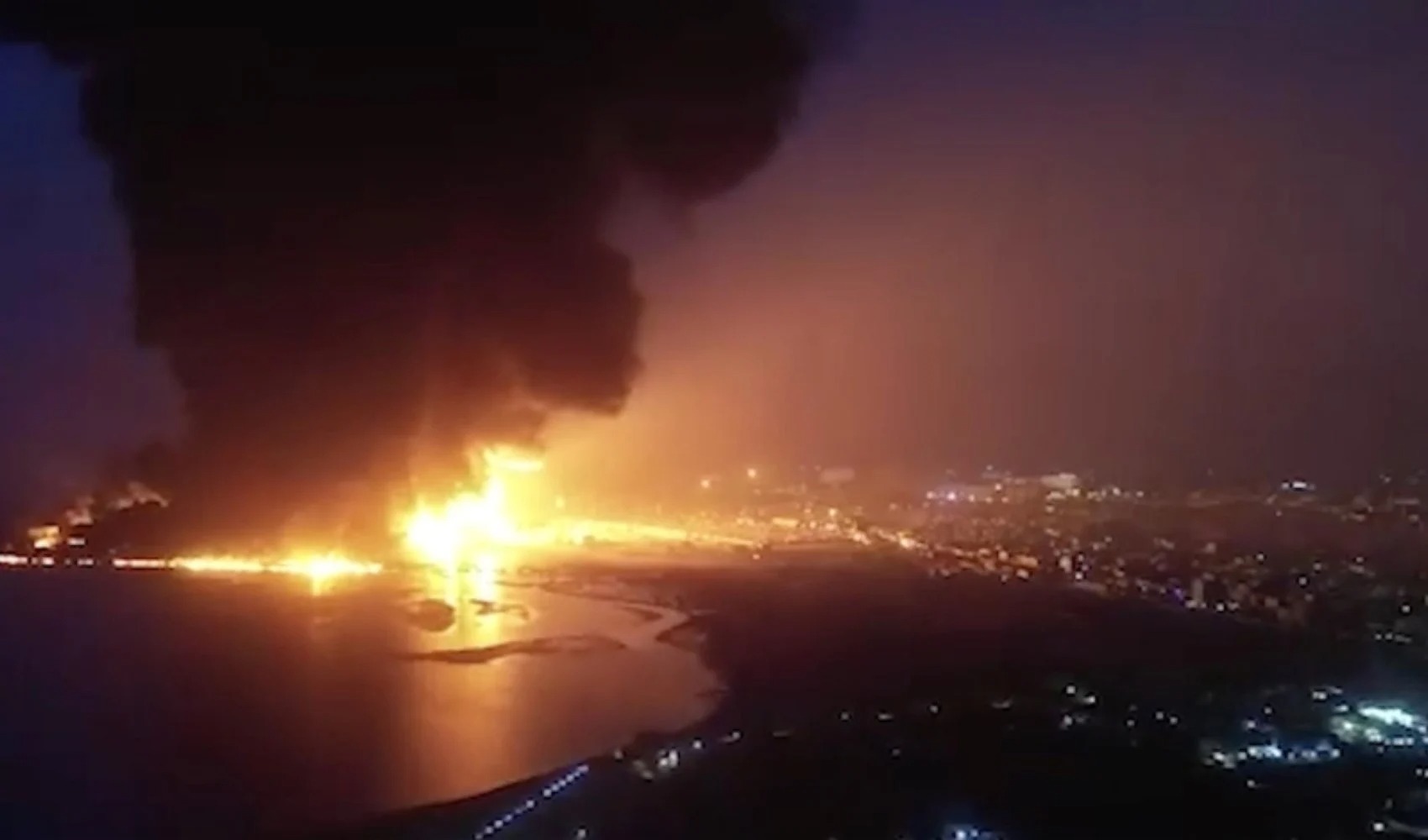
Houthis strike Saudi-owned tanker

What did the CHP do?

Özel’s new party move in the world press

The New CHP, against CEHAPE

From self-efficacy to despair