



The Turkish economy has undergone a serious transformation within the framework of supply-side economics and neo-liberal policies imposed under the January 24, 1980, stabilization measures. As a result of fundamental fiscal policies, the tax burden was shifted from high-income groups to low-income groups. A choice was made here. The burden of achieving balance in income distribution, price stability, and full employment—the general goals of economic policies during the process of economic development and growth—was placed upon wage earners and retirees.
Indeed, while in 1980, taxes collected from expenditures (indirect) accounted for 37.2% and taxes collected from income (direct) accounted for 62.8%, today, as a result of this colonial and unjust approach, taxes collected from expenditures (indirect) have reached 75%, while taxes collected from income (direct) have fallen to 25%. In other words, while wage earners, retirees, and the public paid 37.2% of taxes in 1980, they pay 75% today. While the capital class paid 62.8% of taxes in 1980, they pay 25% today.
As can be seen, the policy of increasing indirect taxes and reducing direct taxes has ruthlessly and unfairly lifted the burden from capital and placed it upon wage earners and retirees.
The political power, which is the continuator and defender of these policies, continues to impoverish wage earners and retirees in an unjust and unlawful manner. If this process is not stopped, wages may eventually be frozen as well. The political power has been testing this situation for a long time. Whenever a fiscal discipline problem arises as a result of the waste and corruption that are reflections of the political power's own economic and fiscal policies, it immediately turns to the low- and middle-income groups to solve this problem. First and foremost, it reduces the wages of employees and retirees and the income of the broad masses of the public—in the final analysis, the return on labor—and increases the tax burden.
As a result, impoverishment is gradually spreading to the base. While the value-added of labor income is high, its share of income is being reduced to below 25%. Thus, for 44 years, labor income has been continuously transferred to the capital sector.
There is no change in the policies being implemented; however, the crises that previously occurred every 5 or 10 years have been made permanent under the AKP government, and by consciously impoverishing wage earners, retirees, and the broad masses, macroeconomic problems are once again being loaded onto the backs of the poor. After a while, this situation will lead the broad masses to question the government, the parliament, democracy, justice, and the law, and the people will find a solution within themselves.
Most Read

Striking picture for Özgür Özel's 'New Party'

Özgür Özel gives a dated response regarding the number of resignations

Forest fire in Antalya brought under control

Houthis strike Saudi-owned tanker

4 drones shot down near US Consulate General in Erbil

Özel’s new party move in the world press

The new rule of the field: Attrition
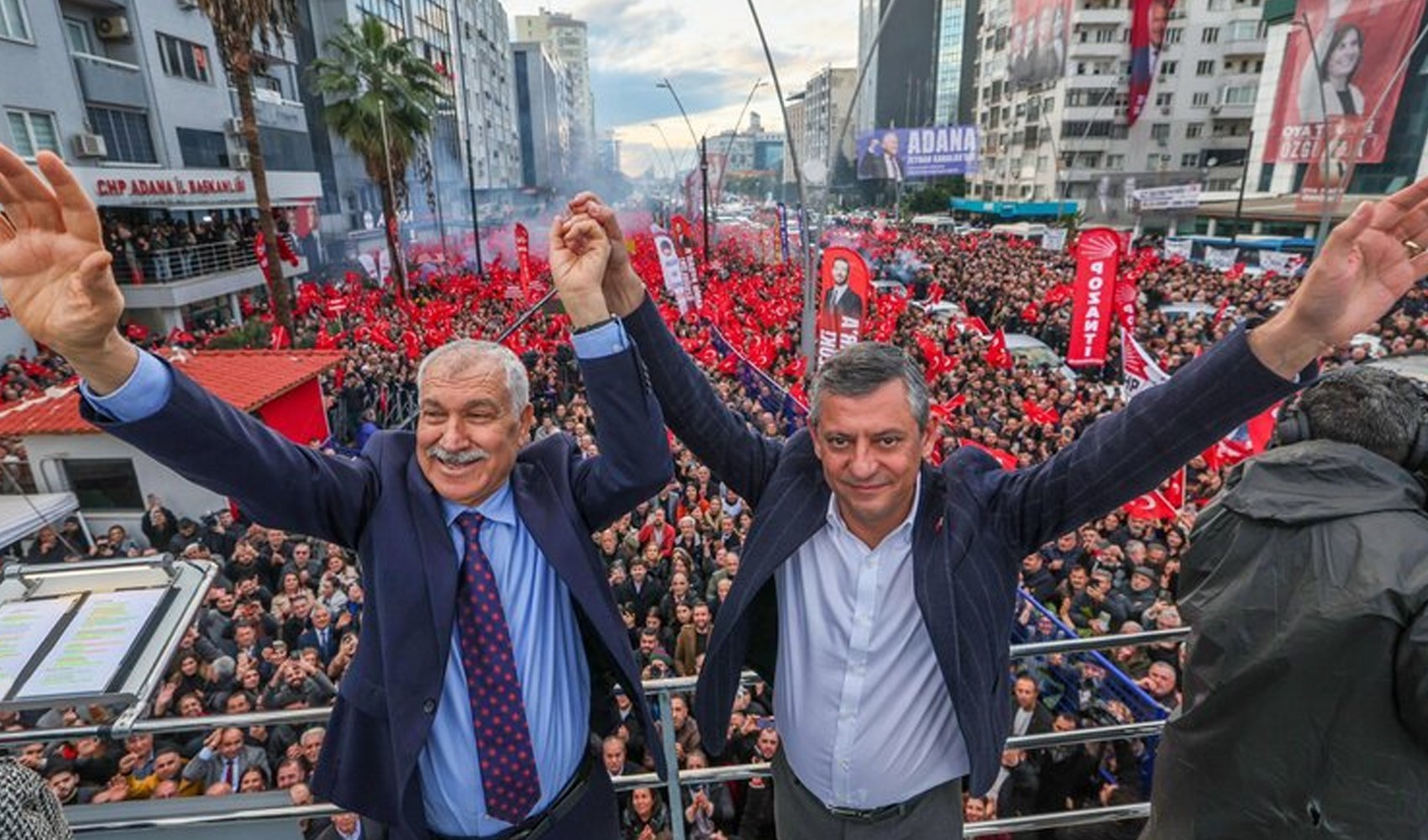
Zeydan Karalar's decision on the New Party

Key figure in Epstein files found dead at home

Famous director Ezel Akay and his brother have been detained