



How can surplus value created by low-value-added production and non-productive capital based on services—primarily finance—coexist? Is this dialectic sustainable for long?
For the Turkish economy, answering these questions is not difficult.
First, low value-added production can only generate high surplus value through inflation and inequality. The extent to which this surplus value is extracted by "Core" countries versus how much of it creates rent domestically is determined by the existing historical conditions, legal frameworks, and democratic relations within society.
Let us illustrate this observation with a historical example.
When the Great Depression of 1929 began, Turkey was struggling both to pay the first installment of the debt remaining from the Ottoman Empire (as required by the Treaty of Lausanne) and to cope with export prices in agriculture that had fallen by around 60 percent. Consider this: a global depression and two other catastrophic problems. Despite these, and despite a 10.6 percent decline in 1932, the average growth between 1933 and 1942 was 5 percent. Moreover, this growth was achieved with inflation that did not even reach 5 percent. We accomplished this with the industrial plan prepared in 1933 with the help of Soviet planners. We achieved this result by producing the fundamental goods of industrialization, such as textiles, food, leather, paper, chemicals, cement, glass, and lime. Furthermore, the influence of the İş Bank, established in 1924, on financing and the monetary policy of the Central Bank in 1930 were highly effective. Although the exchange rate did not lose much nominal value against the dollar, it lost value in real terms. Therefore, inward-looking, state-led public policies achieved a major breakthrough in industrialization without significantly altering the exchange rate.
It is known today that the constantly fluctuating exchange rate can only be kept stable through reserve accumulation within a neoliberal policy framework. Following the incorrect monetary policies implemented after December 2021, the preference for growth alongside accelerating inflation—under conditions where interest rates were lowered, reserves evaporated in a short time, and the exchange rate rose rapidly—proved costly. The administration of Minister Şimşek, now approaching two and a half years, targeted pension salaries and fuel prices as soon as it took office. The real reduction of wages and salaries and the increase in indirect taxes were accompanied by a high-interest-rate process. Political crises increased the inflation crisis and uncertainty in the economy. Furthermore, accumulating reserves through high interest rates offered to foreign short-term capital cannot achieve disinflation. This is because the increasing inequality and the rent distribution mechanism have differentiated the inflation experienced by wage earners from that of the wealthy.
In addition to service inflation, CPI indices flared up again last month at 3.23 percent. A new fiscal policy that reduces inequalities is needed for a way out. Because one-dimensional monetary policy cannot curb inflation. Although this is known, the failure to expand the disinflation program is significant. Perhaps one should consider the resurgence normal when there is no desire to reduce inflation despite growth. In the coming months, it seems difficult for monthly inflation to fall below 2 percent. In fact, monthly inflation above 3 percent is now a common occurrence.
First, returning to our initial historical example: We must face the inflation problem just as we did during the external crisis of 1929. Subsequently, the state must direct production, especially in basic goods, just as it did in the 1930s. The state possesses sufficient tools to increase agricultural production. It must also direct distribution by leveraging economies of scale.
A comprehensive program is required. In this program, agricultural and industrial policies must come to the fore as much as monetary policy. There is a need for new touches in fiscal policy to repair inequalities. For example, applying high taxes on rent income and implementing a wealth tax equally on a specific policy basis...
Most Read

Striking picture for Özgür Özel's 'New Party'

Özgür Özel gives a dated response regarding the number of resignations

Forest fire in Antalya brought under control

Houthis strike Saudi-owned tanker

4 drones shot down near US Consulate General in Erbil

Özel’s new party move in the world press

The new rule of the field: Attrition

Famous director Ezel Akay and his brother have been detained
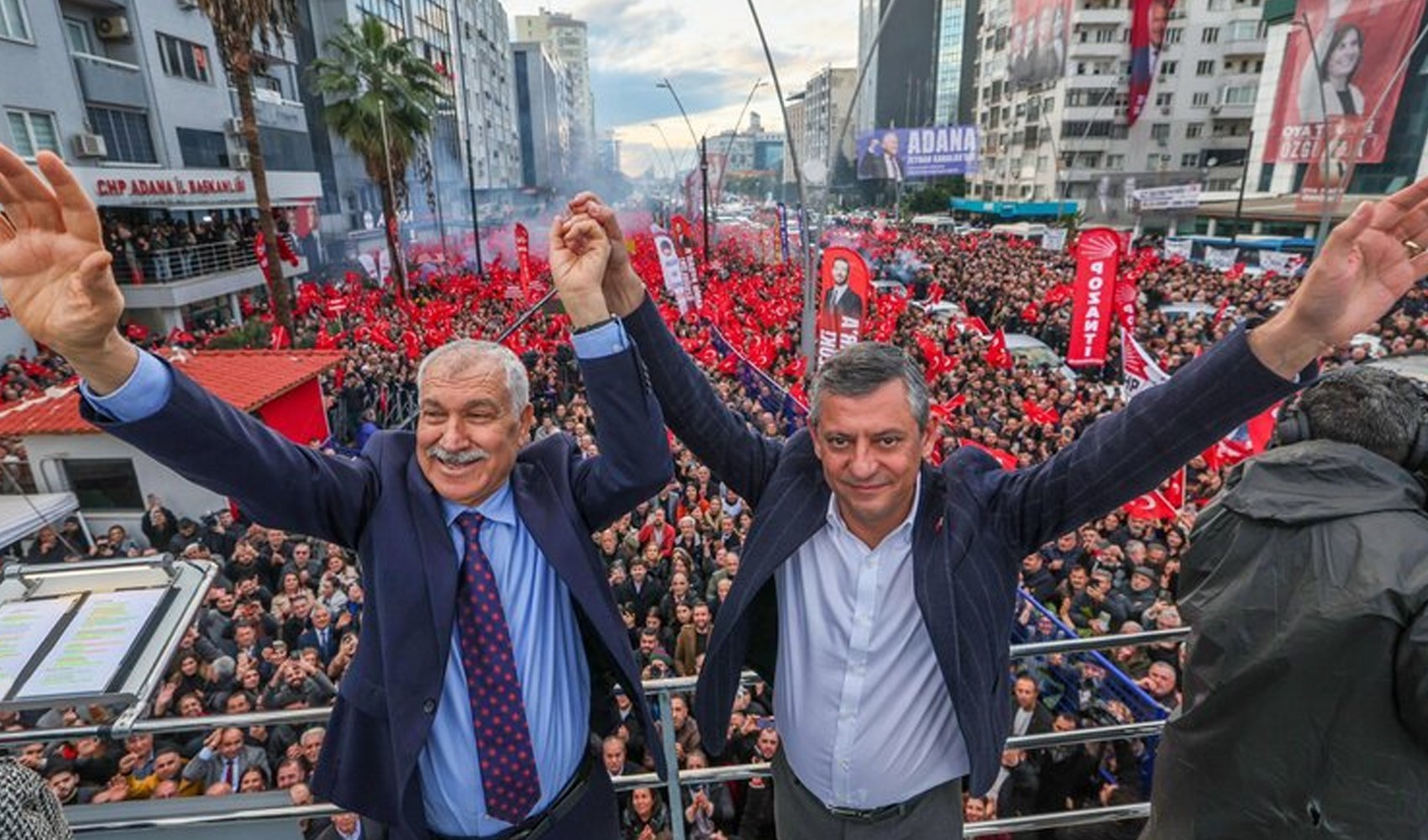
Zeydan Karalar's decision on the New Party

'Papers with spells and curses' operation: 'Master, my spouse filed for divorce'