



Whether one emphasizes historical depth or, citing Ibn Khaldun, says “Geography is destiny,” no matter how you look at it, Turkey is a special, unique country. It possesses a culture so rich and an accumulation of knowledge so vast that it cannot be confined to a single political, historical, social, or cultural identity.
It is multifaceted and multi-identitied. It is both Asian and European. It is both Eastern and Western. It is both Black Sea and Mediterranean. In one aspect, it is Eurasian; in another, it is Middle Eastern. Its west opens to the Balkans, its east to the Caucasus. This diversity, this richness, and this depth have naturally been reflected in Turkish culture, Turkish cuisine, and Turkish music. There has been only one leader in our history who knew this magnificent accumulation best, who brought it to the forefront in politics, culture, language, history, and geography, and who utilized it in the most accurate way in foreign policy: The great leader Gazi Mustafa Kemal Atatürk.
This is because the great revolutionary’s knowledge of geopolitics and strategy was as high as his intellectual diversity—spanning history, politics, philosophy, sociology, economics, military science, geography, and mathematics—and his vast accumulation of knowledge in these fields. As an elite intellectual, he grasped very well the importance of transforming knowledge into consciousness, as well as the relationship and integrity between different disciplines. Thanks to this, he went down in history as a genius of timing in the steps he took.
For this reason, Atatürk—as a revolutionary who attached great importance to the will of Parliament and parliamentary administration, and who led the War of Independence by establishing the Parliament—always took the Parliament into account during the foreign policy-making process. He valued the contribution of the Parliament in the formulation and implementation of foreign policy. Turkish foreign policy has been debated in the Parliament in all its dimensions since the establishment of the Grand National Assembly of Turkey (TBMM). Moreover, foreign policy issues were discussed in the Parliament, not just within the government, the cabinet, the ruling party’s administration, or the ruling party’s parliamentary group. During the Atatürk era and afterwards, presidents included detailed coverage of foreign policy in their speeches at the opening of each parliamentary year. During budget negotiations, the Ministry of Foreign Affairs provided comprehensive and detailed answers to all questions from deputies belonging to different parties in the Parliament.
Because a foreign policy determined by a broad consensus in the Parliament and pursued by the government based on this consensus both gains the support of the nation and becomes a solid, strong, and accurate foreign policy, as it is decided after being widely debated in the public sphere and after the opinions of all parties in the Parliament and the public are taken.
Because when a foreign policy—determined as a result of debates held by the government and opposition in the Parliament, and by the public, experts, scientists, journalists, and commentators through the media—gains the will of the Parliament behind it, the government’s hand is also strengthened.
Because when the government defends an issue abroad, it both sits at the negotiating table with the parliamentary majority behind it and does not carry the worry or anxiety that “the opposition will attack me because of this foreign policy I am implementing and wear me down in domestic politics.”
In short, in the words of Atatürk, “The Parliament is not a theory; it is a reality. It is the greatest of realities.”
Most Read
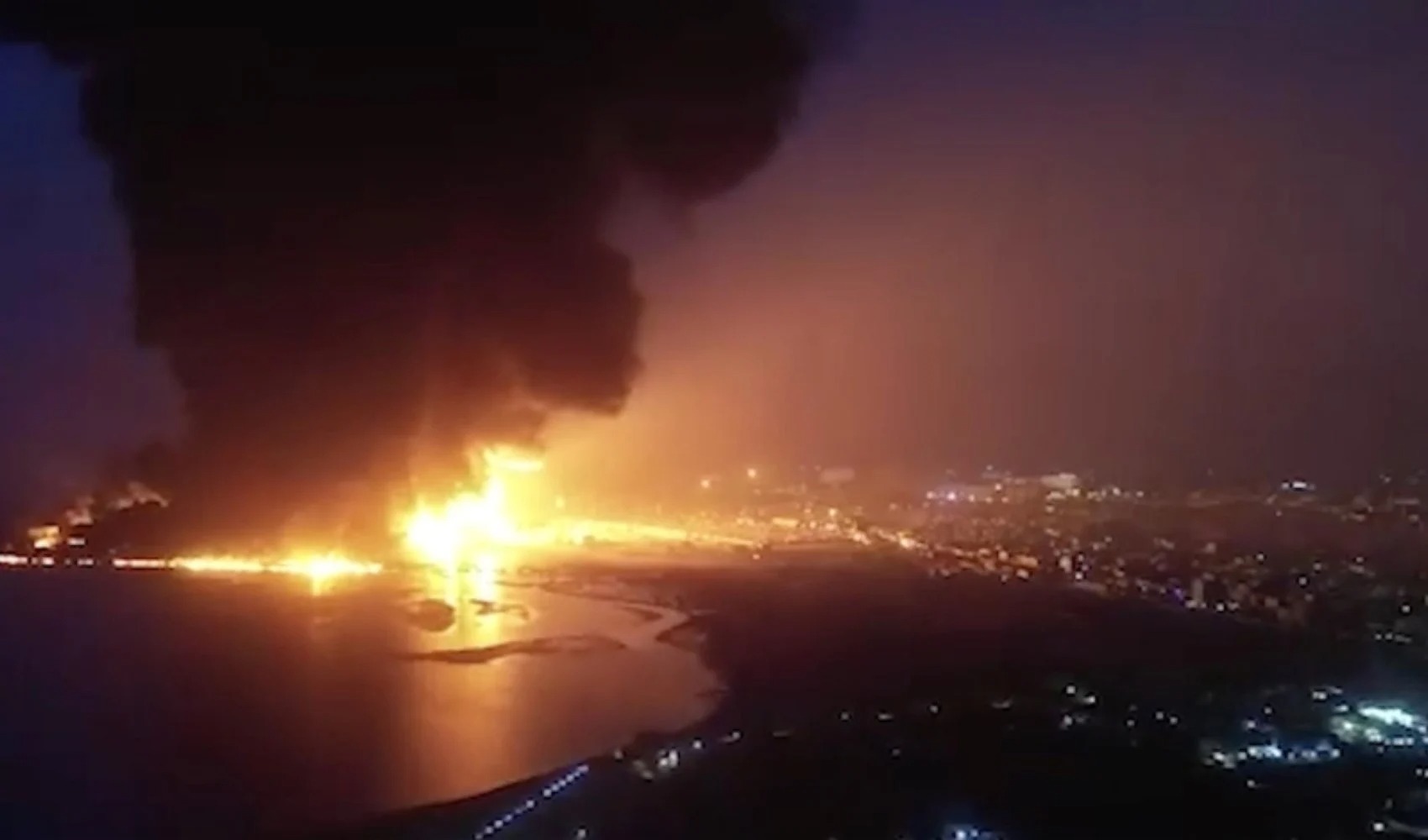
Houthis strike Saudi-owned tanker
It never ends: Another FETÖ memory

4 drones shot down near US Consulate General in Erbil

A mind fixated on leggings...
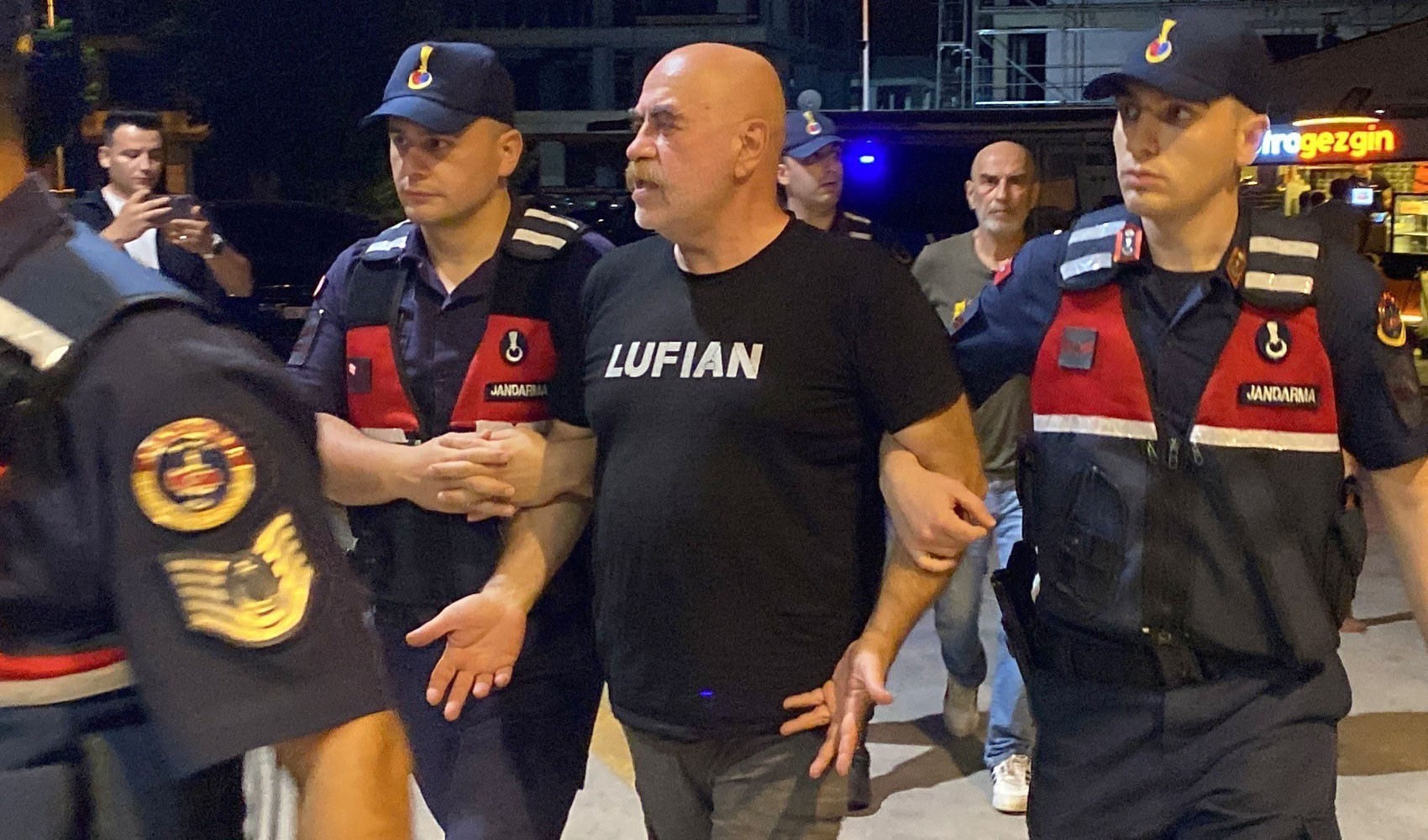
Famous director Ezel Akay and his brother have been detained
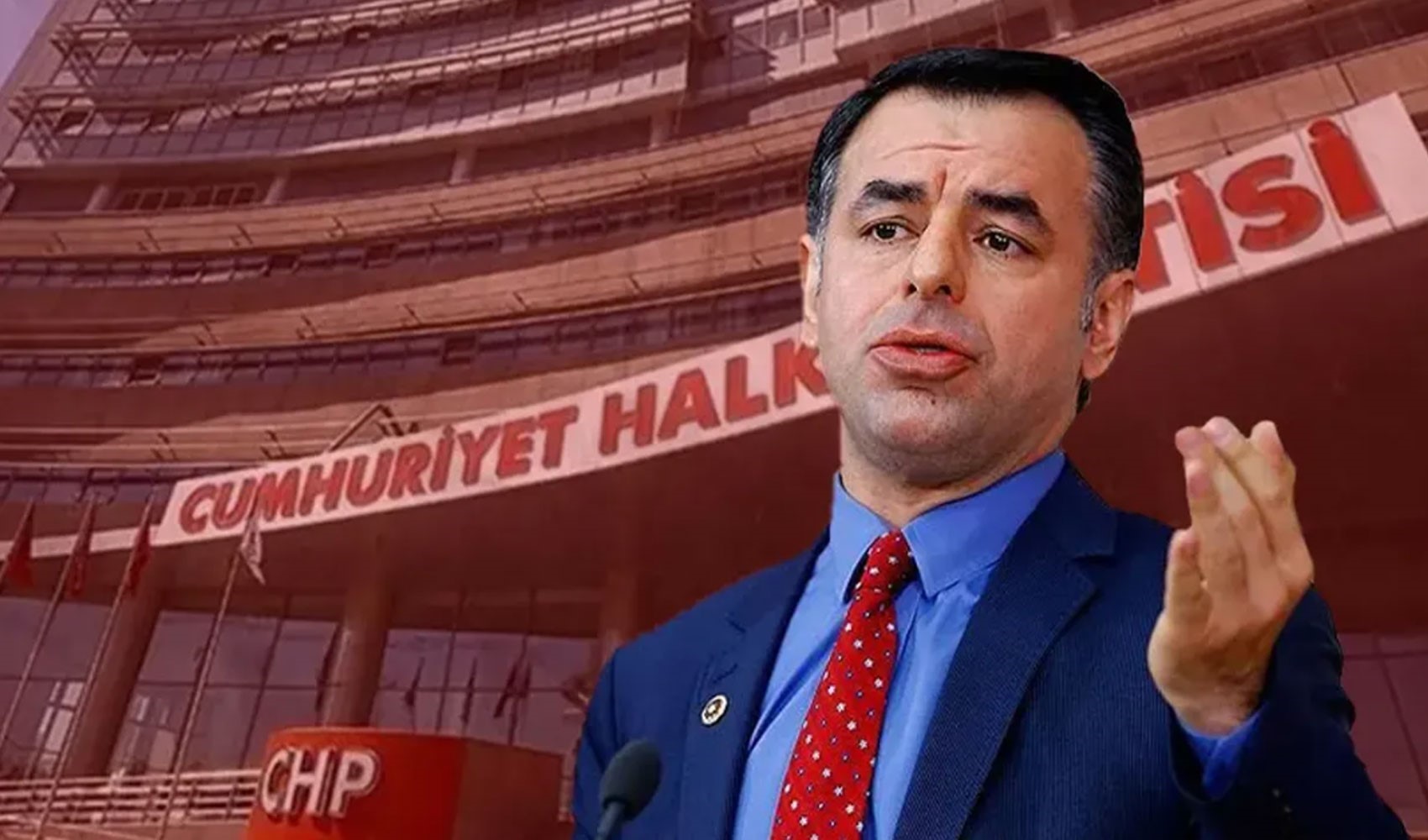
He announced which municipalities will join the 'New Party', the Istanbul detail drew attention
The official, rumored to be switching to the AKP, has begun a persuasion tour
A critical distinction in the claim about eating out
CHP's mass SMS move in response to Özel's new party decision
The debates within the CHP do not interest me at all