



LITHIUM IN TERMS OF RENEWABLE ENERGY SOURCES
When we take a closer look at the rapid energy transition across the world, lithium stands out as one of the first elements that comes to mind, the most sought-after, and the scarcest in the field of renewable energy. Belonging to the alkali metal group and known as the lightest metal, the discovery and extraction of lithium are of great importance for enabling the transition to sustainable and clean energy sources in the energy sector.
Lithium, which plays a vital role especially in the batteries of electric vehicles and renewable energy storage systems, is used as an alloy in the construction of light and strong materials in the aerospace industry. Furthermore, its use as a coolant and moderator in nuclear reactors further increases its significance. Since the environmental impacts of lithium mining and its limited reserves require this valuable resource to be managed in a sustainable and responsible manner, the methods of obtaining lithium bring many question marks and protests along with them.
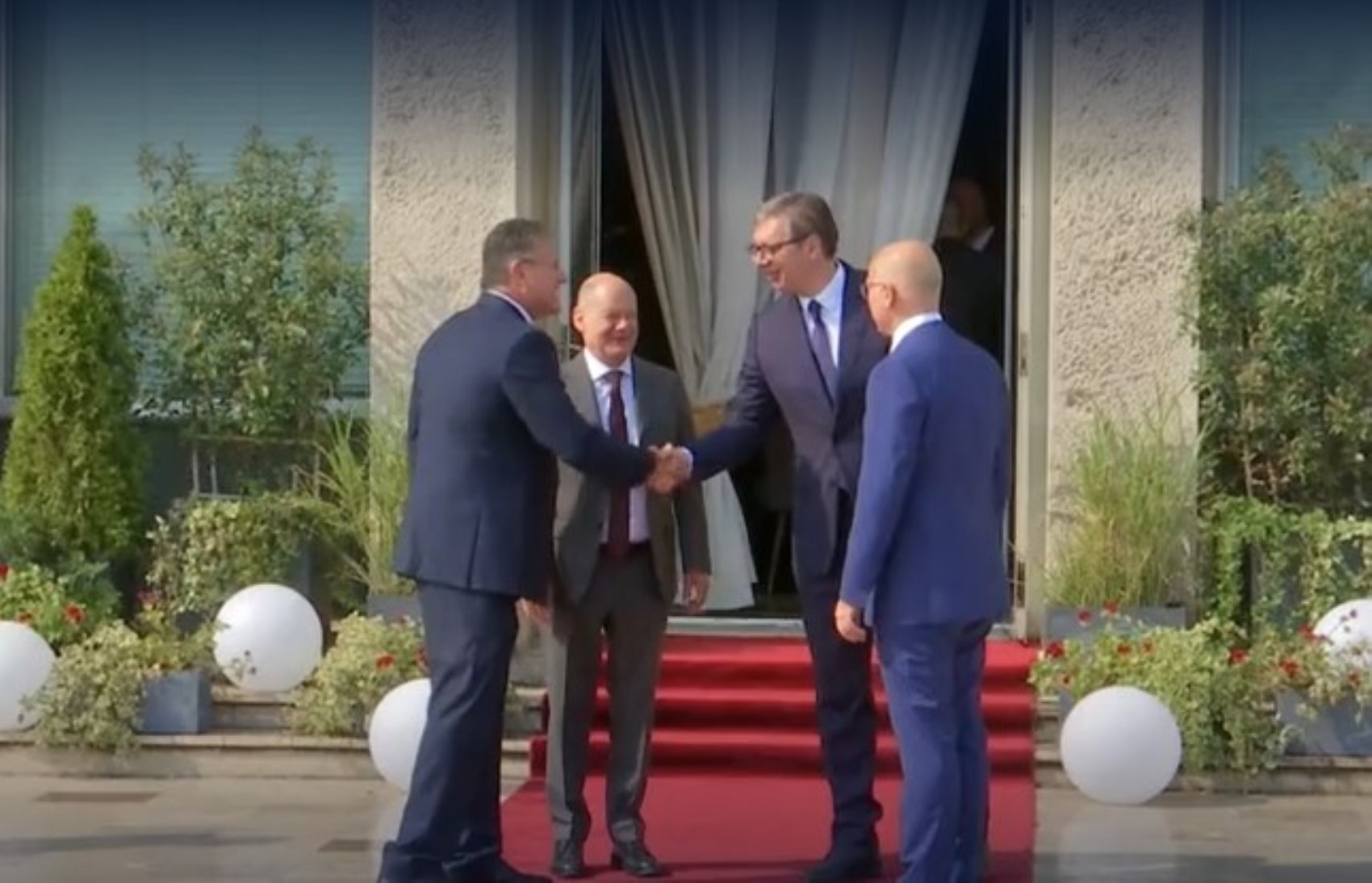
However, despite the protests, the European Union and Serbia are planning to jointly extract lithium from one of Europe's largest lithium deposits. The value of the lithium deposits, which are intended to be used particularly in battery production for electric vehicles, is estimated at several billion Euros. Within the framework of this goal, German Chancellor Olaf Scholz, Serbian President Aleksandar Vucic, and EU Commission Vice President Maroš Šefcovic met in Belgrade and signed a declaration of intent that will make it possible to jointly extract and process this light metal, which is considered valuable by the whole world, in the Jadar Valley in western Serbia.
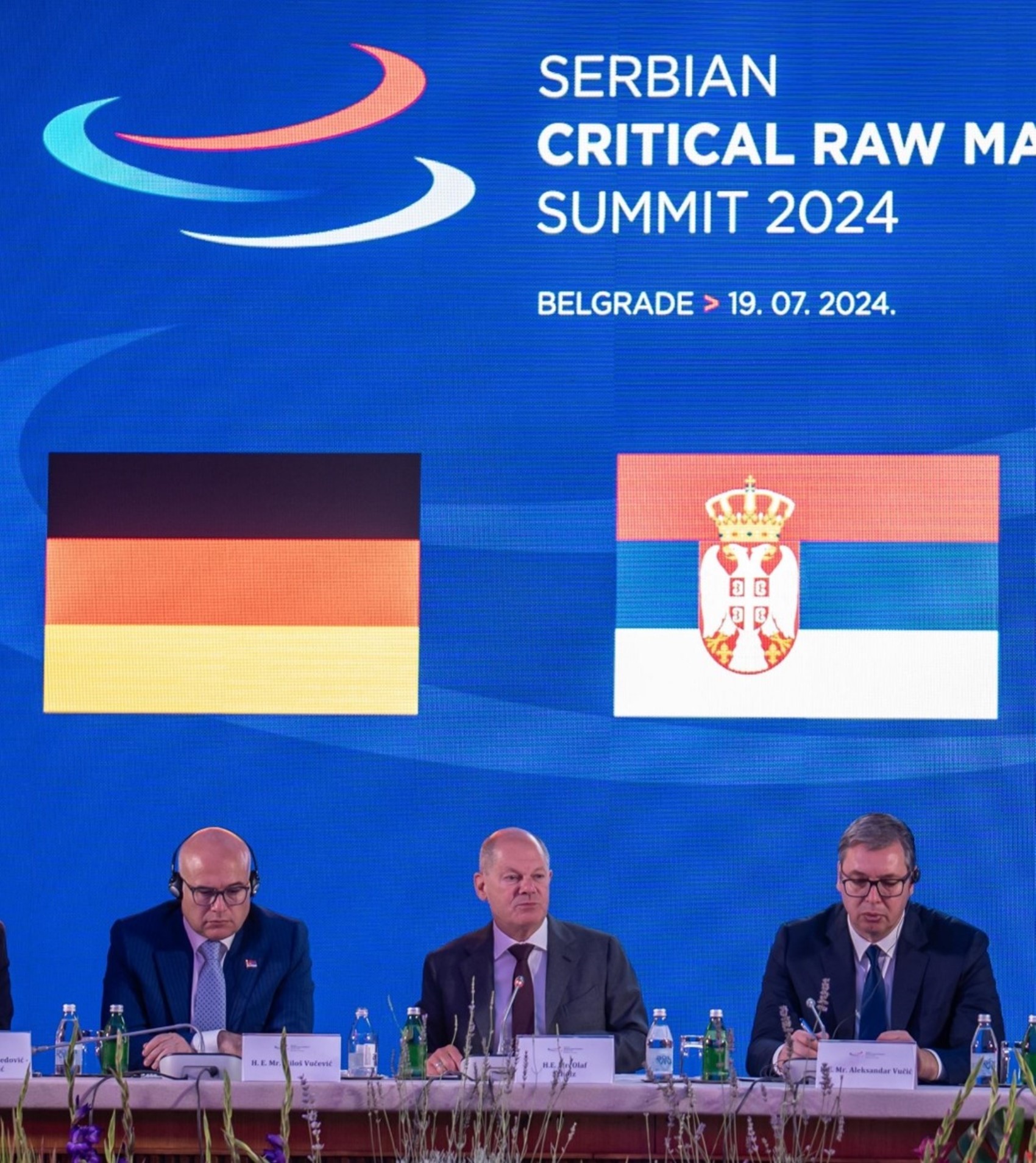
While environmentalists in Serbia are showing great resistance to the project, Scholz said that the project would comply with the "highest environmental protection standards" and that they would truly ensure this is the case. EU Commission Vice President Šefcovic described the agreement as a step by Serbia toward the EU. Serbian President Vucic said, "This is a turning point for us. The agreement will be a great leap forward for Serbia and will provide more than our previous expectations."
LITHIUM FOR MORE THAN ONE MILLION ELECTRIC VEHICLES PER YEAR
This agreement will be the largest foreign-sourced investment deal in Serbia's history. The goal of the Belgrade government is to create a value chain extending from the extraction of raw materials to battery production. According to President Vucic, the operationalization of this production chain means six billion euros in state revenue, job opportunities, and new investments for Serbia. Confirming the President's expectations, Scholz added to their commitments that a battery factory would also be established in Serbia.
Another country aspiring to operate the lithium deposits in Serbia is China. Although President Xi Jinping also traveled to Belgrade for this purpose last May, it was the European countries that successfully concluded the negotiations with Serbia. While this gain is seen as a great success, especially by Germany, it is thought that the common working ground created could also be reflected in other raw material projects.
The primary goal of Germany and the EU in this project is to reduce their dependence on China. China, the world's second-largest economy, holds a large portion of lithium resources under its control. This forces many countries to become dependent on China.
RIO TINTO AND SERBIA
The story of the agreement made with Serbia dates back a bit further. Three years ago, the Australian-based Rio Tinto, one of the world's largest mining firms, had obtained the right to operate the lithium deposits in the Jadar Valley as a result of an agreement it made with the Serbian government. However, due to violent protests in the country, the Serbian government canceled all permits related to the project in 2022. Following this permit cancellation, which caused Rio Tinto to stop its work in the region, the Serbian state was found to be in the wrong in the case taken to international courts by the Australian firm, and work was restarted within the framework of the signed contract.
According to the estimates of Rio Tinto, which plans to invest billions of dollars in the region to operate the lithium deposits, 58,000 tons of lithium are expected to be obtained from the region annually. According to Serbian media, this amount of lithium is at a level that will meet the needs of 1.1 million electric vehicles. This amount corresponds to approximately 17 percent of the total electric vehicle production in Europe. The purpose of the agreement that European countries made with Serbia is to get involved in the Australian mining firm's project. Within the scope of the project, automobile manufacturers Mercedes-Benz and Stellantis have started negotiations to reach an agreement with Rio Tinto.
ENVIRONMENTAL PROTESTS
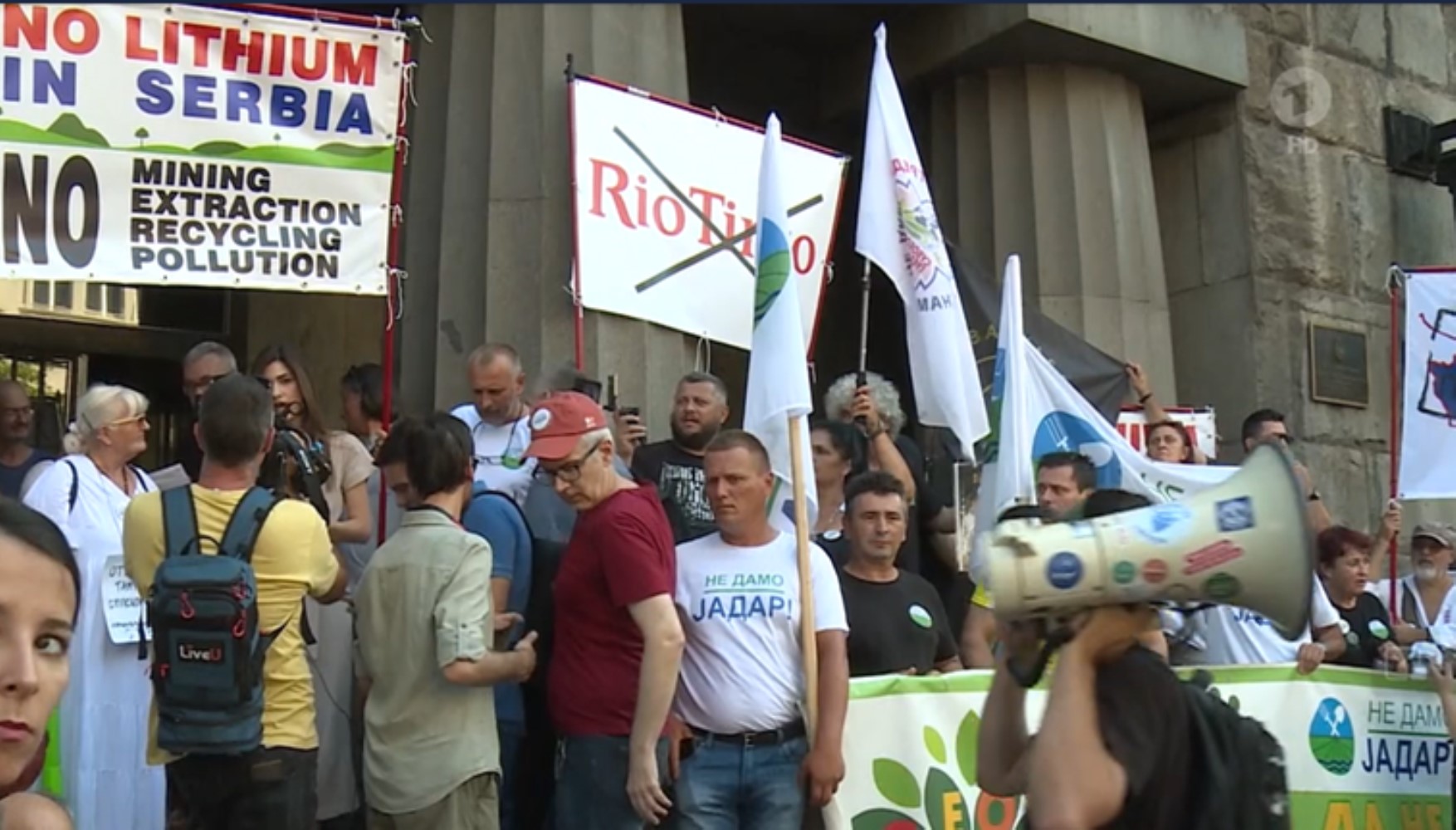
The project is quite controversial for environmentalists. Environmentalists say that lithium mining pollutes groundwater with heavy metals and therefore poses a danger to the drinking water supply in the region. Aleksandar Jovanovic Cuta, a representative of the environmental organization Ecological Uprising, describes the agreement as "a death sentence that will end life in the region." Although environmentalists wanted to protest in front of the presidential palace during the ceremony, they failed to reach the palace, which had been extensively cordoned off.
LEGAL DIMENSION
Another concern is the legal dimension of the project. Citing a constitutional court decision that overturned the suspension of the lithium project in 2022, the Opposition stated that it found the decision to sign the project in just a few days suspicious in terms of the independence of the courts. Attaching importance to the lithium extraction plans that led to mass protests in Serbia, the Opposition says that the West is trying to curry favor with Vucic due to the raw material partnership. The Opposition accuses the Serbian president of weakening the principles of democracy and the rule of law, and also of being pro-Russian.
FUTURE
How a Europe aiming to become independent from China and countries wanting to integrate into Europe through new agreements will shape the world is among the questions of the coming years whose answers are awaited with curiosity.
Most Read

Striking picture for Özgür Özel's 'New Party'

The PKK opening and Özgür Özel’s path!..

How did the newspapers view Özgür Özel's farewell to the CHP?

He killed his wife by slitting her throat: Their children witnessed the moments

What did the CHP do?

Özel’s new party move in the world press

Fire at TUSAŞ engine factory in Eskişehir under control

The New CHP, against CEHAPE

From self-efficacy to despair

Kılıçdaroğlu's first message on Özgür Özel's new party announcement