



The 'Aspides' military operation planned for the Red Sea against the Houthis has been approved by the foreign ministers of EU member states. 'Aspides' is a word of Latin origin that translates to 'Shield'.
The purpose of deploying European warships in the region as part of the Aspides operation is to protect commercial vessels from Houthi attacks and restore the security of commercial shipping traffic in the Middle East.
GERMANY TO PARTICIPATE IN THE OPERATION WITH THE 'HESSEN' FRIGATE
Equipped with air defense missiles, the Hessen Frigate is 143 meters long. According to statements from the German Ministry of Defense, the Hessen Frigate, which possesses weapon systems capable of hitting targets at a distance of 160 kilometers, is a ship specifically designed for convoy protection and maritime area control. Thanks to its special radar system, it will be able to monitor an airspace the size of the entire North Sea.
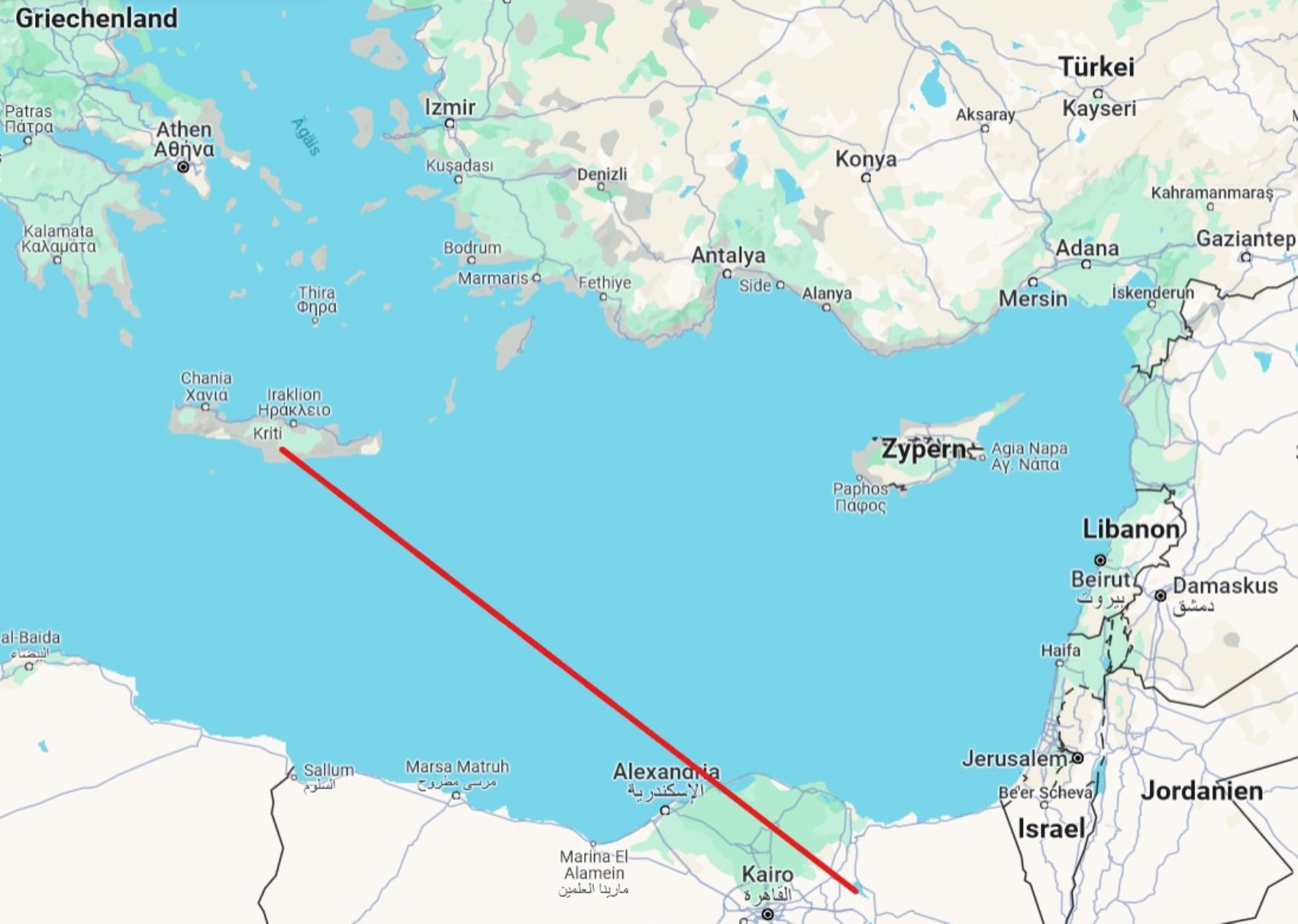
The warship, which carries approximately 240 military personnel, set sail from Wilhelmshaven toward the Mediterranean on February 8 for this mission. The operational authorization required for the Hessen Frigate, which most recently docked at a port on the Greek island of Crete, is expected to be approved by the Federal Parliament this Friday.
It was also reported that Germany plans to send additional helicopters and personnel for the operation to the main headquarters in Larissa, Greece, which will serve as the strategic center for the operation in question.
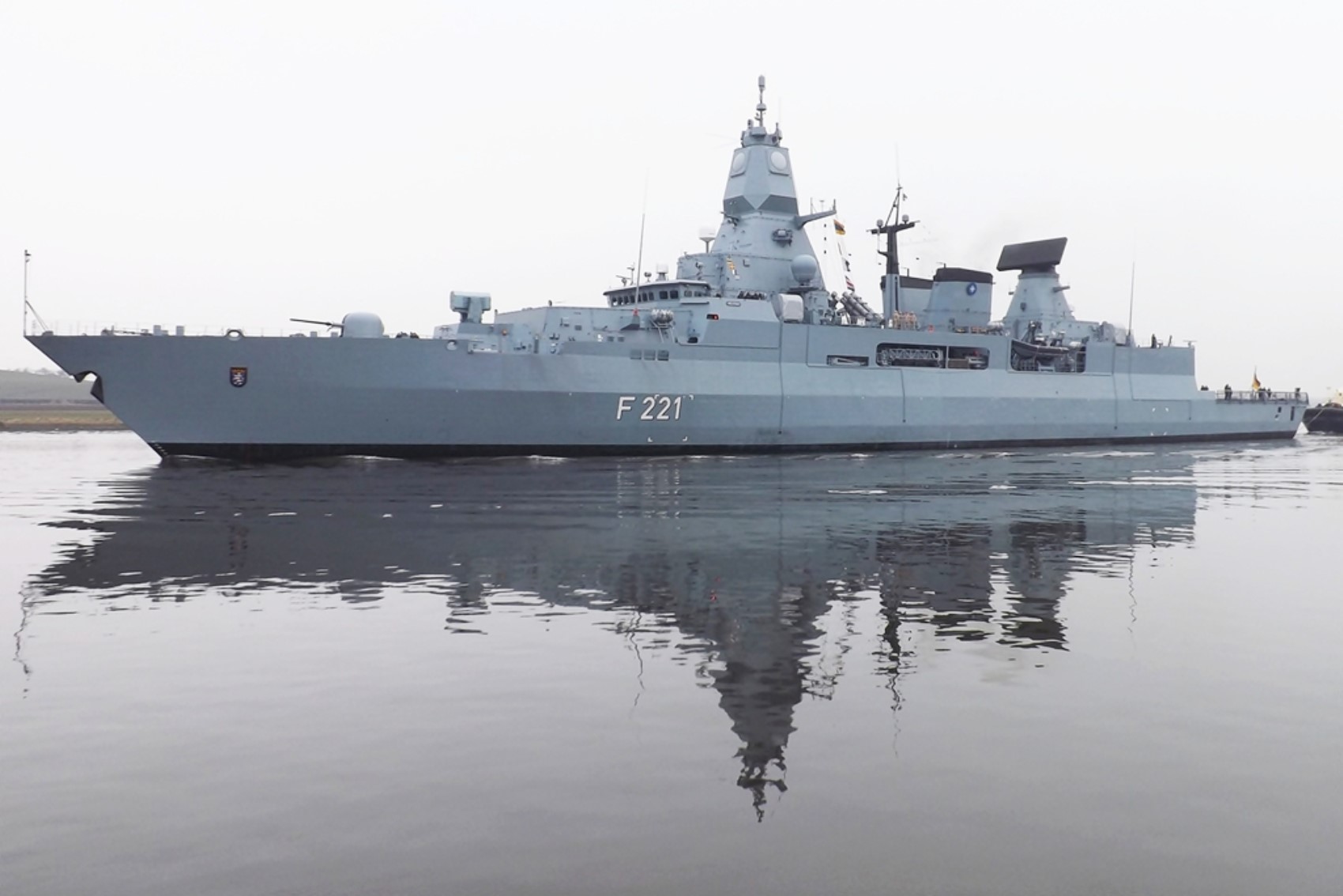
(Hessen Frigate - Source: Wikipedia)
ASPIDES OPERATION IS DANGEROUS, BUT RISKS ARE BELIEVED TO BE MANAGEABLE
The 'Aspides' operation is considered relatively high-risk, as it is known that Houthi militias have not hesitated to attack warships in the past. Regarding the departure of the Hessen Frigate, Inspector of the Navy Jan Christian Kaack said, "This is the most serious mission the German Navy has faced in decades." However, it is believed that the risks can be kept under control.
Kaack stated, "There is no unit in the German Navy that is better prepared, better trained, and better equipped for this mission."
WHY THE 'ASPIDES' OPERATION IS NECESSARY FOR GERMANY
German Federal Foreign Minister Annalena Baerbock explained the necessity of the Aspides operation in her statement: "Given the Houthi attacks on civilian shipping, it is clear that the entire global economy is being affected. Therefore, it is important for us as the European Union to contribute to protecting civilian shipping in the Red Sea."
The EU's expectation from this operation is to ensure the safety of commercial vessels in the Red Sea. Recently, many shipowners have been avoiding the shortest sea route between Asia and Europe, opting for the second route that goes around the Cape of Good Hope in South Africa. This route, which also means a time difference of approximately two weeks, not only creates financial burdens but also disrupts the functioning of the global production network due to delays in delivery times.
Most Read

Striking picture for Özgür Özel's 'New Party'

The PKK opening and Özgür Özel’s path!..

How did the newspapers view Özgür Özel's farewell to the CHP?

He killed his wife by slitting her throat: Their children witnessed the moments

What did the CHP do?

Özel’s new party move in the world press

Fire at TUSAŞ engine factory in Eskişehir under control

The New CHP, against CEHAPE

From self-efficacy to despair

Kılıçdaroğlu's first message on Özgür Özel's new party announcement