



RIMPAC - RIM OF THE PACIFIC
The Rim of the Pacific (RIMPAC) exercise, considered the world's largest international maritime exercise, began on June 26, 2024, at Pearl Harbor off the coast of the Hawaiian Islands. The twenty-ninth edition of the exercise series, which was first held in 1971, is being conducted this year.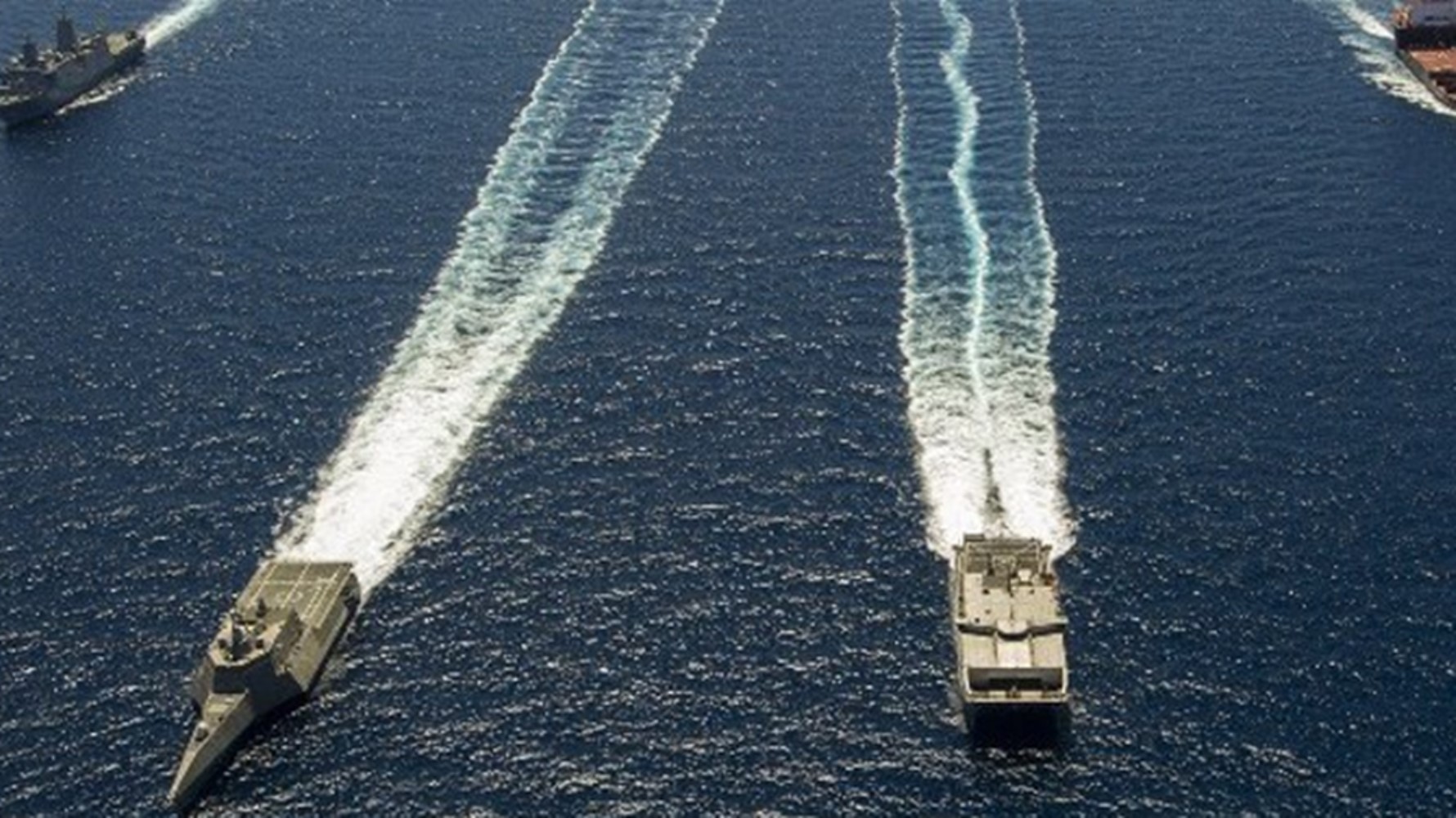
We have entered a new era where we can no longer evaluate large-scale global maritime exercises merely as drills. The shifting geopolitical balances between countries and the claims of sovereignty over strategic trade routes make this year's RIMPAC exercise more interesting than previous ones.
RIMPAC 2024 EXERCISE
The RIMPAC 2024 exercise, which began on June 26, 2024, and will continue until August 2, involves approximately 40 ships, 3 submarines, 14 land force units, more than 150 aircraft, and over 25,000 personnel from 29 countries. The exercise was hosted by the U.S. Pacific Fleet.
The theme of this year's exercise was set as "Partners: Integrated and Prepared!" Participating countries include Australia, Belgium, Brazil, Brunei, Canada, Chile, Colombia, Denmark, Ecuador, France, Germany, India, Indonesia, Israel, Italy, Japan, Malaysia, Mexico, the Netherlands, New Zealand, Peru, South Korea, the Philippines, Singapore, Sri Lanka, Thailand, Tonga, the United Kingdom, and the United States.
EXERCISE SCENARIOS AND OBJECTIVES
Scenarios to be implemented in the exercise include submarine warfare, multi-ship surface warfare, multinational amphibious landings, and multi-axis defense of an aircraft carrier strike group. Additionally, one of the goals this year will be routine ship-sinking operations, such as the sinking of the former USS Tarawa.
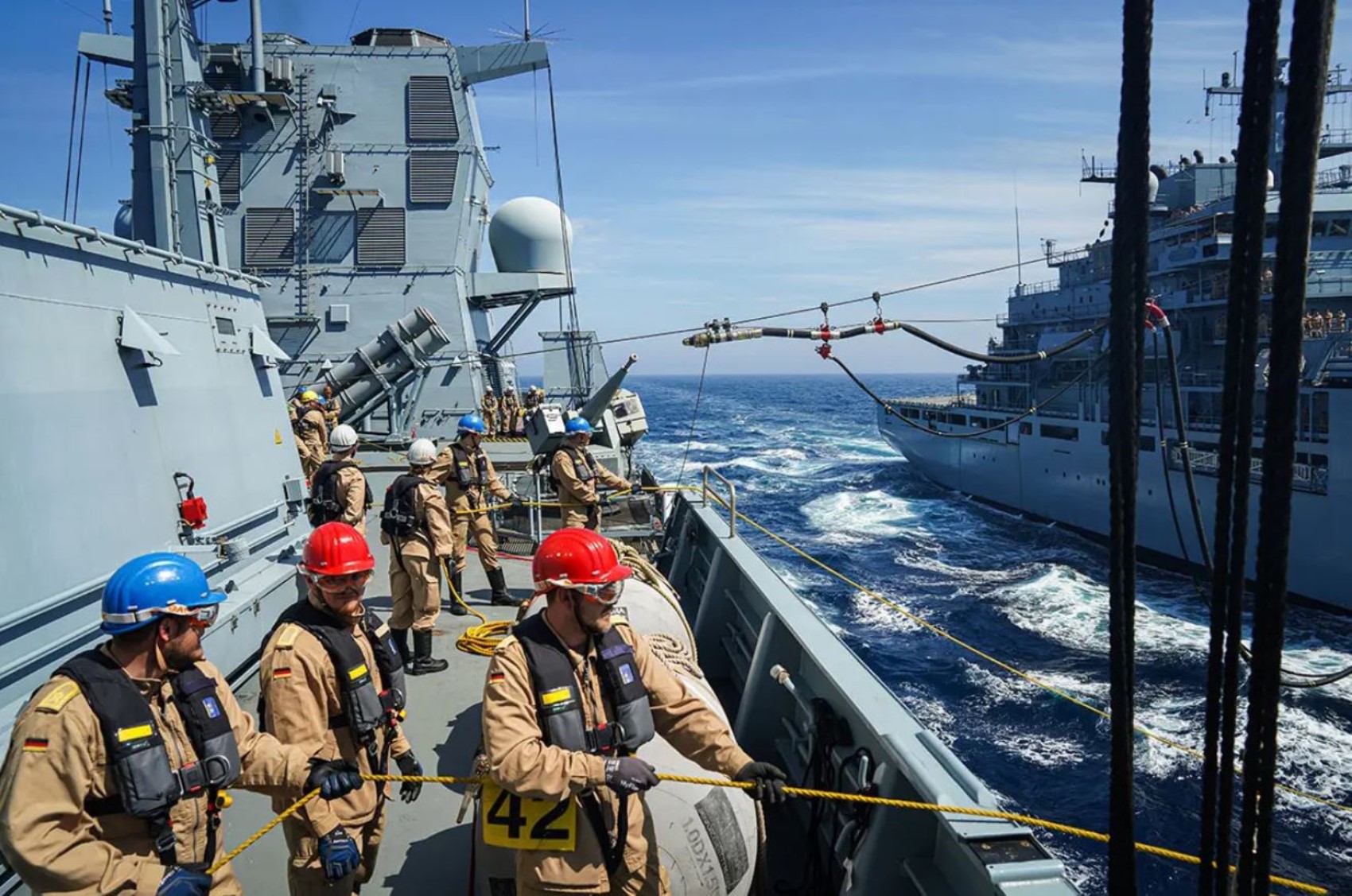
Humanitarian aid and disaster response exercises will also be conducted. This year, it is observed that great importance is placed on humanitarian aid operations. In this context, more than 2,500 personnel, various aircraft, and ships have been assigned to the exercise. The exercise aims to strengthen cooperation between countries on issues of joint operations and ensuring the security of sea lanes.
DEFENSE OF TAIWAN AGAINST THE CHINESE THREAT
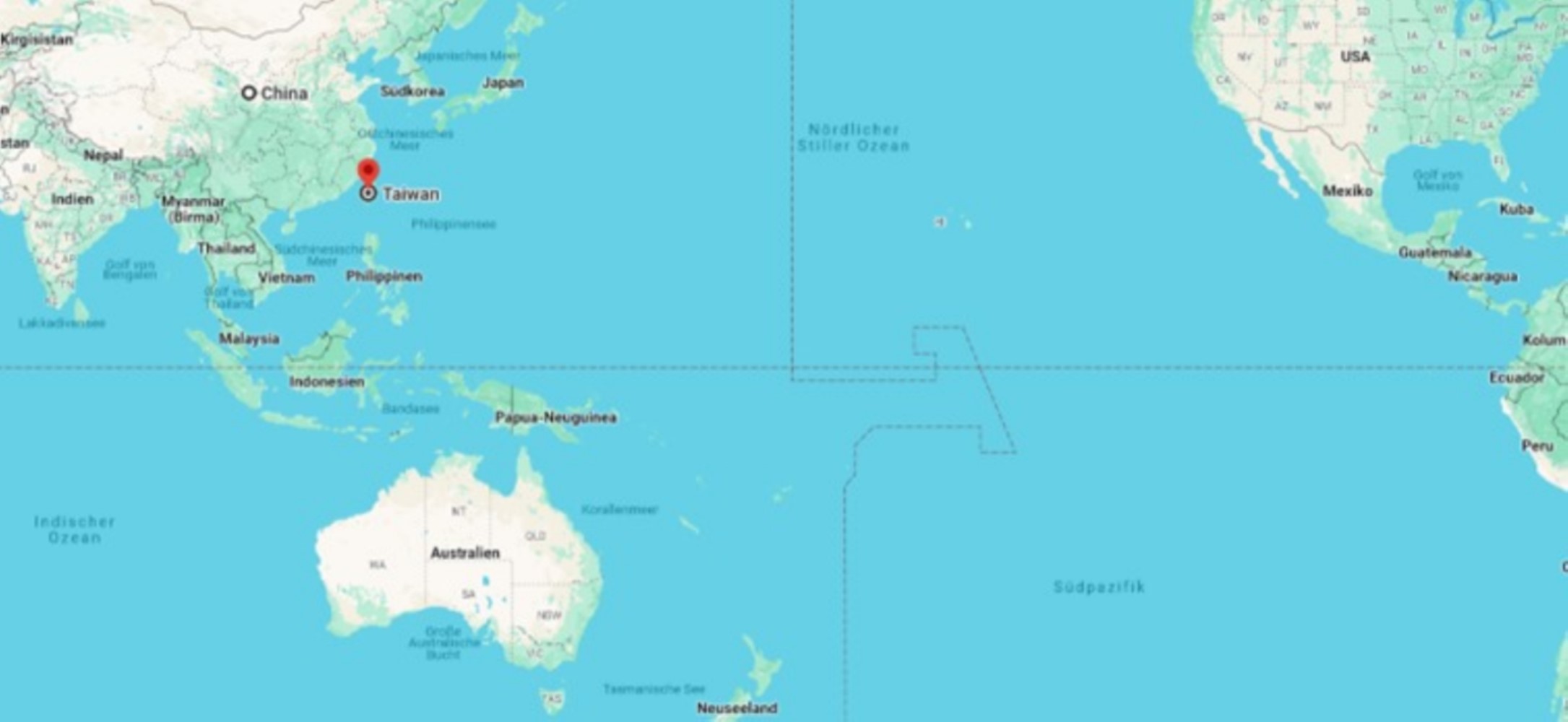
The main topic of anticipation was whether a special exercise scenario aimed at strengthening Taiwan's defense against China's growing military power and its plans regarding Taiwan would be implemented. The RIMPAC exercise will continue until August 2. It is not yet known whether an exercise scenario involving Taiwan will be included in the RIMPAC program. However, although it was stated last April that no exercise for this purpose was planned, some small-scale joint exercises defined by the CUES code as "Unplanned Exercises" were conducted between the US and Taiwanese navies. These operations included ASW (Anti-Submarine Warfare) type exercises. ASW involves basic communication and replenishment operations as well as joint submarine warfare techniques. ASW exercises are of great importance for ensuring the interoperability of the two navies in emergency situations.
INCIDENTAL ENCOUNTERS AND EXERCISES
Both Taiwan and the US claimed that these exercises were the result of incidental encounters. The Japan Maritime Self-Defense Force (JMSDF), the Republic of Korea Navy (ROKN), and the USS Theodore Roosevelt Carrier Strike Group participated in this "Unplanned Exercise" in April. According to Reuters, half a dozen ships, ranging from supply ships to frigates, participated in the exercise.
PHILIPPINE PARTICIPATION AND REGIONAL SECURITY
Another remarkable feature of RIMPAC is the high level of participation from Southeast Asian nations compared to previous exercises, in addition to Vietnam's inclusion for the first time this year. The participation of the Philippines is particularly significant in terms of China-Philippines tensions; the Philippines participated in the exercises with its two most equipped ships, the new BRP Davao Del Sur and the BRP Andres Bonifacio, a warship donated by the US, accompanied by a crew of 700. By participating in RIMPAC, the Philippines has responded to China's sovereignty claims in the South China Sea with its determination regarding regional security and its search for international support.
Sources: U.S. Navy, U.S. Marine Corps Forces Pacific, Reuters, The Diplomat, Rappler, marineforum-online Germany
Most Read

Striking picture for Özgür Özel's 'New Party'

The PKK opening and Özgür Özel’s path!..

How did the newspapers view Özgür Özel's farewell to the CHP?

He killed his wife by slitting her throat: Their children witnessed the moments

What did the CHP do?

Özel’s new party move in the world press

The New CHP, against CEHAPE

Fire at TUSAŞ engine factory in Eskişehir under control

From self-efficacy to despair

Kılıçdaroğlu's first message on Özgür Özel's new party announcement