



GERMANY-CANADA-FRANCE-INDIA-ISRAEL-JAPAN-AUSTRALIA
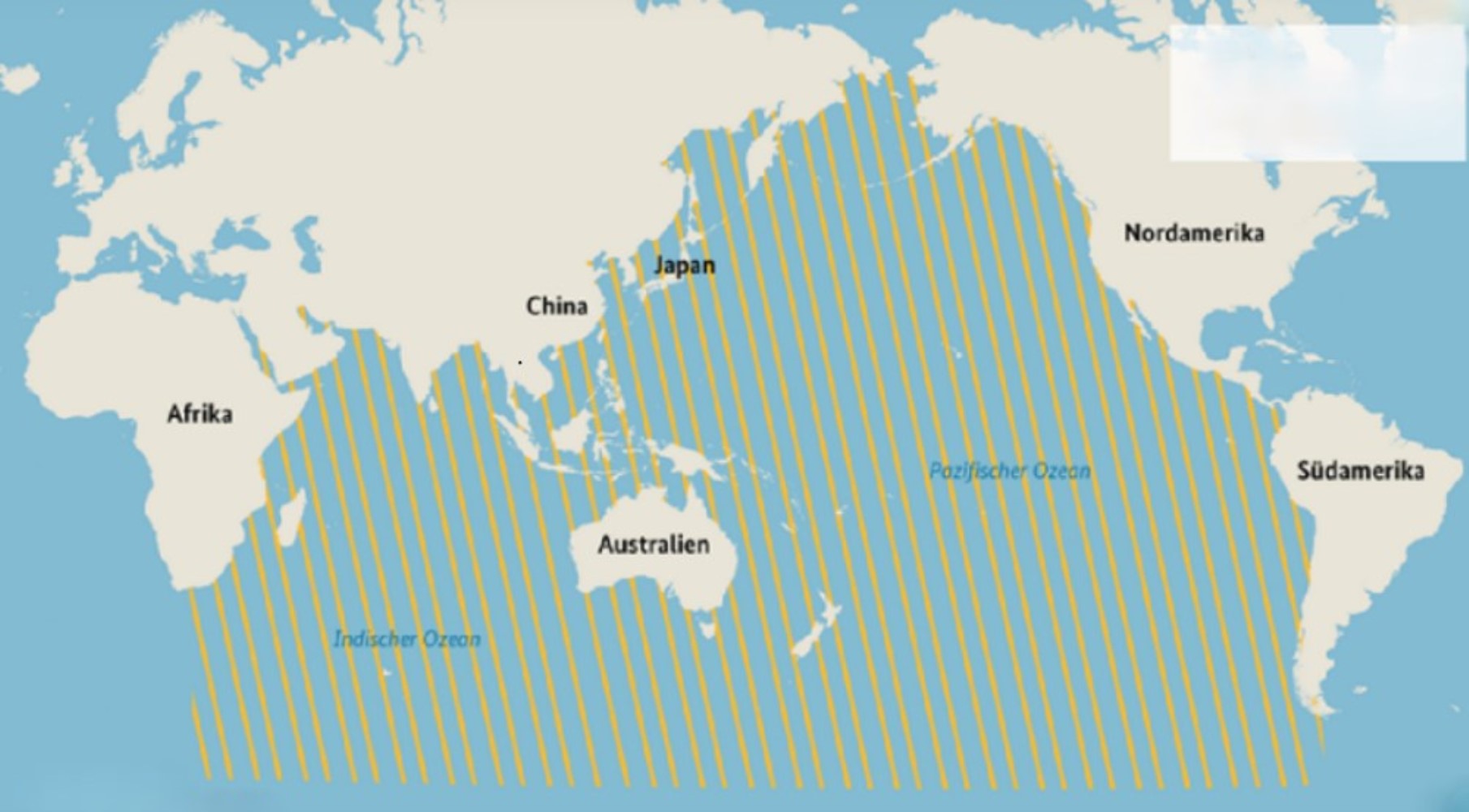
World-leading nations have donned their Titan armor and set off by sea and air toward the Indo-Pacific Ocean, the heart of global trade routes. The Indo-Pacific Ocean, one of the world's most active regions both geographically and politically with its deep blue waters, covers approximately one-third of the Earth's surface. The Indo-Pacific Ocean, which gives our world its name as the "Blue Planet," is now waiting to host the Titans, who have set out to establish a grand strategy game, much like a deep blue chessboard. Calling it a game is likely the correct definition, as the matter at hand is currently the RIMPAC exercise.
PANDEMIC, GLOBAL CONFLICTS, AND NEW BALANCES
With the pandemic, new questions emerged in the minds of many countries that source the majority of their needs from other nations—questions that could lead to chaos if left unanswered. What do we do if our commercial ties with the world are severed? If we cannot meet our energy and food needs, will all the bastions of civilization we have built until now collapse? Although the pandemic has been overcome, the strategy councils of developed countries are still trying to produce solution models for these scenarios and prepare theoretical and practical applications to be activated if needed.
After the Second World War, a situation occurred in the world that was not expected to happen so openly again. The Russia-Ukraine war, in which one country attempted to forcibly occupy another, shattered the world's—and especially Europe's—assumptions. This was followed by the Israel-Hamas war, which upended the balances in the Middle East, and the wave of humanity that spread across the world, stirred by the earlier war in Syria. And, of course, the Beijing-Taiwan spiral, which shook the giant Titans from their deep slumber, never to sleep again. All the Titans, who were in a calm state focused on peace within their own borders—the "Burgfrieden"—and on the development of civilization, awoke from their deep sleep to a new, changing world balance. The first signs of this awakening began to manifest as an arms race. Countries have made investments in heavy weaponry and radar systems at record levels compared to previous years.
CHINA'S GROWING MILITARY POWER - TAIWAN AND INDO-PACIFIC TRADE ROUTES
Between 2010 and 2019, defense spending by countries in the Indo-Pacific region showed a continuous increase of 50 percent; when it comes to China, this increase reaches 80 percent. For example, while China's military spending was approximately 285.9 billion US dollars in 2021, military spending in Beijing reached approximately 292 billion dollars in 2022. Furthermore, the fact that China is constantly strengthening its military presence in the region by building new bases on disputed, uninhabited islands in the South China Sea does not escape the notice of other countries actively trading in the region.
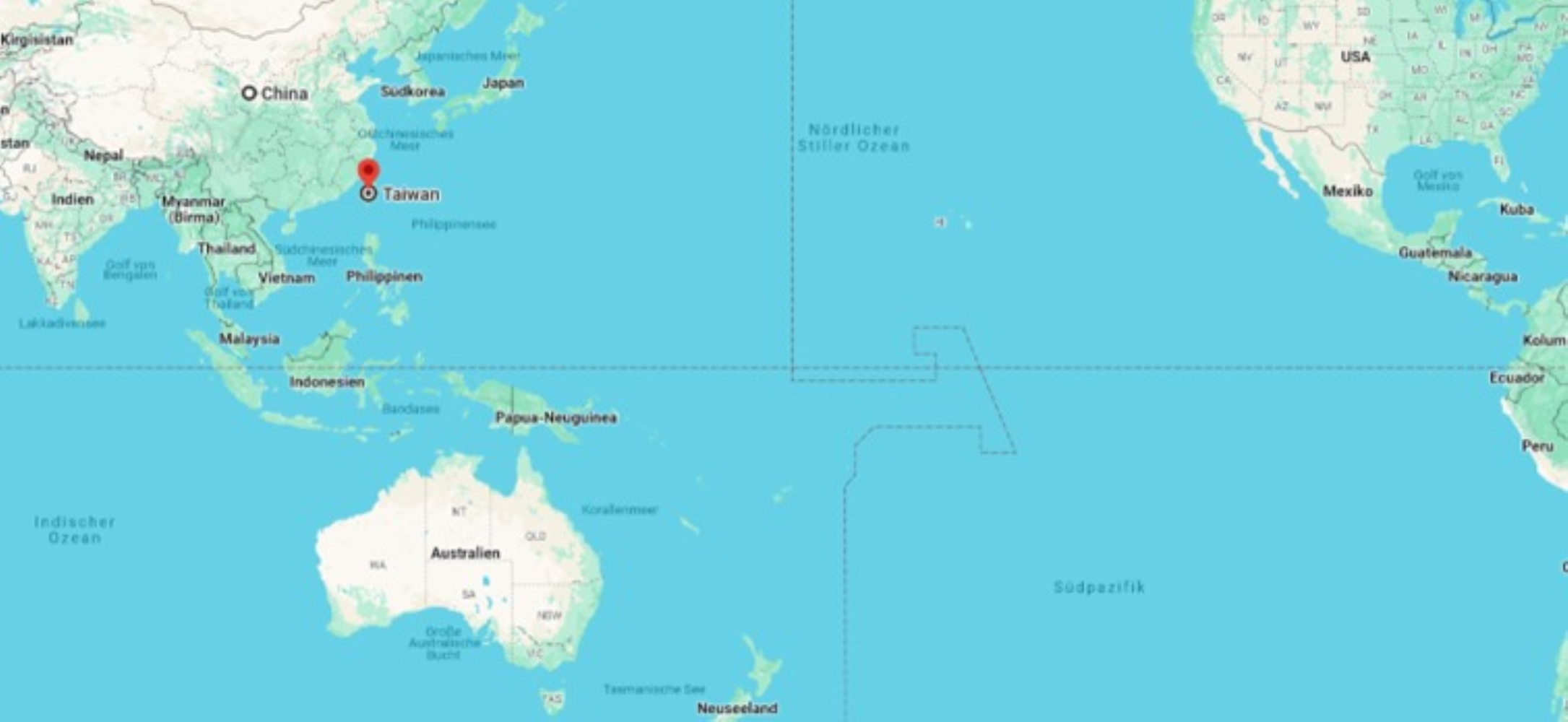
Taiwan is the most important region for trade passing through the Indo-Pacific Ocean; therefore, China's rapid armament and Beijing's potential to forcibly take control of Taiwan pose a serious danger to countries using Indo-Pacific trade routes.
GERMANY'S DEFENSE STRATEGIES
One of the countries using this trade route is Germany. It is observed that Germany has also significantly increased its defense spending in recent years. For 2023, Germany's defense budget increased by 9 percent compared to the previous year, reaching 66.8 billion euros (72 billion dollars). Additionally, following Russia's invasion of Ukraine, the German government created a special fund of 100 billion euros to modernize its National Defense systems (the Bundeswehr). This fund is also considered an increase in Germany's defense spending.
In recent days, the German Ministry of Defense, in a press conference organized through the Navy Press and Information Center, shared that they would send the frigate Baden-Württemberg and the frigate Frankfurt am Main to the Indo-Pacific Ocean on May 7, 2024, and that all members of the press were invited to this casting-off ceremony.
The logistics and support ship "Frankfurt am Main," which set sail from Wilhelmshaven with the ceremony held on May 7, moved toward the region simultaneously with the air defense forces. German Defense Minister Boris Pistorius, Inspectors of the Navy and Air Force, Vice Admiral Jan Christian Kaack, and Lieutenant General Ingo Gerhartz attended the casting-off ceremony for the 7-month mission. It was shared that the frigate Baden-Württemberg would depart from Spain's Rota Naval Base.
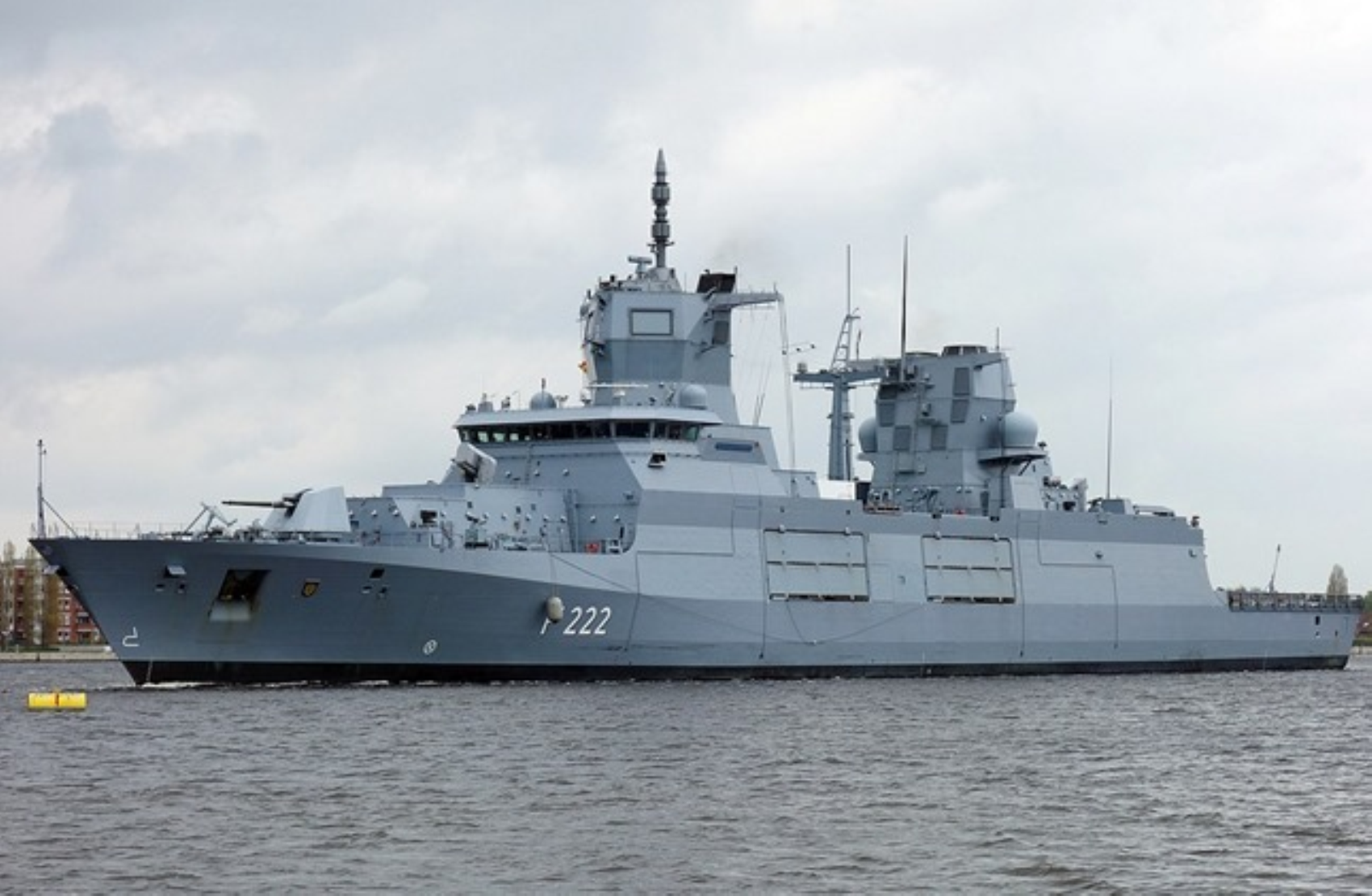
(Frigate Baden-Württemberg - Source: Wikipedia)
In his speech at the ceremony, German Defense Minister Boris Pistorius said, "Our goal is to contribute to the implementation of maritime law rules in the region and to expand our relations with our partners in the region. Our target is to contribute to the stability, security, and operability of the transit routes that are important for the international transport of goods and raw materials, because this situation affects us directly; what is happening in the Red Sea is a clear example of this situation."
The purpose of the 7-month mission is to maintain a presence in the region, gather intelligence, and simulate potential attack scenarios within the scope of the exercise.
Approximately 200 soldiers are serving on the logistics support ship "Frankfurt am Main." Since the ship will also carry two Sea Lynx MK 88A deck helicopters, Naval-Air Fleet tactical forces will also serve on the ship. The "frigate Baden-Württemberg," which departed from Spain's Rota Naval Base with a crew of 180, reminds us once again of the strategic importance of Rota Naval Base.
STRATEGIC IMPORTANCE OF ROTA NAVAL BASE
Rota Naval Base, which has a strategic location in the Gulf of Cadiz in southwestern Spain, takes its name from the town of Rota near the city of Cadiz. This base is extremely important for access to the northern coasts of Africa and the Atlantic. The base, which is built on an area of 6,100 acres and hosts the largest American military community in Spain, has a proximity to the Strait of Gibraltar that makes Rota Naval Base the center of maritime traffic and military operations in the region.
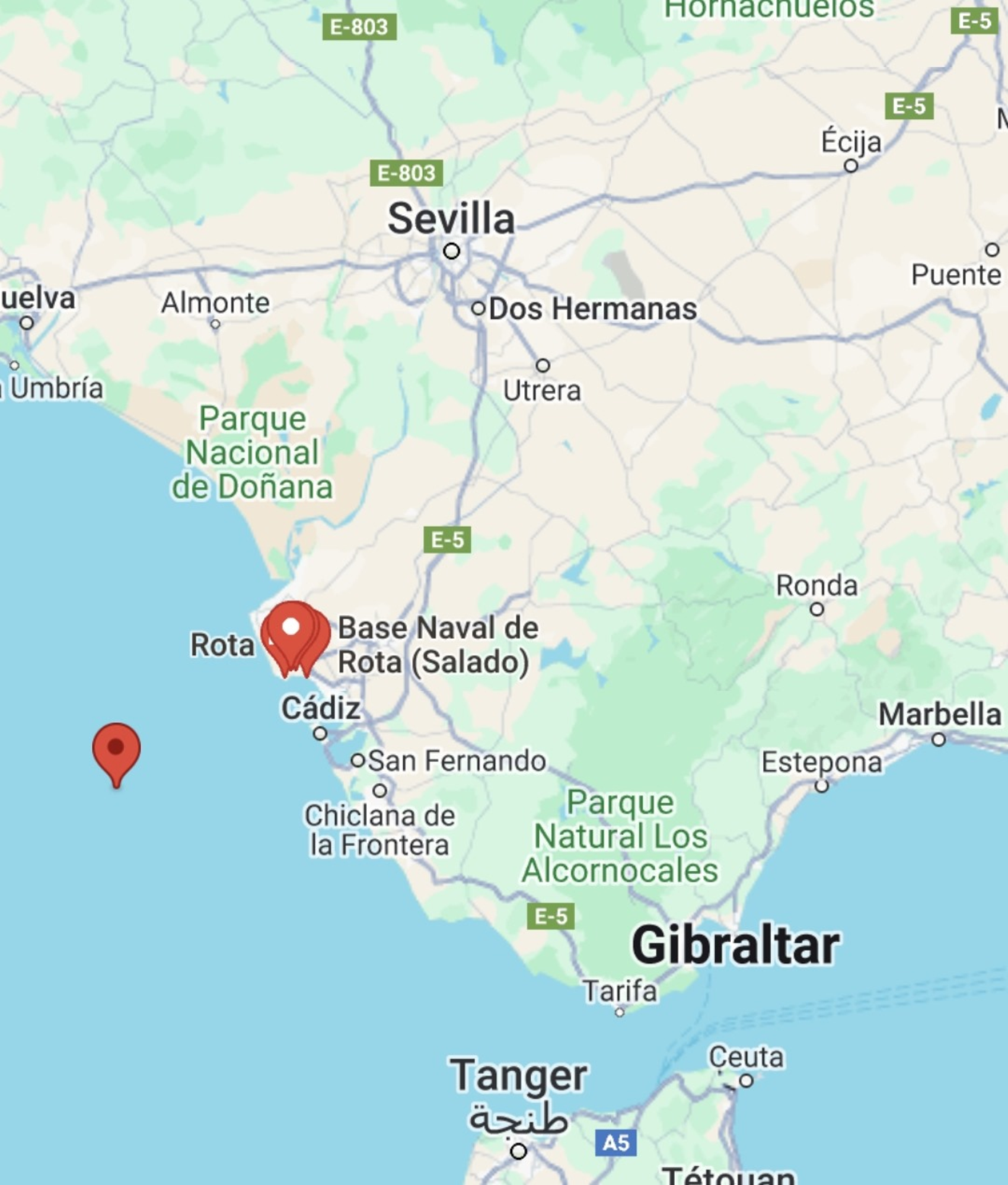
Rota Naval Base, which is a logistics and operational support center for NATO and the US Navy, houses a forward operating base for the US Navy's European and African Commands. With these features, Rota Naval Base supports US military operations in Europe and Africa by undertaking the defense of NATO's southern flank.
At the 2022 NATO Madrid Summit, it was decided to increase the number of US destroyers deployed to the base and to keep 600 additional soldiers in the region. The agreement regarding the decision was signed and put into effect in 2023.
THE SEARCH FOR A BALANCE OF POWER BETWEEN WAR AND PEACE
Let us not be surprised if we find ourselves examining the technical specifications, heavy weaponry, and crew of the Baden-Württemberg ship at the end of this article; because the world is going through times when war frigates, long-range heavy weapons, and target-locking missiles are served in YouTube videos almost like commercials. The new scenarios of a changing world are being served to our homes without any need for secrecy.
I do not know how meaningful it is to respond to this situation with anti-war cries and protests. However, it is obvious that what is happening in the Indian Ocean is a race to demonstrate mutual potential power. Sometimes, the only way for rivals to sit at the peace table is for them to be unsure whether they can overcome each other.
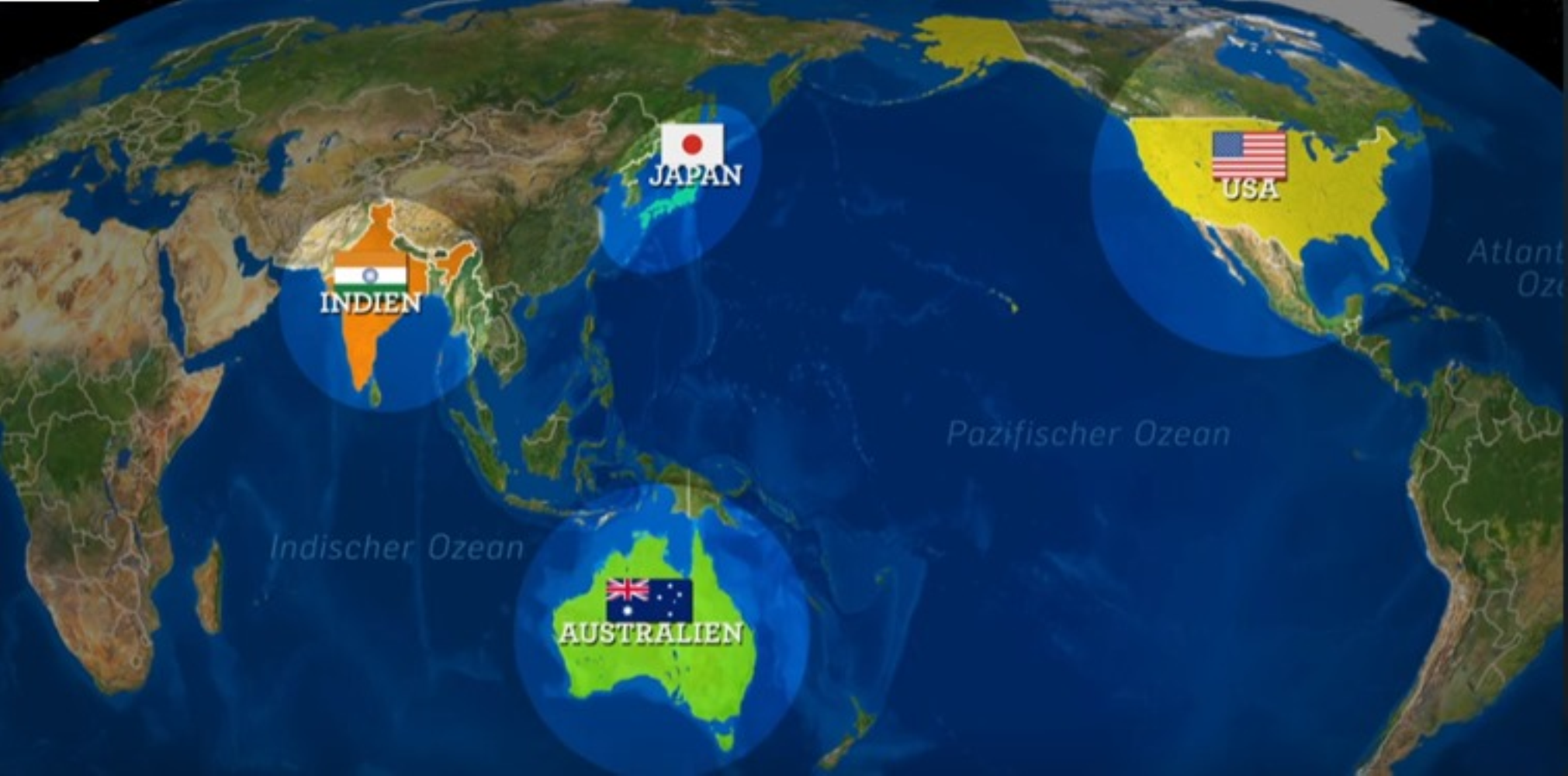
The Indian Ocean is a trade route that supplies the needs of the whole world. While holding control of this route alone might be a dream that each of the Titans has built for themselves, the determination not to leave the control of this region in the hands of just one country forms the common starting point for all the remaining Titans. The RIMPAC exercise to be held in the Indian Ocean appears to be both a show of force and a strategic move by countries determined not to hand over this control to China alone. Let us hope that the representative war exercise to be displayed in the Indian Ocean will be realistic and productive enough to dissuade the parties from war and convince them to find a path to peace at a civilized negotiation table. The truth is that even if an exercise costs billions of euros, it is better than a multinational war that would last for years and cause countless material and moral damages.
Most Read

Striking picture for Özgür Özel's 'New Party'

Özgür Özel gives a dated response regarding the number of resignations

Forest fire in Antalya brought under control

The PKK opening and Özgür Özel’s path!..

How did the newspapers view Özgür Özel's farewell to the CHP?

He killed his wife by slitting her throat: Their children witnessed the moments

What did the CHP do?

Özel’s new party move in the world press

The New CHP, against CEHAPE

Fire at TUSAŞ engine factory in Eskişehir under control