



A WARLESS DAY IN SHIBAM
The sun, no longer at its peak, is just beginning to lean toward the evening hours. It is a quiet afternoon in the Yemeni city of Shibam. There are no sounds of war or screams; the buildings, lined up side by side, some white and some sand-beige, rise from the sands of the treeless city toward the scorching sun like columns of adobe filled with dead-end streets. It is no surprise that these structures, which have hundreds of years of history, have been declared a world cultural heritage site by UNESCO. The calm weight of the sand-colored air has spread to every corner of the city. The men sitting in coffee houses killing time, the children playing in the shadows of the city that resembles a sandcastle, look as peaceful as if they were not children of a city that has been at war for nine years.
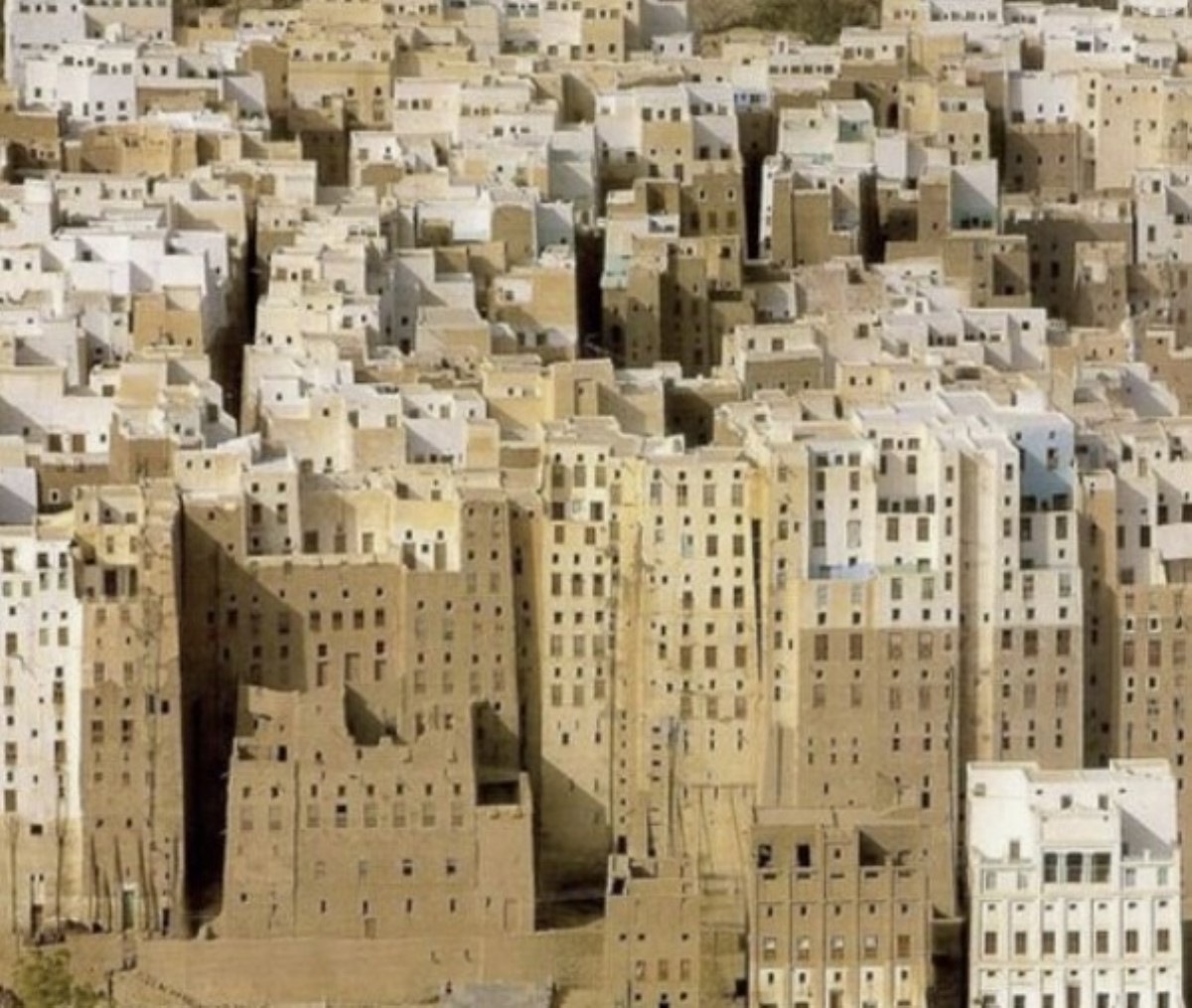
Divided by civil wars and no longer able to tolerate this situation, the Yemeni people are siding with the Houthis in the attacks they have carried out in the Red Sea despite the interventions of America and its allies. The reason cited is that in the Israel-Hamas war in the Middle East, America is Israel's greatest ally.
THE WAR BETWEEN SOUTH AND NORTH YEMEN
At the city gate, a large flag consisting of red, white, and blue colors waves in the wind. In the middle of the flag is a blue triangle with a red star inside. This flag, which belongs to South Yemen, is an indication that some militant groups ruling in Shibam want to be perceived as separate from North Yemen, where the Houthis rule.
Shibam is located in the Hadhramaut region, known for its hostility toward the Houthis. However, recently, a segment of the Hadhramaut people has begun to question the anger they feel toward the Houthis. The local people are suffering from the economic effects of the war. Yemen has turned into a dangerous region that the whole world fears, so tourists no longer visit the narrow streets of the city, which has been declared a cultural heritage site by UNESCO.
HOW DID THE CIVIL WAR IN YEMEN BEGIN?
After the Arab Spring, when the ousted former President Ali Abdullah Saleh began to support the Shiite Ansarullah movement, a government could not be formed in Yemen. As a result of the long-term crisis that emerged, the Houthis seized the Yemeni capital, Sanaa, took over the administration, and then began to capture major southern cities. Upon the siege of Aden, a coalition force was formed under the leadership of Saudi Arabia. The bombardments by the coalition forces stopped the Houthis but were not enough to push them back. Meanwhile, Al-Qaeda in the Arabian Peninsula and other radical groups began to capture cities in the eastern regions, and violent clashes began between the two sides that have continued to the present day.

IMAMS SUPPORTING THE HOUTHIS GIVE SUPPORT SERMONS EVERY FRIDAY
The capital, Sanaa, in the northwest of the country, came under Houthi control as of 2014. Despite attacks by the American military and allied countries, mosque imams constantly give sermons to the public to support the Houthis. In their sermons, they say that the people, who endured Saudi Arabia's airstrikes for 9 years, can also endure America's attacks. Since the attacks on October 7, pro-Houthi imams have been going to protest demonstrations with all Houthi supporters in the city after every Friday prayer.
HAVE THE HOUTHIS, WHO OPPOSE AMERICA, GAINED PRESTIGE IN THE ARAB WORLD?
The Houthis' main goal, wanting to gain prestige in the Arab region as protectors of the Palestinian cause, is to stop trade around Israel's Port of Eilat. For this reason, they are constantly increasing their interventions in the region by making their attacks in the Red Sea appear as if they are connected to the war in Gaza.
However, despite the attacks by America and its allies, the Houthis have not stopped their attacks on commercial ships around the Bab-el-Mandeb Strait. The Houthis are aware of the prestige that taking a stance against the US, Israel's closest ally, will bring them in the Arab world.
THE PERCEPTION THAT "THE ENEMY OF MY ENEMY IS MY FRIEND" ONLY POSTPONES THE CIVIL WAR IN YEMEN
The empathy Yemenis feel for the Palestinian people has caused them to put aside their hostility toward the Houthis. For now, the public is prioritizing fighting against America, which they see as their common enemy. However, as long as the Houthis' goals conflict with the interests of the people of Shibam, almost no one believes that the civil war in Yemen will end. Because the idea that one war will end another war certainly does not make sense to people who are familiar with war.
Most Read
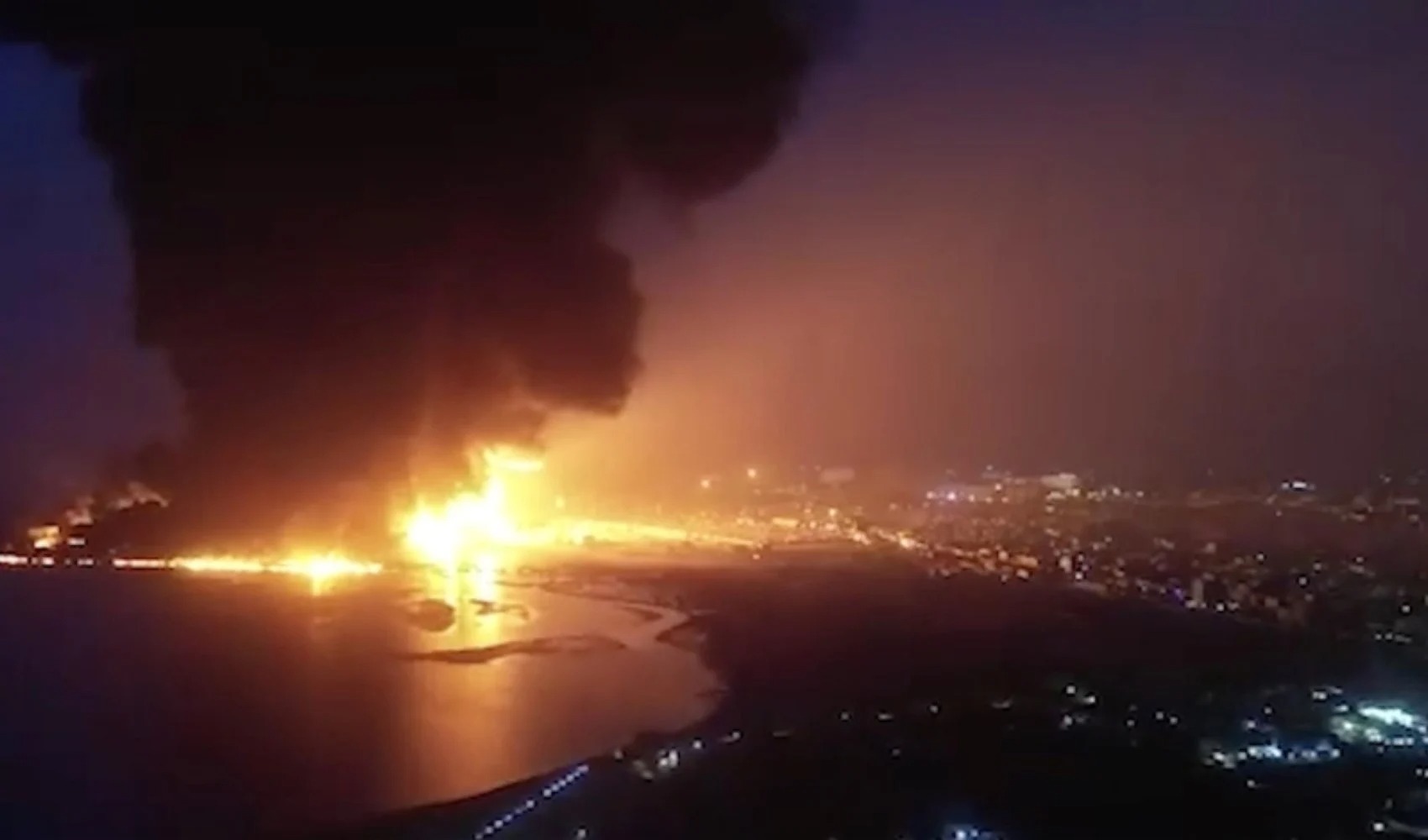
Houthis strike Saudi-owned tanker

4 drones shot down near US Consulate General in Erbil

It never ends: Another FETÖ memory

Famous director Ezel Akay and his brother have been detained

A mind fixated on leggings...

'Papers with spells and curses' operation: 'Master, my spouse filed for divorce'

He announced which municipalities will join the 'New Party', the Istanbul detail drew attention
The official, rumored to be switching to the AKP, has begun a persuasion tour

A critical distinction in the claim about eating out

CHP's mass SMS move in response to Özel's new party decision