



ALİ FUAT BAŞGİL WAS IN FRANCE DURING THE YEARS OF THE NATIONAL STRUGGLE
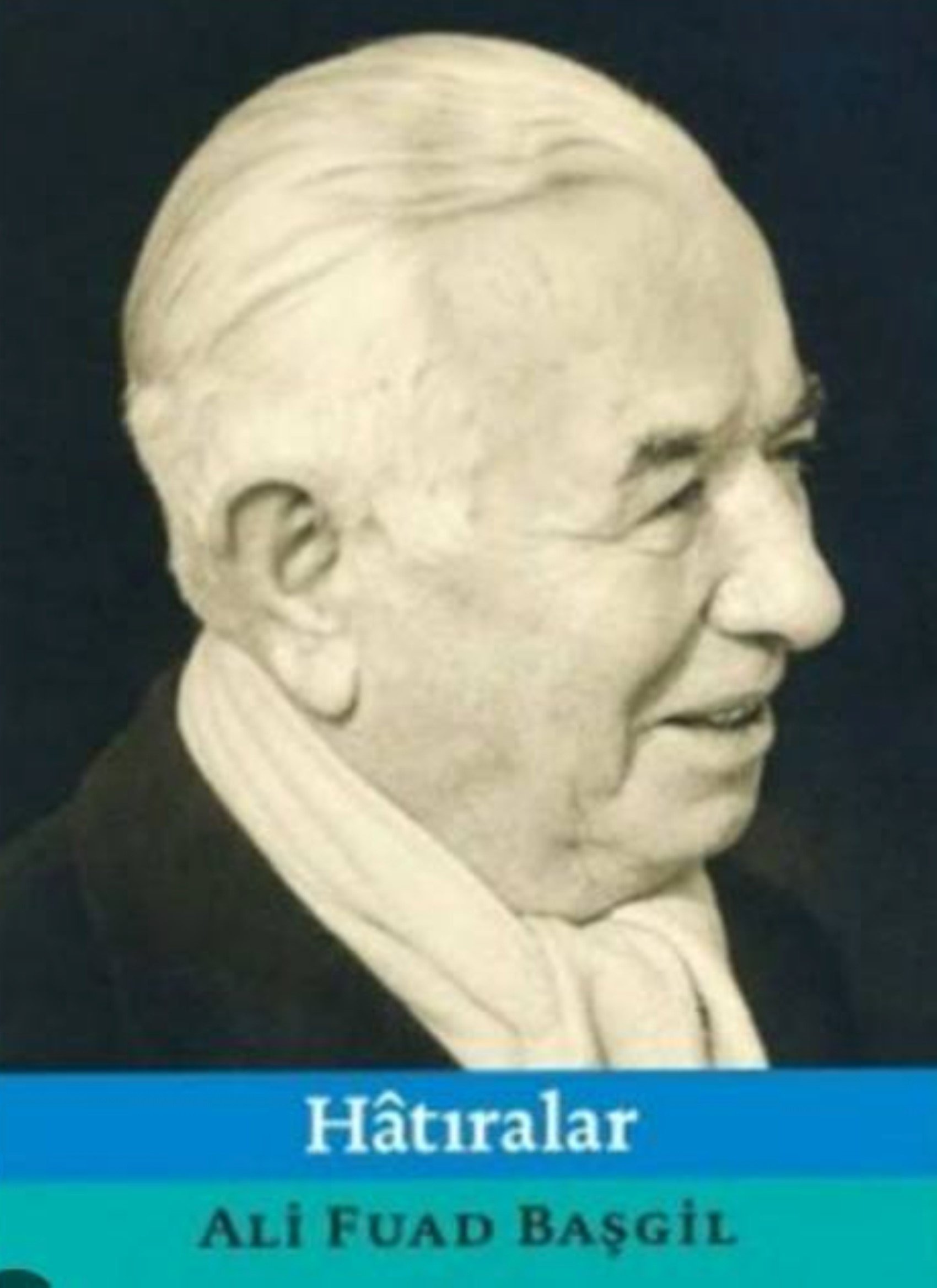
In Professor Başgil's biography, my first that caught my attention National Struggle was ongoing while he was in France. The professor was born in 1893. During the First World War, as a reserve officer had been conscripted. He had not yet finished high school. With the Armistice, he was demobilized. Between 1920 and 1929, he studied in France. His high school, university, and doctoral studies were completed during these years. (Grenoble and Paris Law) He returned to his country. Shortly after, he was appointed as an Associate Professor.
The professor, especially by right-wing circles, was written biography is impressive. It is understood that he received certificates not only in law, but also in many subsidiary fields, including sociology and anthropology. Although these were all recorded as diplomas; but it cannot be. It could be a minor field certificate.
However, the point that interests me the most is this: Many reserve officers who participated in the First World War, During the National Struggle, he was conscripted again. It is interesting why Başgil after 1920 chose to go to France instead of crossing over to Anatolia. And also, for that many years what financial resources he used to continue his education I am curious about to be honest.
As far as I have learned, Başgil's family of Samsun Çarşamba's prominent from their families. One of them. From the notables and the scholarly class. Still, I would have liked to learn the details. For nine years, I have been curious about how Başgil lived in France. However, I have not encountered any source or information.
This is the interwar period, during which France underwent significant social, political, and ideological transformations. There is a split on the left. The left is divided between those affiliated with the Comintern and the Second International. Socialism communism debate exists. Important figures on the left Daladier, Herriot. In the 20s the "Cartel of the Left" was established. On the right as well Gaston Doumergue from the Radical Party is an important politician. These experienced There is a doctoral student in France: Ali Fuat Başgil from Çarşamba.
Başgil dedicated his doctoral thesis to the founder of the new state, Gazi Mustafa Kemal Pasha. He returned to Turkey in 1929. In Ankara and Istanbul he held positions at higher education institutions. We can say that Professor Başgil actively participated in the establishment of the Kemalist university.
Başgil, after returning to Turkey a short time later he was appointed as an Associate Professor. Becoming a Professor and an Ordinary Professor did not take long. Having studied abroad and completed a doctorate gave him a rapid advancement in terms of a great advantage must have provided.
BAŞGİL'S BREAK FROM THE KEMALIST ELITE: LANGUAGE AND RELIGION ISSUES
Başgil's writings from the 30s are highly compatible with the revolutionary ideology. In those years, Başgil's it would be accurate to say that he was a typical Kemalist elite.
There are several turning points that caused Başgil to break away from this structure: The practices of the National Chief era are among these. comes first. Secularism, the language of science in universities being translated into pure Turkish and the like. This agenda gradually distances him from the Kemalist elite.
It is useful to describe one event in detail. Given that Başgil included this at length in his memoirs. I believe the date must be 1942. The movement for pure Turkish is continuing at full speed. Professor Başgil is against the language revolution and in favor of evolution. He is opposed to the efforts to coin new words. He often even meets them with irony. With Velidedeoğlu they are picking on each other. Their legal connection with Velidedeoğlu may stem from their years in Switzerland. Başgil was a professor who frequently traveled to Switzerland. Velidedeoğlu also spent a long time in Switzerland for his doctorate.
Başgil, at the time at the time, the university rector, National Chief İnönü, and Minister of National Education Hasan Ali Yücel come face to face.
The first confrontations take place in university language commissions. I believe that from those dates onward, İsmet Pasha opponent. In my opinion he is also belittling İnönü. This attitude I likened to the stance of the Second Group in the First Parliament. I compared it to the attitude of the “braided ones” as there is an expression of his. With this, the officer class is meant. The gold-braided ones, the Unionists and the Kemalists. Civility and democracy against the gold-braided ones is achieved by being opposed. The Erzurum Congress since his days. He does not find Inönü intellectual.
Başgil, objects to the use of certain words. In some of his objections, he is right is present. I am of the same opinion. For example, the Grand National Assembly of Turkey (TBMM) as the equivalent for accepted he objects to the word 'Kamutay'. Every word has a history says it fits the context. 'Kamutay' is a forced word and does not correspond to the Grand National Assembly of Turkey. He believes it weakens its greatness and history. Here, Professor Başgil and I think alike. The TBMM He is saved thanks to Başgil's resistance.
WHO DOES BAŞGIL DISLIKE?
Başgil is mostly silent regarding the Atatürk reforms. On the issue of secularism, he always attacks İnönü. Yet, secularism is the most fundamental aspect of the republic and the Atatürk reforms. principle.
A thought present among the entire republican elite is also present in him. “To save religion from the hands of reactionaries, to train enlightened clergy”
İnönü’s institutions that train clergy completely neglected he says. This is not true. The National Chief era's Diyanet policy, the Diyanet organization's more than is necessary religious education not to open schools that will provide. In my opinion, this is the right policy.
Başgil's statement that "religious education is not encouraged" is correct. In a secular state, this should be the correct choice anyway. Başgil is complaining about this. I am not. According to the need and in a limited number, personnel recruitment is being carried out. There are courses accordingly. The teaching of religious elective courses in public schools is also again In the İnönü era. After 1946. It is
clearly evident that Başgil does not like İnönü at all. Fuat Köprülü and Hamdullah Suphi also for similar reasons did not particularly like the "Great Atatürk." But they tried not to show it.
Başgil, within the CHP regarding organized individuals, politicians, journalists, and academics in general negatively thinks.
At the root of these feelings are certain events from the 1940s. He does not speak very favorably of journalists Falih Rıfkı Atay and Ahmet Emin Yalman either.
Rectors, he also does not approve of Cemil Bilsel, Tahir Taner, and Sıddık Sami Onar both as scientists and as administrators. He does not approve of them. He criticizes their attitudes toward the party-state with a mocking tone.
FREE IDEAS SOCIETY FOR THE DISSEMINATION OF FREE IDEAS
Başgil, along with figures disillusioned with İnönü such as Fevzi Paşa, Tevfik Rüştü Aras, Ahmet Emin Yalman, and Zekeriye Sertel, establishes the Society for the Dissemination of Free Ideas. He also begins publishing a magazine under the same name. begins (1947) The group a very short time later dissolves. When some CHP partisans accused the society of being communist, first Fevzi Pasha would leave the Free Ideas community. Meanwhile, Fevzi Pasha's society has only one common point. Being against İsmet Pasha. Fevzi Pasha liberal thought does not have much to do with.
RELATIONS WITH DEMOCRAT PARTY LEADERS
From its inception, party leaders wanted to bring Başgil into the DP. They valued him. A parliamentary candidacy are offering.
It is perfectly normal for Başgil's name to be associated with the DP in the 50s. All opposition figures are receiving offers from the DP. Some of them are elected as members of parliament. For example, Ali Fuat Pasha, Halide Edip Adıvar, and even Nadi Nadi. The relationship between Cumhuriyet newspaper and İsmet Pasha sours during the Second World War. years. Martial law shuts down the newspaper many times for long periods. Nadir Nadi two terms from the DP list is elected as a member of parliament. Without joining the party as an independent member of parliament. The same situation also applies to Ali Fuat Pasha.
The Democrats also extend an offer to Mehmet Ali Aybar. Aybar is known as the author of the "Chained Freedom" manifesto. And he is an important intellectual of his era. At the same time, an associate professor of International Law.
Professor Başgil does not want to enter active politics. During the three terms the DP was in power, he declines offers for parliamentary candidacy. To the DP while providing support on every issue. He continues to write articles in newspapers like Yeni Sabah throughout the 50s.
AFTER MAY 27 ACCUSATIONS AGAINST BAŞGİL
Başgil after May 27 was labeled the "mentor of the deposed" of being accused. Quite a lot of negative things were written about him. The reports that he advised the former government to 'purge' at the Çankaya table were, of course, untrue. The word 'tenkil' (punishment/exile) belongs to Bayar. Başgil tried to find solutions to save the Democrat Party. But by then, there was no time left.
Regarding the publications about him, to Cumhuriyet Newspaper a sent the article. In the Professor's memoirs, this subject is a "memory from the time of the former government" under the heading has been addressed. The newspaper to which Başgil sent his article is interesting: Cumhuriyet.
Başgil's relationship with Falih Rıfkı Atay and Ahmet Emin Yalman was already is not good. Falih Rıfkı, incites the Committee against Başgil. He denounces him as the ringleader of the reactionary masses. There are also those who warn him. For instance, Tiritoğlu tells the Professor, “Do not write or speak during these times,” he says.
BAŞGİL MARTIAL LAW WHAT WAS HE ACCUSED OF IN COURT?
When Başgil was arrested, he was charged under Article 159 of the Turkish Penal Code. Martial law The Military Court issued a release order. When the martial law commander of the period, Cemal Tural, became enraged, saying, "This man will be released, you hear me!..." another case was opened in the Second Court.
Başgil, regarding the formation method of the Constituent Assembly, wrote he was arrested due to the article. To prevent his release, this time a lawsuit was filed for "acting against national interests" and his continued detention was ensured.
BALMUMCU IN HIS BARRACKS DAYS OF DETENTION
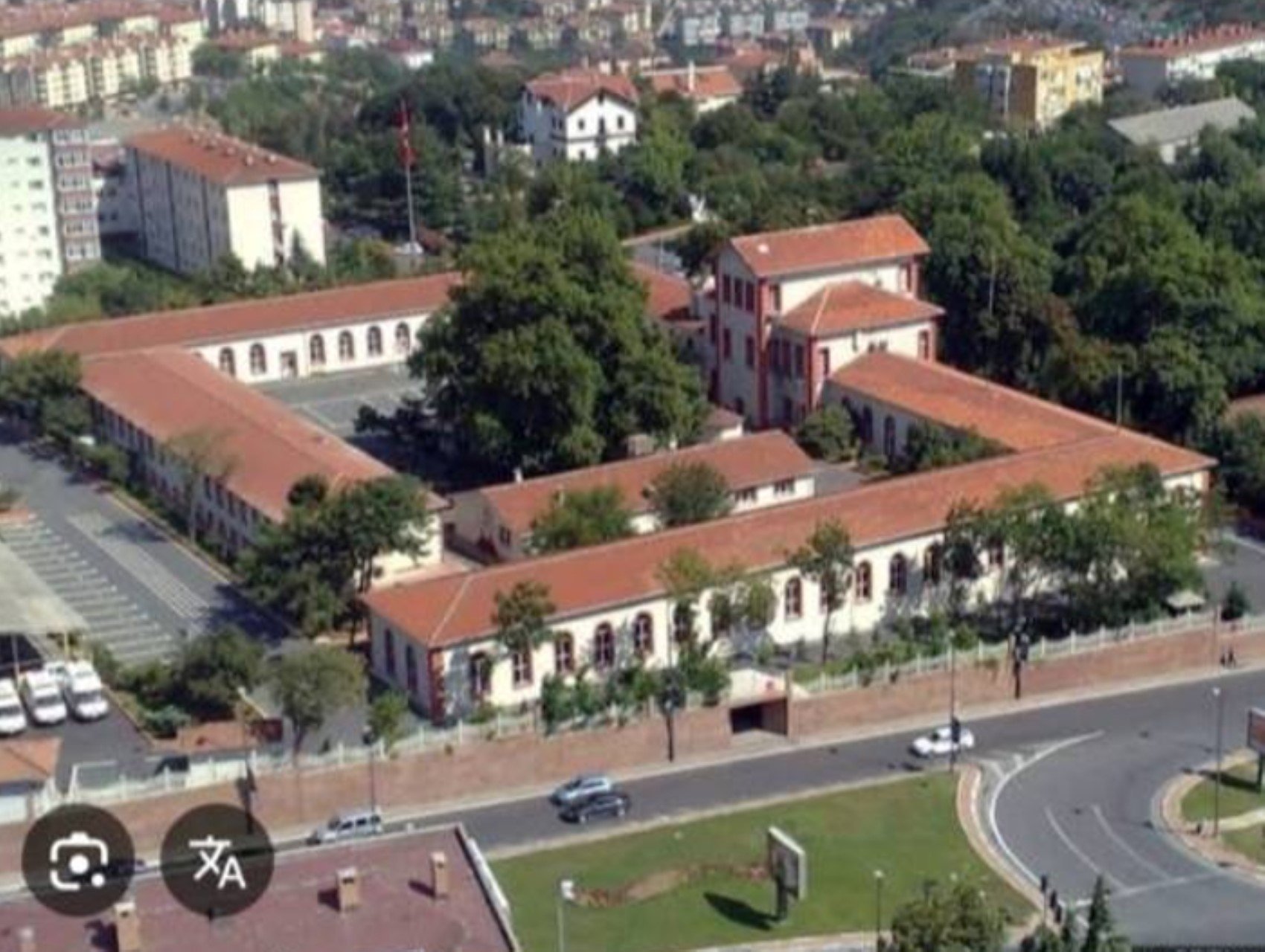
Once it was confirmed that Professor Başgil would be tried while in custody, he was transferred to the Balmumcu Barracks. After being taken there, he was physically more comfortable. This is because all political detainees they had gathered.
Initially, a visitation ban was enforced, but later, the regime applied to political prisoners relaxed significantly. While all this was happening, the Constituent Assembly was convening and constitution making process began. There are political prisoners in Balmumcu, but at the same time, in Ankara, the Constituent Assembly has begun its work. This process will continue until July 1961. A referendum will be held. In Balmumcu, freedom is granted for inter-ward meetings and conversation gatherings. Together, they listen to the Yassıada Hour broadcasts on the radio.
The conditions reminded me a bit of the Polverista Barracks days of the Malta Exiles. Philosophy, literature, and history meetings is permitted to be held. The officers on duty also monitor these meetings.
The conditions at the beginning of the detention improve significantly. Afterwards, a system that looks out for the professor is established. These must be the fairly large wards organized around well-liked and well-known prisoners that the professor described as a "quartier." It is clear that movement between the wards was free.
Every day from Balmumcu to Yassıada to testify or those being taken to testify. The Yassıada ferry departs every day from the Dolmabahçe Pier. From there, it returns after the trial hours. The trials Yassıada Hour under the name on the radio openly published. These publications are being closely followed throughout Turkey.
WHAT WOULD HAVE HAPPENED IF HE HAD ACCEPTED MEMBERSHIP IN THE CONSTITUENT ASSEMBLY?
After the Constituent Assembly law was enacted, Fuat Arna from the CKMP They sought out Professor Başgil. A membership in the House of Representatives was offered via the party quota. However, the Professor objected to the corporatist formation style of the Constituent Assembly. because he was opposed to it he did not accept. He even wrote articles against the Constituent Assembly Law. He said, 'While this is my view, I cannot accept.' When Başgil did not accept, the CKMP turned to Abdülhak Kemal Yörük had proposed it. Professor Kemal Yörük accepted it. The reason Yörük became a member of the Constituent Assembly under the CKMP quota is that Başgil did not accept. If the professor had accepted, he might have become a member of the Constitutional Commission.
TESTIMONY AT YASSIADA: REGARDING BAŞOL AND EGESEL
From the memoirs I understand that Professor Başgil was taken to Yassıada several times. In fact, after the acquittal was issued in his own case and then as a witness to Yassıada it is seen that he was invited.
They bring the Professor from Balmumcu to the Beşiktaş Liaison Office. they bring him. From there, they take them to Yassıada by ferry. Chief Prosecutor of the Supreme Court of Justice Ömer Altay Egesel had been invited to a meeting at the university a few days earlier. There, he made remarks such as, "I will make Başgil regret being born." When I examined the trial
records, I found that the President of the Court, Başol, was... and Chief Prosecutor Egesel as a man of law I did not like at all. His attitude toward the defendants and witnesses was extraordinarily bad.
This attitude reminded me of small-town gendarmerie commanders who knew no bounds in their mistreatment of others once they seized power.
The Democrats' despite the many crimes they committed during their time in power, the trial panel's primitive stance caused the impression that they were subjected to injustice. Adnan Bey, who gave hundreds of thousands of lira from the secret fund to Necip Fazıl so that he would disparage and belittle İsmet Paşa, could be considered 'innocent'.
The Supreme Court of Justice President Salim Başol is also such a person. Every the attitude of both is incompatible with their identity as jurists. It must have been Başol who said, “the will that put you here wants it this way,” he said on one occasion. These are narrow-minded people. Their historical knowledge almost non-existent. They had no foresight that the era would one day change. They sought to take revenge for the Democrat Party administration's harsh treatment of the judiciary most of the time.
For instance, Chief Prosecutor Egesel, Pointing to Başgil, “the witness's place should have been behind these bars” he is able to say. Where the detained defendants are located by pointing to the section. Truly a regrettable situation. I completely agree with Professor Başgil here.
WHEN THE REQUEST FOR RELEASE IS DENIED HEART COMPLICATIONS BEGIN
While Professor Başgil was in Balmumcu, his request for release at the Martial Law Military Court requests are rejected twice. Heart problems begin. One of the imprisoned doctors begins treatment with Quinidine and Coramine. When the expected release does not occur The Dean of the Faculty of Law, Naci Şensoy, comes to visit the professor. They reach the conclusion that it would be appropriate to grant power of attorney to Sahir Erman from the Criminal Law department. Başgil, by a team of legal experts that also included Professor Sahir, is being defended. On March 29, 1961, he is released. Two hearings later, an acquittal verdict is issued.
INVITATION TO POLITICS
The Justice Party Ali Fuat Alişan from the Samsun organization invites Professor Başgil, who is from Çarşamba, invites him to the party. At that time, the party's chairman is Ragıp Gümüşpala. Within the AP, there are those who want to make Başgil the chairman. They view Gümüşpala's chairmanship as temporary. General Gümüşpala is a kind of political lightning rod. The AP members take advantage of his resentment toward the Committee are positioning themselves behind him.
As he did in 1950, Başgil asserts his non-partisanship. Upon requests to “lead us,” he accepts his candidacy for the Senate. In this way, Başgil, from the AP list is being nominated.
He was abroad during the elections. He was attending meetings of the International Institute of Administrative Sciences in Brussels, Lisbon, and Geneva.
The elections were held on October 15. The results were announced. Elected Senator Başgil, on October 21, 1961, from Geneva He sets out to return to Turkey. This date is the day the War Academies made a protocol to intervene in the opening of the Turkish Grand National Assembly (TBMM) by the Armed Forces Union.
The Istanbul Martial Law Command warned the Justice Party (AP) Provincial Chairman regarding the return program. The professor landed at Yeşilköy at 17:30 on October 22. He was met by a massive crowd. His former students Ferruh Bozbeyli and Tahsin Demiray were there to welcome committee are among them. These two names from the Justice Party had been elected as members of parliament.
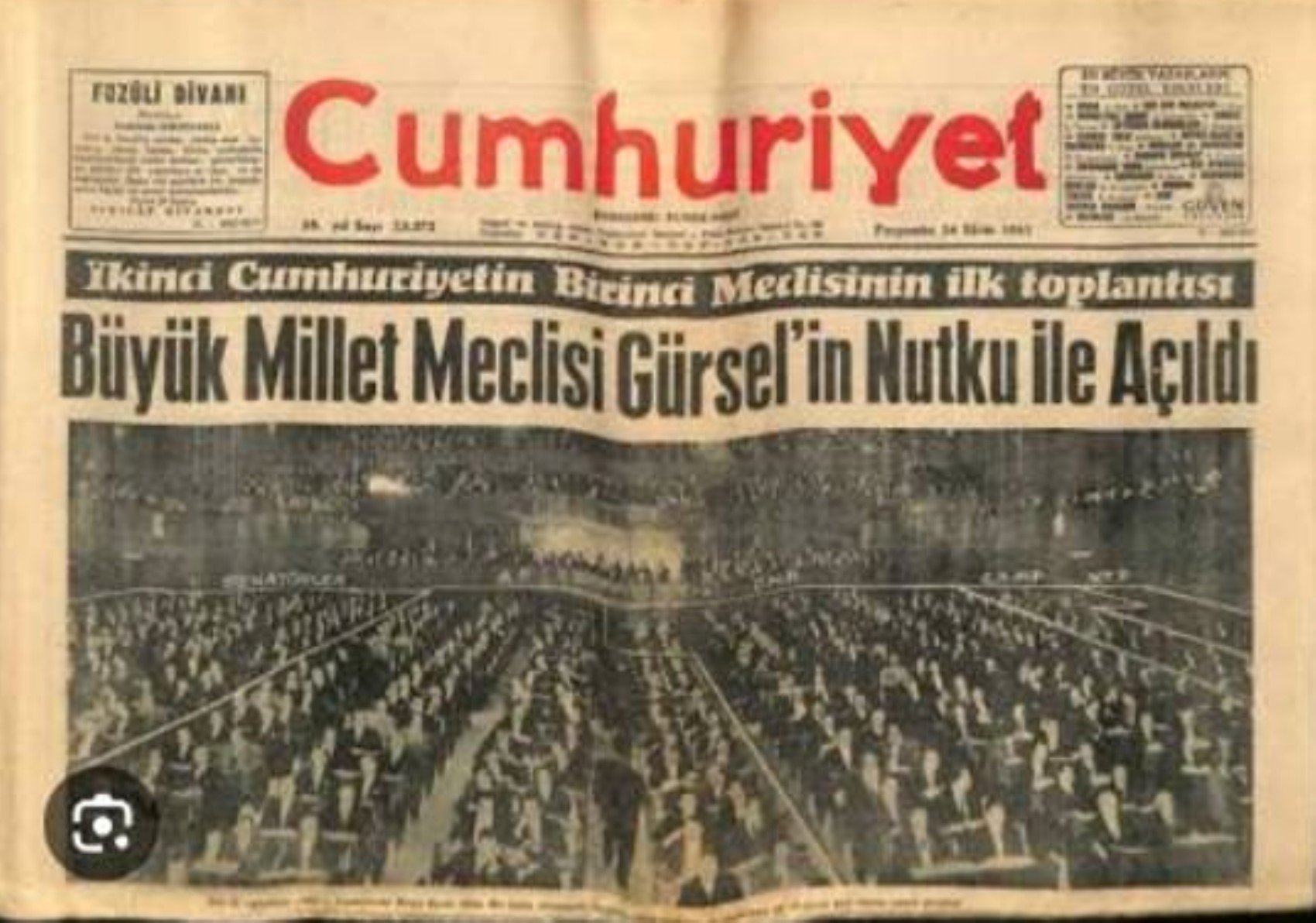
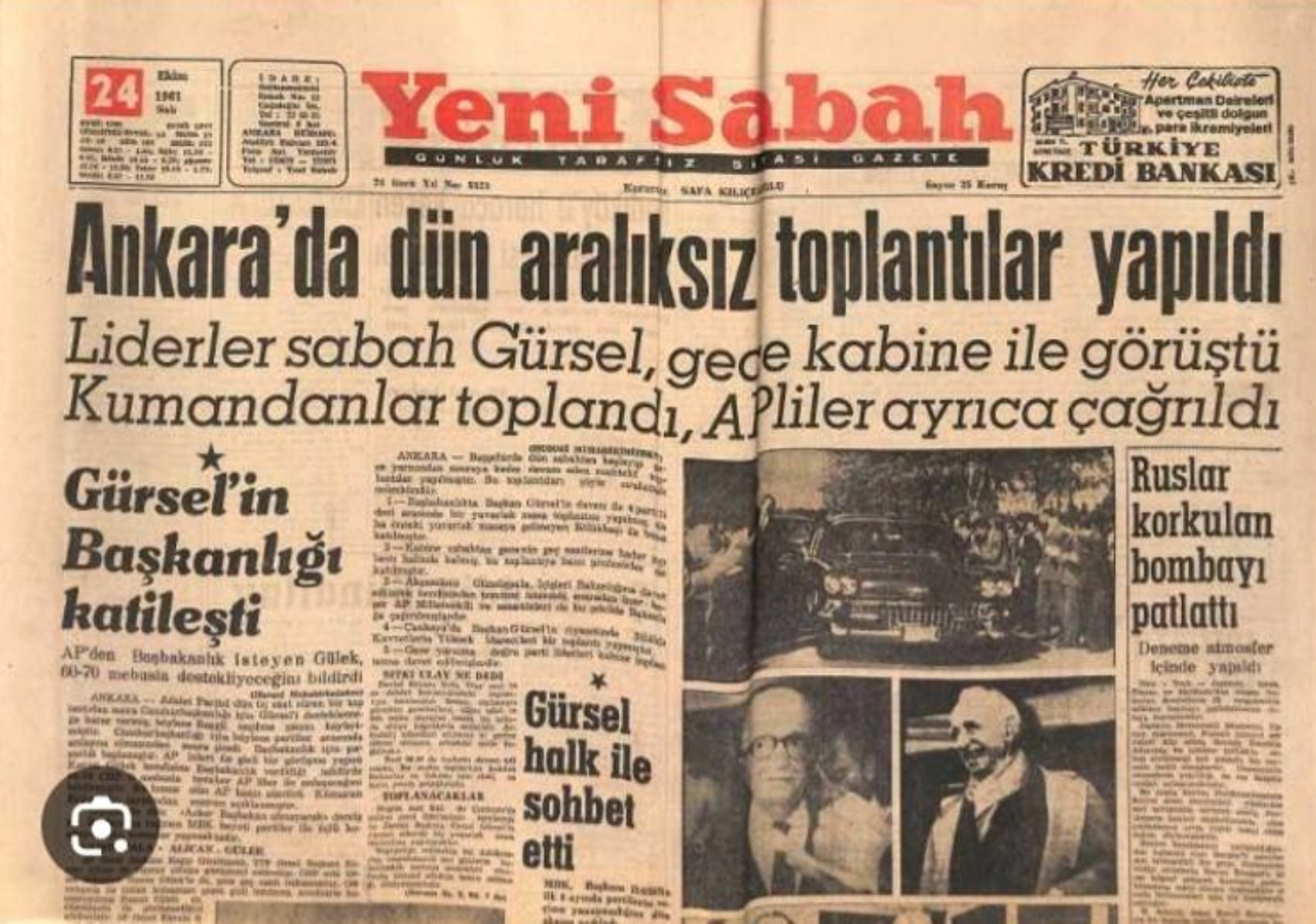
Starting from October 23, Başgil, is on the way to Ankara. He is welcomed everywhere by the cheers of partisans. His presidential candidacy is being encouraged. The professor is very pleased by this. On the other hand, there are other developments in Ankara. In Çankaya, the Committee, the army the high command and political party leaders are holding a meeting regarding the opening of the Grand National Assembly of Turkey (TBMM) and normalization. The meeting has a dual purpose. To render the War Academies protocol ineffective and Gürsel as president by electing the institutions of the Second Republic to begin operating.
BAŞGİL IS GETTING INTO THE PRESIDENTIAL MOOD
The team around Başgil does not take these developments into account at all. They continue on their way with their own enthusiastic agendas. Would I like to remind you of this on September 5th A roundtable meeting was held at Çankaya, and another protocol was signed with the party leaders regarding the likely outcomes of the elections. Those around Başgil the committee these negotiations by ignoring that they could achieve results in parliament they must be thinking.
Their goal is to nominate Başgil and by having him elected president, the May 27 Revolution With the opening of the Grand National Assembly of Turkey (TBMM), to defeat.
Some AP, YTP, and CKMP deputies also visit him. In the face of this enthusiastic atmosphere, Başgil he gains a great deal of confidence. He writes a petition addressed to the Speaker of the Grand National Assembly of Turkey by hand. He can no longer hold back and declares his candidacy. The deputies who support him also add their names to the petition and sign it. The Professor wrote that there were a large number of these signatures. However, the exact number of signatories is unclear. In terms of comparing this figure with the number of blank ballots cast during the session in which Gürsel was elected is important. Indeed, was there a possibility of Başgil being elected? This can be understood from the numbers.
MEETING REQUEST FROM THE PRIME MINISTRY
There is an exaggerated claim on the Turkish right. They say Professor Başgil was at gunpoint threatened. They blocked his candidacy. If he had not been blocked, he would have been President. it was a very strong possibility that he would be elected.
Both statements are incorrect. The truth is this: with the October 24 protocol in place, it was not possible for Başgil to violate the protocol and become a candidate. His candidacy was certainly a constitutional right. But realpolitik did not say so. This election was not just any election. The power transfer to civilians was the choice.
In 1966, Başgil could not see the reality that Demirel saw. He acted too bookishly. He should have followed a strategy suited to extraordinary conditions.
The High Court of Justice decisions after their pronouncement 45 days later, a chance for retaliation was not possible. This was contrary to the nature of things.
Furthermore, within the army there were developments that went beyond the National Unity Committee. Developments that would lead to the power slipping completely out of the committee's hands. the Justice Party would have suffered the most. With the protocol signed at Çankaya the day before, a middle ground had been found.
The extremists in the army the (angry) faction from taking action was for Gürsel, İnönü, Gümüşpala, Bölükbaşı, and Alican to act together. The way to achieve this was to make Gürsel president and civilianize the status quo.
Başgil, was in a meeting at the hotel with the extremist group organizing his candidacy. Perhaps the professor was dreaming of the presidency. We cannot know.
An order from the Prime Ministry officer arrived. by Fahri Özdilek was invited it was communicated. Özdilek de facto was serving as prime minister. General Gürsel, the National Unity Committee chairman and was the prime minister. The most senior general in the committee after Gürsel was Özdilek. He held the rank of four-star general.
The invitation was accepted. The professor was accompanied by Tevetoğlu, Alişan, and Pehlivanoğlu. Başgil was welcomed at the Prime Ministry by Fahri Özdilek and Sıtkı Ulay. He was received by them.
From what the professor has written, it is understood that he did not grasp the issue. The professor at length about his War of Independence memoirs and his time as a reserve officer, mentioned. He gave Constitutional Law lectures to the pashas. From what is written, I gather that the pashas listened with respect.
Professor Başgil, meanwhile, the National Chief criticized the era, and continued to give state theory lectures. He spoke of gendarmerie rifle butts and the public's growing coldness toward the government. I am sure that İsmet Pasha took some jabs in between.
He spoke at length about education, administration, and politicians, giving lectures to the generals. Generals Özdilek and Ulay listened patiently. Finally, General Ulay said: “These are very interesting ideas.
However, there is a subject we really want to discuss.” If you will allow me. Let us talk about that" he said, getting to the point.
As can be seen, there was no gun held to the head of Professor Başgil at all.
Ulay very clearly: "We cannot allow another candidacy against General Gürsel"; there is a new junta in the army that can override the will of the National Unity Committee (MBK). "We cannot guarantee your life" he said.
That Başgil was taken aback by this statement is very surprising. Before him was a revolutionary government. Başgil very much to his candidacy to convince the generals he struggled quite a bit. You have held a fair and free election. You must complete this, he said.
Even to persuade them, “Gürsel’s I am sure he will be elected. Let him win this position through free elections" he used the expressions. Under the conditions of that day, it seemed truly strange to me that Başgil would think such an election could take place.
In other words, Başgil will win. The state will fall into line before him. Could such a thing happen? Political history shows us that this is impossible.
Those who interpret Gürsel's election as a continuation of tutelage exists. I do not think so. This new regime's establishment. The Second Republic was established this way. A transition could only be achieved like this without leading to a new intervention.
Başgil's The Justice Party, from which he was elected Senator for Samsun, especially its provincial organization, had worked for the rejection of the constitution.
They had campaigned with the slogan “there is good in saying no. Look into my eyes and you will understand.” This was directly intended to ensure the rejection of the constitution. The issue was not the constitution either. It was to plunge the May 27 administration into a legitimacy crisis.
The professor's expectation was that within the Justice Party there were those who wanted to break the Çankaya protocol extremists and other with the support to come from parties President was to be elected. However, on the day the TBMM opened the May 27 revolution would mean defeating it.
During such a transition period, neither the cadres within the National Unity Committee (MBK) nor the Committee of National Union (SKB) power this would not have transferred under those conditions. anti-May 27 front had it been successful. the National Unity Committee another coup that would have sidelined would have occurred. Things could have become chaotic. The Grand National Assembly of Turkey could not be opened. At the head of the Justice Party members quite bad things could have happened. Recall the Talat Aydemir uprisings of 1962 and 1963.
The professor pushed an option that was not viable too hard. He was quite uneasy at the end of the talks. That is what is understood from his writings.
BAŞGİL COULD HE HAVE BEEN ELECTED PRESIDENT?
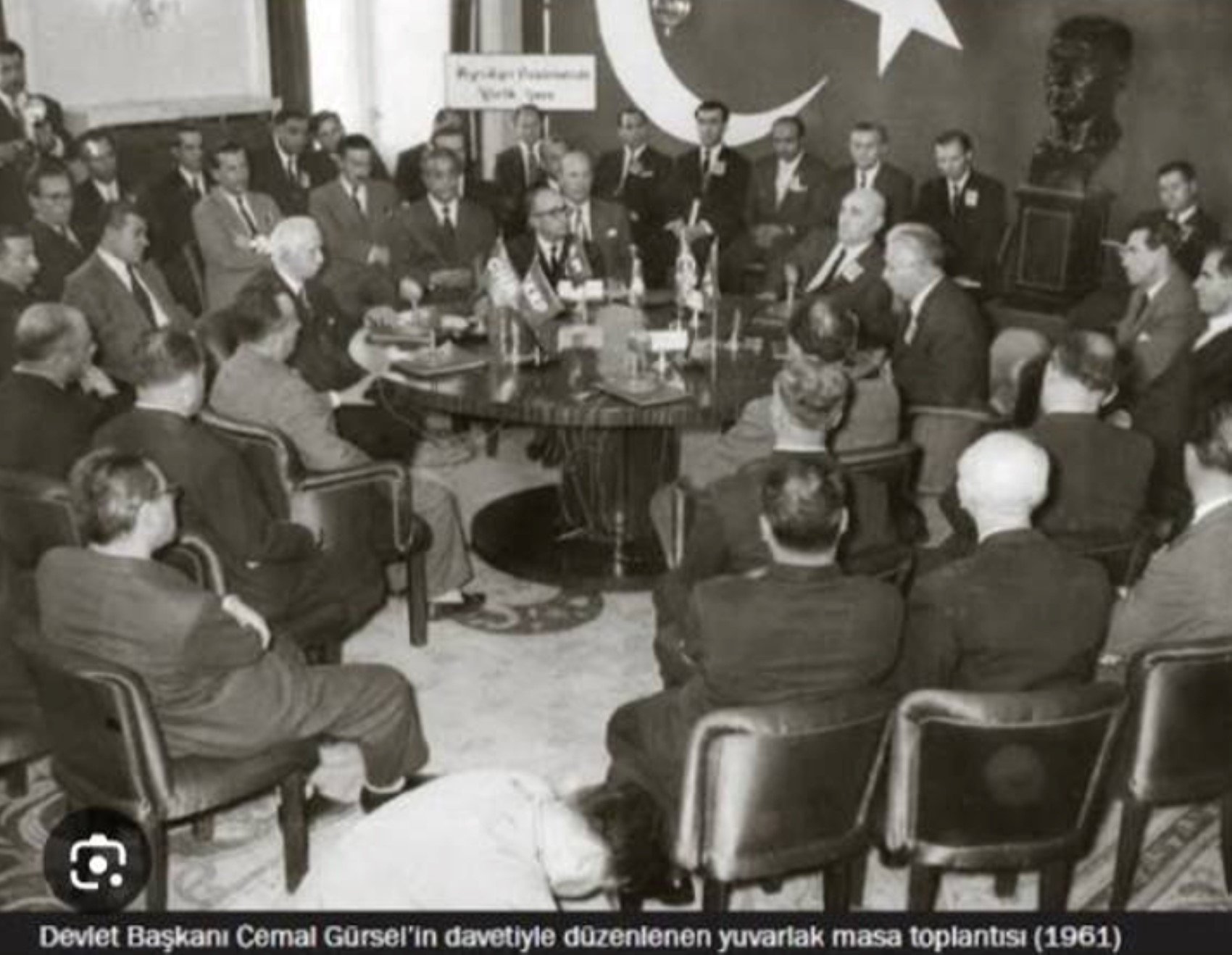
Başgil could not have been elected president on October 26, 1961. The newly elected deputies and senators of the CHP and other parties would have remained committed to the Çankaya Protocol. Başgil the power of the faction that put forward was, in my opinion, limited to the "blank votes" cast. One must look at the result of the vote taken. The votes cast for Cemal Gürsel: 434, the number of blank votes: 156. Meanwhile, for İnönü, There were votes cast for Ürgüplü, for Başgil, and for Bayar.
It could now be said that “a free election was not held.” This is partially true. There was a bargain in place, and the parties honored their commitments. New regimes are established this way in history. Consider the founding of the Fifth Republic in France, the election of General Charles de Gaulle as president, and the conditions under which the Republican revolution in Turkey took place. In regimes, crossing the threshold it happens this way.
Professor Başgil instead of consulting with the extremists, it would have been more appropriate to meet with the party's chairman, Gümüşpala.
Regarding Fahri Özdilek, Başgil said, 'from public opinion' and the country wrote that he was 'unaware of the reality'. But he himself does not seem very aware of the 'political reality'. The dynamics of politics are often constitutional law in his books does not happen as foreseen.
He also uses the phrase “the victory of the democratic front” in his memoirs. All parties other than the CHP the democratic front while forming, from the elections first emerging and millions of citizens' votes received by the Republican People's Party does not find "democratic." İsmet Pasha and CHP hostility Başgil the professor's judgment has been quite impaired, in my opinion.
Furthermore, the CHP other than that the parties would unite around his own candidacy he believes they will. This politically not realistic.
RELATIONS WITH THE REPUBLICAN PEASANT NATION PARTY
The Democrat Party having been closed down, the Republican Peasant Nation Party could have filled the political vacuum that emerged. There was even some movement in this direction. The party's its leader is well-known: Osman Bölükbaşı.
Bölükbaşı had participated in the founding of the Democrat Party but later parted ways. It is understood that he met with Başgil several times to discuss the political balances after May 27.
Başgil extends significant credit to the CKMP. After a while, when the ballot box appears, he states that the CHP will once again fail to be elected. He criticizes the CHP for its “Moscow-style statism” and secularism. accuses.
He follows a logic like this. The space vacated by the DP could be filled by a party close to it. And that is the CKMP. From the memoirs, Bölükbaşı's the Professor of political activities after his release, to the CKMP invited it is understood.
COULD BAŞGİL HAVE LED A COALITION OUTSIDE OF THE CHP?
Başgil, resigned from his senatorship and returned to Istanbul. A short time later, he was visited by Istanbul deputy Ferruh Bozbeyli and Rize deputy Arif Hikmet Güner. The date: November 7, 1961.
The visitors asked Professor Başgil to support a candidate of the parties to lead the formation of a coalition government. They wanted him to take the lead.
Başgil, in order to meet with politicians, went to Ankara. The atmosphere in Ankara was not at all conducive to this. These developments show that some members of parliament are acting independently of their party leader. The leaders (Bölükbaşı and Alican) to the event positively did not approach.
Bölükbaşı did not even accept the prime ministry offer. He said, "I cannot accept it" for the sake of the "salvation of the country." he said.
Bölükbaşı's stance as merely "the soldiers would not accept do not” as it is not correct to interpret. The New Turkey Party was also a party founded by those who broke away from the Democrat Party with liberal arguments. party. Ekrem Alican is a politician who accepted a ministry in the National Unity government. The CKMP, on the other hand, is In the 50s, he had built his politics on opposition to both the CHP and the DP. I would like to make
an observation regarding this matter: İsmet Pasha's second government even after his resignation (1963), the parties opposing the CHP were hesitant about forming a coalition government. Given that İsmet İnönü formed his third government with independents, the anti-CHP of the front forming the government conditions did not yet exist. These conditions would emerge after Demirel became the chairman of the AP. would be born.
BAŞGİL'S SITUATION AFTER 1965
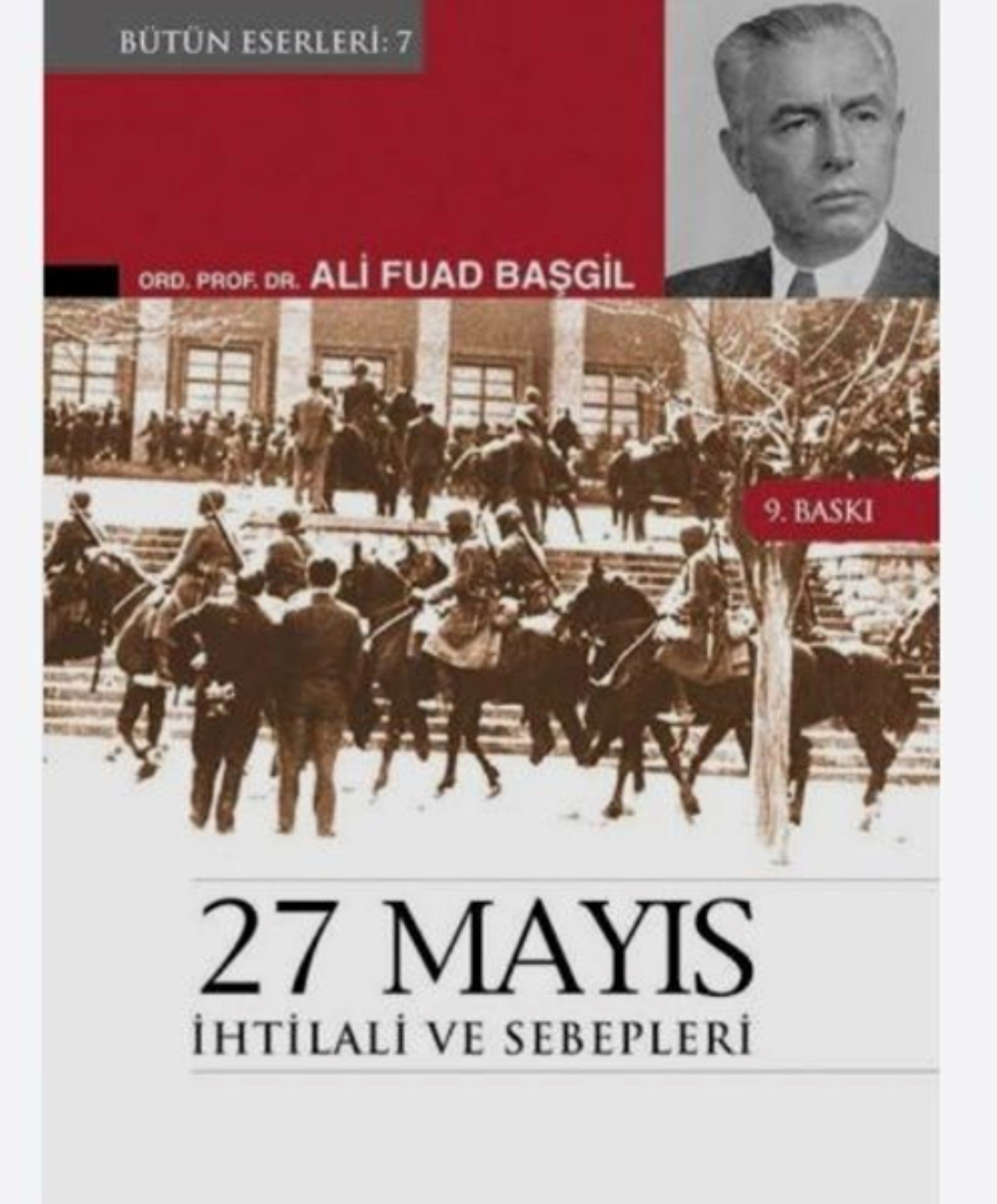
Professor Başgil after resigning from his position as senator went to Switzerland. He lived there for a long time. He published articles in newspapers close to the Justice Party. In the meantime, a book titled "On the Causes of the May 27 Revolution" in French wrote. The book was translated into Turkish by former prosecutor Mehmet Ali Sebük. Sebük, for Nazım Hikmet's release great struggle who provided was a man of law. At the end of the 40s he had begun practicing law. In Ahmet Emin Yalman's newspaper he published a long serial. He titled his writings "Nazım's Struggle for Freedom" under the title had published. Sebük, after the 50s, for two terms was elected as a deputy for İzmir from the Democrat Party.
As for Başgil's final position in the AP, Justice Party General Chairman Following the sudden death of Ragıp Gümüşpala in Istanbul, an extraordinary congress was held in November 1964.
At this congress, besides Demirel and Bilgiç, there were two more candidates. Tekin Arıburun and Ali Fuat Başgil. The last two candidates received very few votes. Of the 1,679 votes cast at the congress, 1,072 were given to Demirel. This result, in October 1961, meant that Başgil, who was expected to lead the party, had reached this point far from having fallen shows.
Professor Başgil was elected as a deputy for Istanbul in 1965, along with his student Ferruh Bozbeyli. Istanbul deputy was elected.
Other interesting figures who entered parliament from Istanbul in this election figures such as Çetin Altan, Sadun Aren, and Mehmet Ali Aybar TİP became members of parliament. Orhan Birgit, Orhan Eyüboğlu, and Coşkun Kırca, on the other hand, from the CHP became members of parliament were elected.
PROFESSOR BAŞGİL'S PASSIVE SECULARISM UNDERSTANDING
Regarding secularism, there are two concepts: Passive secularism and exclusionary secularism. The professor is in favor of passive secularism. But on one hand the state is tasked with the duty of "training enlightened clergy."
For this reason, Professor Başgil holds contradictory views on state-religion relations. He accuses Inönü of leaving religious education to wither away over time. accuses. Başgil, while calling on the secular state to provide more religious education and to train Directorate of Religious Affairs personnel, on the other hand of the state in the religious sphere a passive understanding of secularism that advocates for non-interference believes.
Passive secularism is religious that remains distant from institutions and organizations state. It does not intervene, nor does it provide resources. For example, in the USA, every church generates its own resources. In England, the crown is the head of the Anglican Church for historical reasons. The head of the English Church is officially the king. The Anglican Church has become identified with the British monarchy. For this reason, in England, it exists in practice. Not officially.
In France, however, in 1905 the church the state sphere was removed from. The church is "outside the state" but is controlled by the state. Religion is not left to its own devices. It is kept under surveillance by the state.
During these years, Cumhuriyet Newspaper is closer to the Democrat Party line. Nadir Nadi was elected as a member of parliament from the DP list. Professor Başgil's articles are being published in Cumhuriyet.
He argues that the state should not interfere with religious institutions. Başgil says, I advocate for passive secularism. and then right into the middle of reactionism in the time that will pass. One of Professor Başgil's most erroneous views is believing that passive secularism could be implemented in Turkey.
BAŞGİL AND NURCULAR MOVEMENT
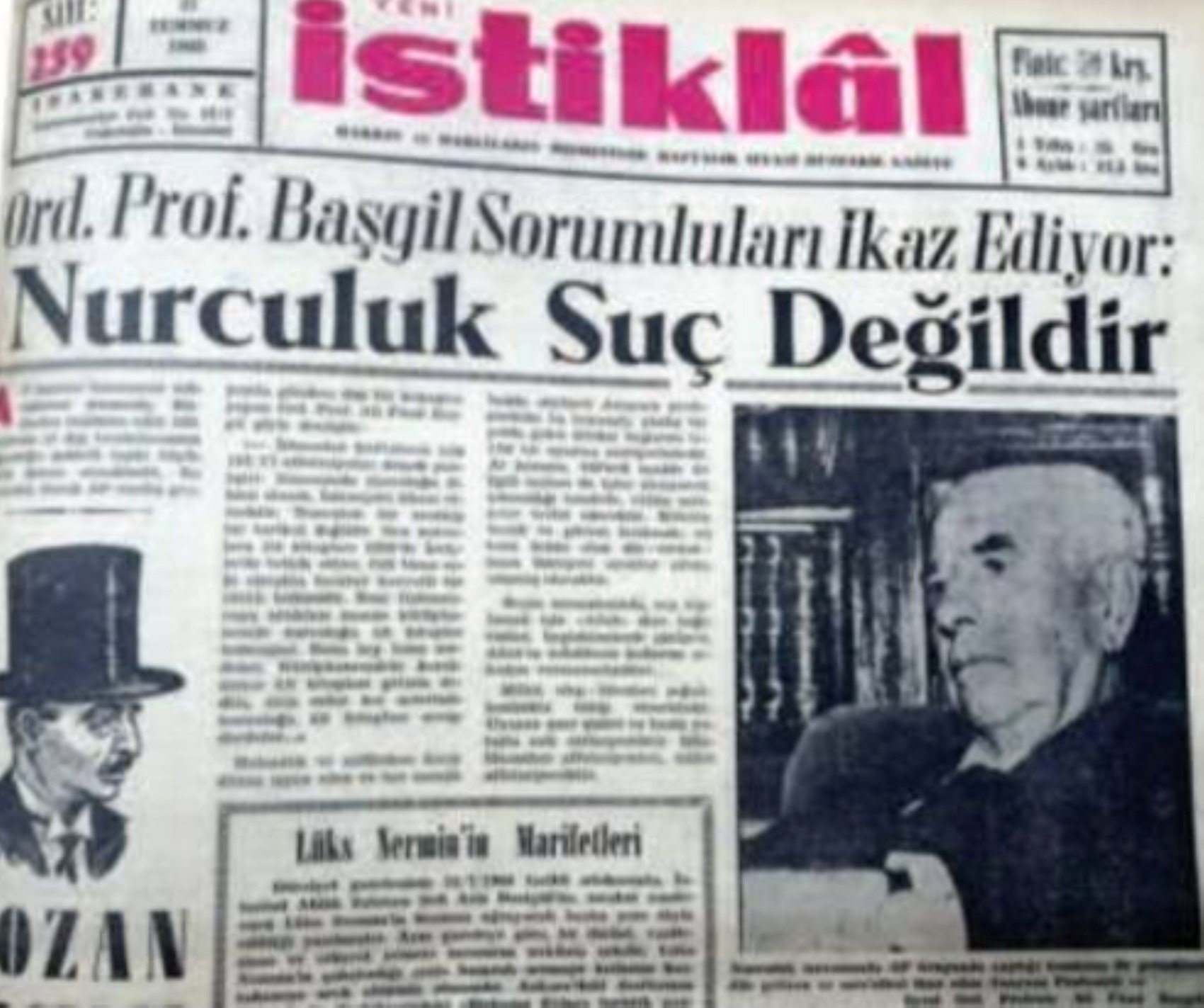
Ali Fuat Başgil mistakes the Nur Community for a civil society organization. Şerif Mardin will also say similar things later on. After completing his doctorate in the USA and at Ankara Faculty of Political Science at Ankara Faculty of Political Science after becoming a faculty member. We, too, read his writings in the 80s. Said Nursi since the Constitutional era a well-known name. He also came to the First Parliament good treatment received. The Risale-i Nur treatises are being copied Nur students are being spread by. The Nur students of Said Nursi apostles. The Democrat Party wants to utilize Nurculuk. Especially Menderes. Celal Bayar turns a blind eye. Menderes has allocated a car to Said Nursi and is having him conduct party propaganda. The sects' all of them support Menderes. The most powerful of these is Nurculuk.
A small reminder: Fetullah Gülen is also a figure who emerged from within the Nur movement.
The Nur followers It became one of the most effective weapons in the DP's anti-CHP policies. To prove that the CHP was an anti-religious party, a great deal of organized propaganda was carried out. As if Menderes were very religious.
With Başgil corresponding many Nurcu followers exist. They are sending him letters. They are asking questions. The professor is still in the mood for civil society and passive secularism. The National Unity Committee government by the eventually arrested Başgil, not only for the views he put forward in his writings but also due to his relations with the Nurists is also being accused in the military court.
I would like to remind you of what the investigating judge said: “Nurculuk is a crime. Don't you know that?” Despite
all these relationships, in my opinion, Başgil was a religious person. not at all. Certainly not a Nurcu. Despite coming from a pious family from Çarşamba. His relationship with religion is the same as other Democrat Party elites. I do not believe he was someone who observed religious duties. "My faith is strong... God may he forgive me" a member of his party. like Bayar and Menderes that is.
The Nurcu community benefited from him. Through his views in favor of liberty, they sought to create a channel for themselves.
For this reason, Başgil is seen by Kemalist circles as the person who paved the way for reactionaries and bigots.
I, Başgil I do not see a conscious encouragement of reactionary thought in his ideas. The professor believed he was defending freedom of thought and belief. But the result was this.
I would also like to share this observation: Istanbul Law In his faculty, there are two chairs of Constitutional Law. Those recruited for the academic career at the chair headed by Başgil are all conservative figures. Servet Armağan, Selçuk Özçelik, Just like Burhan Kuzu. You can guess who was at the other podium and what they represented.
BAŞGİL'S MISCONCEPTION REGARDING SECULARISM
Başgil, viewed religion as a sphere of civil society in which the state does not intervene. But on the other hand, in contradiction to this had views. From the state he expected the training of an 'enlightened' clergyman. He expected İsmet Pasha to [reform] the religious establishment in time for condemning to regression. He was accusing. This was a contradictory stance.
Looking back from today, Başgil's views on "training clergy" and religious civil society in the field of freedom of organization understanding as entirely counter-revolutionary has yielded results.
In the realm of civil society, the unregulated organization of religion has left our country in a worrying state of a cult into a spiral. has dragged.
The state-led teaching of religion, the formation of its cadres, and the religious cadres the state sphere completely taking over experiencing the result has yielded. The professor's views were wrong. Time has shown this.
Professor Başgil's assertion that the state does not interfere with religion in the West is also not accurate. It does so when necessary. France, where he lived and studied for a long time, is an example of this. In the France of the 1920s, where he received his education, the republic was politically divided. The limitation of the religious sphere was a matter of great importance to radical republicans, the radical left, socialist, and communist parties. was the subject. Apart from conservative parties, no segment in the religious sphere was advocating for freedom. Freedom was limited to church practices.
It should not be forgotten that the French Revolution both against the aristocracy and against the clergy was a revolution carried out. The Enlightenment—at the same time—meant a secular world to create. was coming.
France, “religion within the state under control” which it kept a century-old a after the experience, the 1905 law completely removed it from the state sphere.
In France, religion is outside the state sphere. However, is an institution supervised by the state. In France, there is not passive secularism, but exclusionary secularism.
Professor Başgil’s for Turkey passive secularism as a requirement of liberal democracy the proposition was not realistic. Başgil's thought put at risk secularism, which is the foundation of the republic. After the 50s the religious policies implemented of the state resulted in its religionization.
For the last 30 years, Turkey has been governed by a team that adopts Başgil's understanding. The implementation has yielded the exact opposite results. Religion in public life has been the fundamental determinant. In my opinion, secularism does not exist in practice.
Ultimately, Başgil, of religion (with its institutions and personnel) what kind of a hegemony power has failed to see that it is.
ANOTHER THOUGHT OF PROFESSOR BAŞGİL THAT I DO NOT AGREE WITH
The professor's Another view I do not agree with is his opposition to proportional representation. In my opinion, parliament should be elected through full proportional representation. General vote all colors to parliament must be fully reflected. The point I consider most important in terms of democratic legitimacy is in representation is justice.
Right-wing parties for three-quarters of a century have derived their governing legitimacy from the "national explain it with 'will'. However, the national will is not an abstraction. It is the will of the nation reflected in Parliament. But interestingly, starting with the Democrat Party, the Justice Party, the Motherland Party, and finally the Justice and Development Party governments in all the election laws they have enacted have attempted to prevent true representation. Since 2002, we have seen the most extreme examples of this.
Başgil, was opposed to proportional representation, which makes it difficult for elections to produce a single-party government. He was a majoritarian. In my opinion, this stance is, deeply flawed (defective) in terms of the manifestation of the national will in the Grand National Assembly of Turkey (TBMM). creates a situation. Başgil also did not prioritize justice in representation, and in parliament and government adopted majoritarianism. This reflects a style of thought consistent with all colors of the Turkish right.
OF THE NATIONAL UNITY COMMITTEE CONTRADICTORY PRACTICES
The National Unity Committee administration engaged in many contradictory practices. For example, Başgil, regarding the opening of the Constituent Assembly, opening was arrested during those days, and in revolutionary circles, he was accused of being a man of the Democrat Party.
The professor was arrested. In the end was acquitted. Meanwhile, the Constituent Assembly continued its work. The constitution-making process was completed.
Before the referendum, it was decided to hold introductory talks on the constitution on the radio. The situation It was different from September 12. The committee did not identify itself with the text of the constitution.
Cemal Gürsel did not go on tours to “promote the constitution on behalf of the state” like Kenan Evren. It was possible to criticize the constitution. The result of the referendum also demonstrates this.
What is interesting is that the Istanbul radio administration, prior to the referendum, had included Professor Ali Fuat Başgil on the list of speakers and had invited him. To avoid speaking on the radio, the professor went to Erdek for a vacation. In other words, Istanbul radio had invited a constitutional law professor who had been detained for two months to the radio station.
A similar situation applies to my professor Tarık Zafer Tunaya. Constitutional Law professor Tunaya was among the 147. He had been dismissed from the university. This operation was attributed to the 'Group of 14' who were to be removed from the Committee.
Ultimately, a few months later, Tunaya joined the Constituent Assembly as a representative for the province of Istanbul. He took part in the constitutional commission. In fact, he was one of the architects of the 1961 Constitution. the magnificent literary preface (foreword) written by my mentor Tarık Zafer Tunaya.
The conclusion to be drawn from these developments is that, the National Unity Committee showed significant instability during the period it held power. The revolutionary administration hardened and over time there were periods when he changed his policies accordingly.
ACCORDING TO BAŞGİL, THE CAUSE OF THE REVOLUTION IS ONAR'S ATTITUDE
28-29 The April events accelerated the path leading to May 27. Following the enactment of the Investigation Commission law on April 27, students at Istanbul and Ankara universities demonstrations had taken place. The government had intervened harshly against the students.
Following the increase in demonstrations at Istanbul University, the Istanbul Governorship intervened in the university with mounted police. The police entered the university without a request from the Rectorate. upon entering, Sıddık Sami Onar begins a discussion with the police chiefs regarding the “administrative autonomy” of the university. Onar states that without the request of the university rector, police forces that he cannot enter the campus. A scuffle breaks out. The rector falls to the ground. Or is pushed down. He is taken to the Police Department and after receiving minor treatment, is brought back to the university.
Başgil finds it inappropriate for Onar to appear before the students while bandaged. The events that it flared up after this, and that Onar provoked the students with this attitude.
As Rector, he should have maintained his composure. There are times when one must "swallow blood and drink pomegranate juice"— that is to say, endure in silence. This is what greatness is," he writes. Başgil, He believes that Onar exaggerated his minor injury during the scuffle to inflame the events.
Başgil not only disapproved of Onar's conduct as Rector but also held a dismissive view of him academically. expressions used in his memoirs.
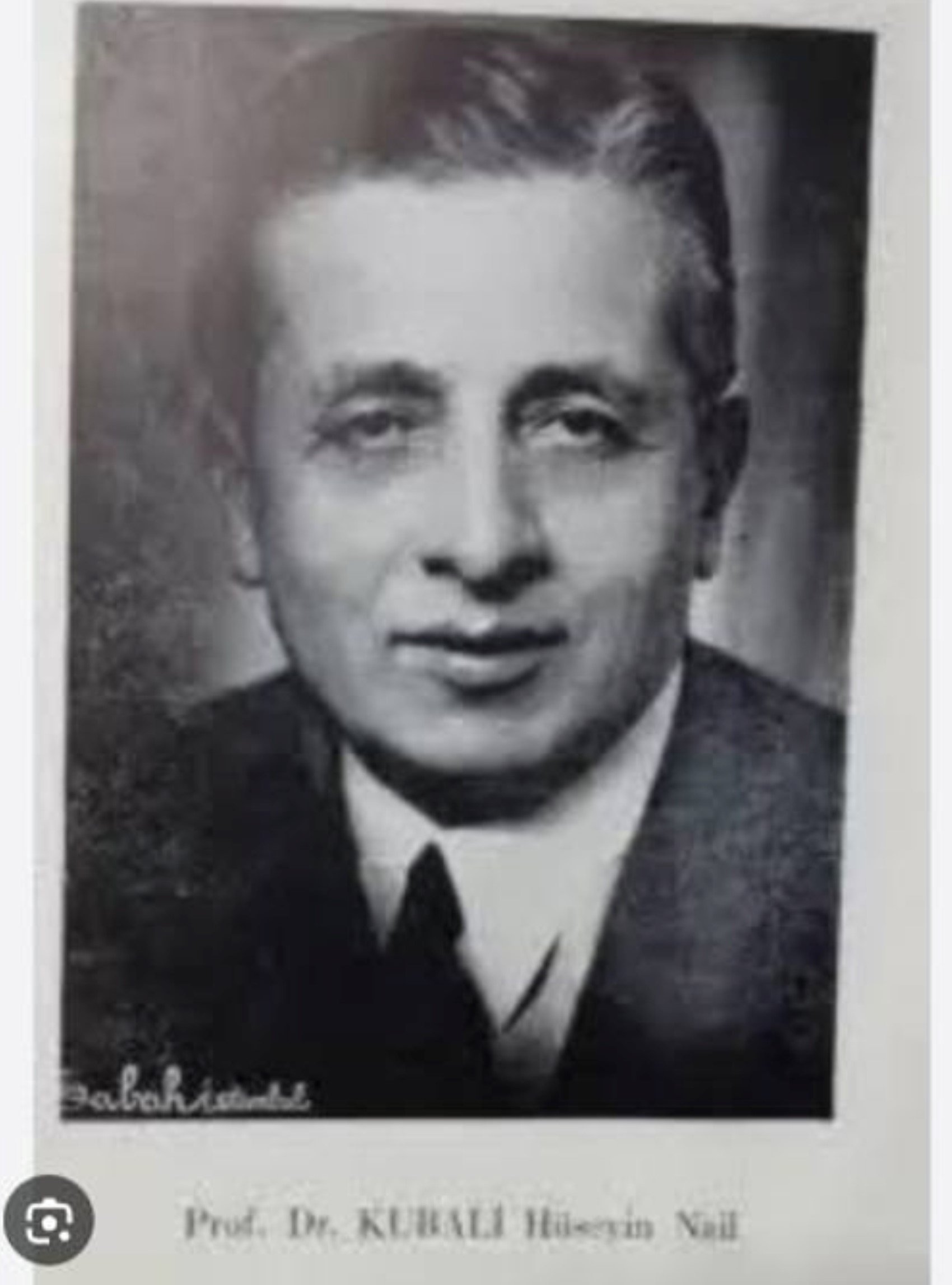
WORDS REGARDING KUBALI
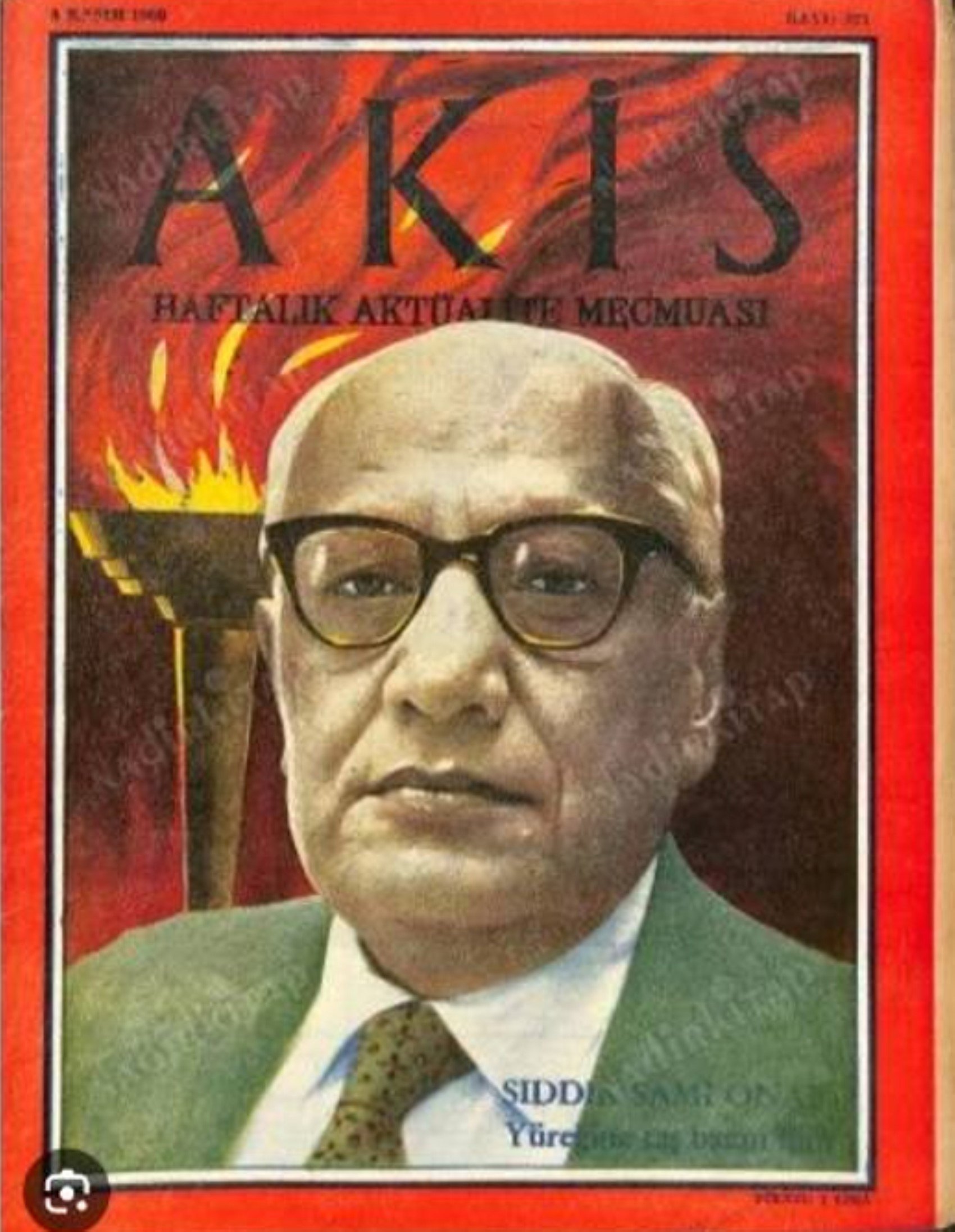
In my opinion, Başgil finds not only Onar's but also Kubalı's legal expertise weak and belittles it. He particularly mocks his demeanor and attitude during his testimony at Yassıada. The Court of Justice “violation of the constitution in his case,” he listened to Kubalı all day. While the President of the Court gave Kubalı the opportunity to speak at length, Başgil was able to speak very little. He describes Kubalı’s demeanor in court as “troublesome.” From this, he characterizes Kubalı as “academically empty—a person who is arrogant.” that he found I conclude.
SOMETHING PROFESSOR ALİ FUAT BAŞGİL DID RIGHT
Başgil was invited to a dinner meeting at Çankaya regarding the constitutionality of the Investigation Committee established by the DP government. It was a meeting where President Bayar, Prime Minister Menderes and the relevant ministers were also present this.
Bayar's “now is the time not for criticism but for punishment time” at the meeting where he said Menderes was uneasy. He spoke at length with Başgil. Başgil stated that he was not a party to anything unconstitutional in the establishment of the commission, but that he saw constitutional violations regarding its powers.
The professor, advised the commission not to exercise these powers which were unconstitutional. While Bayar paid little attention to Başgil's views, Menderes listened to the proposals that would save the Democrat Party government.
Two of these are significant:
Başgil had proposed the formation of a new government under the leadership of Ali Fuat Cebesoy. The name Cebesoy was a name that the CHP could not say no to. It would have lowered the political tension.
Başgil made this proposal He had spoken with Cebesoy and received a positive response. The other proposal was for the government to appoint certain names from the CHP as ministers.
Başgil had taken both proposals to İnönü; a definitive had received no response.
Even if the CHP had not provided any ministers to such a government, a cabinet to be formed under the leadership of Ali Fuat Cebesoy could have calmed the situation. An early election could have been held with Cebesoy.
Bayar's uncompromising, Due to Menderes's hesitant stance and İsmet Pasha's “political maneuvering,” this option could not be studied sufficiently.
Most Read

Striking picture for Özgür Özel's 'New Party'

The PKK opening and Özgür Özel’s path!..

How did the newspapers view Özgür Özel's farewell to the CHP?

He killed his wife by slitting her throat: Their children witnessed the moments

What did the CHP do?

Özel’s new party move in the world press

Fire at TUSAŞ engine factory in Eskişehir under control

The New CHP, against CEHAPE

From self-efficacy to despair

Kılıçdaroğlu's first message on Özgür Özel's new party announcement