



THE ORIGIN OF THE GENERAL STAFF
The Bab-ı Seraskeri (Office of the Serasker) had become the Ministry of War with Ottoman modernization. The General Staff Presidency (GKB) was a department organized under it.
After the leadership of the National War of Independence took over the administration, it requested the establishment of a ministry under the name of the Ministry of the General Staff, separate from the Ministry of National Defense, within the Council of Ministers. Upon the request of TBMM (Grand National Assembly of Turkey) Speaker Mustafa Kemal Pasha, Colonel İsmet Bey was brought to the head of this ministry.
Major Salih Omurtak (GKB in the 40s) was tasked with establishing the general staff headquarters, which was organized as a ministry. After the Commander-in-Chief Law dated August 5, 1921, Fevzi Pasha was appointed as the Chief of General Staff. The Front Command remained under the responsibility of İsmet Pasha. Fevzi Pasha continued this duty within the government until the revolution laws of March 3, 1924. The ministry was transformed into a high command position outside the government. Marshal Çakmak retained the title of Turkey's first Chief of General Staff until he retired due to the age limit in 1944.
Under the Marshal's command, the Turkish Army's organizational structure continued to adhere to the principles remaining from the First World War and the years of the National Struggle.
The status of the GKB as being directly subordinate to the presidency was maintained during the single-party years. This status was changed on the eve of the transition to multi-party life. The GKB was first attached to the Prime Ministry and then to the Ministry of National Defense.
From 1944 to 1950, individuals who had actively participated in the national war of independence at the rank of colonel and below were brought to the GKB. Respectively, Kazım Orbay, Salih Omurtak, and after Nuri Yamut served as acting chief for a short time, General Abdurrahman Nafiz Gürman was appointed as the Chief of General Staff.
PARADIGM SHIFT IN THE ARMY
The Turkish Army's characteristic of being the guardian of the republican revolution and the army of the homeland remained under external influences after 1946. It suffered erosion. It also underwent significant internal changes. It would not be wrong to say that the Pentagon put a lot of effort into this matter.
In this sense, the visit of the USS Missouri aircraft carrier to Turkey on April 5-9, 1946, constitutes an important turning point. After this visit, Turkey rapidly entered the US orbit. And so did the Turkish army.
The official reason for the arrival of the USS Missouri at the Port of Istanbul was to bring the funeral of our ambassador, Münir Ertegün. Our ambassador had passed away in the US during the war years and had been temporarily buried in Arlington National Cemetery.
When the Missouri came to Turkey, the Democrat Party had just been founded. Multi-party elections were to be held a few months later.
The reluctance of Turkish administrators to open a front from the Balkans during the war years had been met with dissatisfaction among the allies. But when other things came into play, the balances changed. The negative attitude maintained against Turkey dissipated under the leadership of the US.
The start of the Cold War faster than expected with the Berlin blockade (1948-1949) prompted Turkish administrators to take their place on the US-led front.
Turkey had become a part of the new world order with Hasan Saka signing the United Nations Charter at the San Francisco Conference. It chose the Western Bloc.
Although Turkey did not meet the allies' demands during the war, it had a large army. The fact that it was equipped with old weapons was not considered important by the US. What mattered was the human resource. Modernizing the weapons was not difficult. The rapprochement that would result in joining the North Atlantic alliance (1952) began during the CHP era (1946). It intensified after 1949.
The depth and breadth of this rapprochement did not sufficiently satisfy the American foreign and defense ministries due to the "nationalist suspicions" of the staff cadres coming from the National Struggle. However, there were sufficiently eager cadres (political and military) to realize these goals.
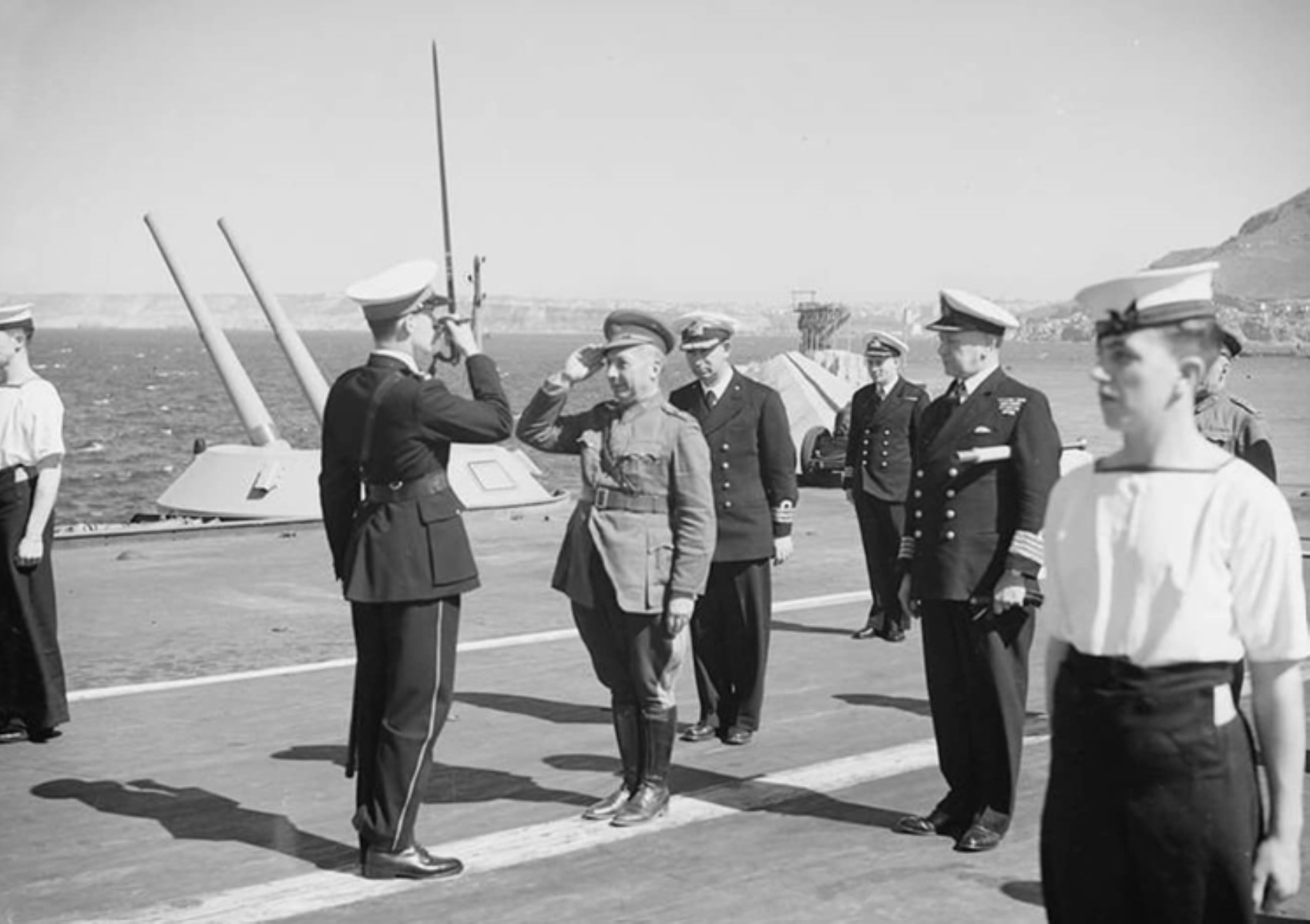
(General Abdurrahman Nafiz Gürman, on a US aircraft carrier in Malta. 1944)
US INTEREST IN THE TURKISH ARMY
General Lawton Collins, who came to Turkey in 1949, met with İnönü and Minister of Defense Hüsnü Çakır in Ankara. US Ambassador Wadworth and the head of the military aid delegation, Horace Mac Bride, also attended the meeting.
From the reports, it is seen that the Americans were not satisfied with the Turkish general staff.
US Secretary of State Mc Gee, after a series of fact-finding trips including Turkey, Greece, Saudi Arabia, Iran, and Egypt, reported that he found the Turkish generals too nationalist. The US did not like İsmet Pasha's Minister of Defense, the Chief of General Staff, and the organizational structure of the army.
When the DP came to power, its first act was to appoint General Yamut in place of General Gürman. Lieutenant General Şahap Gürler was brought to the Second General Staff Presidency in place of General Aksalur.
Salih Omurtak and Kazım Orbay were retired. The 1st, 2nd, and 3rd Army commanders were made members of the Supreme Military Council. After a while, they were retired. These decisions meant removing the commanders from commanding troops and assigning them to passive duties. The commanders removed from active duty in this way were Tınaztepe, Tuğsavul, and Berkay.
The Naval Forces and Air Force commanders were also brought to the center. New names were brought in their place.
THE RISE OF PRO-US CADRES IN THE ARMY AND NURİ YAMUT
Fevzi Pasha's overly conservative organization, appointment, and promotion criteria were not actually well-received in the army. I am sure that his retirement was met with joy in the lower ranks.
Fevzi Pasha's departure from the army stimulated the willingness to stand out in the ranks immediately below him. It made it more open. Competition for high command levels became visible. There was an increase in the number of those willing for the chief of general staff, army commands, and other important military positions.
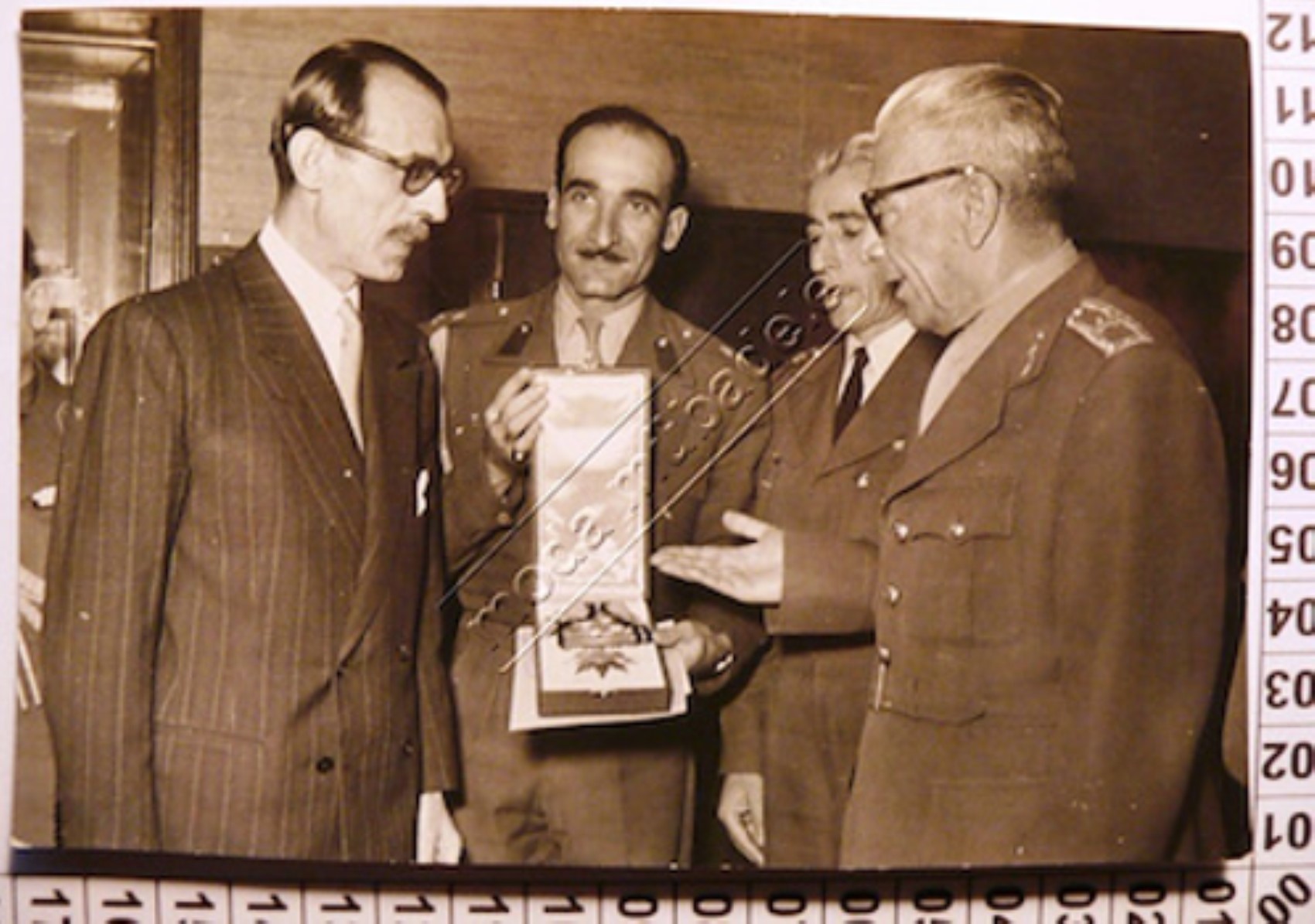
(General Nuri Yamut)
In the Turkish right, Nuri Yamut is a portrait sanctified by his commitment to national will and democracy. Recently, I have encountered quite a wide literature in the religious right. As if what they are defending is a democratic social order and the rule of law.
What happened to Nuri Yamut is, of course, sad for a general raised in the Turkish army. Yamut is from the generation that participated in the War of Independence. However, the comments about him are based on a shallow and distorted right-wing scenario.
If we start from the end, the May 27 revolution arrested retired general and Democrat Party deputy Nuri Yamut. He was subjected to humiliating treatment. He passed away in the Military Naval Hospital in 1961 while the Yassıada trials were ongoing. If he had lived, he would most likely have been convicted like Rüştü Erdelhun.
General Nuri Yamut is, in my opinion, the symbol of the paradigm shift in the Turkish general staff after the Second World War.
During the period he was at the head of the army, Atatürk and İnönü's understanding of national defense and military hierarchy was abandoned.
General Yamut's appointment to the position of chief of general staff and the way he took over the duty were not only contrary to the traditions of the Turkish army but were also not elegant.
Before the Council of Ministers Decision was even published in the Official Gazette, a coup was practically carried out with a wet-signed document brought by an aide-de-camp to the GKB Abdurrahman Nafiz Gürman, who was seen as an İnönüist. While the notification document was being presented, General Yamut appeared at Gürman's door; Gürman was left in astonishment and left his office with sadness. I interpret this event as General Yamut's coup against Gürman through the political power. Why?
Let me explain the event as follows: Before Gürman, after Omurtak, Yamut had served as acting GKB for a short time. Omurtak was ill. He was probably waiting for a permanent appointment. İsmet İnönü appointed Gürman. I interpret this state of appearing at the door with the government's document as the expression of a historical anger with the opportunities provided by the new political environment.
It is understood from the reports of the time that the US was extremely pleased with General Yamut. In the summer of 1950, Yamut played an active role in the decision of the Turkish army to participate in the Korean War. And in joining NATO. General Yamut was presenting the profile of a general who was on the side of the US and a supporter of the Democrat Party government. This is my assessment.
The success of the Turkish Brigade in the Korean War increased Yamut's credit in the eyes of the Democrat Party government and the US. He was elected as a deputy from the DP in the X. and XI. terms of the TBMM.
ACTING CHIEF OF GENERAL STAFF
When Nuri Yamut became a deputy in 1954, General Şükrü Kanatlı acted as the chief of general staff for a while. General Nurettin Baransel was appointed permanently. Baransel was removed from office after a while. General Abdülkadir Seven was brought to this position as acting chief. The Democrat Party did not appoint any general to the position of Chief of General Staff permanently until 1956. On June 6, 1956, İsmail Hakkı Tunaboylu was appointed to this position.
The Democrats adopted the policy of assigning acting chiefs to the general staff. They wanted to emphasize that the person appointed as acting chief was not the real commander of the army. This, of course, caused the person in office to feel weak against the government.
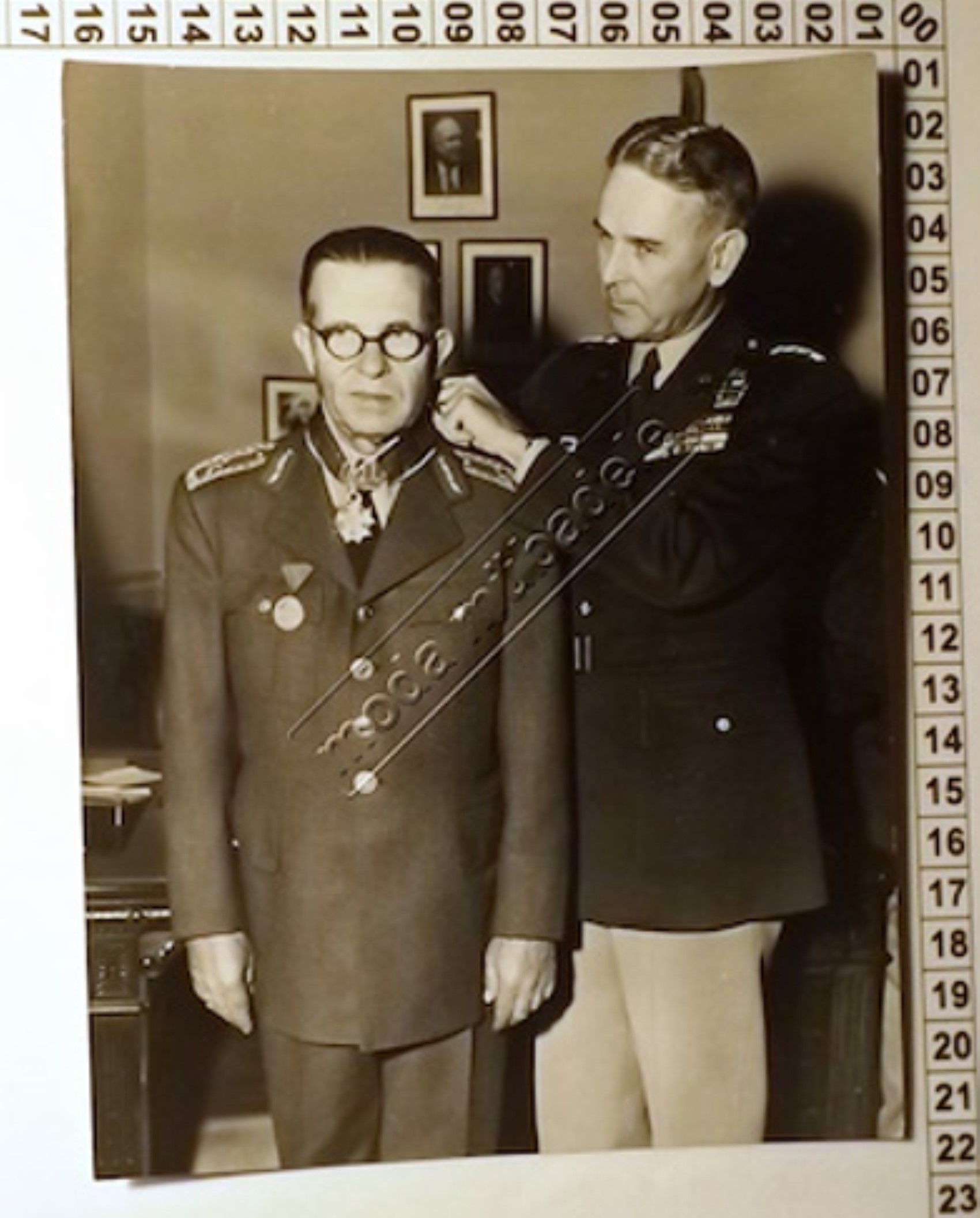
(General İsmail Hakkı Tunaboylu)
MUSTAFA RÜŞTÜ ERDELHUN'S CHIEF OF GENERAL STAFF
During the September 6-7 events (1955), the army was used as an internal security apparatus. After these events, this trend continued to increase. From then on, the army began to be used not as the country's army, but as the army of its government. It was pushed forward in many events as a tool of oppression.
Even in the 1957 elections, even the Air Force was used against the public's uproar. Menderes was able to suppress the protests against the irregularities in the Antep elections by ordering jets to fly low.
It is understood that especially President Celal Bayar did not want a staff cadre that could act autonomously from the government, with an intuition coming from the Committee of Union and Progress. Bayar was probably seeing that autonomy carried the potential for opposition within it.
For this reason, the way was paved for Mustafa Rüştü Erdelhun with various maneuvers. After Erdelhun was appointed permanently, the DP leaders must have felt more comfortable.
According to military traditions, it would have been normal for Erdelhun to retire in 1960 and for Land Forces Commander Cemal Gürsel to be appointed as Chief of General Staff.
However, the Council of Ministers Decision that extended Erdelhun's term of office resulted in Gürsel's retirement on August 30. For this reason, after the sincere letter he wrote to Ethem Menderes, he went to İzmir on leave.
In the end, Gürsel was brought to the head of the National Unity Committee after the May 27, 1960 revolution, which he knew about but did not actively participate in. He began to issue declarations and decisions by donning the powers of Head of State and commander-in-chief. He became one of the determining actors of the constitution-making process and the establishment process of the 1961 democracy.
THE REASON FOR BAYAR AND MENDERES'S DISTRUST OF THE ARMY
The reason for the Democrat Party leaders' distrust of the army is that there were military coups in the nearby geography. There were military coups in Egypt in 1952 and in Iraq in 1958. Between 1949-1954, officers supporting the Ba'ath Party in Syria carried out coups 5 times. These developments kept the DP government on alert against the possibility of a coup, despite being a NATO member, the US, and intelligence.
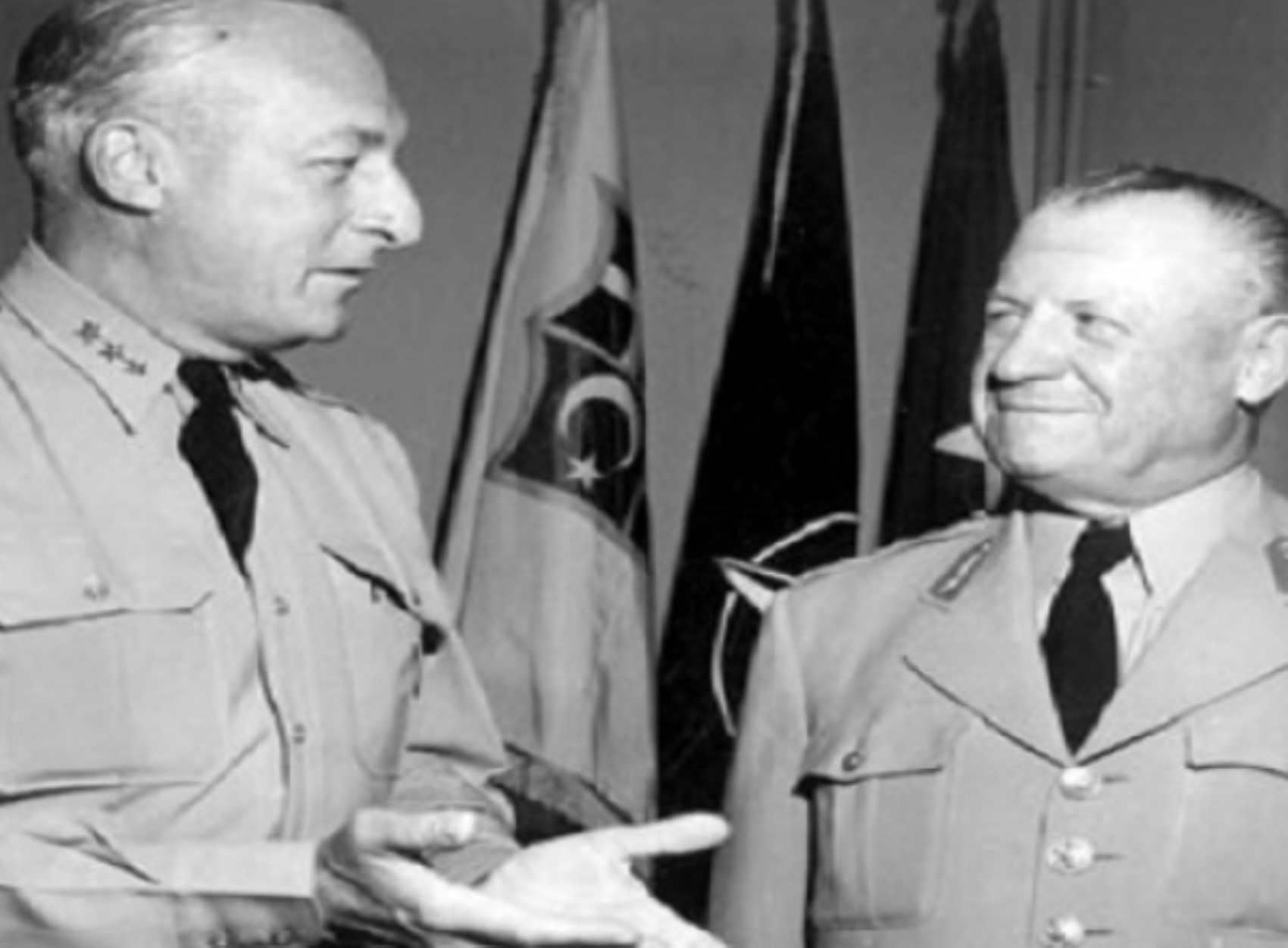
(General Mustafa Rüştü Erdelhun)
AFTER MAY 27
After the May 27 revolution succeeded, military cadres who entered politics from the DP or were close to the government were arrested. They were tried in Yassıada. It is useful to mention some names here.
For example, Kemal Çakın was the garrison commander during the Kayseri Yeşilhisar events. General Tekin Arıburun was the Air Force commander. Seyfi Kutbek had entered politics with the claim that he would start a new Nizam-ı Cedid (New Order) era in the army. His rank was Colonel. He became an Ankara deputy in the IX. and X. terms. He was brought to the Ministry of National Defense in 1950. Later, his relationship with Menderes deteriorated. General Nuri Yamut was the former chief of general staff. He was elected as a deputy in the X. and XI. terms. General Nurettin Aknoz had served as the Istanbul Martial Law commander during the September 6-7 events, and had targeted left-leaning intellectuals rather than the vandals who looted minorities. Aziz Nesin, Kemal Tahir, and Vedat Günyol were kept under surveillance by martial law for six months. They spent months in prison. They were released by the court. Aknoz was elected as a Tekirdağ deputy in the XI. term. General İshak Avni Akdağ was a deputy in the X. and XI. terms. Major General Tahsin Yazıcı was the commander of the Korean Brigade. He was made a deputy in the X. and XI. terms. Lieutenant General Yümni Üresin was a deputy in the X. and XI. terms, General Mustafa Rüştü Erdelhun was the last chief of general staff of the DP, Lieutenant General Namık Argüç was the Ankara Martial Law Commander, Major General Kemal Binatlı was the Istanbul Central Commander. Judge Major General Arif Onat was carrying out the duty of Head of Justice Affairs of the Ministry of National Defense. General Fevzi Uçaner was elected as an İzmir deputy in the XI. term. General Nazmi Ateş was also elected as a deputy.
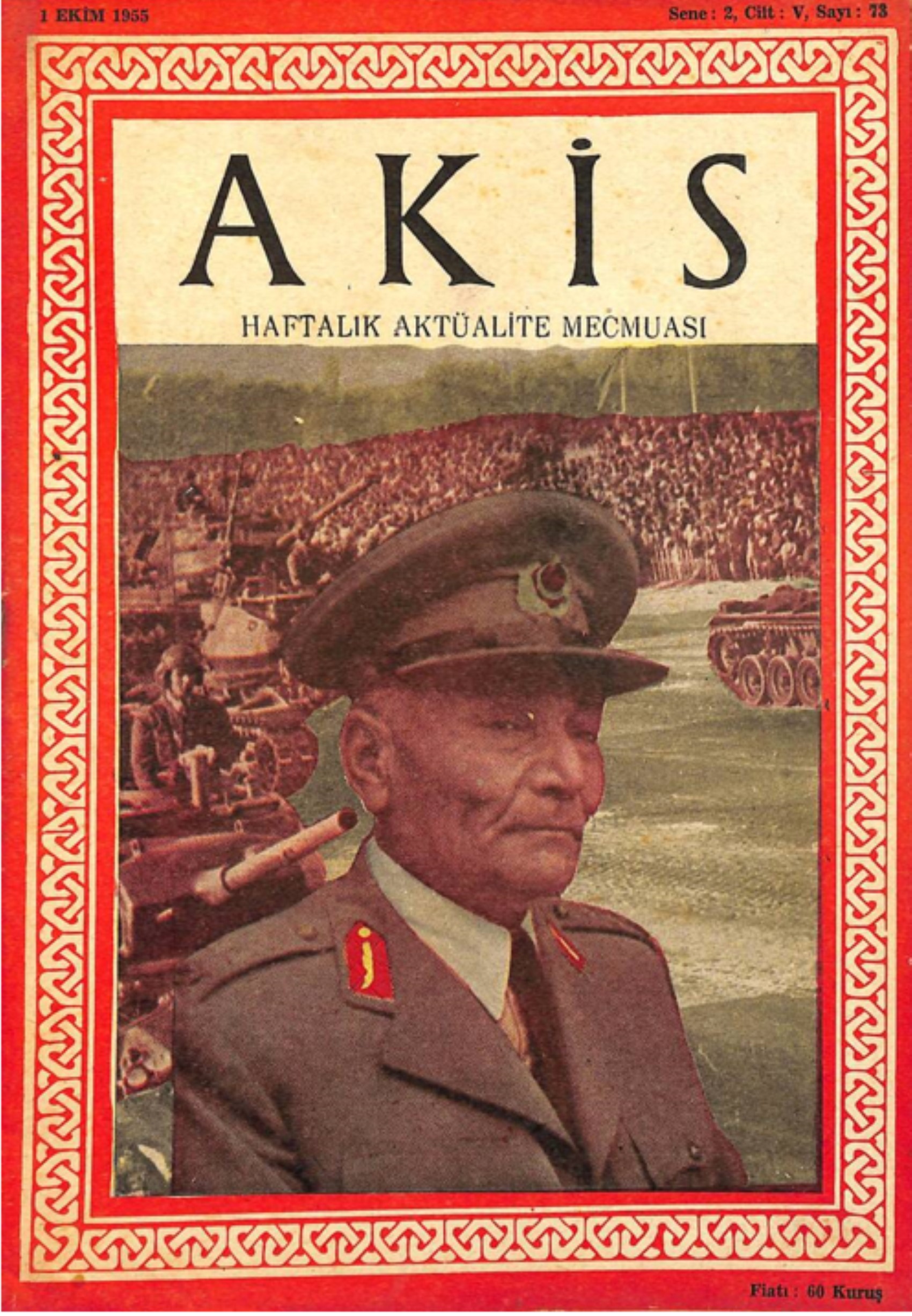
(General Nurettin Aknoz, martial law commander during the September 6-7 events - later a DP deputy)
Apart from these names, many DP deputies who had served as active officers in the army at various ranks, most of whom were military doctors, were arrested. While some of them were released after a while, some were tried in Yassıada and convicted. After the conviction decisions, they were "dismissed from the army." Their ranks were taken away from them. Later, their personal rights were restored with the amnesty laws enacted.
Finally, I would like to remind you that Kazım Orbay and Abdurrahman Nafiz Gürman, who were purged by the DP after it came to power, were appointed as members of the 1961 Constituent Assembly by the National Unity Committee.
Most Read

Striking picture for Özgür Özel's 'New Party'

The PKK opening and Özgür Özel’s path!..

How did the newspapers view Özgür Özel's farewell to the CHP?

He killed his wife by slitting her throat: Their children witnessed the moments

What did the CHP do?

Özel’s new party move in the world press

The New CHP, against CEHAPE

Fire at TUSAŞ engine factory in Eskişehir under control

From self-efficacy to despair

Kılıçdaroğlu's first message on Özgür Özel's new party announcement