



A STONE IS HEAVY IN ITS PLACE-137. LET US NOT FORGET, LET US NOT LET BE FORGOTTEN.
The most concrete example of the cooperation between many branches of Imperialist Europe in the smuggling/theft of historical artifacts from Anatolia, is a marble column found during the construction of the Izmir-Aydin railway in the late 19th century.
In the ancient Tralles region, this stone found in the Aydin area is very important for world and Anatolian music history.
The time is the 2nd century B.C., Pergamon/Bergama It is the period when the kingdom dominated a large part of Western Anatolia.
In Pergamon, the most skilled architects and sculptors of the time were building and decorating the magnificent Altar of Zeus, which could be considered the eighth wonder of the world. The spirit of art in the region was at its peak.
According to the Hellenic inscriptions on a marble column dating back to 200-150 B.C. found in Aydın, Seikilos a person by this name likely had this stone erected as a tombstone for his beloved wife Euterpe and dedicated the inscription on it to her.
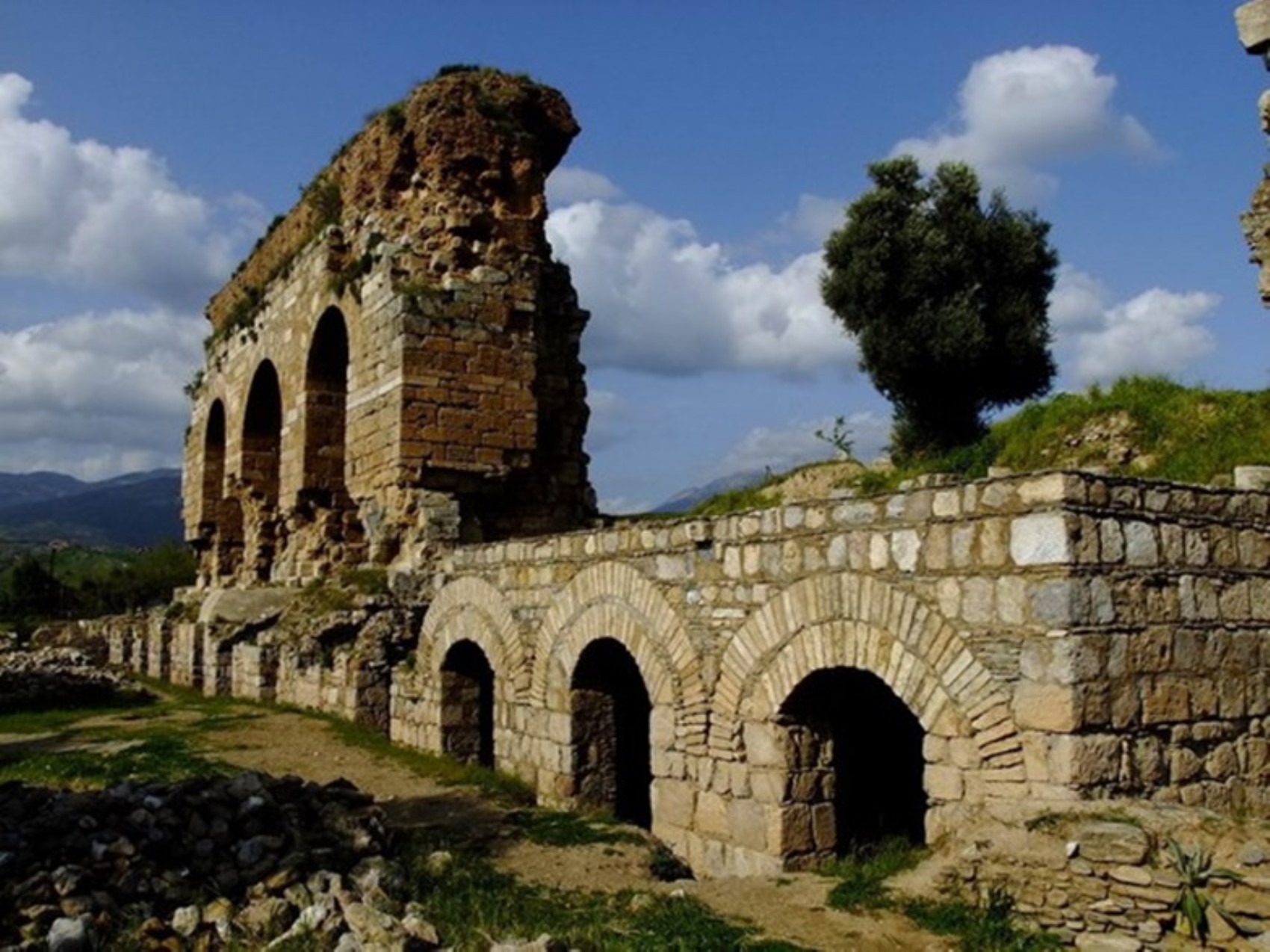
(Trailles/Aydın ancient city - present day)
Seikilos, devoted to his wife, makes the stone speak:
“I am a stone, an image. Seikilos placed me here as an eternal sign of his wife's immortal memory.”
How much Euterpe was loved.
Furthermore, when the inscription on the stone is read, its meaning contains advice that remains valid even today:
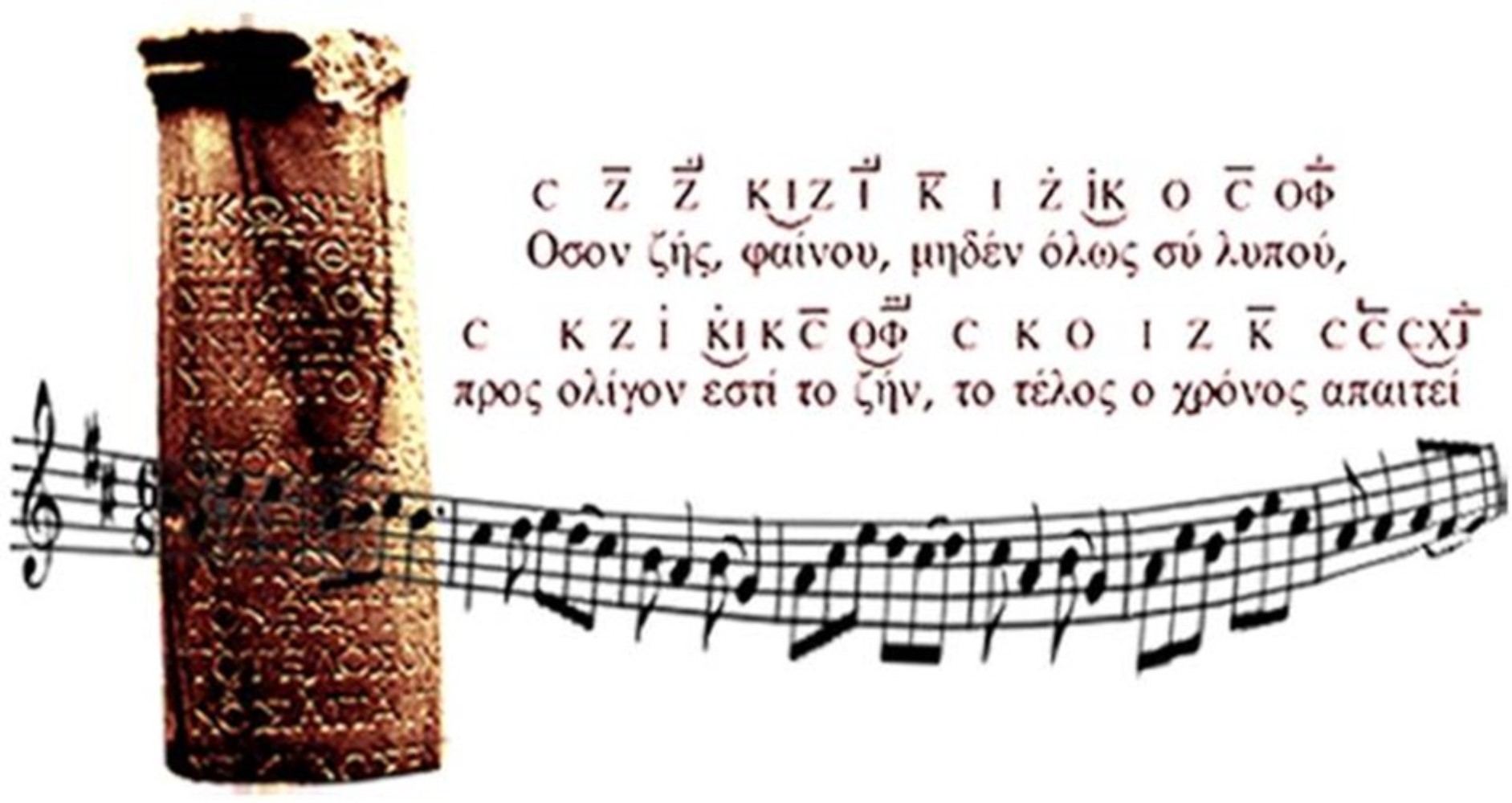
“Shine while you live/Cast away all sorrow/Life exists only for a short while/And this time also has an end.”
In addition to the love he showed for his late wife, Seikilos of Tralles/Aydin also addresses humanity. He must have been a wise man.
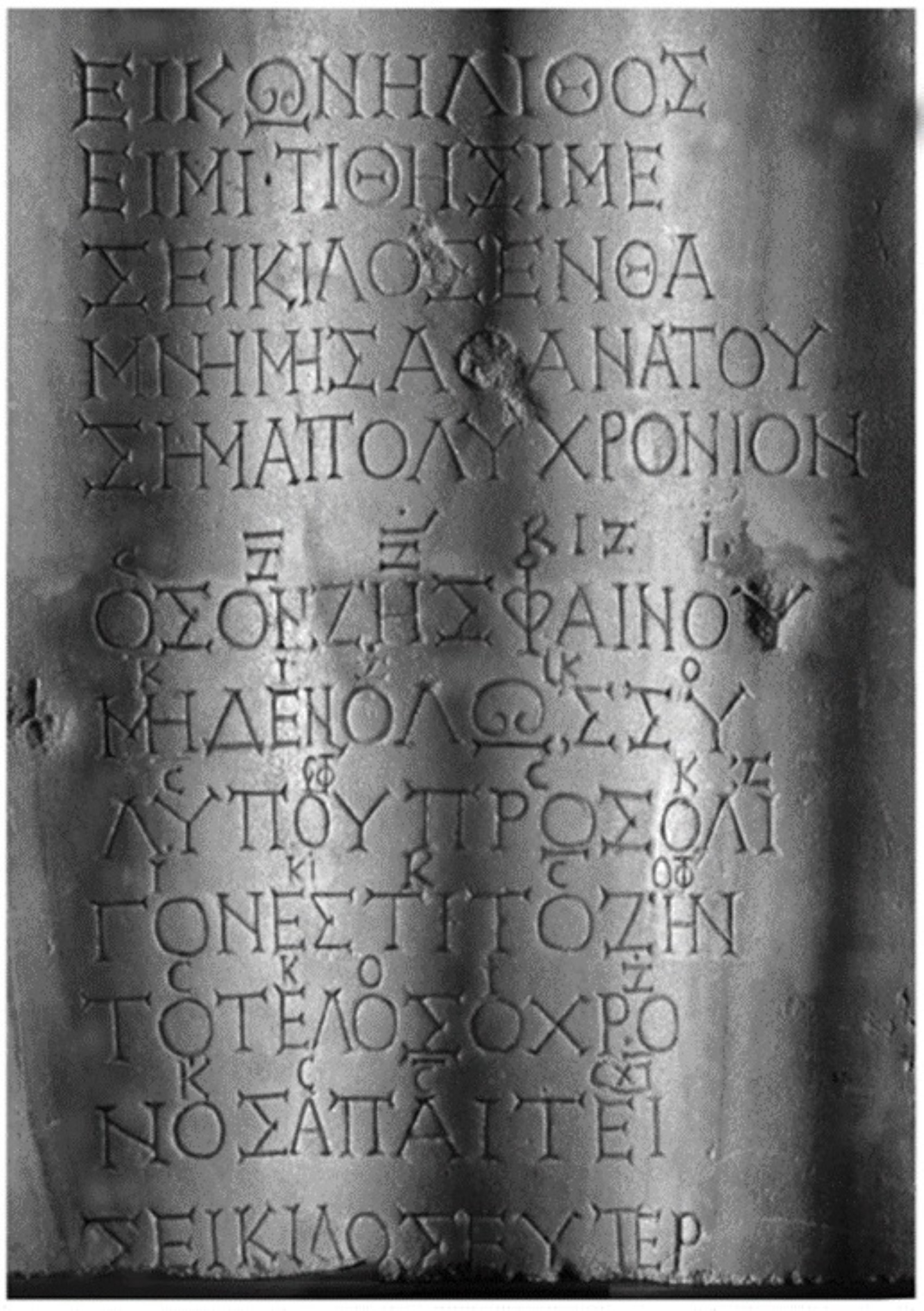
However, when the inscription is read carefully, the signs used by the Hellenes as musical notes can be noticed between the lines. Therefore, this is a song.
Today, these words with a 6/8 time signature can be turned into a melody and played, helping to understand the musical quality of the ancient era.
This stone, which is unique in the history of world music, bears witness not only to the naive emotions and sounds it conveys to the present day but also to the history of antique artifact smuggling.
Look at what happened to this virtuous stone!
Look at how far the hands of the smugglers have reached:
The person who found the stone was Edward Purser, the chief engineer of the British company called ORC, which was building the Izmir-Aydin railway at the time.
E. Purser was of British-Irish descent, born in Dublin in 1821.
He was a Levantine living in Izmir, in the Frank quarter, likely in Bella Vista, today's Kordon.
Of the company where he was chief engineer, in accordance with the concession ORC received from the Ottoman Empire It is also responsible for coal mines, quarries, and forestry rights in a 50 km wide area on both sides of the railway.
This means that at that time, the sinking Ottoman Empire was in a state of great negligence!
It was giving up its mines just so the railway could be built!
Or was it poverty?
However, these concessions did not include the excavation, acquisition, and removal of historical artifacts.
During this process, engineer Edward Purser In 1882-83, he discovered the Seikilos stele during a road excavation.
Without providing any information to the Ottoman authorities, he likely spirited it away to his home in Izmir, where he added it to his private collection of smuggled historical artifacts.
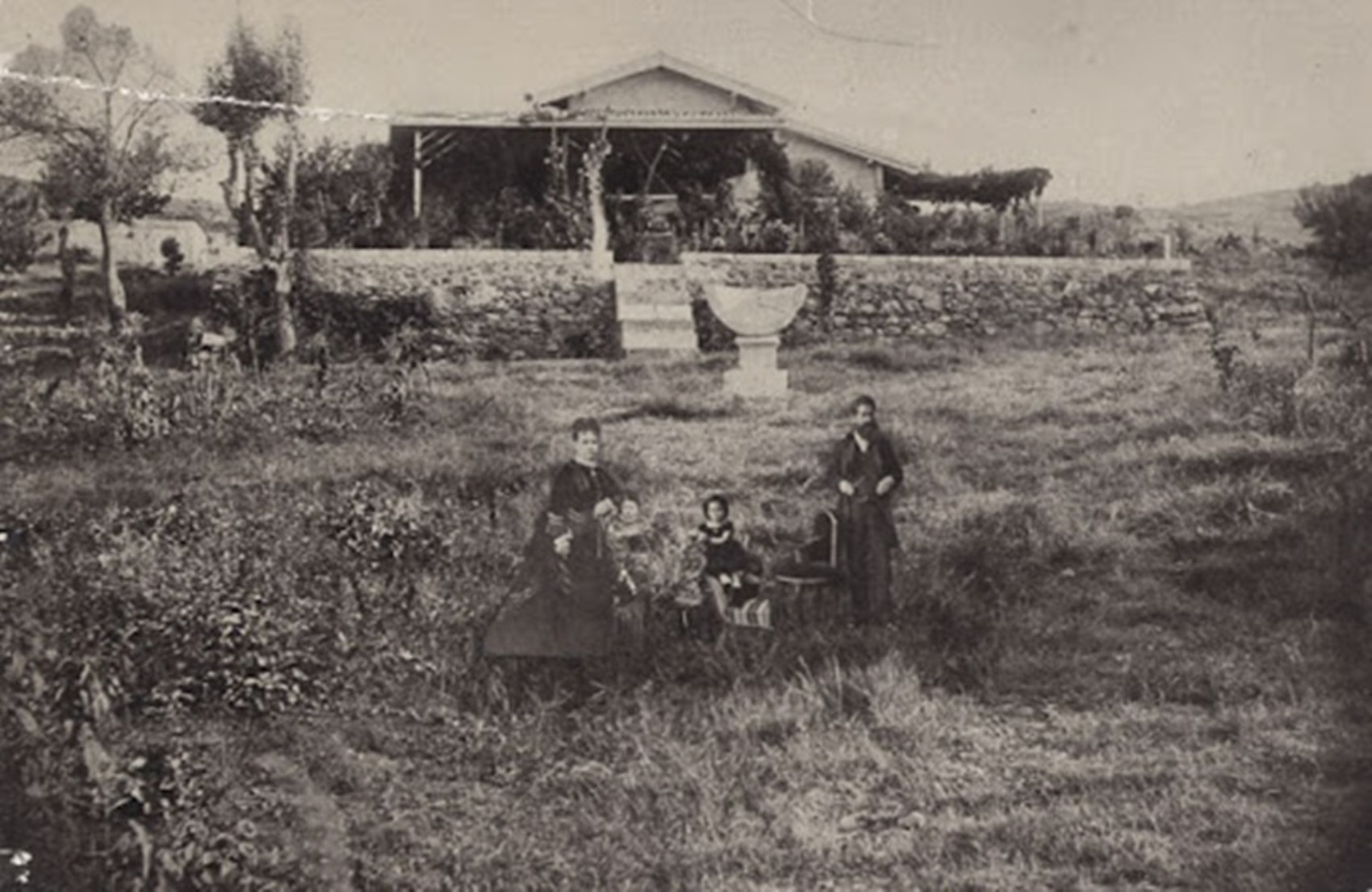
(Edward Purser, with his family and the stolen artifacts visible in the background at his villa in Izmir.)
Naturally, there must have been official Ottoman personnel and local civilians collaborating with him in this endeavor in exchange for profit.
Perhaps because Purser's wife did not understand the value of this historical artifact, she used the bottom part of the column as a flowerpot in their home. For this reason, the final line of the Seikilos song has been lost.
During those years, the German Carl Humann and his gang were also busy plundering Pergamon.
Agents of European imperialist states, disguised as engineers, historians, archaeologists, and writers, were running rampant across Anatolia.
The new rich of Europe, seeking roots for their own rootless pasts, descended upon Anatolia like locusts.
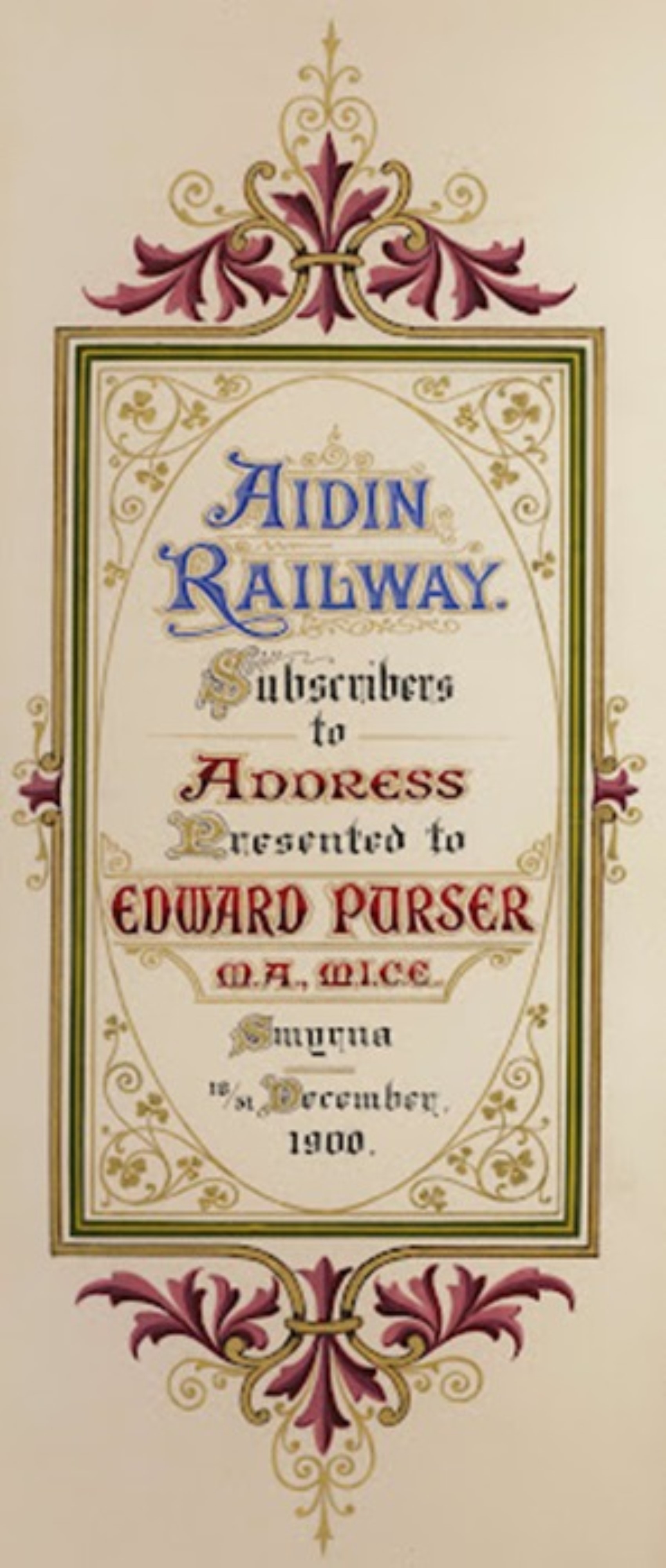
In the meantime, the Scottish archaeologist William Mitchell Ramsay stops by the house of Edward Purser in İzmir to see the historical artifacts he had kept, and he sees this stone.
He publishes information about it in 1883 in a journal under the title “Inscriptions inédites de l’Asie Mineure”.
Thus, the whole world becomes aware of this musical work by Seikilos.
After working for forty years and retiring in 1900, Edward Purser dies in 1906. He is buried in the Buca Anglican Cemetery in İzmir.
The Seikilos stele, adorned with unique musical notes, passed into the collection of another Levantine named Young, a lawyer living in Buca who was an associate of Purser.
Young, whose name suggests he was British, was also a collector of historical artifacts.
These historical artifacts were both highly valuable in Europe and brought prestige and honor to their owners.
Naturally, these artifacts were most likely smuggled abroad alongside crates of figs and sacks of grapes.
Looters were running rampant across Anatolia.
Yet, during this period, the export of historical artifacts was strictly prohibited by the laws of 1869 and 1884, with the exception of special permits granted in 1878.
Therefore, this was blatant theft.
In 1922, the artifact was photographed in İzmir by Alfred Laumonier, a French researcher who was also passionate about Anatolia's historical artifacts.
Meanwhile, those curious about this history never even consider returning or handing over to the Ottoman Empire the artifacts that fetch high prices in Europe.
During the Greek occupation between 1919 and 1922, the artifact fell into the hands of the German Consul in Izmir, who had stripped Pergamon bare.
There must have been some shady dealings involved, as the German Consul sent this music-inscribed column not to his own home country of Germany, but via Istanbul to Sweden, to Stockholm, through his lawyer, William Daniels.
It is clear that money was changing hands during these transportations, relocations, and transfers.
Perhaps there were people there willing to pay even more for this artifact.
The looters were buying and selling Anatolia's historical artifacts among themselves.
They were profiting off the backs of our artifacts.
The musical column was last seen in 1966 in the Danish capital It is purchased and exhibited by theNational Museum in Copenhagen. The stone of Seikilos from Aydın is in Copenhagen.
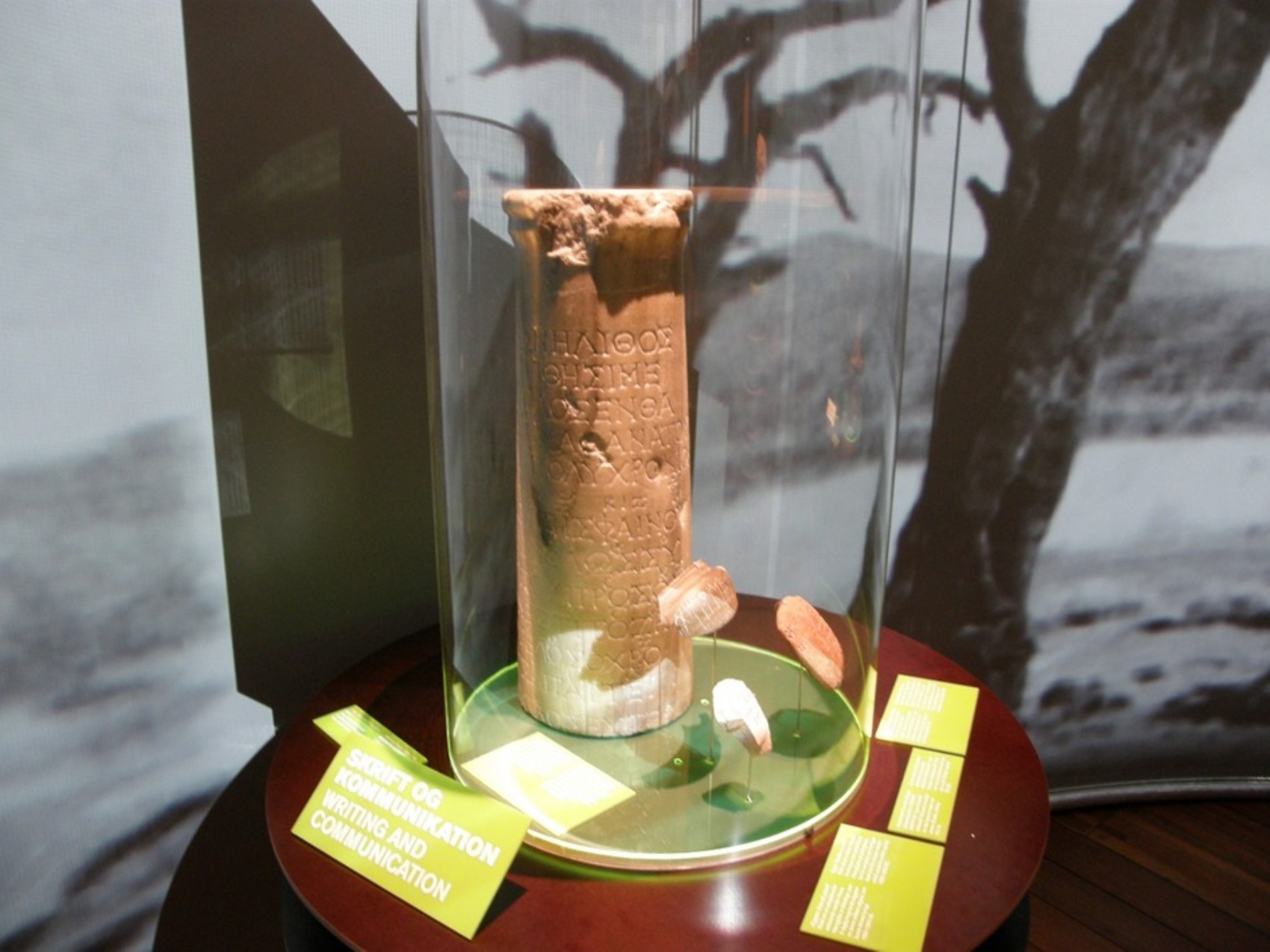
Moreover, this purchase is announced without any shame.
Anatolia's historical artifacts are so abundant that European thieves, by stealing them themselves and by provoking and encouraging the greedy in our country, have not been able to finish off our cultural heritage through buying and selling.
The column containing the work that Seikilos from Aydın had written and composed for his deceased wife is concrete proof of how organized and executed the historical smuggling carried out by Europeans in our country was.
The column containing the work that Seikilos from Aydın had written and composed for his deceased wife is concrete proof of how organized and executed the historical smuggling carried out by Europeans in our country was.
And they go around calling themselves civilized!
THE PERGAMON ALTAR AND ANATOLIA'S HISTORICAL ARTIFACTS, THE PERGAMON SCULPTURES, BELONG NOT TO COLD AND FOGGY EUROPE, BUT TO BEAUTIFUL ANATOLIA. THEY MUST ABSOLUTELY BE RETURNED; THEY MUST COME BACK HOME!
(Source: http://www.levantineheritage.com/aidin-personnel.html—https://tr.wikipedia.org/wiki/Seikilos_Yaz%C4%B1t%C4%B1— https://www.arkeolojikhaber.com/haber-seikilos-mezar-tasi-seikilos-yaziti-17948/—https://www.britishmuseum.org/collection/term/BIOG143053- This interesting song by Seikilos can be listened to on the internet at this address.
https://youtu.be/qdlFLw5Asc8?si=u5MQp5IeNYSaBJQP. Thanks to İzmir-based researcher and author Yaşar Ürük for drawing our attention to the subject, and to Nail Çetin for the reminder ).
Most Read

Striking picture for Özgür Özel's 'New Party'

The PKK opening and Özgür Özel’s path!..

How did the newspapers view Özgür Özel's farewell to the CHP?

He killed his wife by slitting her throat: Their children witnessed the moments

What did the CHP do?

Özel’s new party move in the world press

The New CHP, against CEHAPE

Fire at TUSAŞ engine factory in Eskişehir under control

From self-efficacy to despair

Kılıçdaroğlu's first message on Özgür Özel's new party announcement