



The folk song “Adaletin bu mu dünya” (Is this your justice, world?) was written, composed, and first performed by Turkish folk music artist Ali Ercan.
Selda Bağcan, with her soul-stirring voice, and Edip Akbayram, with his passionate and heart-pounding interpretation, have also sung these rebellious lyrics.
Is this your justice, world?
You gave neither a lover nor wealth, world
You belong to the wicked, world
You, the world that kills the good
Is this your justice, world?
The song powerfully expresses the individual's cry against injustice and their rebellion against the social order.
How can an individual feel safe if there is no justice?
How can the social order be maintained in peace if there is no justice?
***
The concept of justice is a phenomenon that has existed since the dawn of humanity.
The formation of social life and its development through various stages have led to justice being shaped over time.
It has been virtually etched into human and social consciousness.
Social life cannot be sustained without justice.
Justice generally means the provision of truth, equality, and fairness. It requires compliance with rights and the law.
It protects the rights of individuals, prevents injustices, and ensures social order.
It determines and regulates relationships between people. In this context, justice can be defined as a system of developed principles and values.
The concept of justice has been expressed orally or in writing from time to time and existed even before the emergence of social classes.
In the periods when justice first emerged, the following questions were asked among people:
How would hunted and gathered products be shared?
How would risks be taken in the face of life-threatening dangers?
How would problems between individuals be solved?
***
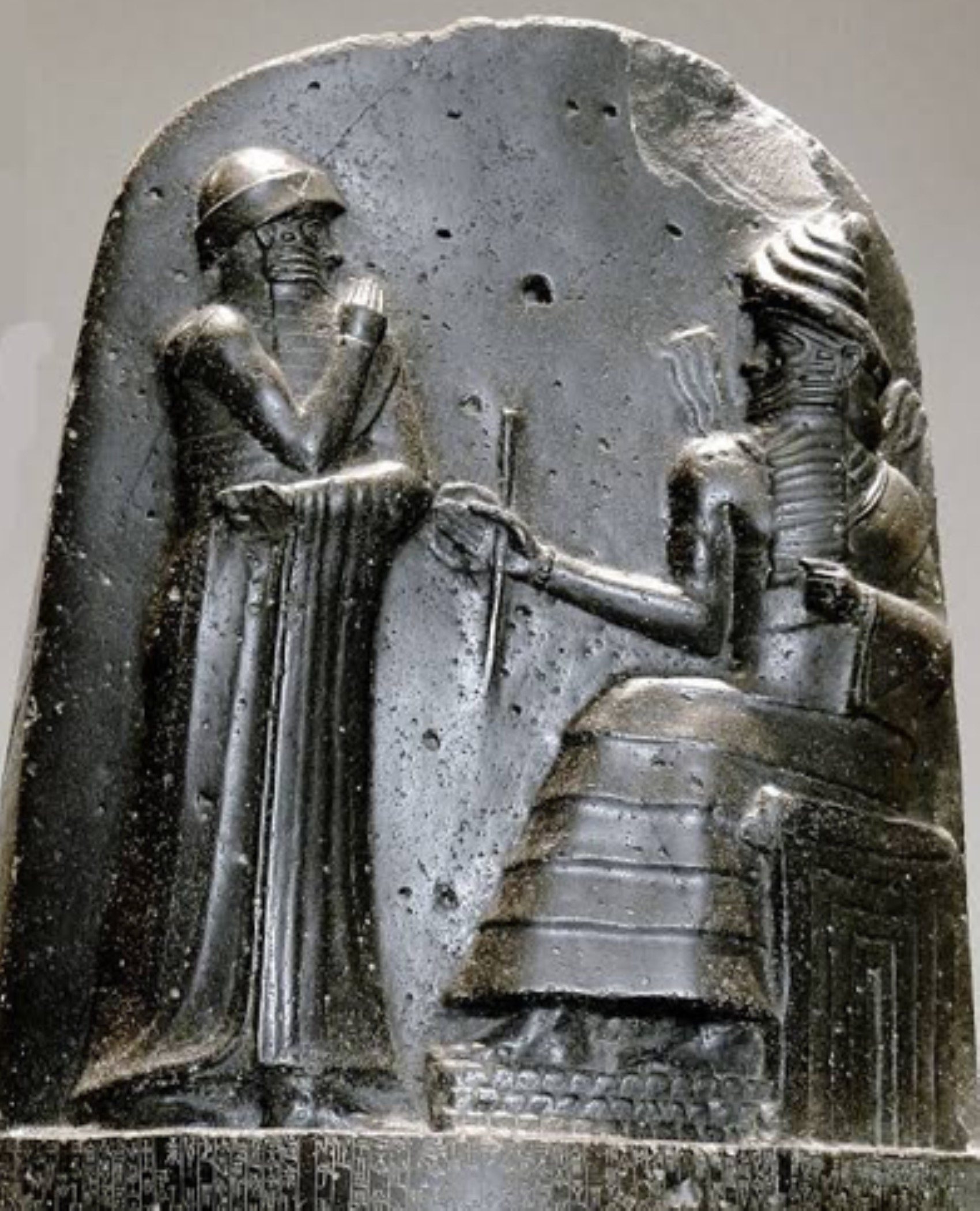
Hammurabi receiving the royal scepter from a god.
With the emergence of agricultural societies and the processes of seizing slave labor, the Concept of Justice began to be expressed through written laws.
In Mesopotamia (between the Tigris and Euphrates rivers), rules were developed for the use of irrigation systems. With the increase in agricultural production, wealth grew, the population became crowded, and society became difficult to manage. Such issues were turned into “Law” in the 18th century B.C.
The Code of Hammurabi (1754 B.C.) is one of the first comprehensive legal systems written down by King Hammurabi, who spoke a Semitic language (the ancestor of Arabs). An application of justice was established based on the “eye for an eye, tooth for a tooth” and the “principle of reciprocity.”
During the same periods in Egypt, “Maat” was accepted as the “goddess of truth, order, and justice.”
Maat places the heart of a deceased person on one side of the scale with the feather she carries on her head. If the heart is lighter than the feather, it is understood that the person had a good soul and they were sent to heaven.
The measure of being just was to be as light as a feather.
Three thousand five hundred years ago in Anatolia, among the Hittites, the male Sun God was accepted as the “MASTER OF JUSTICE.” Treaties were always made in His presence.
The Sun, as the divine power that sees everything, governed rights and justice on earth. It sent its light equally to everyone.
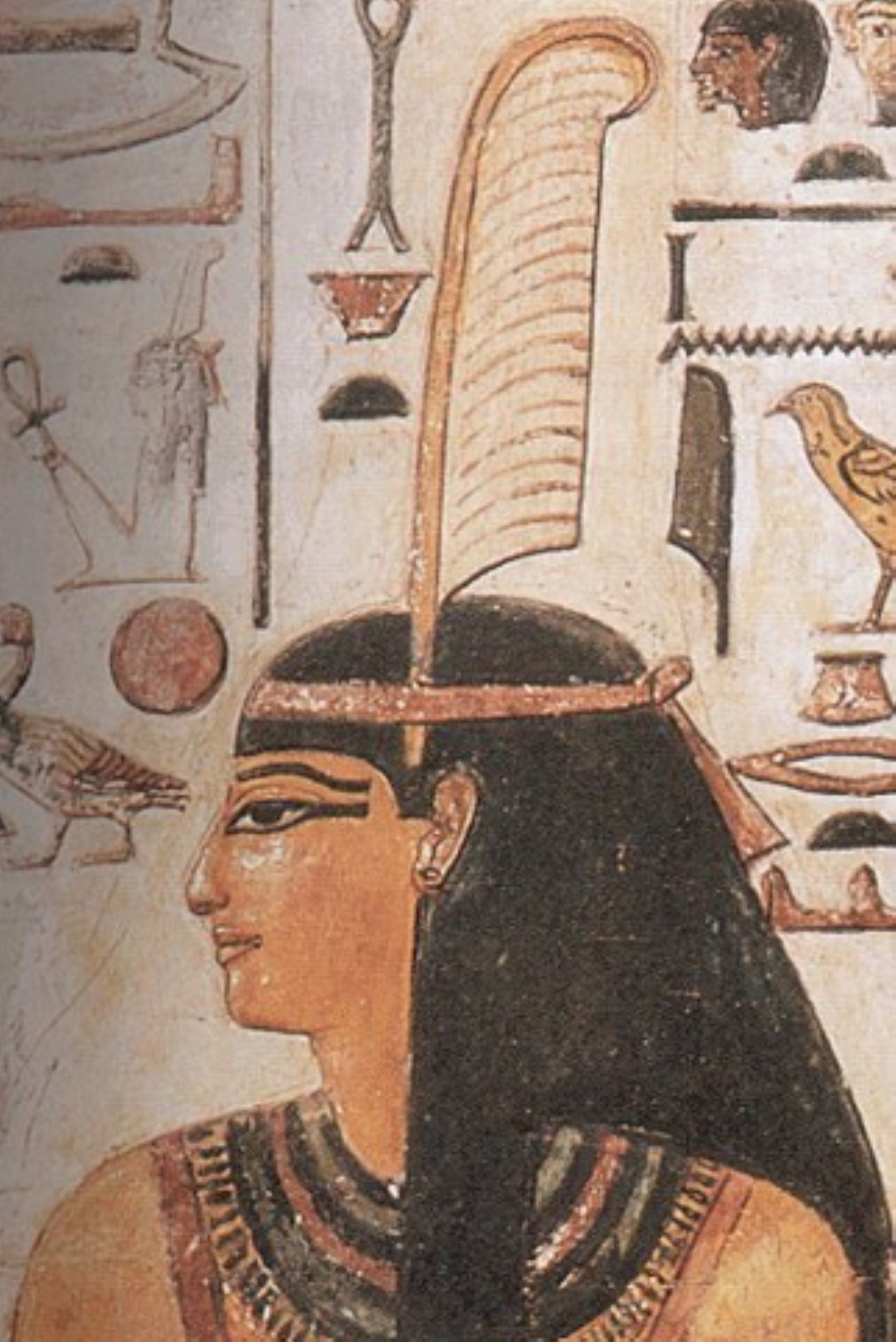
An image representing the Ancient Egyptian god of justice Maat and the feather on her head.
***
In societies based on slave labor, the concept of justice began to be provided by an institution called the “STATE,” which was reinforced with religious motifs.
In the 4th-5th centuries B.C., there were judicial institutions in Athenian Democracy where justice was dispensed.
In the courts, decisions were made by a jury consisting of men over the age of 30 selected from the public.
The number of jury members could reach 200-500 people in small cases, and even 1000 or 1500 in large cases.
The acceptance of justice as sacred in Ancient Greece reinforced the place of the concept of “Law” (Nomos) in society. The representatives of justice were accepted as Themis (Order), Nemesis (Punishment), and Dike (Daughter of the Law).
Dike was blindfolded, which symbolized the impartiality of justice.
The great philosophers of the Ancient Age also made very important inferences about “justice.”
Socrates, one of the philosophers who influenced humanity the most, was “accused of corrupting the youth and disbelief in the Gods,” tried, and sentenced to death by a jury (399 B.C.).
According to Socrates, who executed himself by poison, “justice” was related to virtue and wisdom. It was only possible through a righteous life and behavior.
His loyal student Plato, on the other hand, defined “justice” as every individual doing their own job in the state and being in harmony. “Justice” was directly linked to the order in the social structure.
Aristotle, the father of the science of “logic,” who was exiled to Anatolia because of his thoughts, saw “justice” as the distribution of social resources, assets, and other benefits according to the merits, virtues, or contributions of individuals to society.
“Justice” was the highest form of virtue.
During the Roman Empire, with the legal system established, it was shaped around “legal principles valid from birth” that applied to everyone. This understanding also became a source of inspiration for today's legal systems.
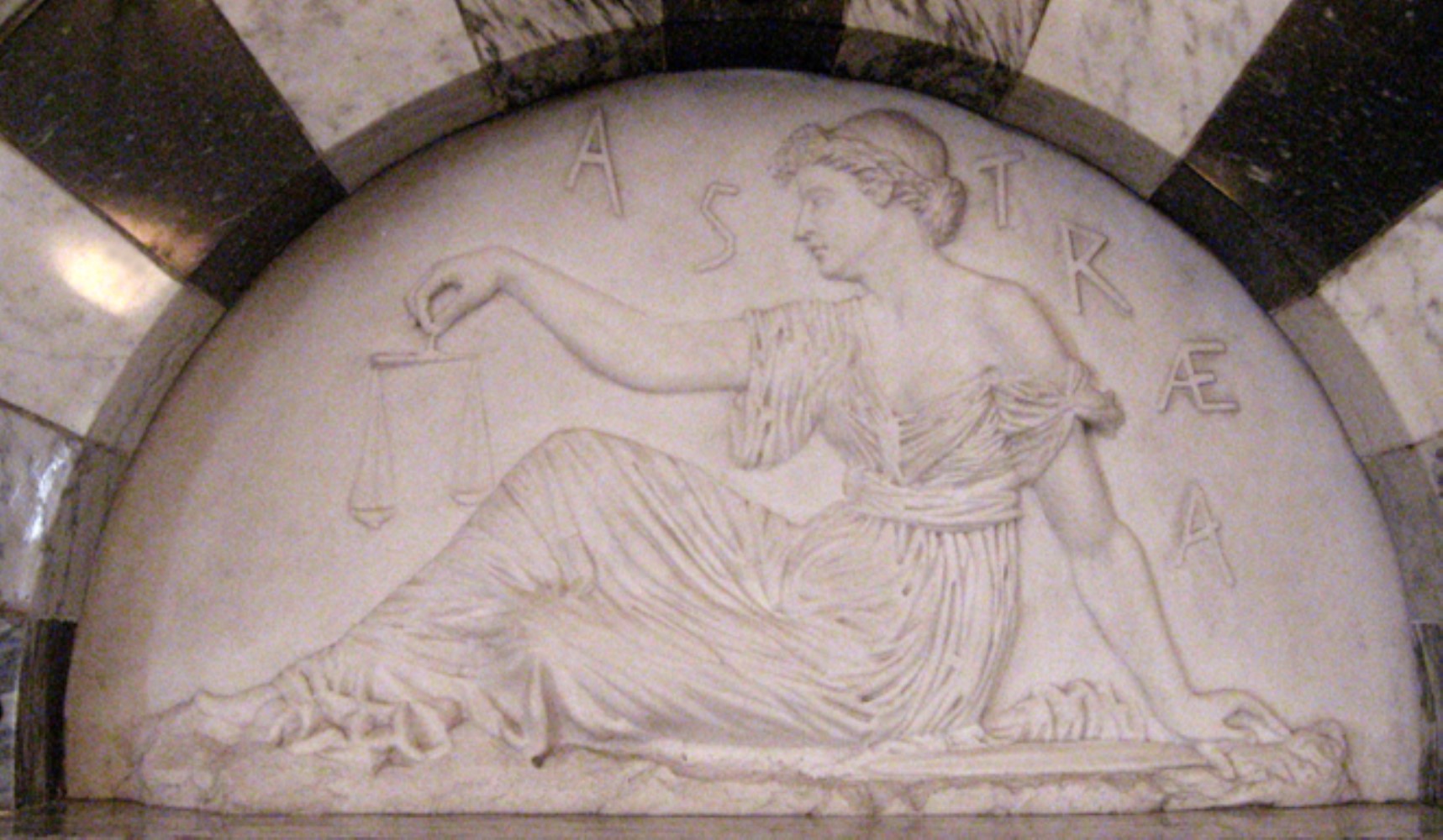
The goddess of Justice Dike in Ancient Greece, with her scales in her hand.
***
In societies under the rule of feudal lords, large landowners, despotic shahs, and kings, the “Concept of Justice” in the Middle Ages was largely shaped by religious authorities.
Those who owned the means of production and the land held this power in their hands. They were the ones who dispensed justice. The clergy were in the service of power to ensure the legitimacy of this order. The people, on the other hand, mostly worked for their daily bread, producing on the land.
In Christianity and Islam, justice was accepted as a divine concept.
The source of justice was based on God's commands and was implemented by the rulers or their officials.
Sharia Law played a fundamental role in the provision of justice in the Islamic world.
“Justice,” one of the fundamental concepts of Islam, was defined as living in accordance with God's commands. It was believed that if justice was not provided, the cornerstones that kept society together would be displaced.
Hz. Ali, the son-in-law of Prophet Muhammad (PBUH), warned judges in his own era: “The judges on earth have a difficult task before the judge in the sky. Except for those who are just and give the correct judgment,” he said:
“The judges who make wrong decisions do not have an easy time in the other world!”
Thomas Aquinas, a 14th-century Christian Italian thinker, also defined “justice” as acting in accordance with natural law and the will of God.

A depiction of Hz. Ali.
***
The Renaissance and Enlightenment Period (1500 – 1800) began to change the understanding of justice with the idea of “Humanism,” which emphasized the importance of the individual.
In this period, when religious dogmas began to be questioned, the idea emerged that justice could be understood not only through divine laws but also through human reason.
The 17th-century English philosopher Thomas Hobbes argued that “justice” was a structure created by people through a contract in order to live in peace.
In the 18th century, according to John Locke, another Englishman, “justice” was related to the protection of people's natural rights:
“Maintaining life and freedom were essential.”
According to Jean-Jacques Rousseau, who influenced the 1789 French Revolution with his thoughts, “justice” was based on the social contract and should ensure that people live together in equality.
During this period, the urban wealthy (bourgeoisie) and the growing number of intellectuals raised their demands for freedom and justice.
This period, called the Age of Enlightenment, strengthened the idea that the social order should be shaped on the basis of reason and law.
***
Capitalism, which rose with the development of industry and capital in Europe, was increasingly becoming decisive in social life.
Feudal lords had disappeared, urban wealthy had become capitalists, and the working class had emerged.
In this period, the concept of justice was expanded with new dimensions such as social justice, economic justice, and social rights.
With the effect of the Industrial Revolution, the development of the capitalist system and the dragging of large masses into poverty led to a re-evaluation of the concept of justice.
In the early years when capitalism appeared in its most brutal form, “equality and freedom” were sought with justice.
The German philosopher Emmanuel Kant, one of the philosophers of the early 19th century, defined “justice” as compliance with universal moral laws: Moral laws were universal and discovered by humans through reason.
According to Kant, human freedom and autonomy lay at the foundation of justice:
For justice to be provided, it was mandatory for people to respect each other's areas of freedom.
While the German philosopher G. Hegel, who brought the “dialectical” method to intellectual discussions, saw the concept of “justice” as the realization of freedom, he defined law as a system that recognizes and protects the individual's freedom.
John Rawls, one of the most important political philosophers of the 20th century, also considered “Justice as the first virtue of social institutions”: He placed it at the foundation of his “theory of justice,” which promotes equality and freedom.
Justice had become one of the main demands of society in the environment of inequality created by Capitalism.
However, it faced the iron fist of the bourgeoisie/capitalists who had seized the state.
Discussions focused on the “power” that crushes society.
The concept of justice began to be questioned again in terms of power relations, ideologies, and social structures.
Whether justice is a universal concept or a product of social structures was being hotly debated.
***
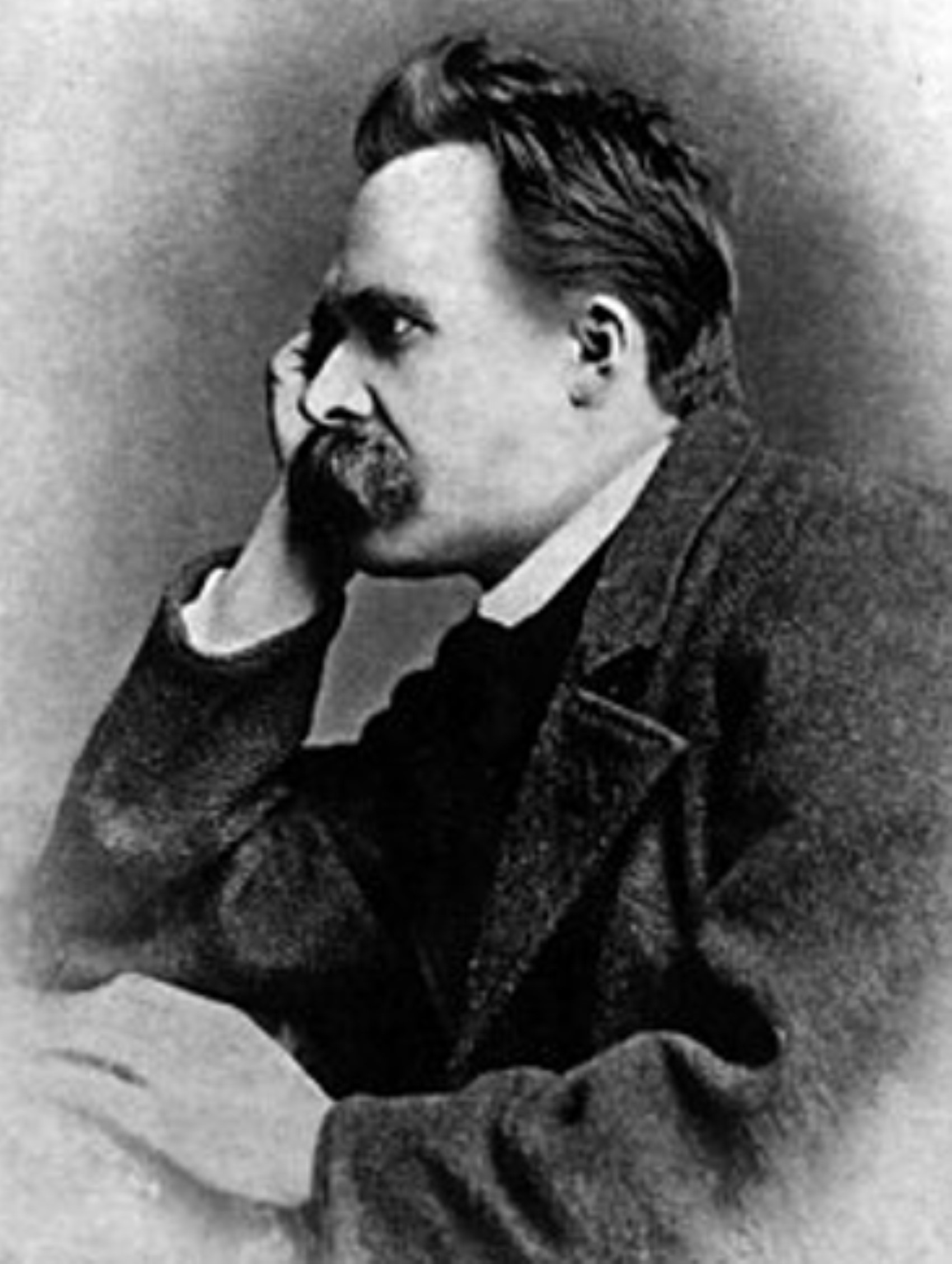
Friedrich Nietzsche
French thinker Michel Foucault argued that justice and legal systems are tools of power relations.
The Russian anarchist philosopher Mikhail Bakunin, while arguing in the 1870s that governments use the judiciary for their own interests, said, “courts are the prostitutes of governments.”
What a heavy, frightening, and thought-provoking statement this was.
According to the German maverick and highly debated philosopher Friedrich Nietzsche (1844-1900), “justice” was a system of values created by those who hold power: “What is real is not justice, but power relations themselves,” he said.
Nietzsche was very angry: He argued that morality was not universal. In addition to many values accepted by society, he criticized the existing concept of justice very harshly:
“To punish not to punish the guilty, but to protect the strong... This is the essence of every judgment.”
“A court only presents its own prejudices as a verdict.”
“Justice applied by social orders is usually a tool for power to protect itself.”
“The true meaning of justice arises from the powerful imposing their own moral values on society: Courts are also among the maintainers of this order.”
“The strong make their own values accepted as law, and these laws are applied by the courts.”
These views clearly define the face of justice during the most brutal period of capitalism.
Today, this face often shows itself.
***
Karl Marx, who left his mark on the 19th and 20th-century thought and political action environment with his socio-economic and philosophical thoughts and political proposals, generally handled the concept of justice in the context of class struggle and economic relations:
The understanding of justice in society is shaped according to the mode of production and property relations of that society.
According to Marx: “Justice is possible with a classless society.”
“In capitalist society, justice legitimizes the order of exploitation.”
“Justice is derived from the economic structure.”
“Justice aims to ensure equality and freedom.”
“Ideal justice is based on the principle of ‘from each according to his ability, to each according to his needs’.”

Karl Marx
***
In Karl Marx's system of thought, the concept of justice makes strong determinations and expansions, especially when criticizing the injustices of capitalism.
Marx's thoughts emerged in the mid-19th century, when capitalism was experiencing its most brutal period, and social class differences were at their sharpest.
These thoughts have influenced the world radically and decisively, including today, and have produced political and organized methods of struggle.
However, these thoughts have received criticisms over time, such as that they see people as passive elements of the economic structure and that this approach weakens the idea that individuals can act with their own free will:
“The economic infrastructure does not determine everything alone; cultural and political factors also play an important role in the shaping of the understanding of justice.”
“People are not just economic entities.”
“In this theory, the psychological, cultural, and biological aspects of people have been neglected.”
The Italian politician Antonio Gramsci (1891-1937) argues that dominance relations in society are maintained not only by economic structure but also by cultural and ideological control.
Failures seen in applications in countries like the Soviet Union are claimed to be a deficiency of this theory.
However, one way or another, today; countries such as Cuba, the People's Republic of China, Laos, Vietnam, and North Korea state that they are applying Karl Marx's theory.
***
The concept of justice is also reflected in many accounts passed from ear to ear, beyond socio-economic and philosophical evaluations.
In this context, according to a narrative, an event that took place in Germany in 1750 is instructive:
Prussian/German King Frederick II stopped by the city of Potsdam near the capital Berlin. He is in disguise.
He likes a place very much to build a Palace for himself. This place is in the greenery, by a small stream. However, there is a mill on one side.
He sends his men. They ask the owner of the property, an old Miller, to sell that place. However, the Miller does not agree to sell the mill despite being offered a lot of money.
King Frederick talks to the Miller himself. He asks why he does not want to sell the property. The old man says, “The mill was left to him by his ancestors, and he will leave the mill to his children”: “Even if the one who wants it is the King, the mill is not for sale.”
When the King says that his wish can be fulfilled even by force, the Miller gives an unexpected answer:
“The King is powerful, he can take the mill even by force, but he should not forget that there are judges in Berlin. No power, no politics, no force, even if it is the King, is above justice.”
King Frederick II must have been a mature personality. He welcomes this answer with pleasure. He already wants the rule of law to be established in his country.
As long as the Prussian Kingdom exists, he orders that no one touch this mill. He builds his palace not in place of the mill, but right next to it.
He believes that the rightful, not the powerful, should prevail in the courts, and he says: “The law should speak, Kings should remain silent.”
Alas! Unfortunately, Kings never shut up!
Today, the Palace and the mill still stand side by side in Potsdam.
***
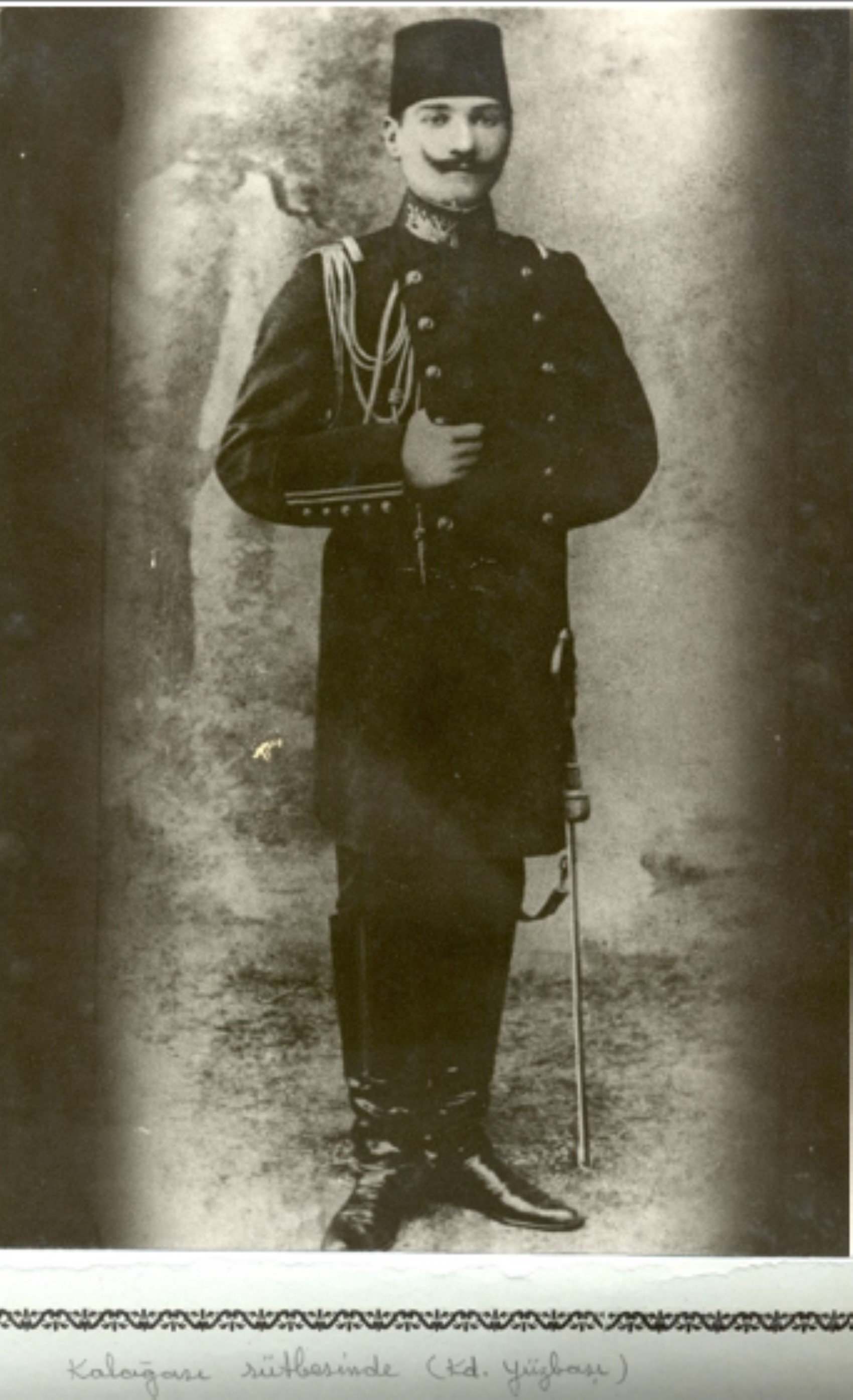
Young Mustafa Kemal
On December 31, 1917, the Ottoman crown prince Vahdettin and his delegation were at a hotel where New Year's celebrations were held during their visit to Berlin. Someone from the delegation knows this event and tells his friends. “Potsdam is very close, let's go and see that mill and the palace,” he says.
No one from the delegation wants to give up the New Year's entertainment and go to Potsdam.
While everyone is celebrating the New Year, the person who tells this story sets out to see these structures that are the symbol of justice.
That person is the young Mustafa Kemal, who was in that delegation.
I hope we can also say “There are judges in Istanbul.”
***

Tens of thousands of people seeking justice in Istanbul-Saraçhane. 19.03.2025
Humanity is entering a new environment at the beginning of the 21st century.
The climate crisis, environmental pollution, artificial intelligence, the spread of communication, and robotic technologies are deeply affecting daily life.
It is even suggested that trials, defense, and the provision of justice could be done by computers.
Against all these developments, the concentration of managing society, the power of the state, and the “Single Men” who also hold technology in their hands poses a great danger to “justice.”
The fact that the judges who will dispense justice are in the shadow of “Single Men” almost empties the “concept of justice” of its meaning.
Moreover, justice mechanisms are sometimes used as political power.
This situation creates a great contradiction that threatens the universal and impartial structure of the concept of justice.
In recent centuries, the concept of justice and its applications, which set out for “equality and freedom,” are turning into another tool of oppression for the sovereign power.
Of course, “Earth” as a planet rotating in space is not responsible for the negativities experienced in this environment.
‘Wild’ capitalism, which is trying to reconquer the world and countries, is trying to destroy everything that is against its interests and threatens its power.
Surely this is why the bard raises his voice, saying, ‘Is this your justice, world?’!
The masses are following him!
Sefa Taşkın
23.03.2025
Karşıyaka/İzmir
Most Read

Striking picture for Özgür Özel's 'New Party'

The PKK opening and Özgür Özel’s path!..

How did the newspapers view Özgür Özel's farewell to the CHP?

He killed his wife by slitting her throat: Their children witnessed the moments

What did the CHP do?

Özel’s new party move in the world press

Fire at TUSAŞ engine factory in Eskişehir under control

The New CHP, against CEHAPE

From self-efficacy to despair

Kılıçdaroğlu's first message on Özgür Özel's new party announcement