



Every name is not just a call; it is a sign carrying faith, history, and culture.
In the historical journey of the Turks, 'Muhammed' and its derivative 'Mehmet' have transcended being mere names to become powerful symbols.
In this article, we will briefly examine the name "Muhammed" and its evolution into "Mehmet" in Turkish culture, along with its historical and religious background.
***
The religion of Islam, presented to humanity by Prophet Muhammad (pbuh), began in 610 with the first revelation that descended upon him, the Resul-ü Ekrem (the Final Prophet), at Mount Hira in Mecca; it soon became institutionalized and spread across a vast geography.
The teachings of Islam, based on Tawhid, or the belief in one God, center on fundamental principles such as justice, compassion, sharing, and truthfulness.
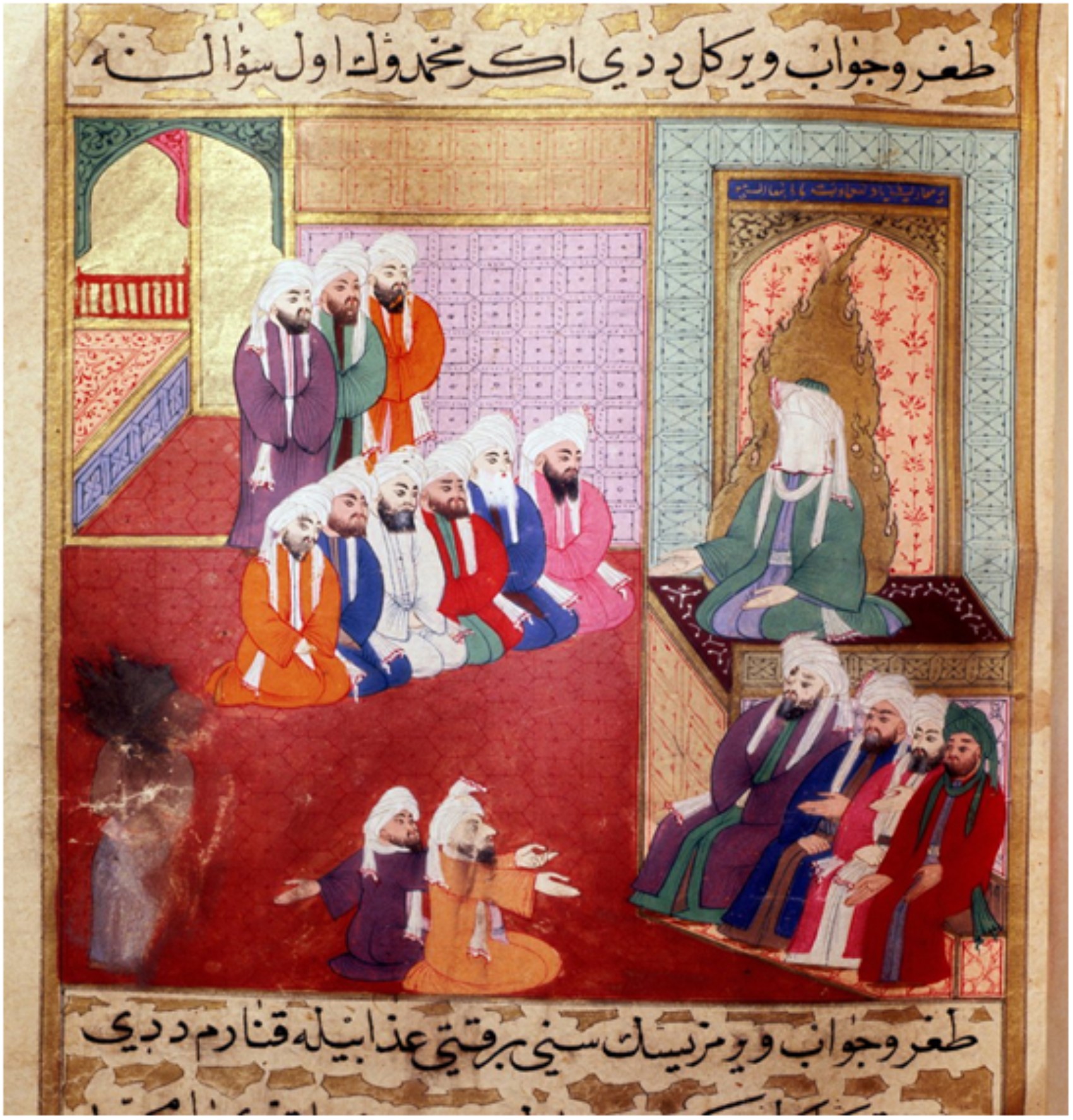
(A miniature depicting Prophet Muhammad with his companions, with his face veiled - Topkapı Palace)
Prophet Muhammad was born in Mecca in 571; he was orphaned at a young age, engaged in trade in his youth, and was called "al-Amin" (the trustworthy) due to his honesty.
He married Hz. Khadija (r.a.) at the age of 25; he began his mission in 610 after receiving the first revelation.
After his migration (Hijra) to Medina in 622, he entered Mecca in 630 and cleansed the Kaaba of idols.
This life trajectory placed the name of Prophet Muhammad, also known as Habibullah—the most beloved servant of Allah—at the center of respect and representative power.
He became an example to society with his good character and behavior.
He conveyed the wisdom and commands of Allah to humanity.
In the Holy Quran, it is said of him: "And indeed, you are of a great moral character." (Al-Qalam 68:4),
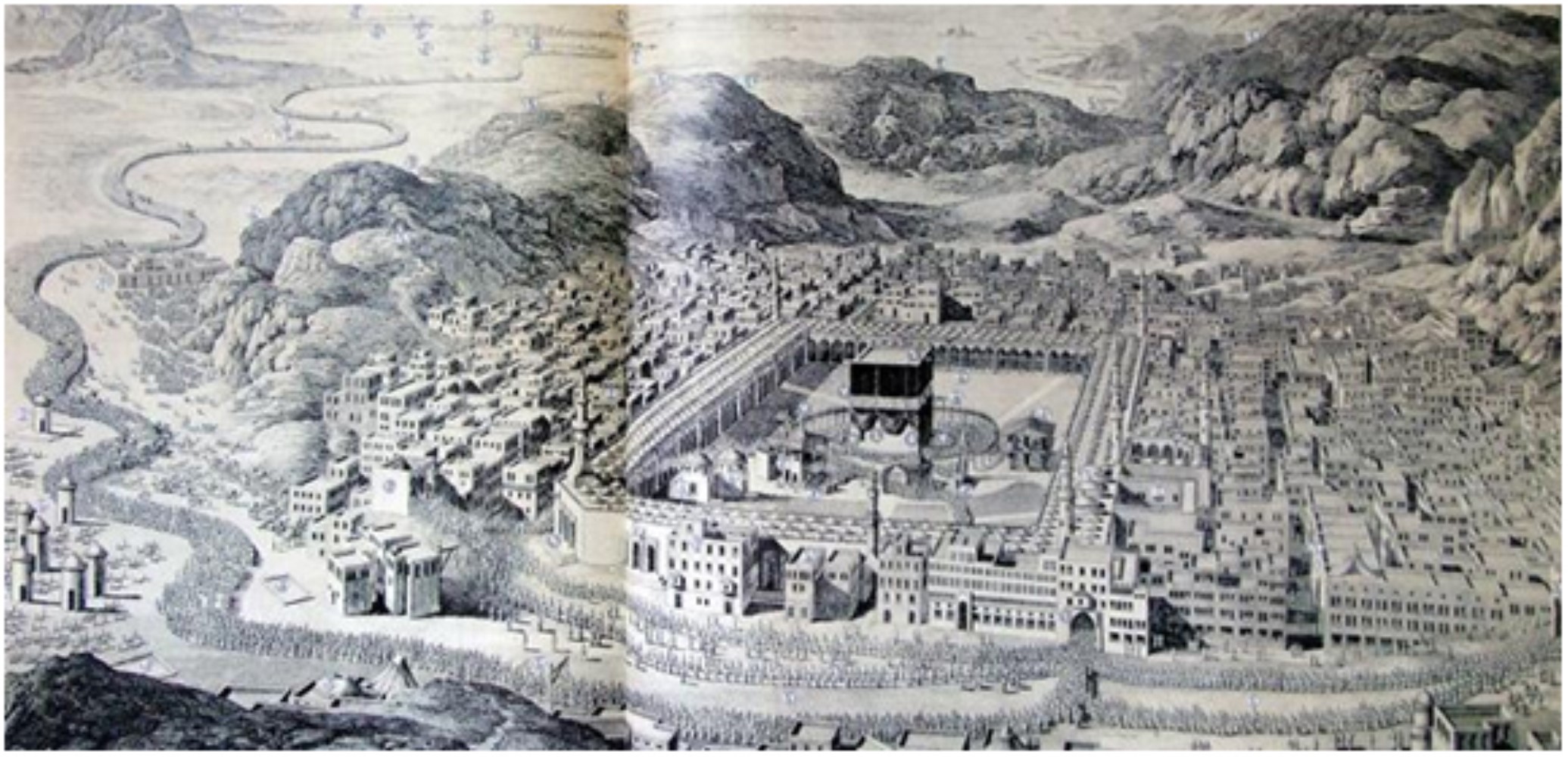
(A very old depiction of Mecca)
***
"Muhammed" is the original name given by his family at the birth of the Prophet.
The root of the word means "highly praised, the one who is praised."
However, in the Holy Quran and the Hadith (his words and actions) combined, there are many names and attributes attributed to Prophet Muhammad.
Names such as Ahmed (highly praised, worthy of praise), Mahmud (the praised one), and attributes like "Mustafa," which means "the chosen one," express this sublimity.
In the Holy Quran, the name "Muhammed" appears four times, and the name "Ahmed" appears once (Surah As-Saff, 61/6).
In this context, the phrase "Muhammed Mustafa" is frequently used among the people in Anatolia.
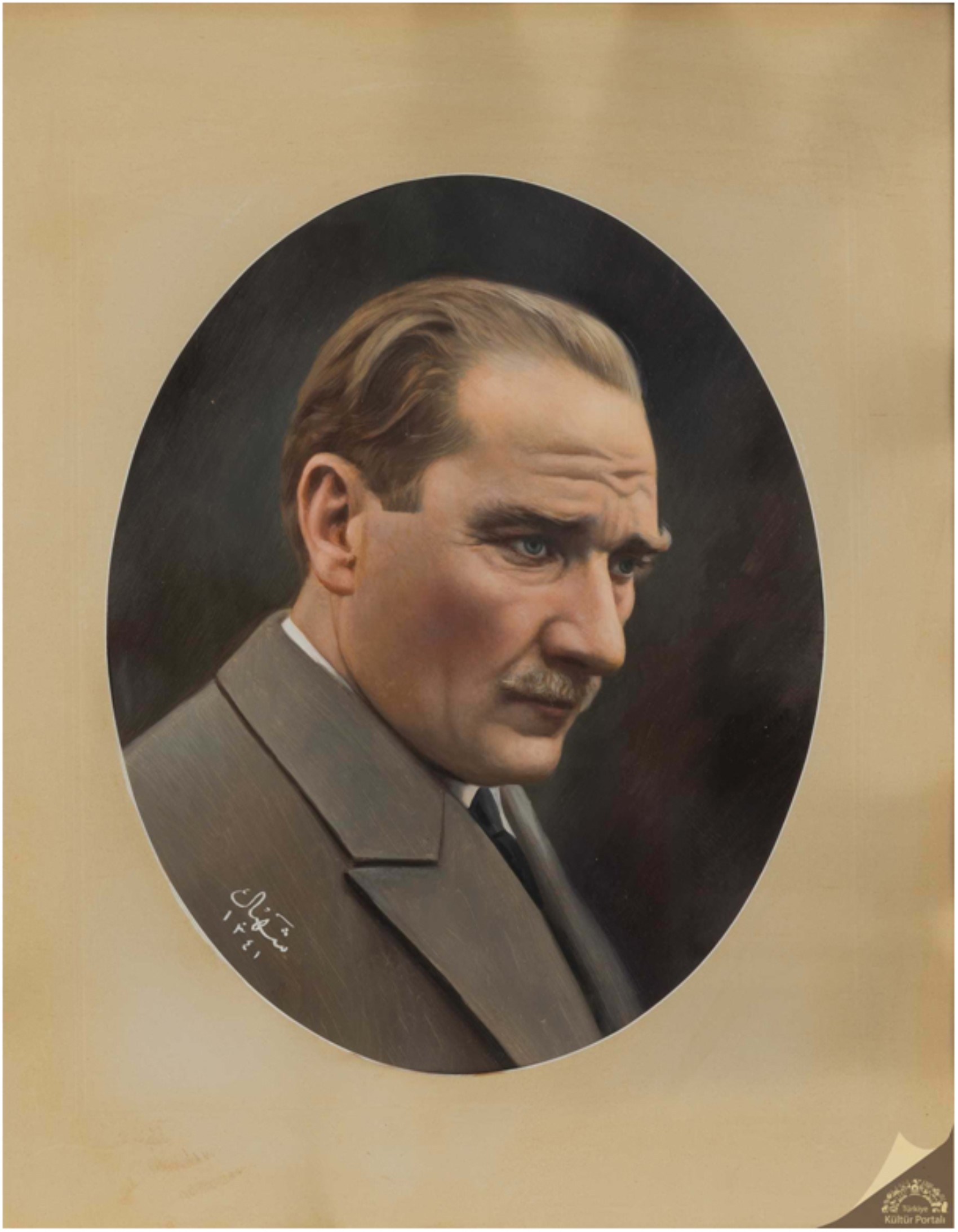
(Mustafa Kemal Atatürk)
***
The intense contact of the Turks with Islam began in the 8th–9th centuries; it accelerated with social acceptance in the 10th century.
Arabic names were added alongside old Turkish names (Tuğrul, Alp, Bilge, etc.) out of religious respect; this adoption became widespread through both faith and linguistic harmony.
The phonetic rules of Turkish fostered transformations such as "Muhammed > Mehmet" and "Ahmed > Ahmet";
the tendency for word-final "d > t" and shortening established "Mehmet" in daily speech.
The "Mehemmet" entry in the dictionary of the 11th-century Turkish scholar Kaşgarlı Mahmud, as well as the continuity in Seljuk-Ottoman records and palace/public usage, clearly show this trace.
During the Ottoman period, "Mehmet" appeared both among the public and in the names of rulers; it became rooted at the state level with Mehmed II (the Conqueror).
Names such as Mehmet Suudî, Hoca Sâdeddin Mehmet Efendi, Mehmed Birgivî; and figures like Sokullu, Köprülü, Kavalalı, Lala, and Yirmisekiz Mehmed Pasha are distinguished examples of this prevalence.
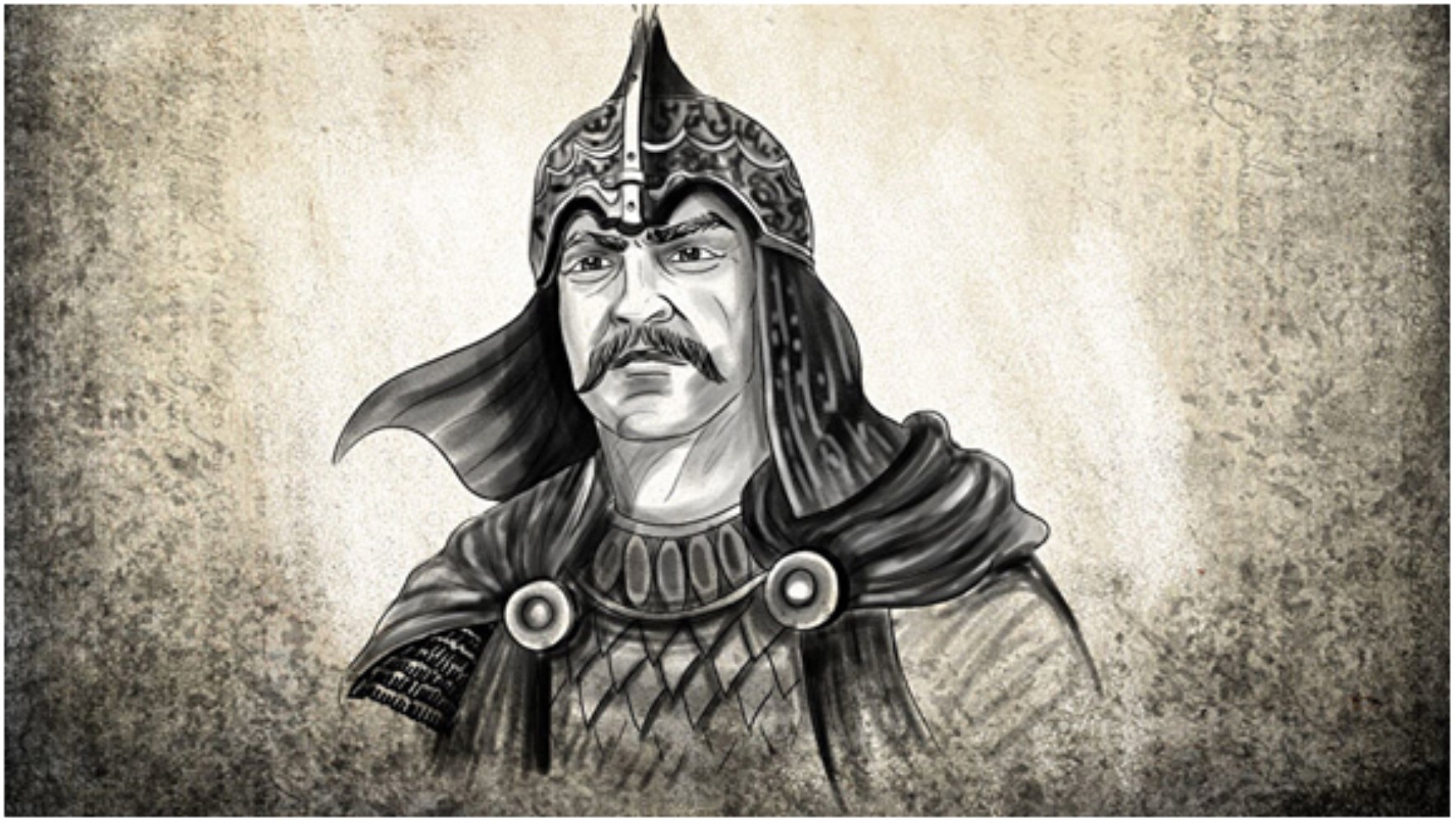
(The name Mehmet was first encountered among Turks in the 13th century during the time of Mengü Berti/Jalal ad-Din Mingburnu. Representative Image)
***
The "Mehmet" form is not only a matter of ease of pronunciation but also a veil of respect; the hesitation to say "Muhammed" directly and the tradition of "salawat" (invoking blessings) socialized the indirect form of the name.
In Islamic tradition, it is essential to recite "Salawat" when the name of Prophet Muhammad is mentioned.
"O Allah! Bestow salat (mercy, blessings, and praise) upon our master Muhammad and the family of our master Muhammad.", "May Allah bestow salat and peace upon him.",
Salawat is usually written abbreviated as "pbuh" (s.a.v. in Turkish) in Arabic.
In this context, the concern about neglecting to recite salawat whenever the name of Prophet Muhammad is mentioned in daily life also encouraged the Turks to use the name "Mehmet".
***
"Mehmetçik" (Little Mehmet), used for soldiers, has turned the name into a symbol of collective sacrifice and courage.
This image has been reinforced in the social memory extending from Gallipoli to the War of Independence.
The Turkish Armed Forces' solidarity institution, the "Mehmetçik Foundation," also carries this cultural continuity into a modern institutional name.
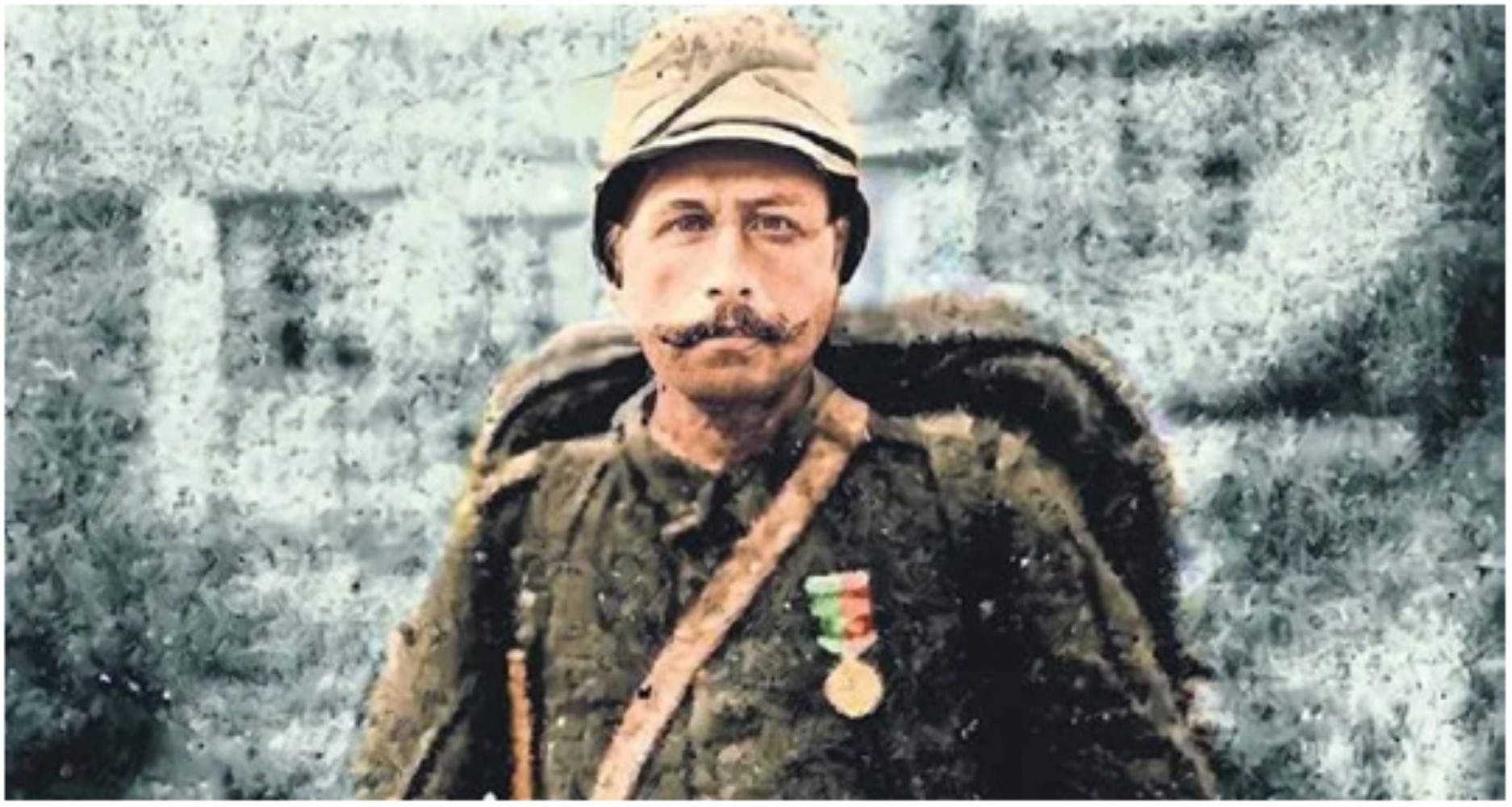
(Bigalı Mehmet Çavuş, a veteran of the Gallipoli Campaign, who is said to be the namesake of the term Mehmetçik)
***
Although historical names like "Tarkan, Timur, Kaan" and new names like "Deniz, Çınar, Poyraz" have become widespread in the Republican era, "Mehmet" has maintained its place.
On the other hand, names like "Memiş" and "Memoş," which are derived from the name "Mehmet" among the people in the Balkans and Anatolia with affectionate suffixes, have been adopted as local and emotional expressions within the family, in childhood, in neighborhood parlance, or in narrative storytelling.
In this context, the name "Mehmet" in Turkish is pronounced as "Memo" among the public in Kurdish. "Mem" (Memo) is the main character in the famous epic "Mem û Zîn" by the Kurdish writer Ehmedê Xanî.
The chain of names extending from Mehmet Akif to Mehmet Uzun connects the cultural bridge of the name to the modern era.
***
In conclusion, the conversion of the Turks to Islam transformed not only their faith but also their language and naming traditions.
The evolution of "Muhammed" into "Mehmet" is a joint product of phonetic harmony, a culture of respect, and social adoption.
Therefore, "Mehmet" is not just a name, but a symbol carrying a shared memory and belonging.
This name, echoing in the sweat on the brow of the Mehmetçik, in the melodies of marches, and in prayers, continues to be one of the supporting pillars of Turkish identity today, just as it has been throughout history.
Of course, everyone can give their child any name they wish, provided it is in accordance with general morality and cultural values.
Bibliography:
İslam Ansiklopedisi /// İsmail Hakkı Uzunçarşılı, Osmanlı Tarihi /// Mehmet Fuat Köprülü, Türk Edebiyatında İlk Mutasavvıflar /// Kaşgarlı Mahmud, Dîvânu Lugati’t-Türk /// Ahmet Yaşar Ocak, İslam-Türk İnanç ve Kültüründe Peygamber İmgesi /// M. Zeki Pakalın, Osmanlı Tarih Deyimleri ve Terimleri Sözlüğü /// İbrahim Kafesoğlu, Türk Kültür Tarihi /// Süleyman Dost, Pilgrimage in Pre Islamic Arabia: Continuity and Rupture /// YZ)
Sefa Taşkın
29.09.2025
Dikili/İzmir
Most Read

Striking picture for Özgür Özel's 'New Party'

The PKK opening and Özgür Özel’s path!..

How did the newspapers view Özgür Özel's farewell to the CHP?

He killed his wife by slitting her throat: Their children witnessed the moments

What did the CHP do?

Özel’s new party move in the world press

The New CHP, against CEHAPE

Fire at TUSAŞ engine factory in Eskişehir under control

From self-efficacy to despair

Kılıçdaroğlu's first message on Özgür Özel's new party announcement