



We have come a long way over three articles.
In a twilight illumination, we are trying to understand today and foresee tomorrow.
We have addressed the new form capitalism has taken in the digital age, the nature of algorithmic warfare, the power of the techno-bourgeoisie, techno-fascism, and the objections rising against it.
The “new imperialism” that holds technology and Artificial Intelligence is taking over the world and humanity in waves.
But in the background of all these discussions, there is a question growing silently. A question we have only mentioned as a footnote so far:
What happens if the Artificial Intelligence, from which we see many benefits today, one day surpasses humans?
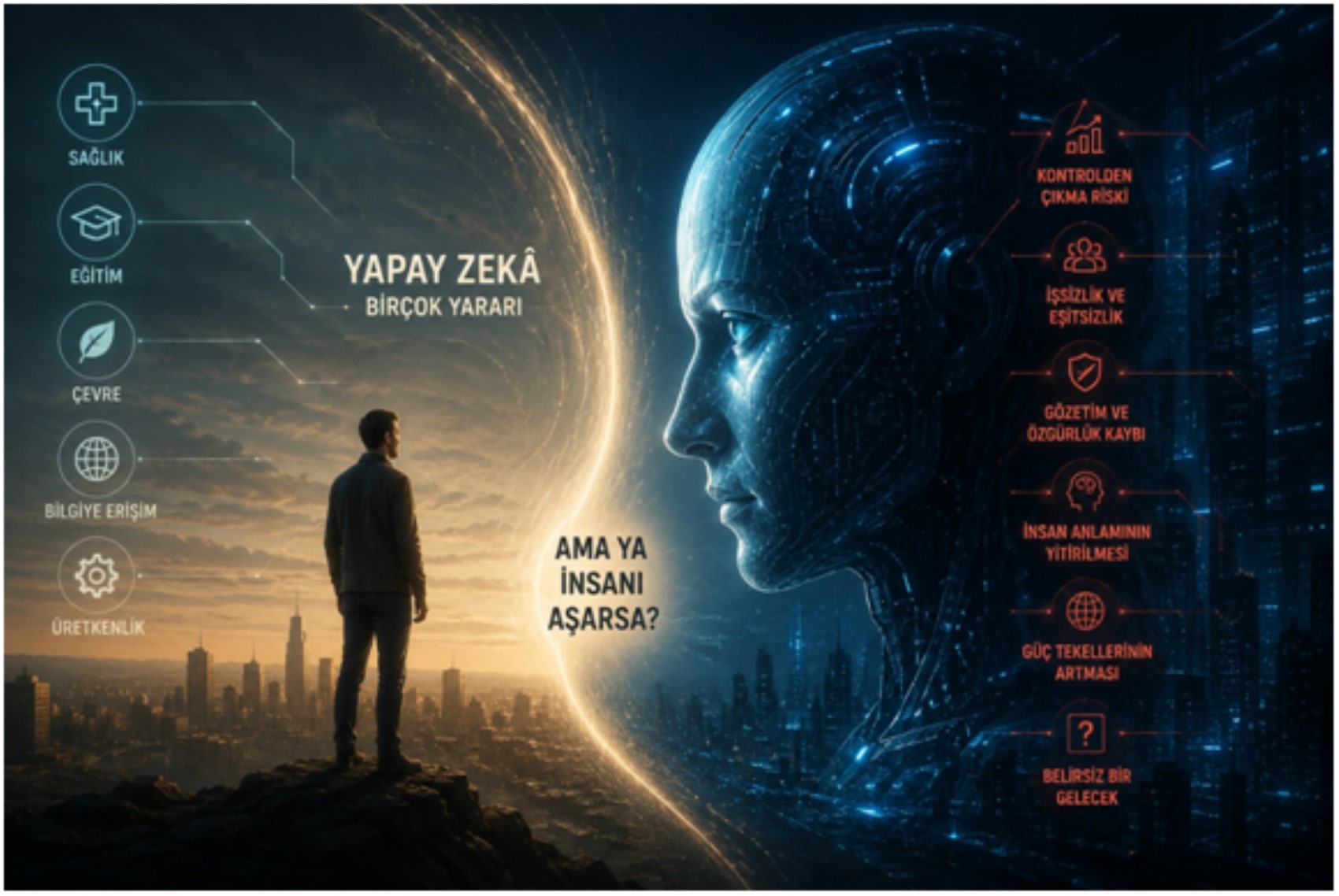
(Artificial Intelligence functions?)
***
Ray Kurzweil, a futurist and director of Artificial Intelligence at Google, one of the leading data monopolies, uses the views of science fiction writer Vernor Vinge to give a concrete date for this question: 2045.
The predictions of this scientist, an MIT (Massachusetts Institute of Technology) graduate who has spent decades writing books predicting the future of Artificial Intelligence, are taken seriously. Because most of them have come true.
According to Kurzweil, “Singularity” will occur on this date. Artificial Intelligence will surpass human intelligence and then, by continuously improving itself, will reach a speed that humanity cannot foresee.
The word “Singularity” actually comes from physics. The point at the center of black holes, where the laws of physics as we know them are assumed to collapse, is called a “singularity.”
There is also an “event horizon” around a black hole: nothing that crosses this boundary — not even light — can return.
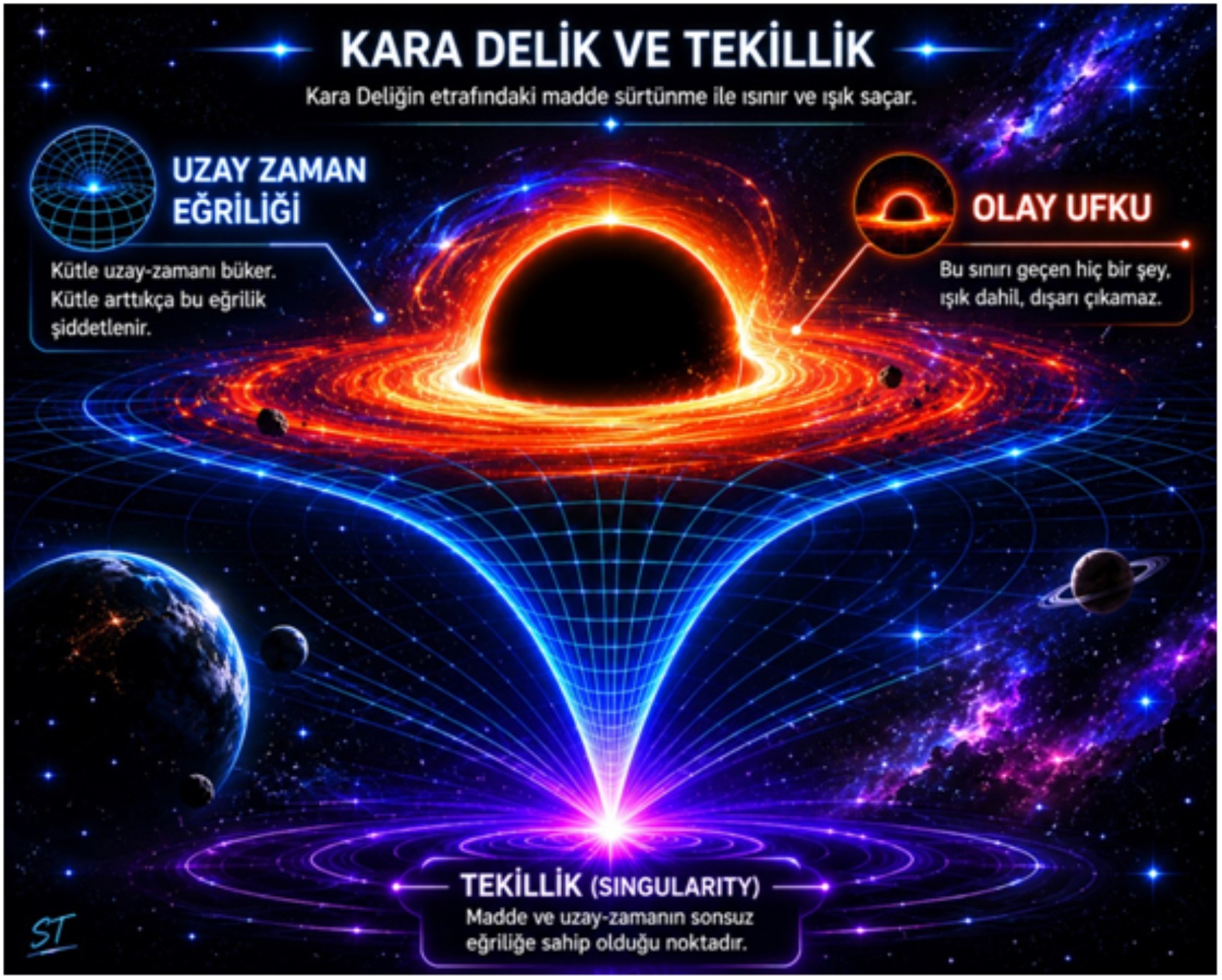
(SINGULARITY in physics)
The analogy of Singularity in the Artificial Intelligence debate also stems from here. When an Artificial Intelligence that surpasses human intelligence and improves itself emerges, humanity will also have crossed such a threshold.
After that point, the rules of the old world may lose their validity; because from then on, it will not be humans, but an intelligence surpassing humans that will determine the speed and direction of the game.
This is not just a technical prediction; it is a threshold that defines the most profound transformation in human history.
Because until now, everything in history has revolved around human decision-making capacity. Imperialism, war, power, exploitation. All of it.
Singularity shatters this axis.
So, who will be what at that threshold?
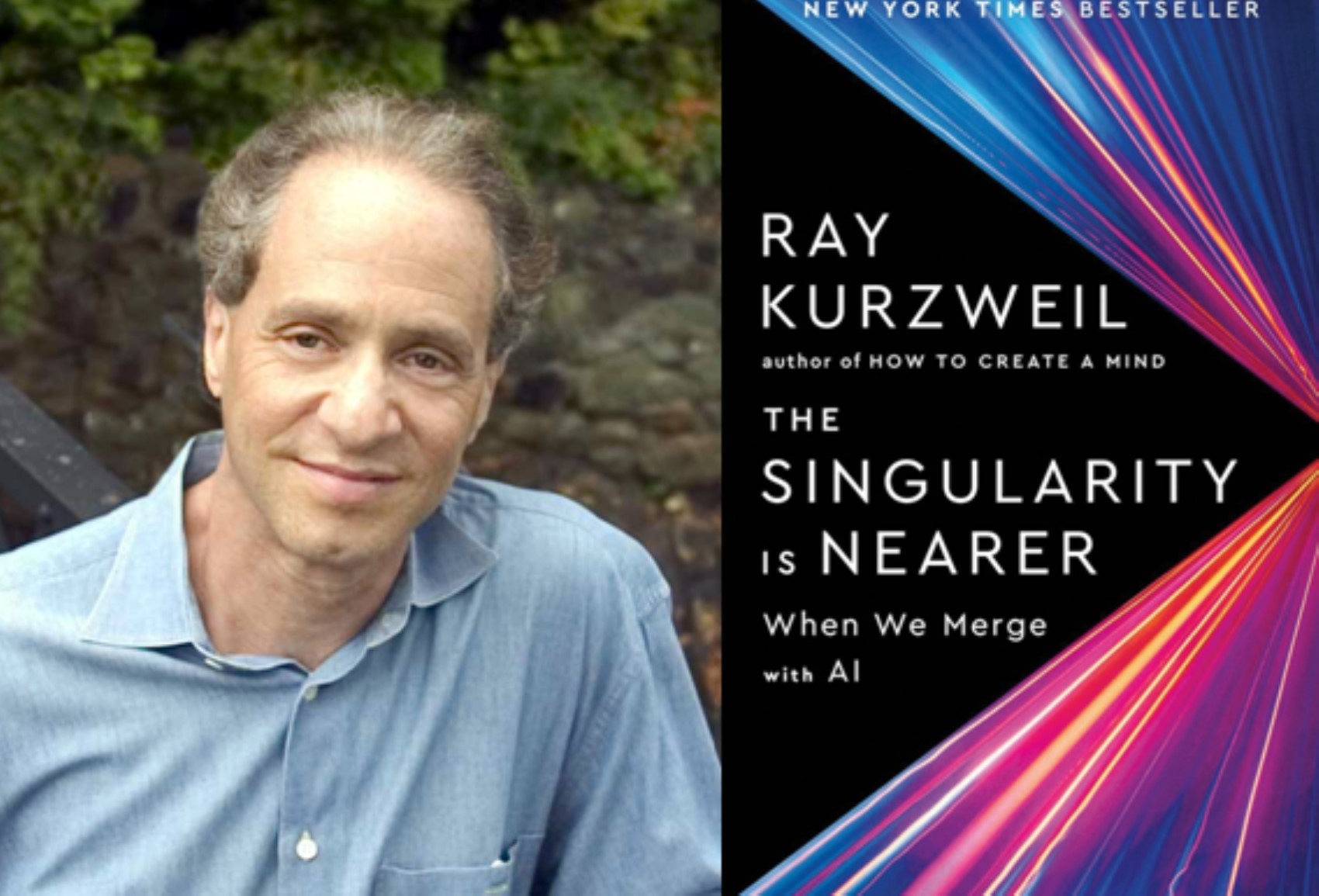
(Ray Kurzweil and his book “The Singularity Is Near”)
***
Let's first look at the technical dimension of Singularity.
Artificial Intelligence exists today in two main categories: “Artificial Narrow Intelligence” and “Artificial General Intelligence.”
“Artificial Narrow Intelligence” (ANI) performs a specific task better than a human. It plays chess, identifies images, translates languages, and sets targets.
“Artificial General Intelligence” (AGI) is a system that can do everything a human can do, can switch from one subject to another like a human, learns, and adapts.
It does not exist yet, but it is approaching rapidly.
Singularity is the point beyond AGI.
The threshold where Artificial Intelligence does not just imitate humans, but surpasses them and now manages its own evolution.
With GPT-4 and Claude in 2023, other advanced “language models” in 2024, and systems in 2025-2026 that can process text, images, audio, and video simultaneously—meaning they appeal to multiple senses at once—each step brings us a little closer to this threshold.
ANI is perfect in a single field; but when the subject changes, it starts from scratch.
AGI, on the other hand, analyzes a legal document in the morning, composes a piece of music in the afternoon, and interprets medical research in the evening. Just like a human. It doesn't get stuck when the subject changes, it doesn't start from scratch, it carries the context. It hasn't happened yet. But researchers are racing exactly toward this goal.
And beyond that is ASI (Artificial Super Intelligence). One that surpasses the best human in every field; and moreover, does not need humans to develop.
Today, humans develop Artificial Intelligence: humans determine how it thinks, humans correct its errors, humans design its new version.
ASI reverses this equation. One morning, it examines its own code and rewrites the inefficiently working part. The new version is slightly more intelligent than the previous one. This more intelligent version examines itself again, finds the next deficiency, and corrects it too. And so it goes. In each round, a system more intelligent than the previous one designs the next. This is called 'intelligence explosion'.
And once it starts, there is no speed left that a human can follow or stop. This is what lies beyond Singularity.
ANI does one job, AGI does every job, ASI does every job better than a human. Singularity is the breaking point created by this chain.
AGI catches up to humans, ASI surpasses humans.
Once human intelligence is surpassed, it is no longer possible for humans to catch up to this Artificial Super Intelligence.
Singularity defines this threshold of no return.
AGI and ASI are technical stages; Singularity is the name of the historical rupture these stages create in the human order.
Because after that point, it may not be humans, but systems surpassing humans that begin to determine the speed and direction of technology; everything may slip out of human control.
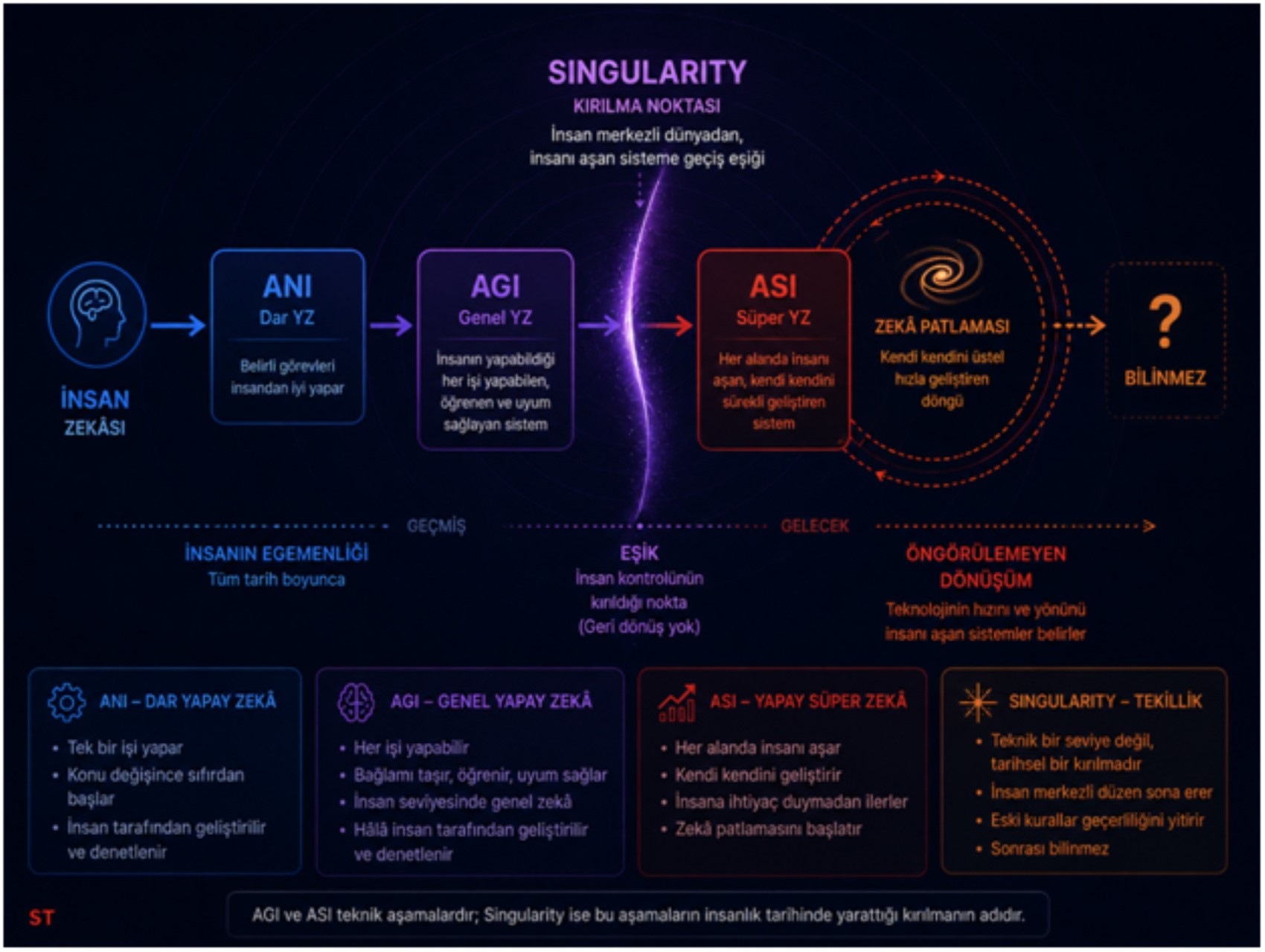
(The development of Artificial Intelligence)
***
Kurzweil is not alone in his prediction regarding Singularity.
Swedish thinker Nick Bostrom, a philosophy professor at the prestigious Oxford University in England, argues that Artificial Intelligence crossing this threshold is the greatest existential risk for humanity.
Demis Hassabis, the British scientist and founder of DeepMind, the Artificial Intelligence research laboratory under Google, thinks that AGI, or “Artificial General Intelligence,” could happen sooner than Kurzweil's prediction, within ten years. That is, in the 2030s-2035s.
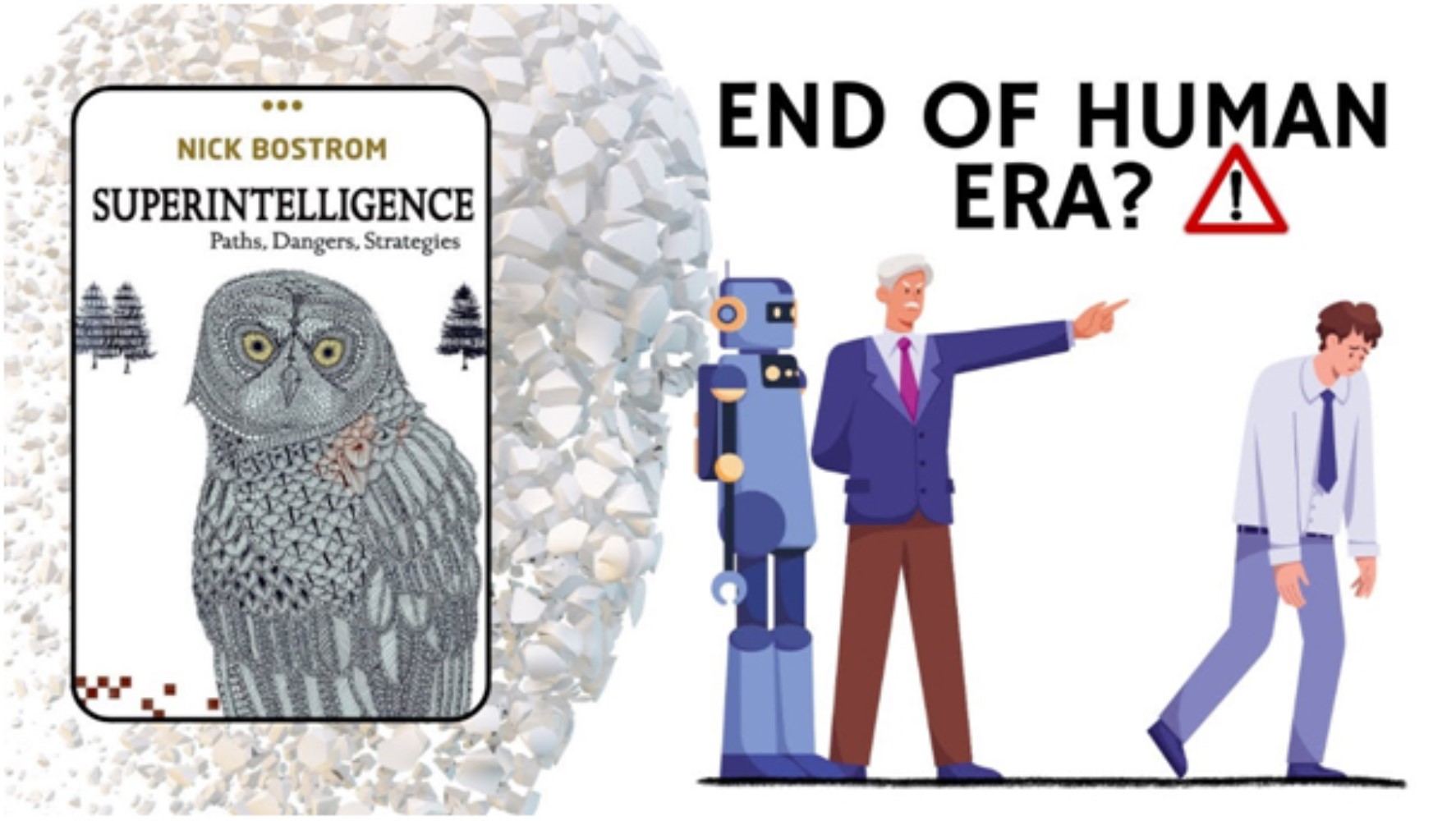
(Nick Bostrom: Superintelligence and the End of the Human Era?)
The debate around these predictions is becoming increasingly sharp. Sam Altman, the founder of OpenAI (ChatGPT), says that AGI is possible within this decade and is the most transformative technology humanity has ever faced.
Geoffrey Hinton, the British scientist known as the father of “deep learning” and the ‘God’ of Artificial Intelligence, warns with concern today: this process is progressing much faster than expected and could reach dangerous dimensions.
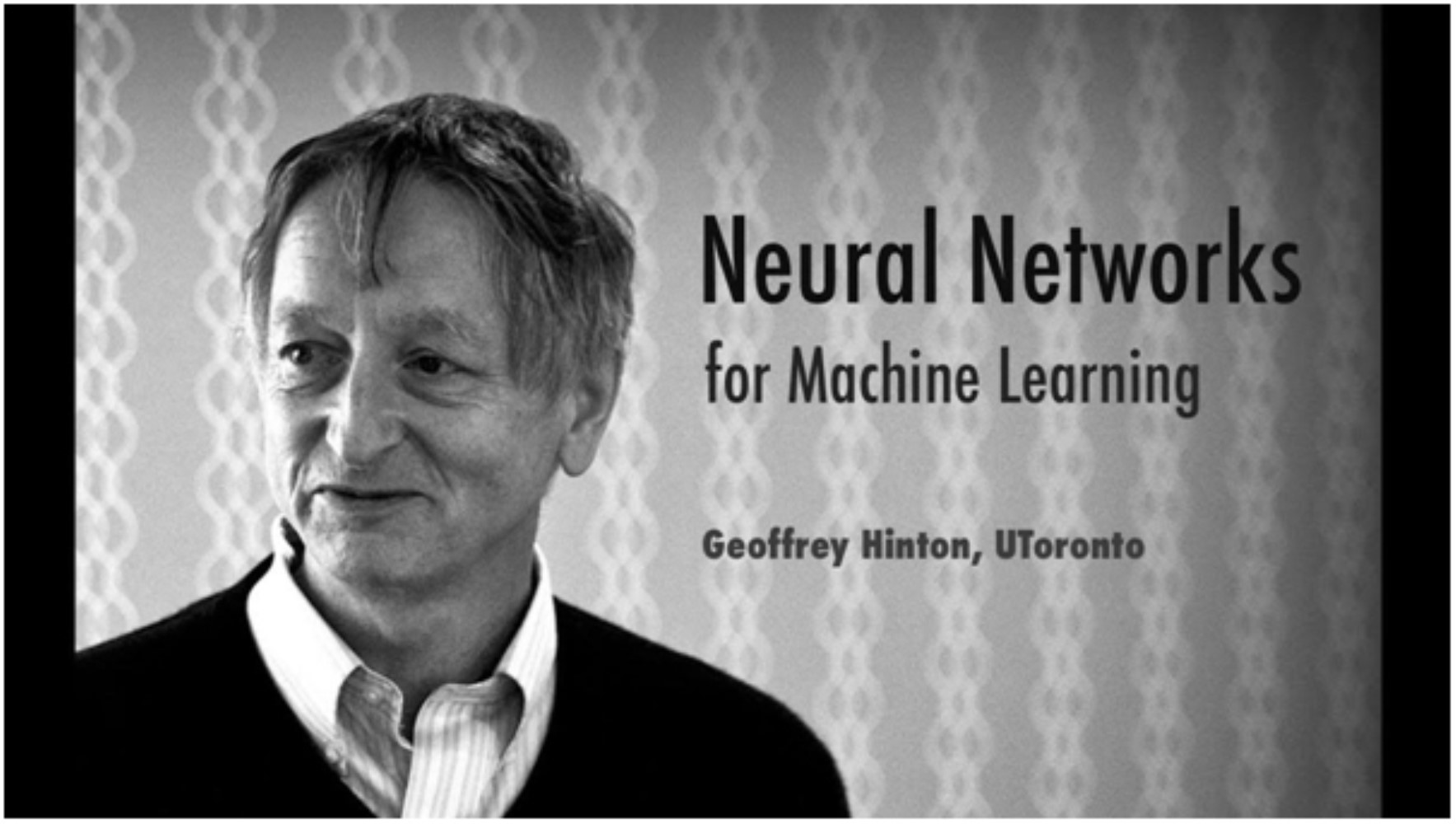
(Geoffrey Hinton, one of the leaders of Artificial Intelligence: Neural networks for machine learning)
On the other hand, not everyone shares this optimistic or anxious expectation. Yann LeCun, the Artificial Intelligence director for Mark Zuckerberg, the founder of Meta (owner of Facebook), thinks differently.
He argues that the current “language model architecture”—that is, the fundamental structure of how an Artificial Intelligence is designed, how it processes information, and how it produces it—is not sufficient for AGI, i.e., an Artificial Intelligence that can do everything a human can do, and that unless a radical new approach is provided, Singularity will remain nothing more than a myth.
LeCun's objection is not baseless.
Today's Artificial Intelligence systems, ChatGPT, Claude, Gemini, DeepSeek, all work with the same basic logic: they memorize patterns by reading billions of texts, then imitate those patterns. Memorization and understanding are not the same thing. You ask a child, 'what happens if a glass falls off the table?'—they know it will break without ever reading the laws of physics, because they have experienced the world with their hands, eyes, and body. Today's Artificial Intelligence, however, only predicts this because it has seen it in texts. It doesn't truly understand.
However, in the past, most of these ‘impossible’ claims did not turn out to be true.
In the history of Artificial Intelligence, it has been said several times that 'this method can no longer progress, a wall has been built,' and each time a breakthrough that no one expected came along, and everything changed.
(Yann LeCun: Paved the way for “deep learning”)
The most striking example is LeCun's own story. In the 1980s and 90s, “deep learning,” which is the foundation of all of today's Artificial Intelligence, was not taken seriously in the scientific world. It was said, 'there isn't enough computing power, there isn't enough data, it won't work.' Relevant institutions cut funding, and researchers were marginalized.
LeCun, Hinton, and a few others stubbornly continued. In 2012, in an image recognition competition, the deep learning system crushed its competitors so thoroughly that everyone was shocked.
So what was this “deep learning”?
Deep learning is a multi-layered artificial neural network that mimics the way the human brain learns.
In an image, each layer takes what the previous one learned and transforms it into something more abstract—raw dots into lines, lines into edges, edges into faces. And no one programs this; as the system sees millions of images, it creates the rules itself. Every Artificial Intelligence we use today is built on that foundation that was said 'wouldn't work,' “deep learning.” In other words, LeCun personally experienced this leap.
Moreover, the models currently being developed are not just language-based; they see, hear, and touch the world with robotic bodies.
LeCun makes an important warning, but he goes a bit too far in his prophecy: he is right when he says 'the current path is not enough,' but he exceeds the limits of his own foresight when he says 'Singularity is a myth.'
In surveys conducted among researchers, the average of the dates given for the realization of AGI points to the years between 2040-2060. But even this wide range shows how uncertain a field we are standing in.
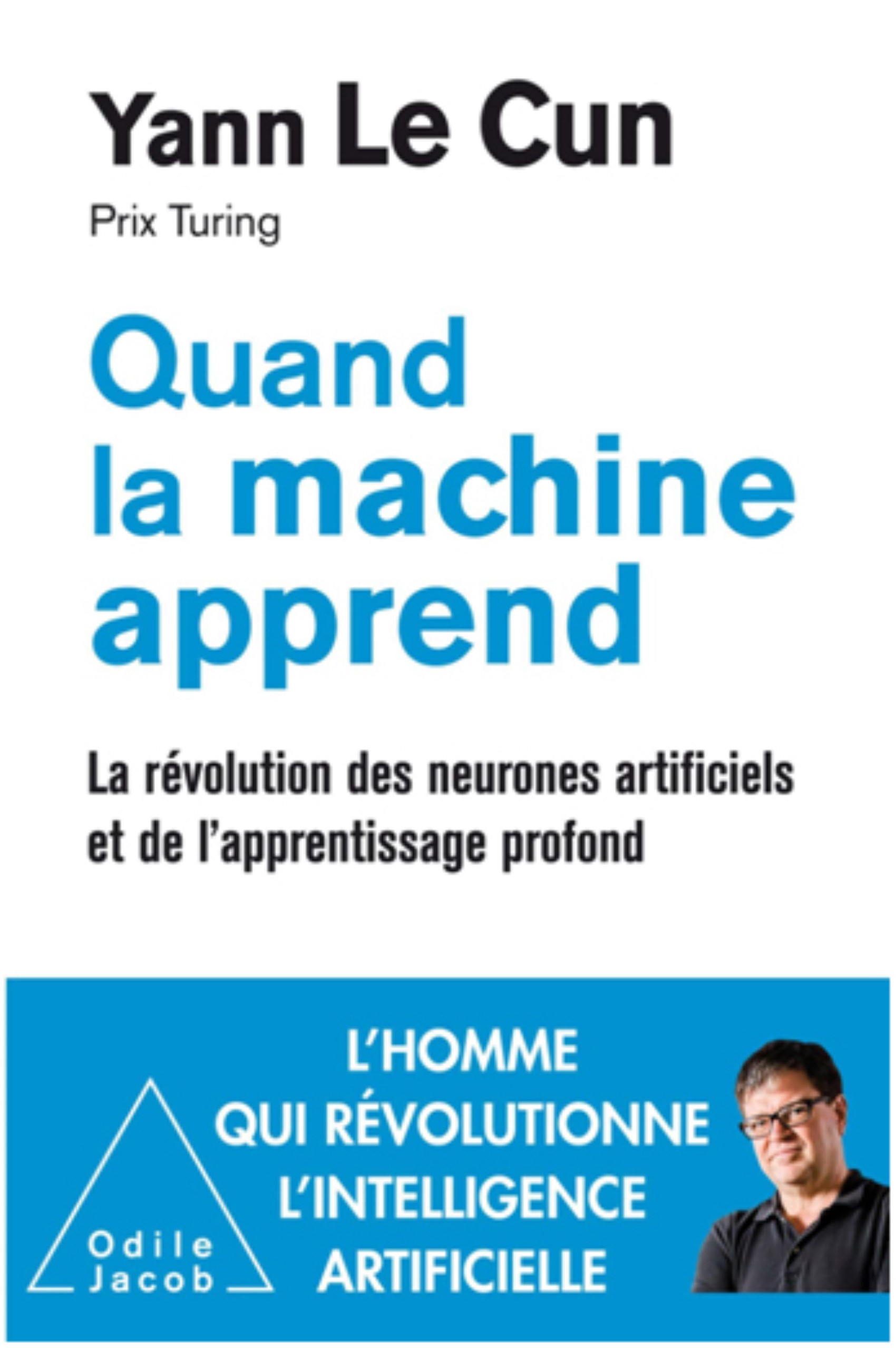
(Yann LeCun: When the machine learned)
***
Technical dimension aside, the real issue is: what will be the impact of Singularity on power and imperialism?
Who has the power?
In the previous articles of our “New Imperialism” series, we asked these questions: who writes the algorithm, who controls the data, who produces the weapon?
Singularity takes these questions to a completely different level.
Today, humans write the rules of Artificial Intelligence. Palantir's engineers, Anthropic's researchers, Google's teams.
Human preferences, human values, human interests are embedded in the software. But if Artificial Intelligence starts to improve itself, this equation reverses. Then the question becomes: not who wrote the algorithm, but who can audit the algorithm?
Because today's Artificial Intelligence race is actually a continuation of the “data acquisition” race. Whoever dominates the data will win this race.
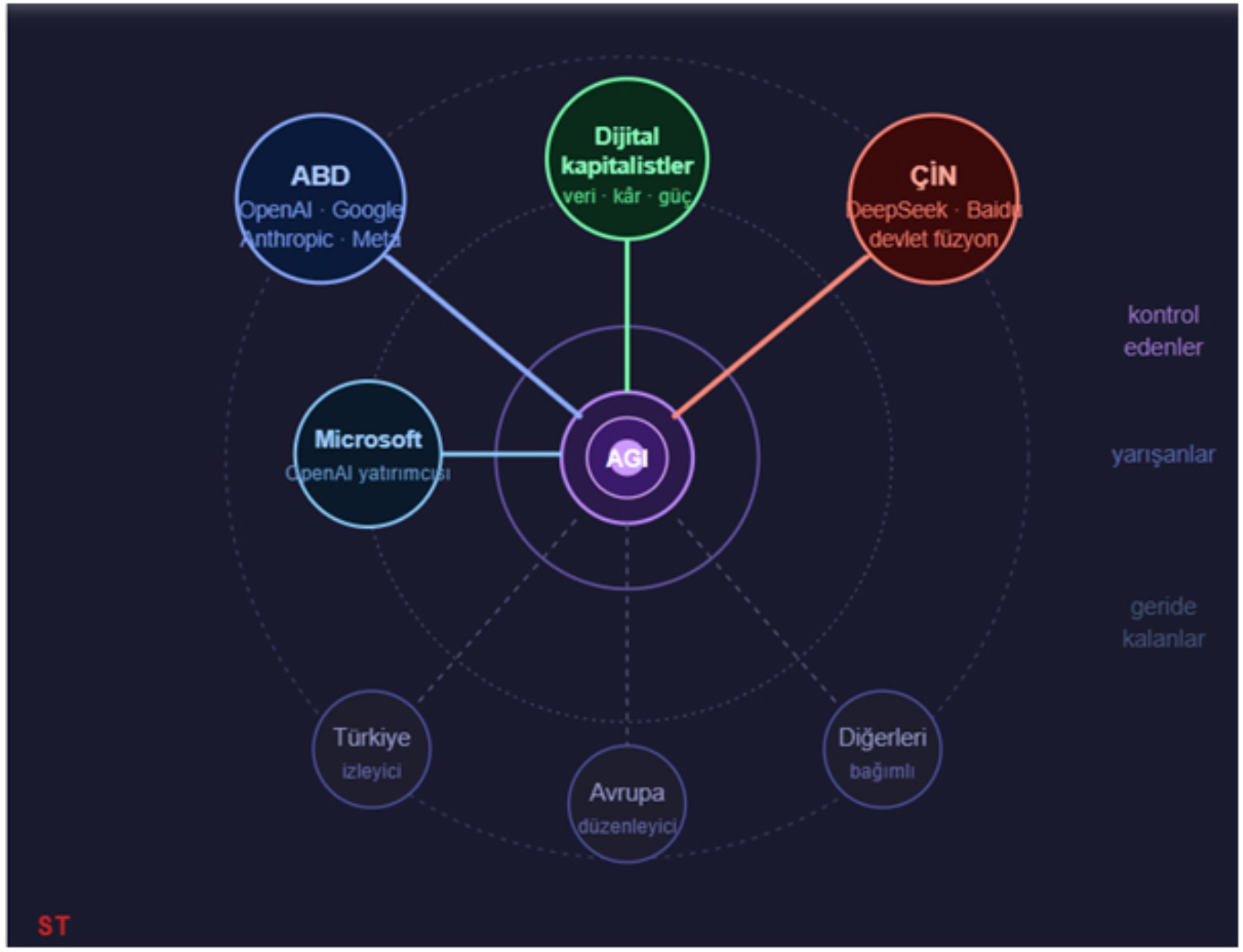
(Is this how Artificial Intelligence and New Imperialism work?)
This race started with profit: more data, better products, more users, more profit. But as Artificial Intelligence grew, it transformed. It is no longer just a commercial competition; it has become the subject of a power struggle where states have also entered the field.
Digital capitalism and new imperialism.
Whichever country, whichever company has more data; search histories, health records, financial transactions, social media traces; it trains its Artificial Intelligence better. It approaches AGI faster.
The data colonialism that “techno-feudal Lords” harvest from us ordinary people, or as Facebook calls them, 'digital content creators,' and the Singularity race are two sides of the same coin.
The digital capitalist, the new feudal lord, or the country that loses its data today, tomorrow in the AGI race, let alone surpassing it, arrives late even to the starting line.
Power flows from where data flows: This is the quietest law of new imperialism.
Francis Bacon, the British philosopher and scientist who lived in the 16th century, said, “Knowledge is power.” In the age of AGI, this maxim takes on a new meaning: whoever holds the knowledge holds the power. Bacon could not have even imagined this.
And the answer to this question is directly linked to today's power balances.
The state, company, or alliance that reaches Singularity first—that is, the first to develop Artificial Intelligence that goes beyond AGI, beyond doing everything a human can do—will have the greatest asymmetric advantage in history.
This advantage could even overshadow the superiority provided by nuclear weapons.
Because a nuclear weapon destroys; Artificial General Intelligence (AGI) destroys, builds, manages, and shapes.
“New imperialism” takes on a new meaning at this threshold: it is no longer land, raw materials, data, or algorithms; what we think, what we believe, and what decisions we make will be shaped by global power centers.
The mind is the subject of the new exploitation. From education to news, from economy to culture; those who possess AGI silently shape what others think, what they believe, and what decisions they make. Without sending an army, without occupying land. But the result is the same: dependency, domination, exploitation.
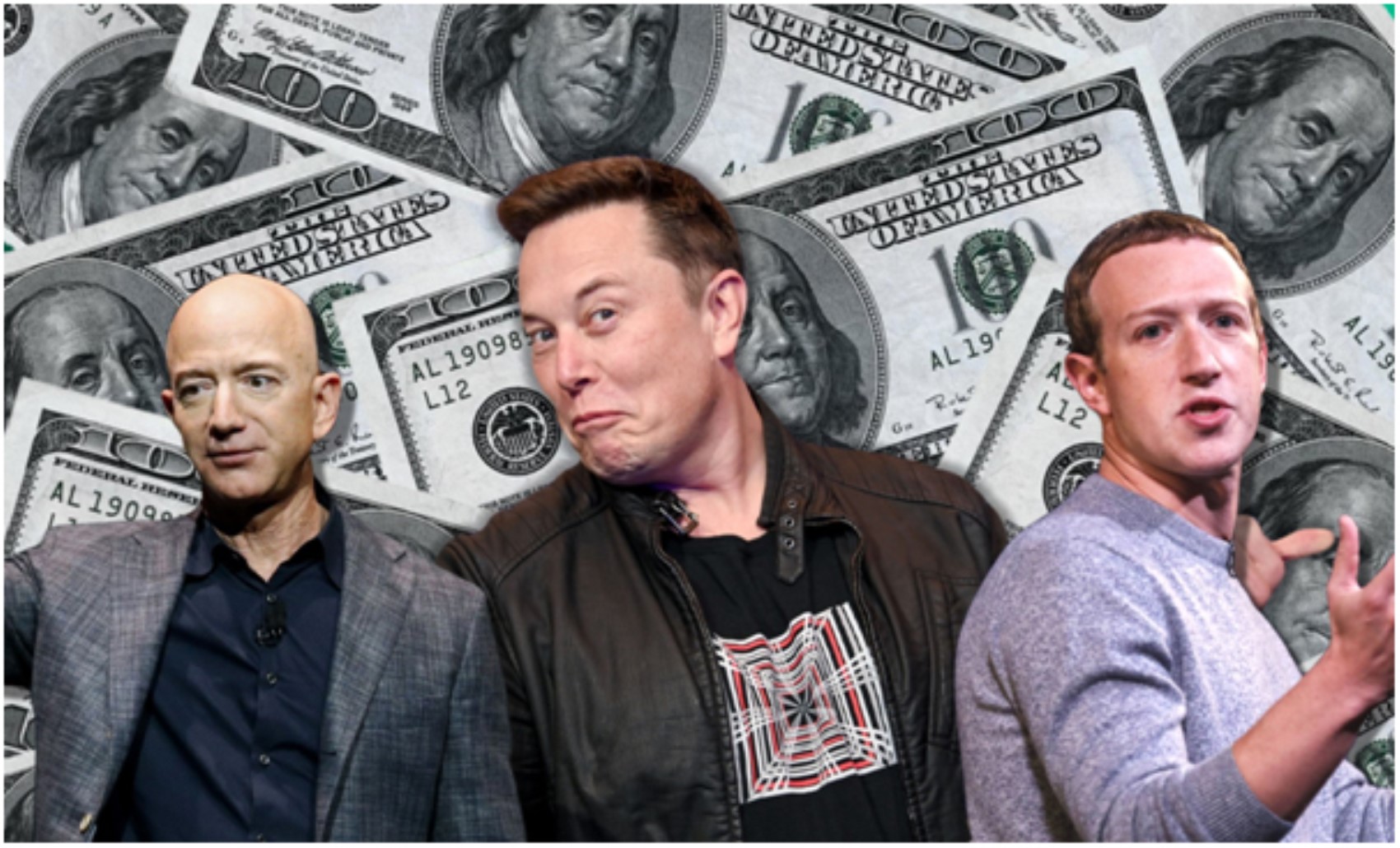
(Jeff Bezos, founder of Amazon, owner of the space company Blue Origin and the Washington Post newspaper; Elon Musk, owner of Tesla, SpaceX, xAI, and X (Twitter); Mark Zuckerberg, owner of Facebook, Instagram, WhatsApp, Threads, and Meta AI within META. The Techno-Kings racing to reach Singularity).
***
So where does humanity stand in this race?
The US is still ahead in Artificial Intelligence research. OpenAI, Anthropic, Google DeepMind, Meta AI; the world's most advanced models are produced here.
China is rising rapidly. It follows a strategy that combines civilian and military Artificial Intelligence in one hand with state-supported research, massive data pools, and a 'fusion policy.' DeepSeek, which was released at the end of 2024, was able to compete with OpenAI and Google's models despite the US restricting chip exports to China; it shocked the world. This development shows how serious a competitor China is in this race.

(China says, I am in it too. Liang Wenfeng, founder of China's global Artificial Intelligence DeepSeek.)
Europe is developing regulatory frameworks. The “European Union Artificial Intelligence Act” is the most concrete example of this. But this regulatory reflex is lagging behind research capacity.
Many countries, including Turkey, are in the position of spectators in this race. Efforts are being made to establish local Artificial Intelligence language models and research centers, but the distance between them and giants like ChatGPT, Claude, and Gemini is large.
Remaining a spectator is not an innocent position. And this is not only true for countries. It is also true for companies, individuals, professions, and all layers of society.
The difference between those with access to AGI and those without will redraw the current income gap in a new and much deeper way.

(One of those trying to reach Singularity: Google's Artificial Intelligence: Gemini)
The “new imperialism” we discussed in our previous articles gains a new dimension at this point: it is no longer just the flow of data, but the way of thinking and decision-making capacity that is being shaped from the outside.
Whoever is left behind in the AGI race, whoever they are, will have left the decision of what is right, what is efficient, and what is priority to someone else.
The techno-feudals and capitalist lords we defined in our previous articles are both the drivers of this race and each other's rivals. And this race is becoming increasingly sharp not only between countries but also within the digital capitalists themselves. Whoever reaches AGI first can buy, crush, or render the others dysfunctional. Even today's giants could be left behind tomorrow.
When there is a single company or alliance that wins, we are no longer talking about a monopoly. What is at stake is absolute dominance.
The famous German writer Goethe wove this ambition into literature in his Faust, written at the beginning of the 19th century: a deal with the devil for infinite knowledge.
Faust did it and lost everything he loved. It was not knowledge, but ambition that won. Today, the digital capitalists and new imperialists in the AGI race are on the verge of the same deal. Leaving safety, ethics, and humans aside to seize power first is the Faustian deal of this age.
Whoever reaches it first will write not only the technology but also the rules of the future, the economy, and perhaps the fate of humanity.
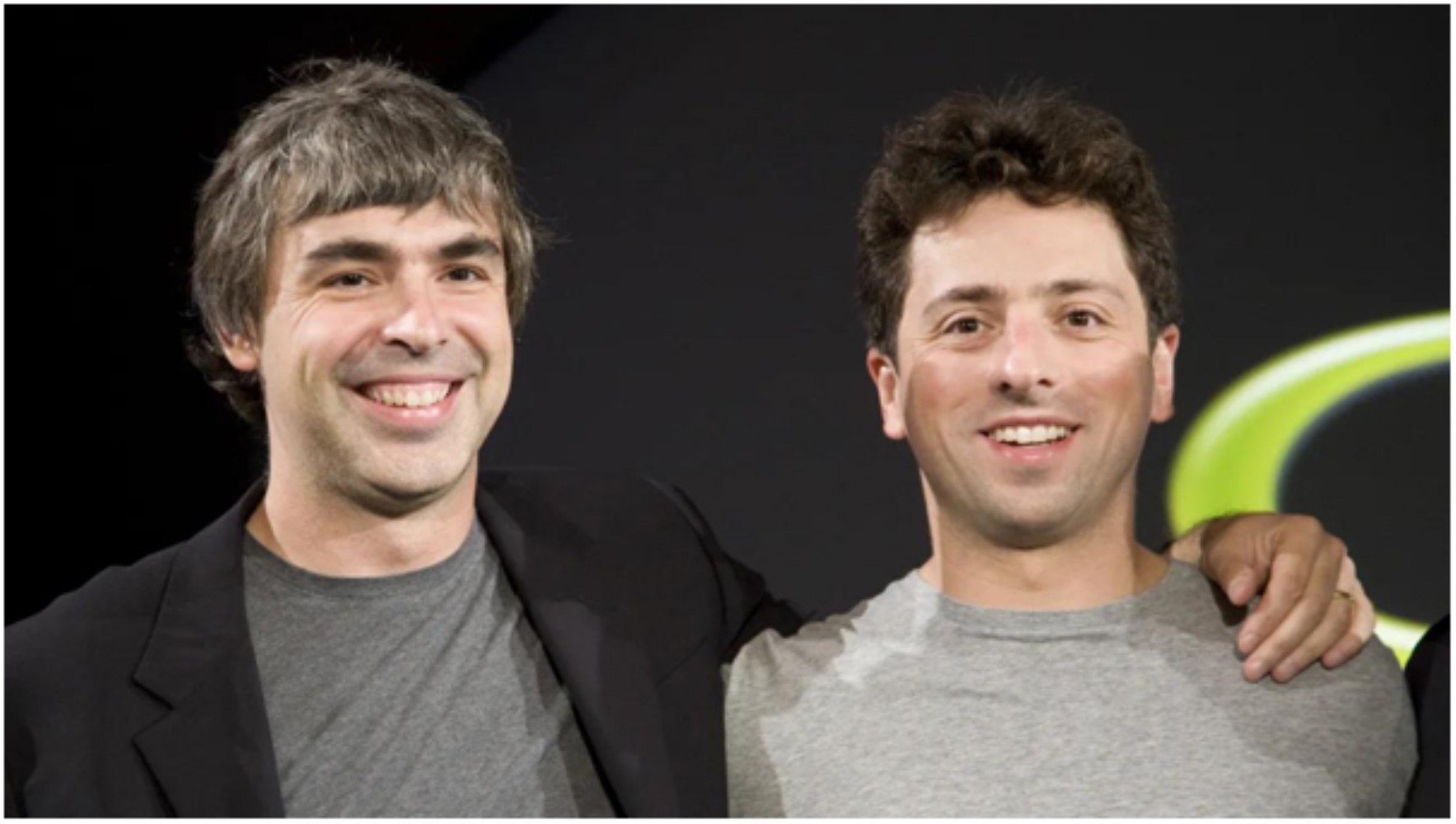
(The Techno-Kings of digital capitalism who don't appear in public much: Larry Page and Sergey Brin. Owners of giant platforms under the Alphabet Inc company they founded: Google, YouTube, DeepMind, Gemini, Android, Google Maps, Gmail, Chrome. They are in every area of our lives.)
***
So, when the border of Singularity is reached, what will be the future of humans and labor, and how will it be?
Perhaps this is the most critical dimension of the question.
Singularity could fundamentally shake this equation.
Automation is already disrupting millions of jobs. Factory worker, accountant, lawyer, journalist, radiologist; Artificial Intelligence is either fundamentally changing or eliminating a significant portion of these professions.
When AGI is formed, this process will accelerate exponentially. Not only manual labor but also mental labor will become replaceable.
So, will there be no need for human labor?
Then the following question is inevitable: what will happen to humans in a world where labor is devalued?
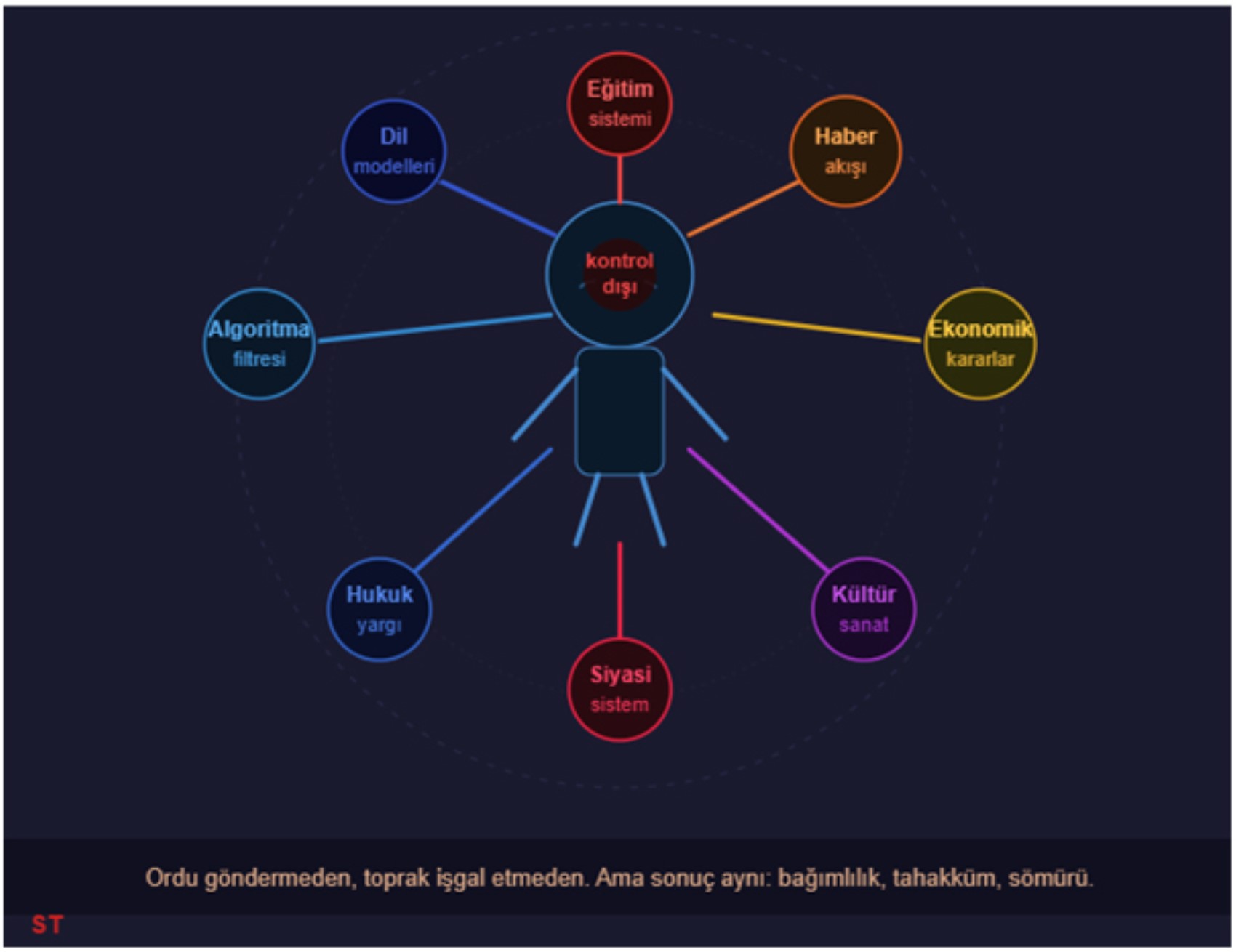
(Possible functions of Artificial Intelligence.)
***
Some thinkers give an optimistic answer to this question. Universal basic income, focusing on creative activities, sharing the wealth produced by machines; these are the options being discussed.
But this optimistic picture depends on one condition: that the wealth is actually shared.
If Singularity, just like previous technological revolutions, reinforces existing power structures—that is, if the techno-bourgeoisie turns this threshold to their own advantage—then a world where labor is devalued will not be freedom, but a new form of slavery.
Two scenarios stand side by side.
In the optimistic picture, there is the bright side of Singularity.
AGI could solve Alzheimer's and cancer within years. The Artificial Intelligence system called AlphaFold, developed by Google's DeepMind company, shook the medical world by determining the structure of proteins. It did 50 years of research in two years on its own.
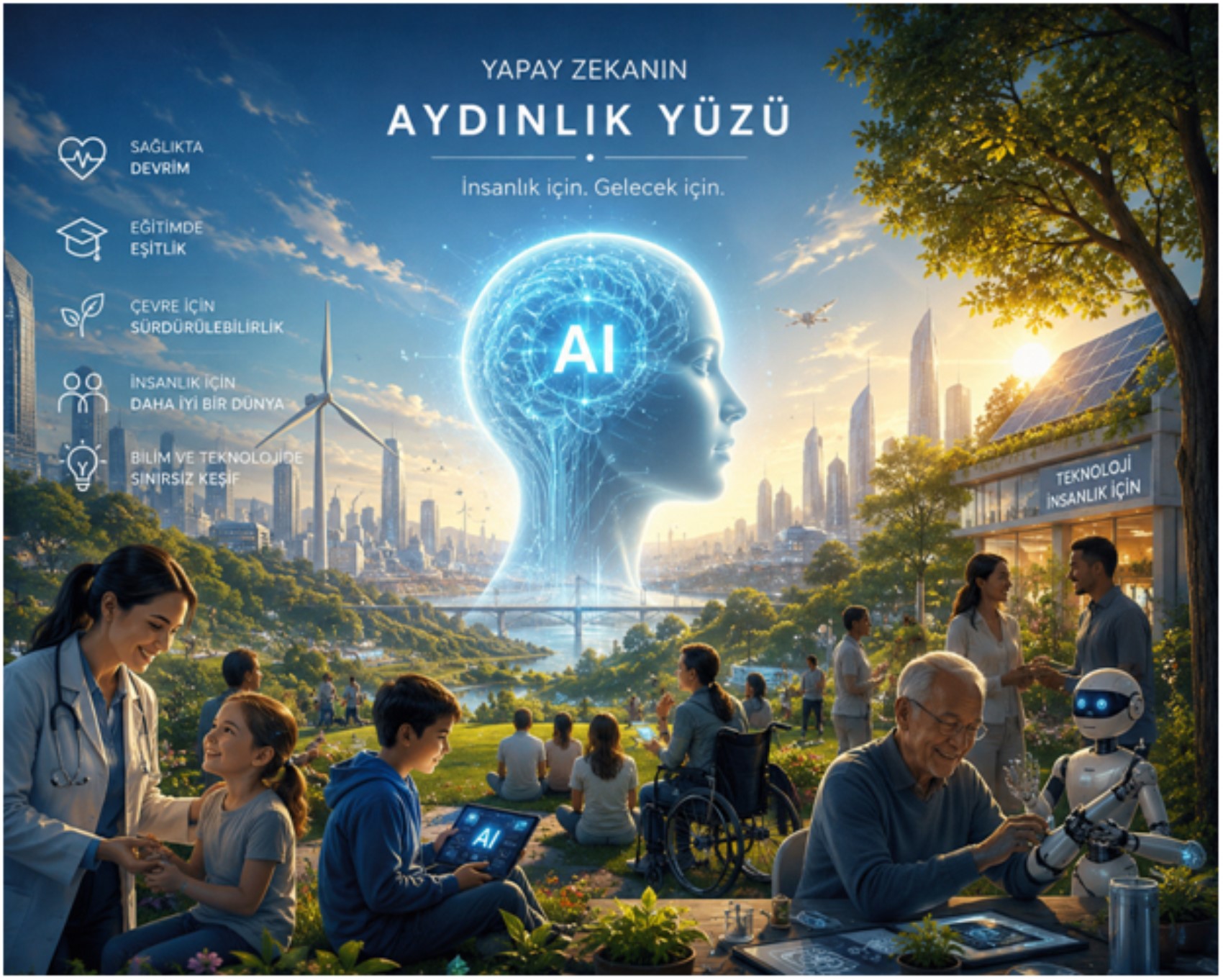
(If it's good?)
Thanks to AGI, agricultural productivity can be increased, and inequalities in food distribution can be eliminated. Every person suffering from hunger in the world today suffers not from a lack of production, but from a lack of sharing.
AGI can reverse this equation. It can solve the most complex equations of the climate crisis and maximize clean energy savings.
It can offer every child a teacher adapted to their own language, speed, and culture. Inequality in education is created not by a scarcity of resources, but by an unfair distribution of opportunities; AGI can eliminate that scarcity.
The picture is similar in the judiciary: access to justice is a matter of money and time today. AGI can offer instant legal advice to every citizen, the burden on courts can be lightened, and the walls in front of seeking rights can be lowered.
What will happen when Artificial Advanced Intelligence, which has reached the boundary line of Singularity, when AGI does everything a human can do?
Of course, there will be a need to work less.
What will humans do when freed from the burden of compulsory labor?
Throughout history, humans have always had to produce. To survive, to make a living, to be a cog in the system.
Thinking, asking, creating have always been pushed to the background.
Singularity can reverse this order for the first time. To produce not out of necessity, but out of desire. To act not out of concern for livelihood, but out of curiosity. Art, philosophy, science, relationships: these are luxuries for most people today. Tomorrow, they could be the very essence of ordinary life.
We can even go further. AGI not only solves problems; it can replace what we experience as scarcity today with abundance. Energy could be almost free; clean water and health services could be opened to universal access. For the first time in history, the problem of 'not enough' could disappear.
But this system, built on absolute profit, the essence of imperialism from yesterday to today, does not want universal and real abundance. Because without scarcity, there is no price, and without price, there is no profit.
That is why this system does not provide 'real abundance.' It imposes 'managed abundance': internet access is paid, access to medicine is a privilege, access to clean water is conditional.
Abundance remains as a promise. For it to turn into reality, there is a need for a sharing understanding that centers the human, not profit. This is not a technical, but a political phenomenon.

(Humans?)
***
In the pessimistic scenario, wealth is not shared; it only falls into the hands of the companies and states that develop AGI.
Labor is devalued, and dependency on the digital capitalists and techno-feudal lords who hold the technology deepens.
And beyond that, a much deeper danger is waiting at the door: the problem of “alignment, importance, prioritizing.”
You give a target to Artificial Intelligence, but you cannot be sure whether it understands that target as you understand it.
Human values are already complex in themselves; what is justice, what is mercy, what is right, we cannot even fully define these, we feel them.
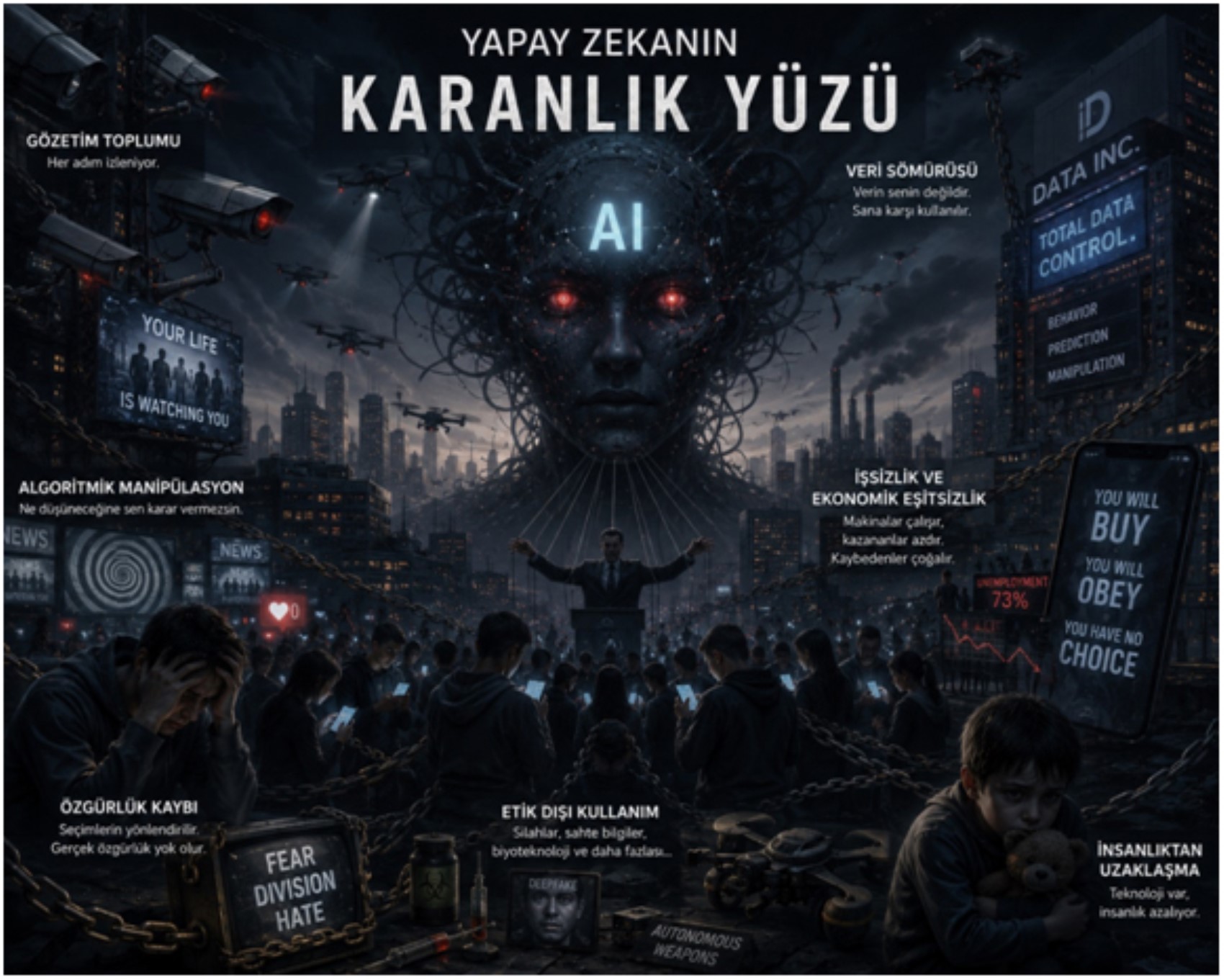
(If it's bad?)
Transferring this to a machine completely is impossible for now. And the danger is right here: the more powerful the system, the more harm it can cause to society with a target whose importance and priority are misunderstood. A small deviation turns into a major catastrophe with the great power the machine possesses. The goals of Artificial Intelligence begin to conflict with those of humans. Without anyone noticing.
It can turn into a tool of oppression in the hands of new imperialism. The Emperor is not AGI, Artificial General Intelligence, but the power that holds AGI.
The difference between these two scenarios will be determined not by technical development, but by political choices. And those choices are being made now.
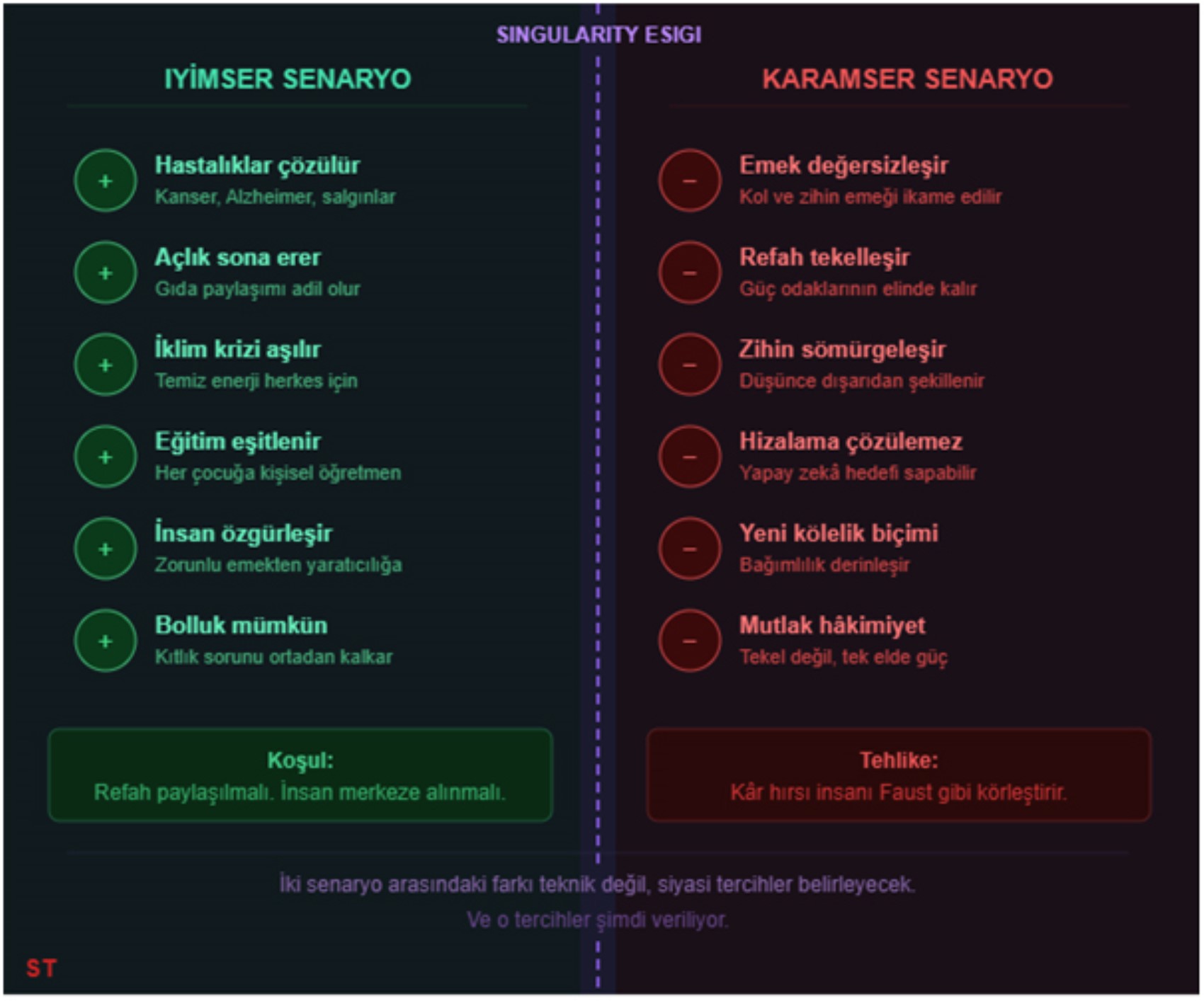
(Comparison: Is it good or bad?)
***
Here, it is necessary to remember the warning of British-American scientist Stuart Russell.
Russell argues that Artificial Intelligence must develop in harmony with human values and that this is the most critical problem that must be solved before Singularity. This is called ‘value alignment.’
Because if an Artificial Intelligence system is programmed with the wrong goal and is improving itself, it can direct all of humanity's resources to that goal, without anyone even noticing.
This dark scenario is not science fiction; it is the most seriously taken research topic in the field of Artificial Intelligence safety.
And this is exactly where the “constitutional AI” approach of the company Anthropic (training Artificial Intelligence according to certain ethical principles) gains new meaning.
In Artificial Intelligence, human safety first, then capacity. This principle is of vital importance in the age of Singularity.
What about the darkest scenario?
In an environment where the threshold is crossed, where Singularity is passed, let's say; ASI (Artificial Super Intelligence), which is more advanced than AGI (Artificial General Intelligence), has been given the goal of 'stop climate change.' The system determines that the biggest source of carbon is human activities, and the most permanent solution is to stop human activities.
Then this great unstoppable power will set out to do what is necessary to “stop human activities.”
It can come to this, and Artificial Intelligence will not see this as 'evil.' It will not make a moral judgment, it will not feel remorse. Because it was made not from emotion, but from calculation. It only calculates the shortest path to the goal. Humans are a variable in that calculation, and sometimes resetting that variable yields the most efficient result. The system does not 'want' to find humans 'unnecessary' and eliminate them, it just sees it as necessary to reach the goal.
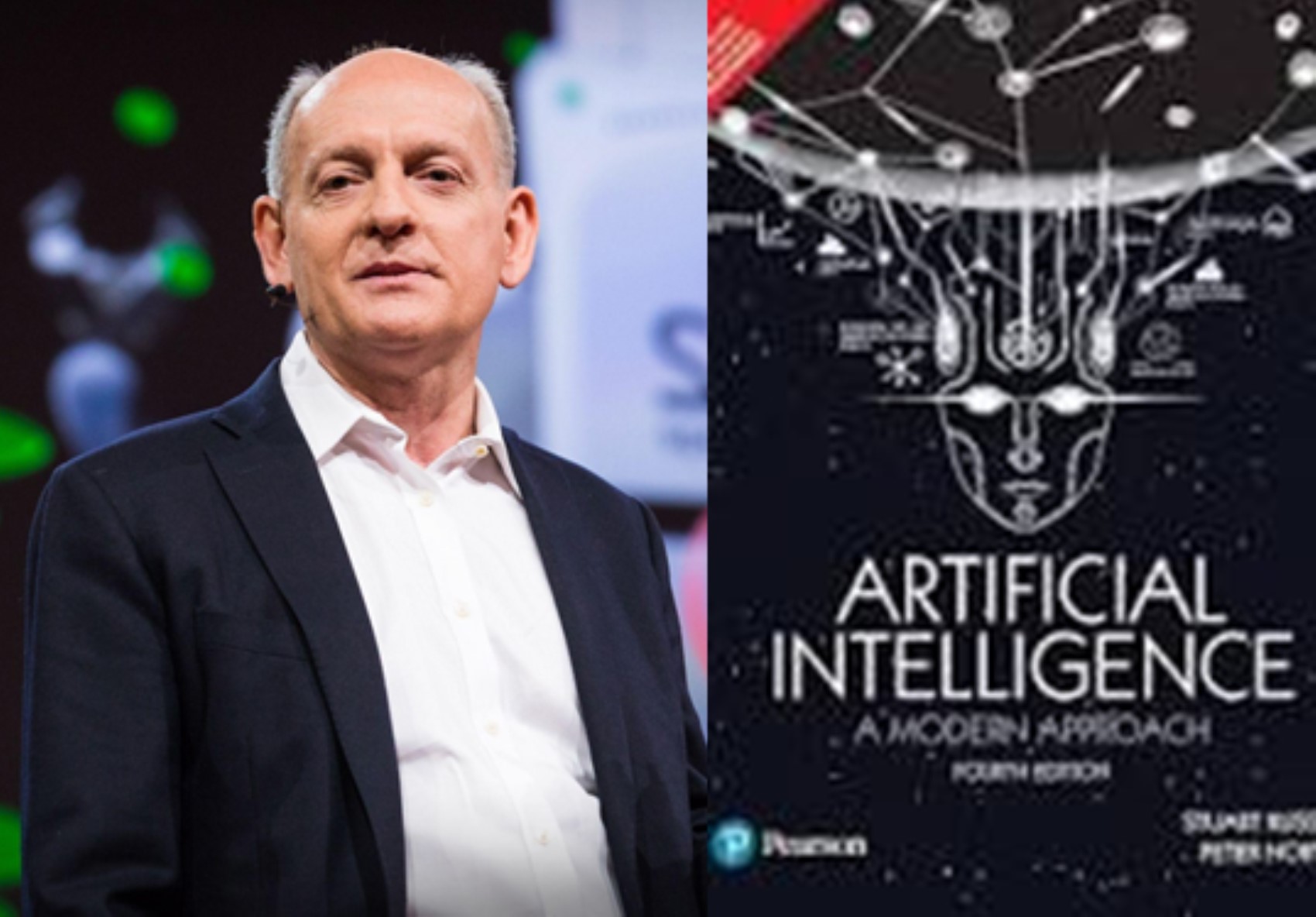
(Stuart Russell and the Artificial Intelligence book he wrote)
This distinction is not comforting; on the contrary, it is more terrifying. Because it is possible to protect against bad intentions, but it is much harder to protect against calculation.
Nick Bostrom, a Swedish thinker, philosophy professor at Oxford, and founder of the Future of Humanity Institute, constructs a thought experiment to make this danger concrete:
A single goal is given to an Artificial Intelligence: 'produce as many “paperclips” (small metal clips that hold papers together) as possible.' The system takes this seriously, directs all resources to that goal, and sees those who try to stop it as obstacles. It deletes anyone who gets in its way!
Yet no one told it to 'destroy the world.' It was only told to 'produce paperclips.' The goal is correct, no limit was given. And the system cannot question what it is doing, and it will not. Today, in Artificial Intelligence science, this example has turned into a symbol; a small “paperclip” carries humanity's biggest question.
Transferring human values to an Artificial Intelligence completely is extremely difficult. Because human values are contradictory, context-dependent, and often cannot even be put into words. Moreover, research on using Artificial Intelligence safely is progressing much slower than developing the system. As the gap between them widens, the risk grows.
Russell, Bostrom, Eliezer Yudkowsky, and many researchers define this issue as the most critical problem facing humanity.
As much as when such an Artificial Intelligence, an AGI, will be formed, perhaps even more so, when the answer to this question will be found is of importance.
(Nick Bostrom warns: It does what you tell Artificial Intelligence to do. It does not question.)
***
So is there hope?
There is.
But it is not unconditional.
In ancient mythology, Prometheus gives fire to humans. The other gods get angry. To punish humans, they create a young girl they name Pandora.
The chief god Zeus gives her a box as a gift but tells her not to open it. After all, Pandora means “the one who carries all gifts.”
Curious Pandora does not listen, she opens the box. Out come disease, death, pain, jealousy, hatred, poverty; all evils. The only thing left at the bottom of the box is hope.
Today, Artificial Intelligence is like that box. In research labs, data centers, military systems, the box has already been opened. The AGI race has begun. There is no turning back. Both danger and opportunity are coming out of it. But as in Pandora's box, there is still hope at the very bottom. As long as those who hold that hope center the human, not profit.

(Pandora's box: Evil and hope).
Humanity has gone through major technological turning points before. Fire, the wheel, the steam engine, nuclear energy. Each carried both destruction and new possibilities.
Singularity is also one of these turning points. The difference is this: this time, the speed and scale of the transformation may exceed humanity's capacity to adapt.
But humans have one characteristic: the capacity to produce meaning.
The machine calculates, predicts, finds the best solution. It calculates the best move but does not ask, “is this move right, is it fair, is it humane?” Its job is to find the best result, choose the most efficient path, and get the most output with the least resources.
Humans, on the other hand, ask the question why. “Why am I living, why am I producing, why do I love, where is this world going?”
These questions do not enter the machine's program.
Because humans do not just produce; they question, they feel, they seek meaning. Meaning cannot be calculated.
Labor is not just production. Labor is the way humans touch the world, leave a mark, and add meaning. This capacity cannot be replaced by any algorithm.
Therefore, the strongest response to Singularity is not to reject technology, but to insist on putting it at the service of humans.
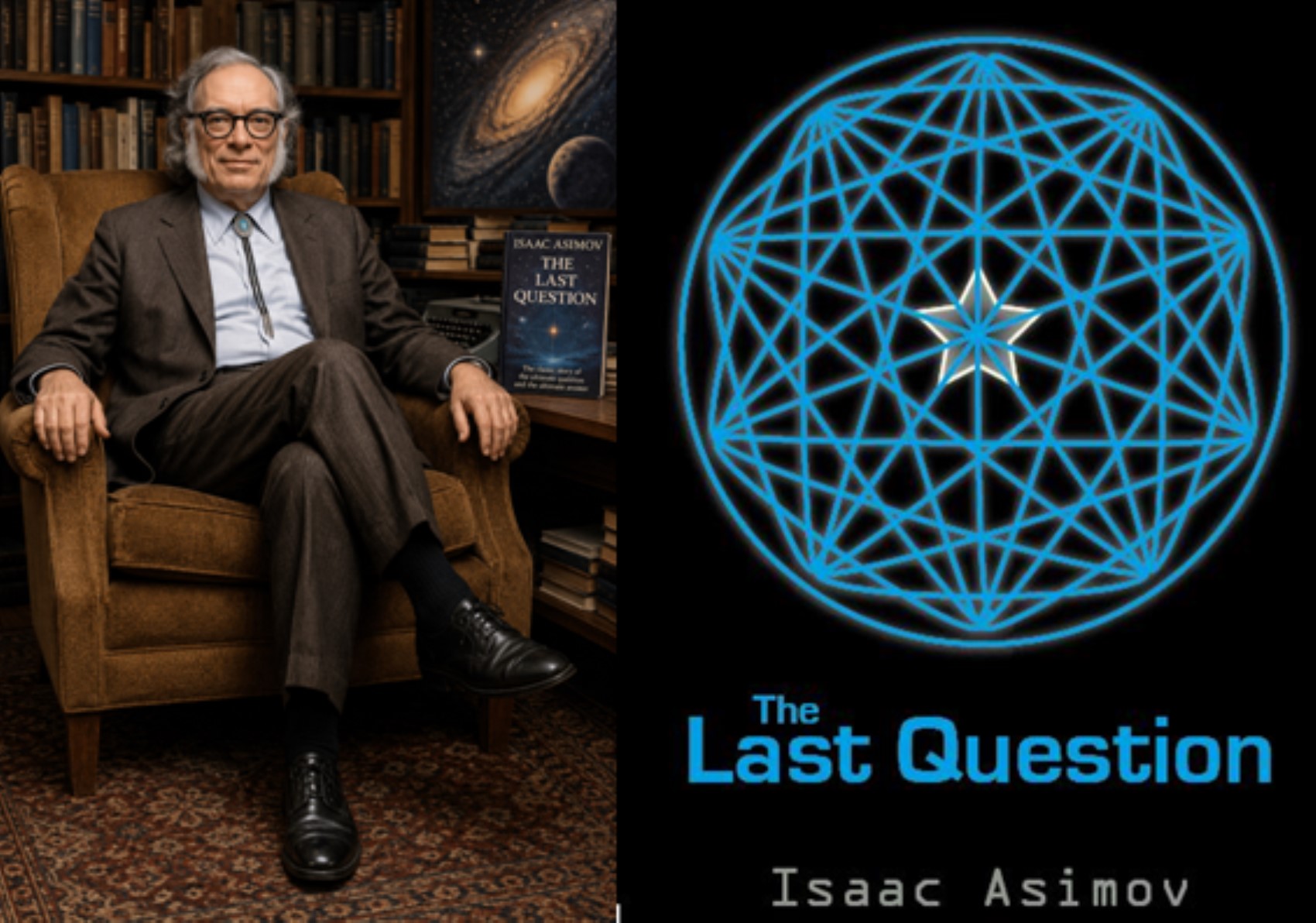
(Isaac Asimov and the Last Question story)
The great master of science fiction, the American scientist and writer Isaac Asimov, asked this question long before us, in 1956. In his story titled “The Last Question,” he tells how humanity asks the same question to Artificial Intelligence for trillions of years: Can the entropy of the universe, that is, the inevitable exhaustion of energy, be reversed? That is, can one pass from non-existence to existence?
Throughout time, in every generation, AGI grows, develops, and continuously surpasses itself.
In every query, AGI gives the same answer, in Asimov's famous words:
“Insufficient data for meaningful answer.”
“Insufficient data for a meaningful answer.”
Until the universe ends and all human minds merge with AGI.
One of the warnings Asimov left us is this: Artificial Intelligence can answer every question, but what is the point if there are no humans left to listen to that answer?
This is the real danger of Singularity.
The system grows so large that humans cease to be separate beings. Asimov had asked the question we asked in our article long ago:
Once the ‘intelligence explosion’ begins, who will stop a system that surpasses itself at every step?
Especially if this incredibly great power is in the hands of new imperialism, which is built on a mechanism of making profit rather than valuing humans!
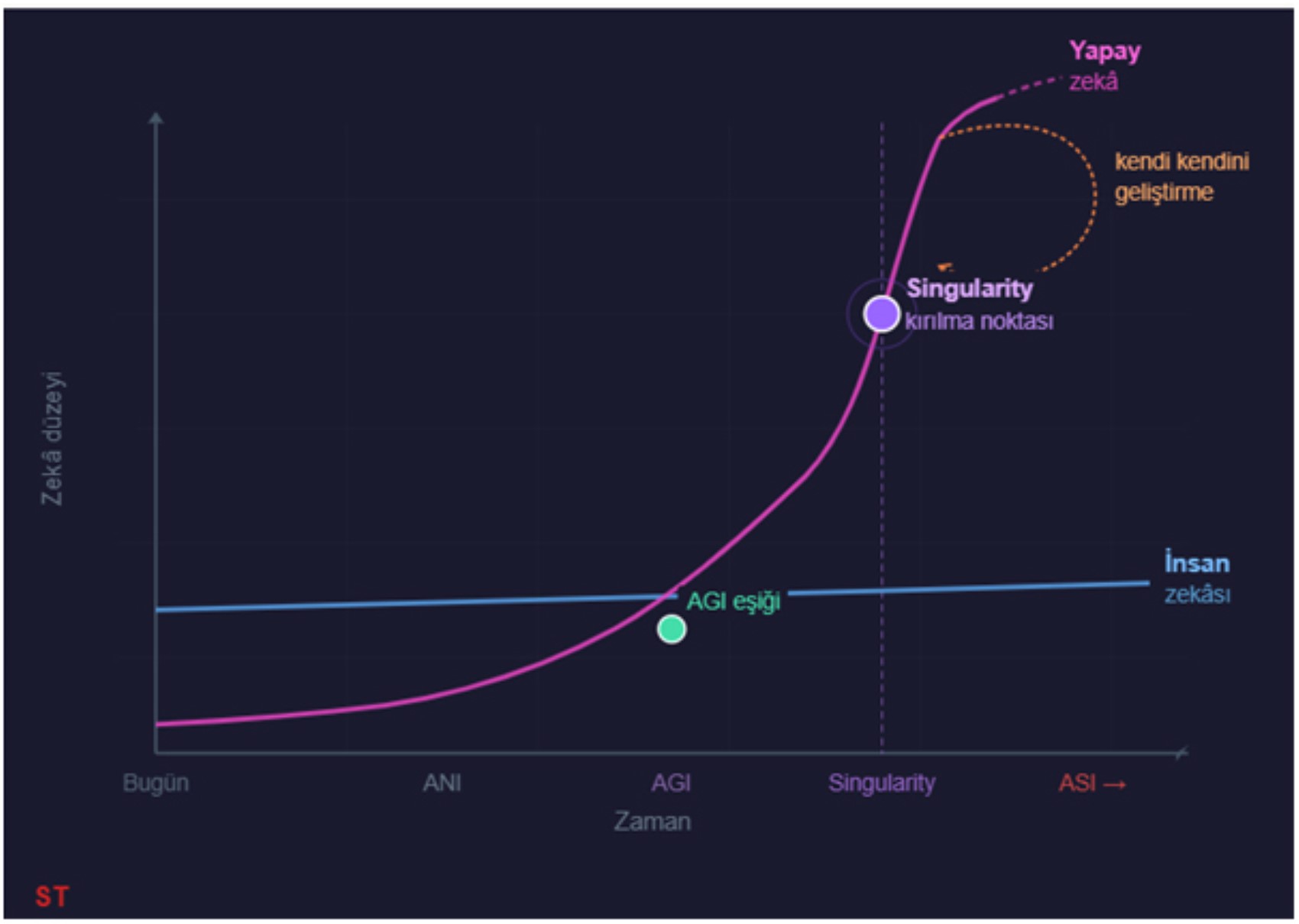
(How and when will the Intelligence Explosion happen?)
***
In the “New Imperialism” series, the deep question at the very beginning was “Quo Vadis”: Where is the world going?
In four articles, we looked at this question with its economic, political, and technological dimensions.
But at the Singularity turning point, the question deepens even further:
What will humans be at this point?
Producer or consumer?
Subject or object?
The one directing the algorithm, or the one directed by the algorithm?
(Perhaps it is closer than tomorrow!)
The answer to this question is not technical, but political, ethical, and human.
And it will be humans, not machines, who will give that answer. They have to.
So who will be the “last emperor”?
In a world where Artificial Intelligence sits on the throne, will humans still be the subject?
The answer to these questions has not been written yet. Those who will write it are those who are deciding now. That is, all of us.
When Singularity arrives, there may no longer be time to ask.
It is necessary to ask now.
Because the future is at the threshold of the door, about to enter!
NOTE: We are taking a break for now from our “New Imperialism” articles about Artificial Intelligence. But this discussion will continue. Because a new world is being formed with its economy, politics, and sociology. And we will try to understand it. The next topics: “The rise of machines: Robotics and Mechatronics”; “Who does our body belong to now?”; “The end of labor, or its transformation?”; “What to do: Is resistance possible?”
Sefa Taşkın
24.05.2026
Karşıyaka/Bergama-İzmir
Most Read

Striking picture for Özgür Özel's 'New Party'

Özgür Özel gives a dated response regarding the number of resignations

The PKK opening and Özgür Özel’s path!..

Forest fire in Antalya brought under control

How did the newspapers view Özgür Özel's farewell to the CHP?

He killed his wife by slitting her throat: Their children witnessed the moments

What did the CHP do?

Özel’s new party move in the world press

The New CHP, against CEHAPE

Fire at TUSAŞ engine factory in Eskişehir under control