



There are some dates that remain on the calendar as just a day, yet never leave the human consciousness.
January 30, 1923, is one of them.
On that day, signatures placed on the shore of a lake with murky waters displaced the lives of millions of people.
The stone remained in its place, the soil remained in its place; the people were uprooted.
South of the Swiss city of Lausanne, on the shores of Lake Geneva, the walls of the Château d'Ouchy were cold.
Inside, states spoke; outside, lives fell silent.
They called it "stability," they called it "peace."
Maps were relieved. But people were torn apart.
Neighborliness ended in a single night.
Those who lived under the same sky, who ate the bread of the same land, were cast to the opposite shore with the stroke of a pen.
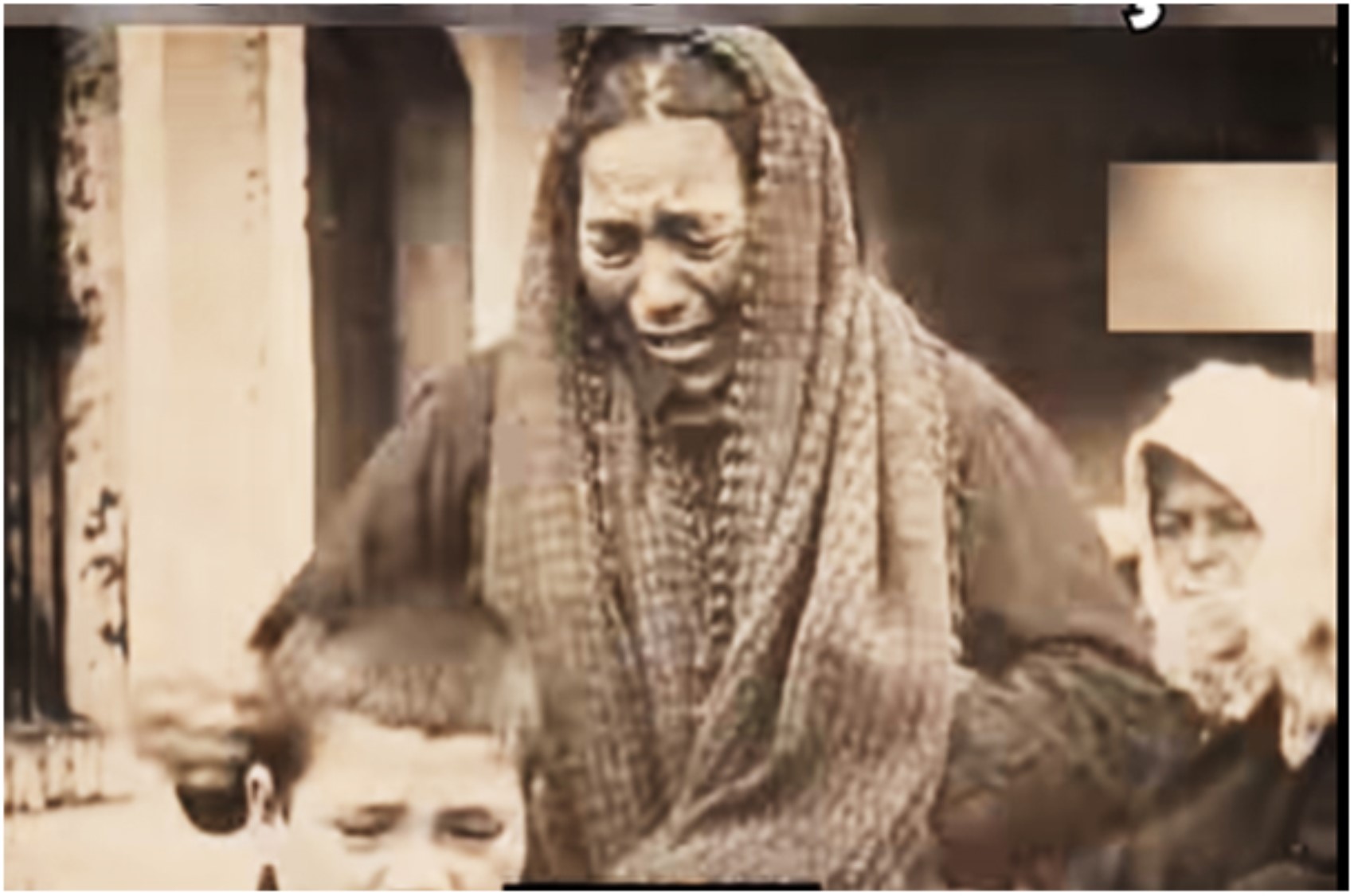
(A Turkish refugee mother, her son, and their neighbor)
The pain was darker than storm clouds!
The polyphonic, colorful world of the decaying Ottoman Empire had already begun to dissolve.
The centuries-old interconnectedness was shattered among the calculations of wars, narrow nationalism, great powers, and imperialism.
As the borders of countries were redrawn with rigid molds, human life remained outside these lines.
They called it the Population Exchange (Mübadele).
What a quiet, what a polite word…
Yet the essence of the matter was this: Leave.
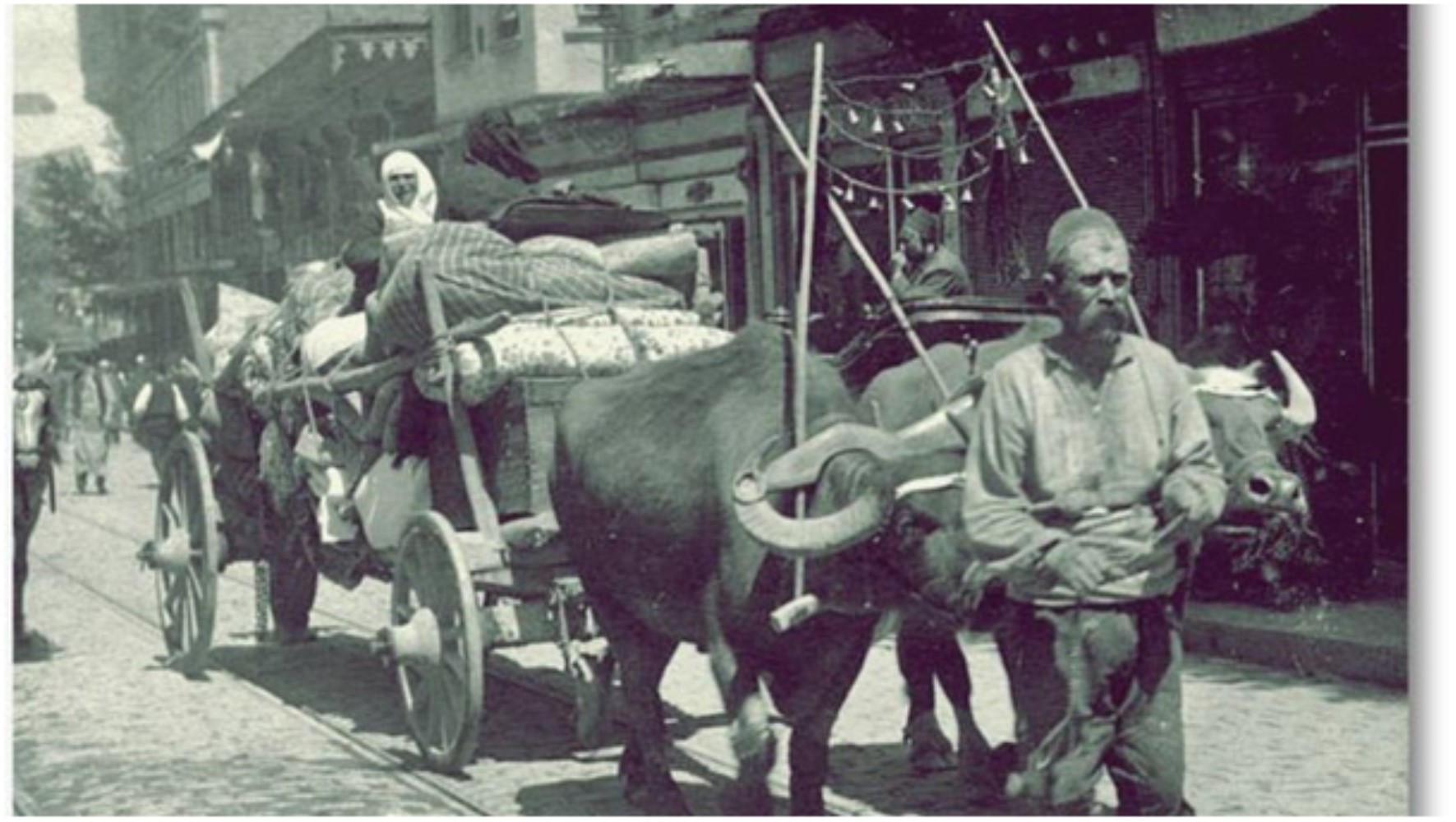
(Balkan refugees)
Language was not asked, habits were not asked, memories were not asked.
Only religion was asked. That is how people were separated; after being reduced to their faith, they were sent on their way.
Some left home leaving their food under the griddle.
Some could never return to the cradle.
Some left behind their bridal dowry, a pot of pink geraniums.
Some left their beloved.
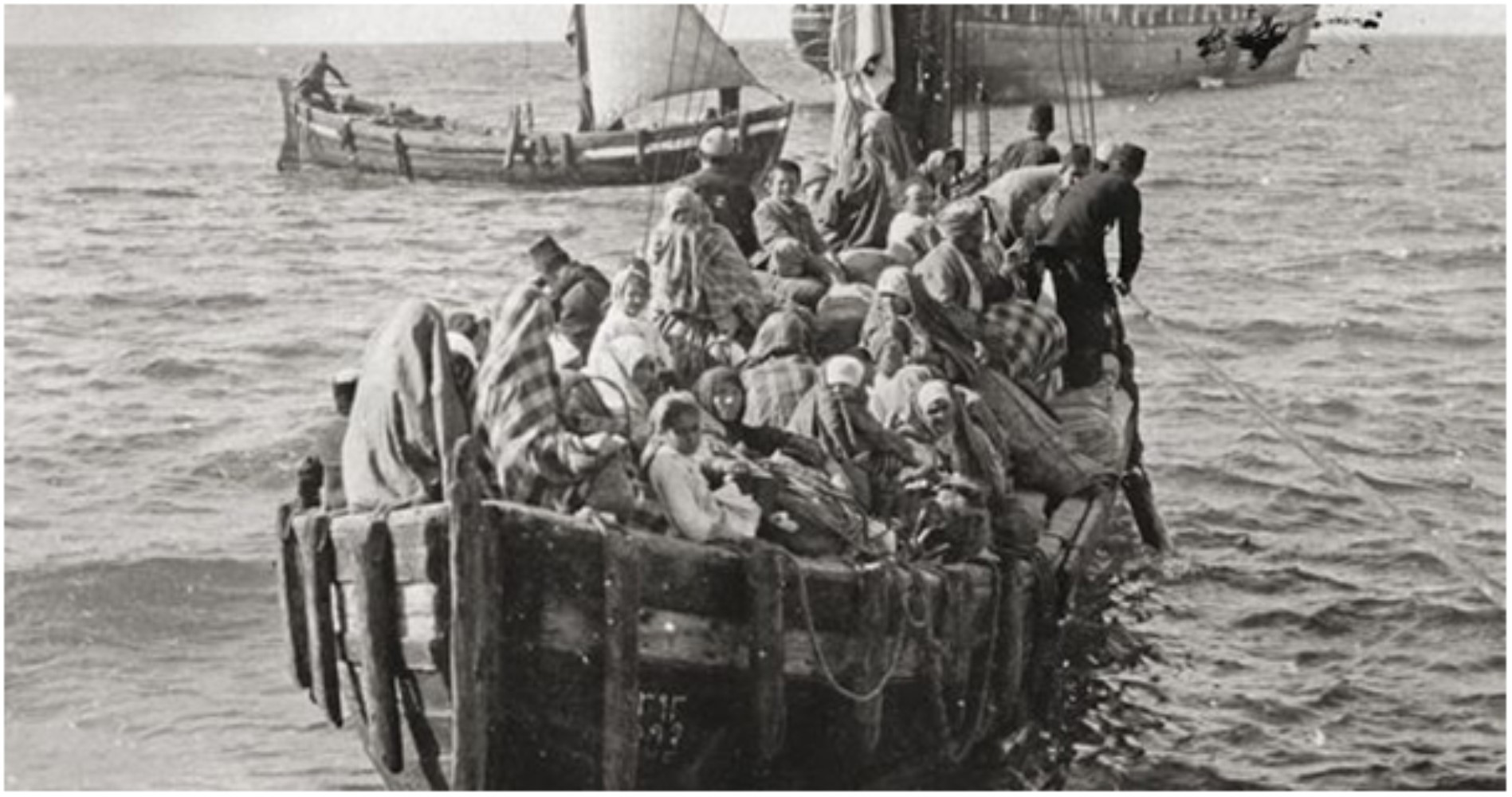
(Greek refugees)
Some looked at their doorstep for the last time.
If they could take anything, they took a few belongings, a faded photograph.
Feet were bare, bundles were light; the burden was in the heart.
Those who left became strangers. And so did those who arrived.
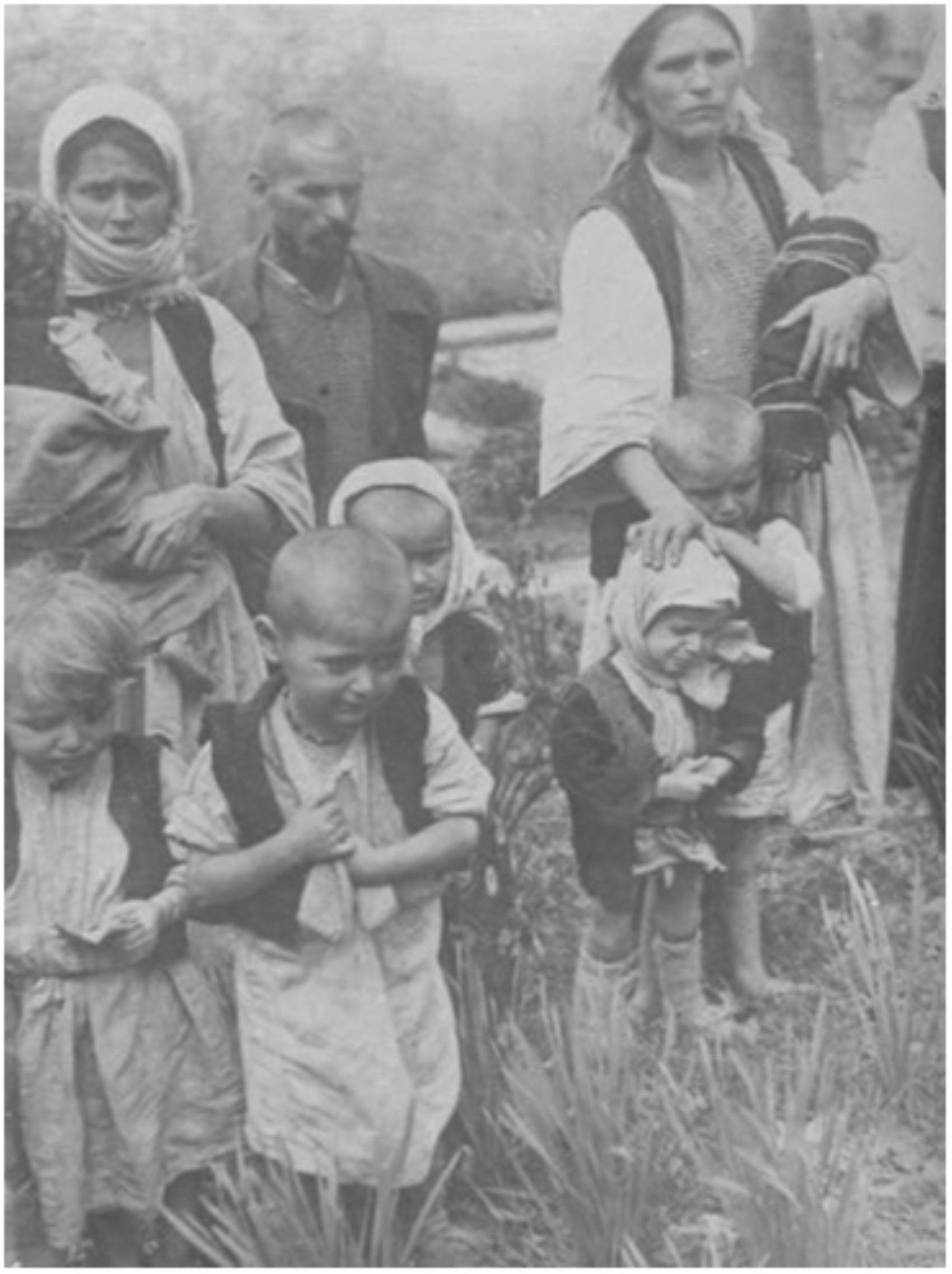
(A Balkan refugee family. They are sad and barefoot.)
The Greek who went from Anatolia to Greece was found to be too Anatolian.
The Muslim who came from the Balkans to Anatolia was considered too Balkan.
On both sides, the same sentence circulated in the streets: "These are not one of us."
The same pain was expressed in different languages.
The Republic was newly born; it was poor, but it did not close its doors to the refugees.
It provided a roof, a field, a job.
They migrated to new places, over the top of old lives.
But a person's true home is not just the soil.
Home is memory.
And memory ached for a long time.
Years passed.
The exchangees worked, produced, and took root.
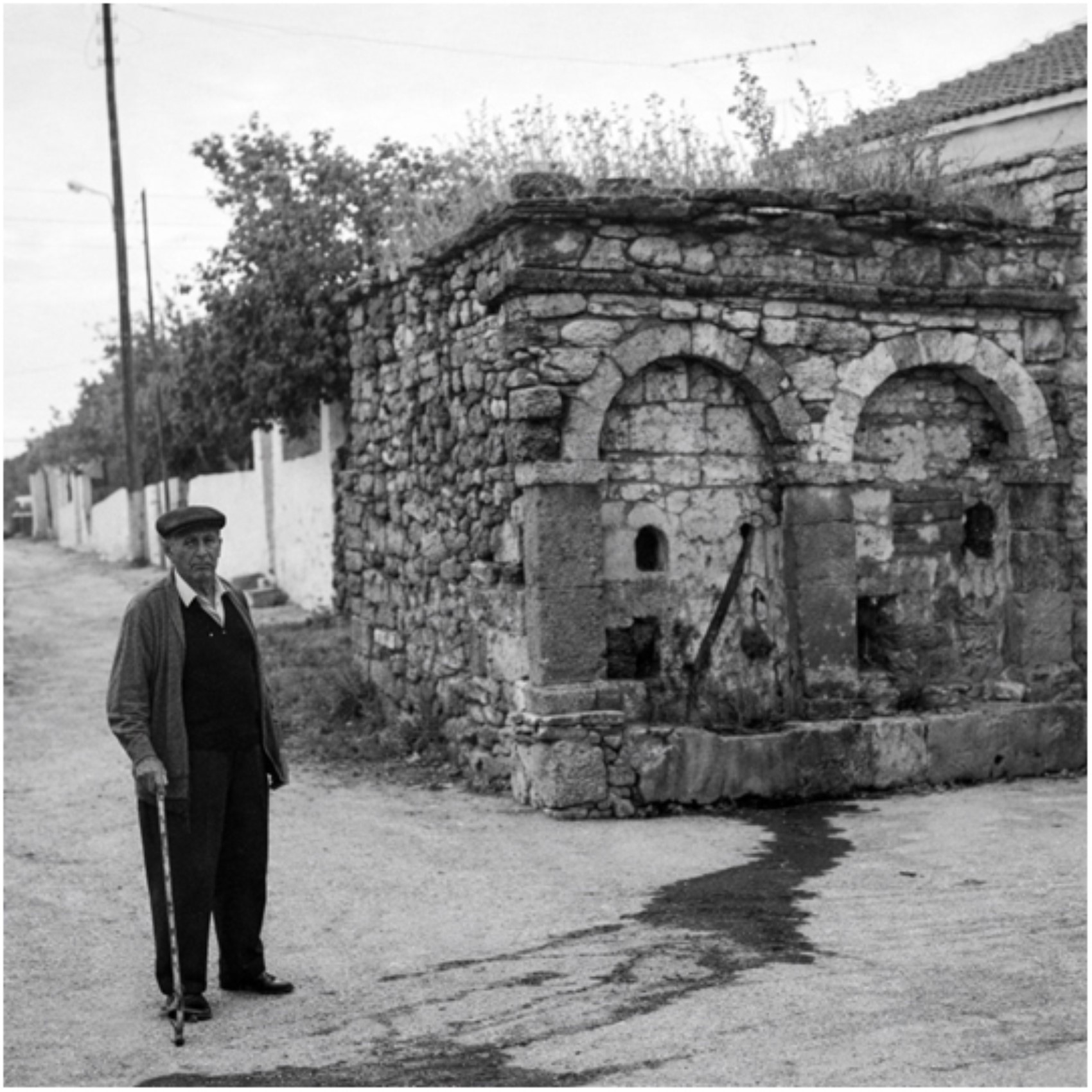
(A Turkish fountain in the village of Balçık/NeesKidones in Lesbos)
Today, their sweat is in the bread of this land, their labor is in its stones, and their traces are in its culture.
But when evening falls, a folk song settles on the dinner table.
Voices lower, words diminish, eyes drift into the distance.
Grandchildren ask: "Where are we from?"
The answer is not a single word.
It is a return visit, reaching old fountains, old stone paths.
Associations are formed, roads are crossed.
Worn doorsteps of dilapidated houses are found, walls with peeling whitewash are touched.
What stories those iron-knocker doors could tell.
On the opposite shore, there are embraces with tearful eyes.
Perhaps peace begins right here: by remembering, by confronting.
January 30, 1923, was neither entirely right nor entirely wrong.
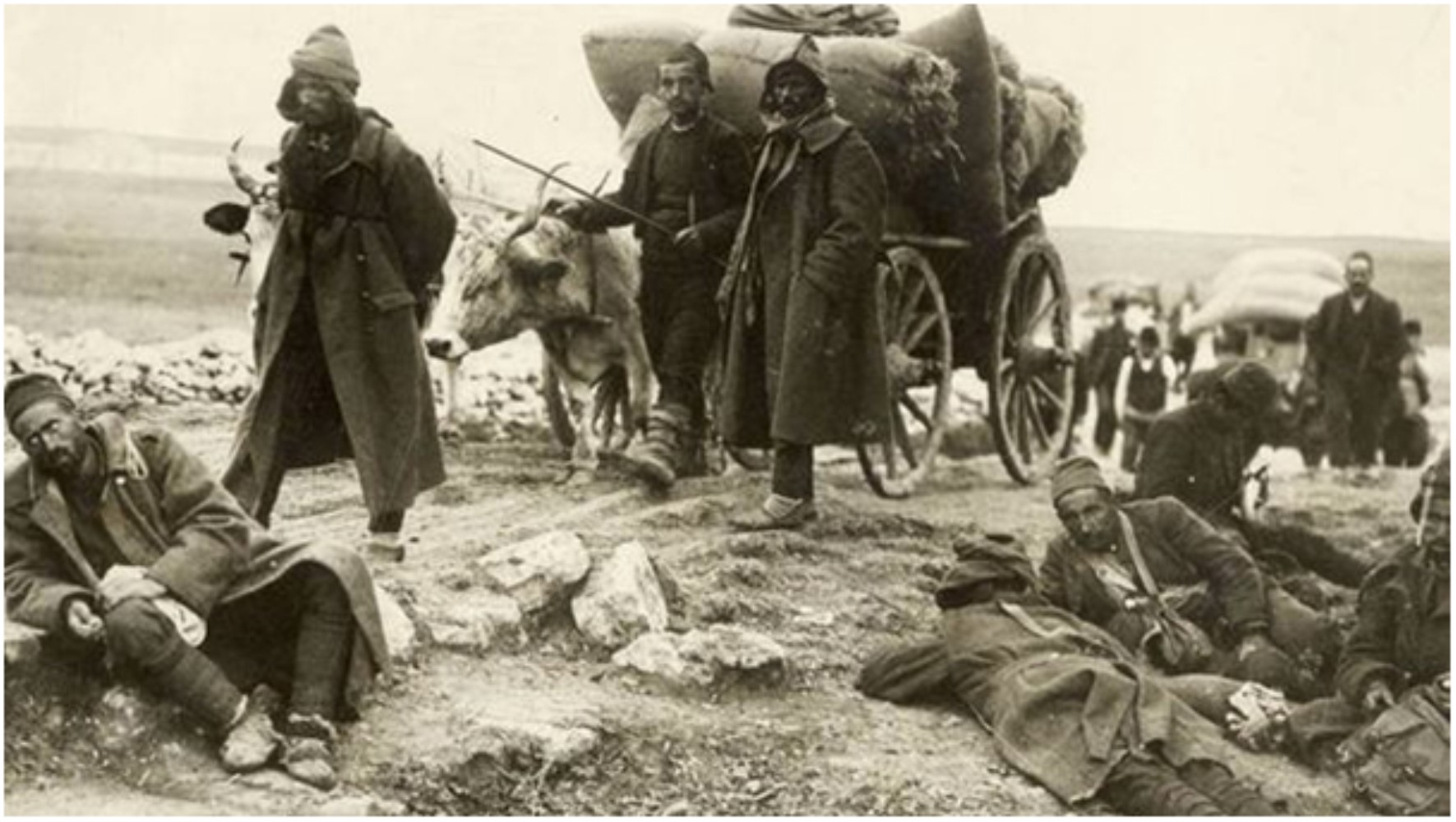
(Leaving their home and hearth behind, migrating)
It was perhaps a necessity, but it left behind a heavy debt to humanity.
That is why that day is not just a date, but the conscience of history.
And still, along with the wind, these sounds come:
Words become fire and burn hearts
When evening falls, a folk song begins
Time is divided between two hearts
The name of the one who leaves remains in the wind
“Févgume, alla i mními den févgi
We leave, but memory does not.”
Today, one-third of the population of Greece consists of exchangees.
In Turkey, there are 10-15 million descendants of exchangees.
May such storms never happen again.
Sefa Taşkın
(Second-generation Lesbos and Yenice/Thessaloniki exchangee).
01.02.2026
Karşıyaka/İzmir
Most Read

Striking picture for Özgür Özel's 'New Party'

The PKK opening and Özgür Özel’s path!..

How did the newspapers view Özgür Özel's farewell to the CHP?

He killed his wife by slitting her throat: Their children witnessed the moments

What did the CHP do?

Özel’s new party move in the world press

Fire at TUSAŞ engine factory in Eskişehir under control

The New CHP, against CEHAPE

From self-efficacy to despair

Kılıçdaroğlu's first message on Özgür Özel's new party announcement