



A STONE IS HEAVY IN ITS PLACE-149 LET US NOT FORGET, LET US NOT LET BE FORGOTTEN
THE ISHTAR GATE, THE GATE TO WHAT
In the lands of the Middle East where the "One Thousand and One Nights" tales were told, the "forty thieves" once roamed, and they still roam today!
Near Baghdad, in ancient Mesopotamia, between the Euphrates and Tigris rivers!
The Ottoman Empire, from which the Republic of Turkey inherited Anatolia, was still a vast country in the late 19th century, right up until the great defeat in World War I.
A vast area from the Middle East and the Caucasus to the Hejaz was the property and under the administration of the Ottoman State.
Ottoman laws were valid and enforced in these regions.
Including the lands of present-day Iraq, where the Ishtar Gate is also located!
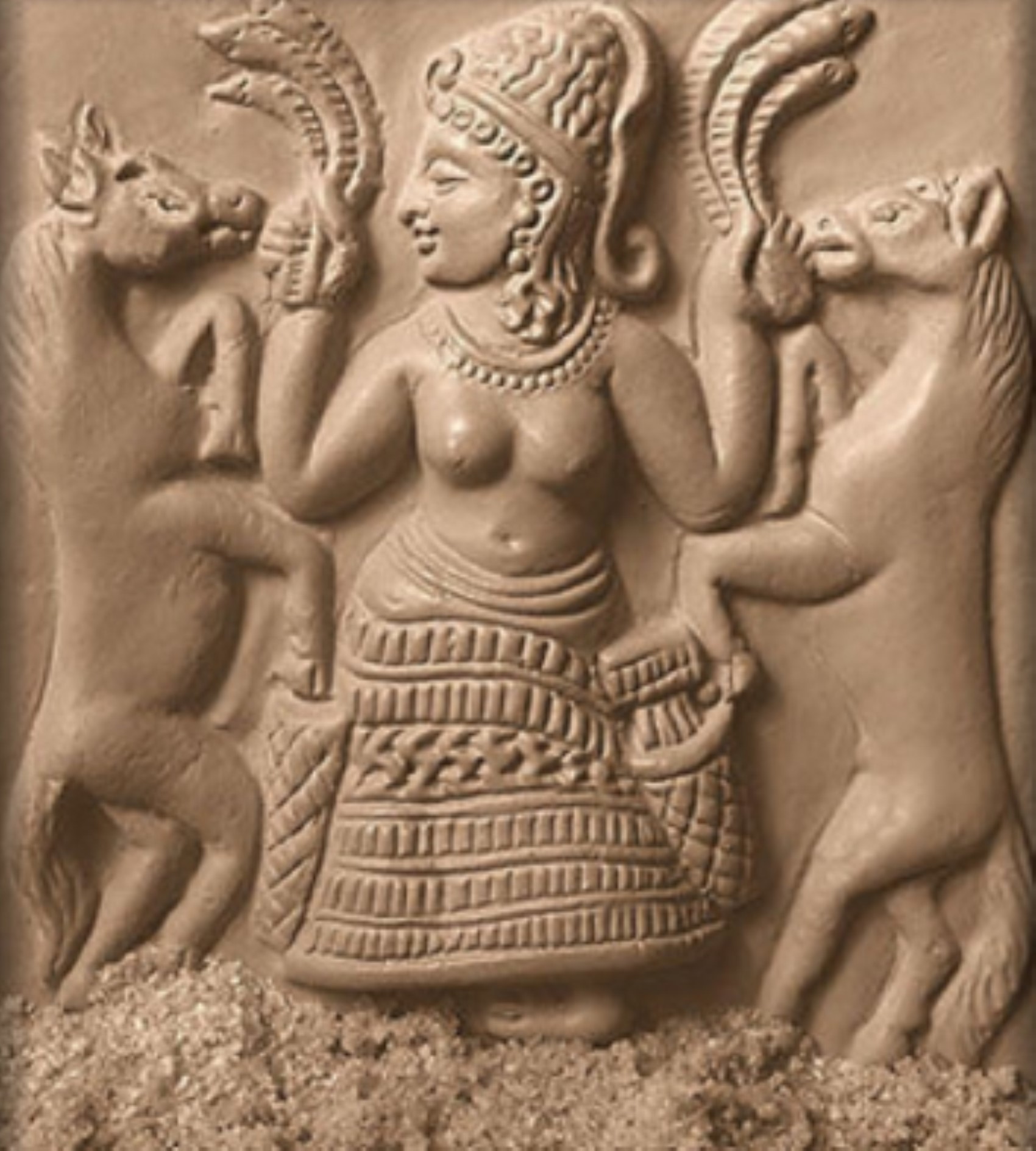
(Image of the Goddess Ishtar - https://www.tarihiolaylar.com/tarihi-olaylar/istar-324)
***
The late 19th century was a period in which capitalism and industrialization were rapidly developing in major European countries governed by colonial states, and capitalism was transforming into imperialism.
Colonialism and imperialism were attempting to seize the entire world, alongside the struggles for division among themselves.
In the East, the Ottoman Empire was a major obstacle to this expansion.
Russia from the north, Austria-Hungary from the west, and France and Britain from the south were squeezing the Ottoman Empire.
The Ottoman Empire, unable to keep pace with the social progress of the era, was slowly approaching the brink of collapse.
***
In this environment, rootless European Imperialism, which lacked any accumulation in its own cultural background, was attempting to claim the magnificent history of Anatolia, the Mediterranean basin, and the Middle East, and was striving to plunder their cultural assets.
As if by transporting those magnificent works to their own countries, they would somehow attain the grandeur of the unique ancient world culture.
The Prussian/German Empire, which had strong political relations with the Ottoman State and was a supposed ally, played a leading role in this plunder in Anatolia.
The robbery that German Imperialism began to carry out in Pergamon starting in 1874 was systematically spreading everywhere.
***
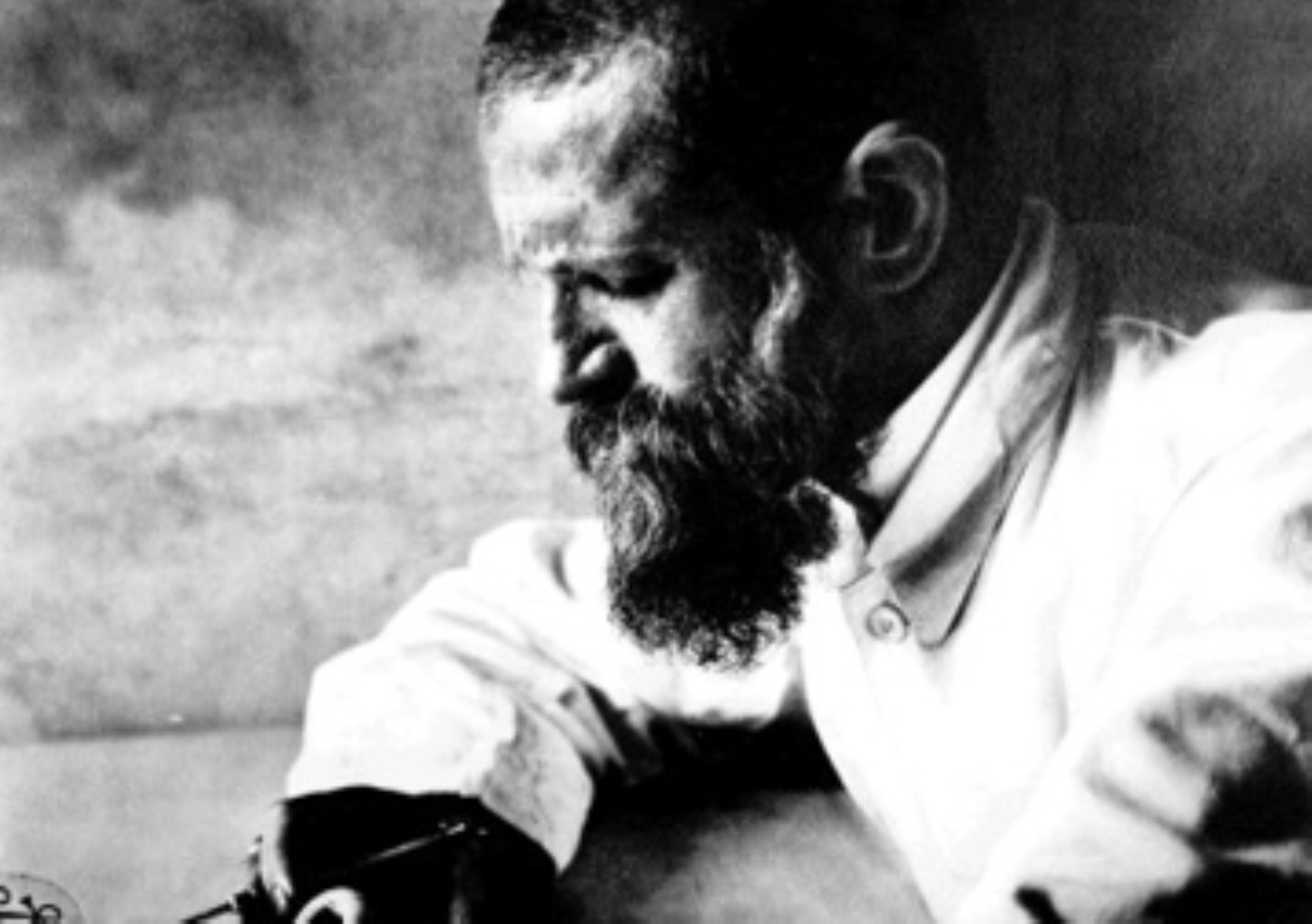
(Robert Koldewey)
Before the construction of the Baghdad Railway, which crossed Anatolia from end to end, began in 1903, a branch of German historical artifact robbers was already in Iraq.
Robert Koldewey, a German archaeologist and architect who was conducting research in the region between the Euphrates and Tigris rivers in present-day Iraq—which was within the borders of the Ottoman State at the time—discovered the ruins of the city of Babylon, famous for its hanging gardens in antiquity, during excavations he conducted on behalf of the "Deutsche Orient Gesellschaft" (German Oriental Society) in 1899 and began excavations.
Koldewey had conducted historical excavations in Çanakkale-Assos in 1882-1883 and on the island of Lesbos in 1885-1886 on behalf of the German Archaeological Institute.
This diligent (!) official, likely working on behalf of the German state at the time, was constantly moving about the Ottoman Empire.
He was searching for historical artifacts to smuggle, in the name of science.
The German Archaeological Institute (DAI), which opened its Istanbul branch in 1929 in honor of its centenary, was involved in everything during both the Ottoman and Republican eras. And it still is!
In 1902, during excavations in Mesopotamia/Iraq, Koldewey discovered the palace of the famous Babylonian King Nebuchadnezzar II and the Ishtar Gate.
***
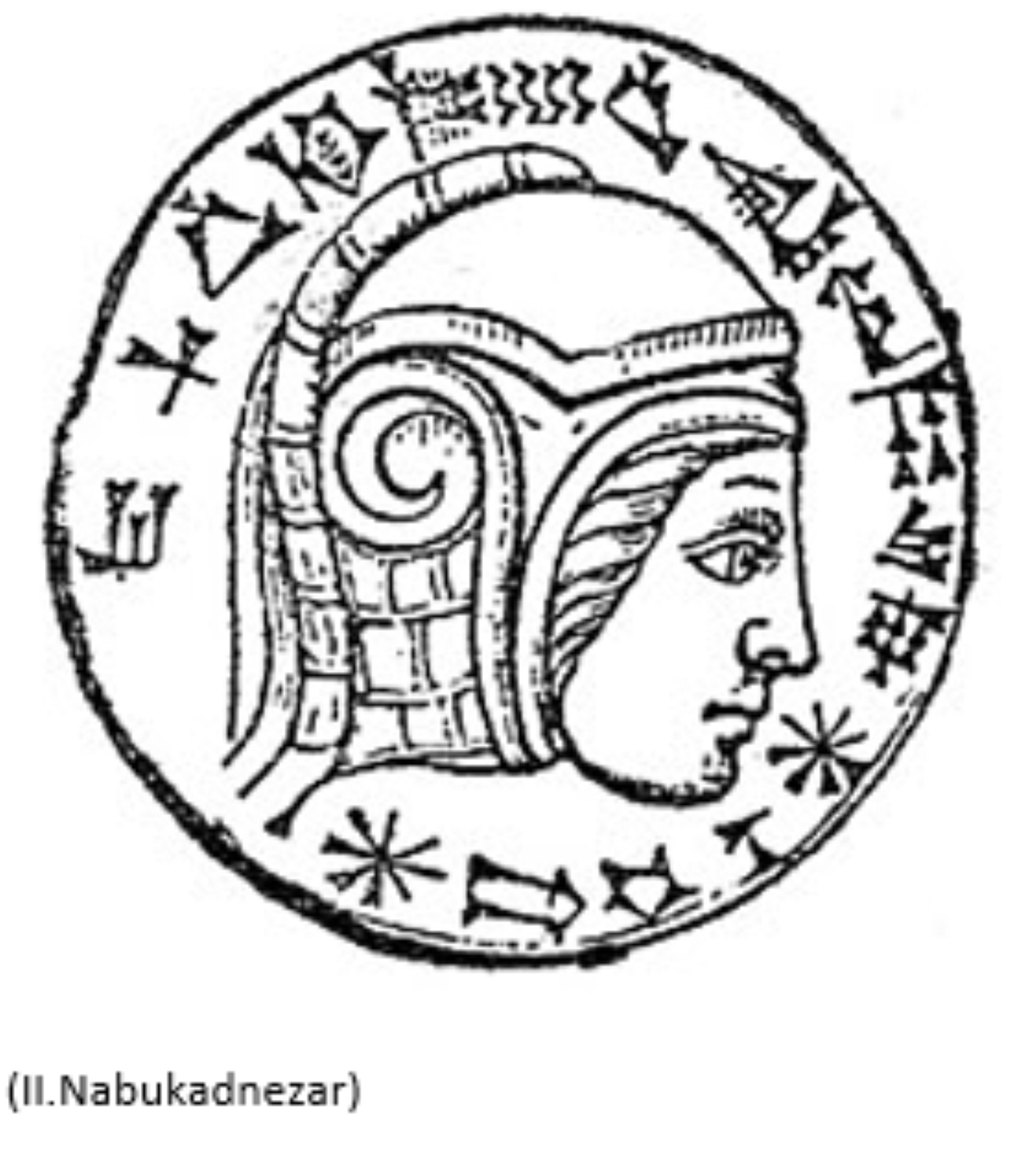 Nebuchadnezzar II was the King of Babylon, who ruled over the Middle East between 604 and 562 BC.
His name appears in the Torah as the king who conquered Israel and exiled the Jews to Babylon (in present-day Iraq).
The great Italian composer Giuseppe Verdi wrote the famous opera "Nabucco" in his name. The "Chorus of the Hebrew Slaves" in this work is considered one of the most unique songs in music history.
In 575 BC, Nebuchadnezzar had a magnificent entrance gate built in the capital, Babylon, to make a name for himself.
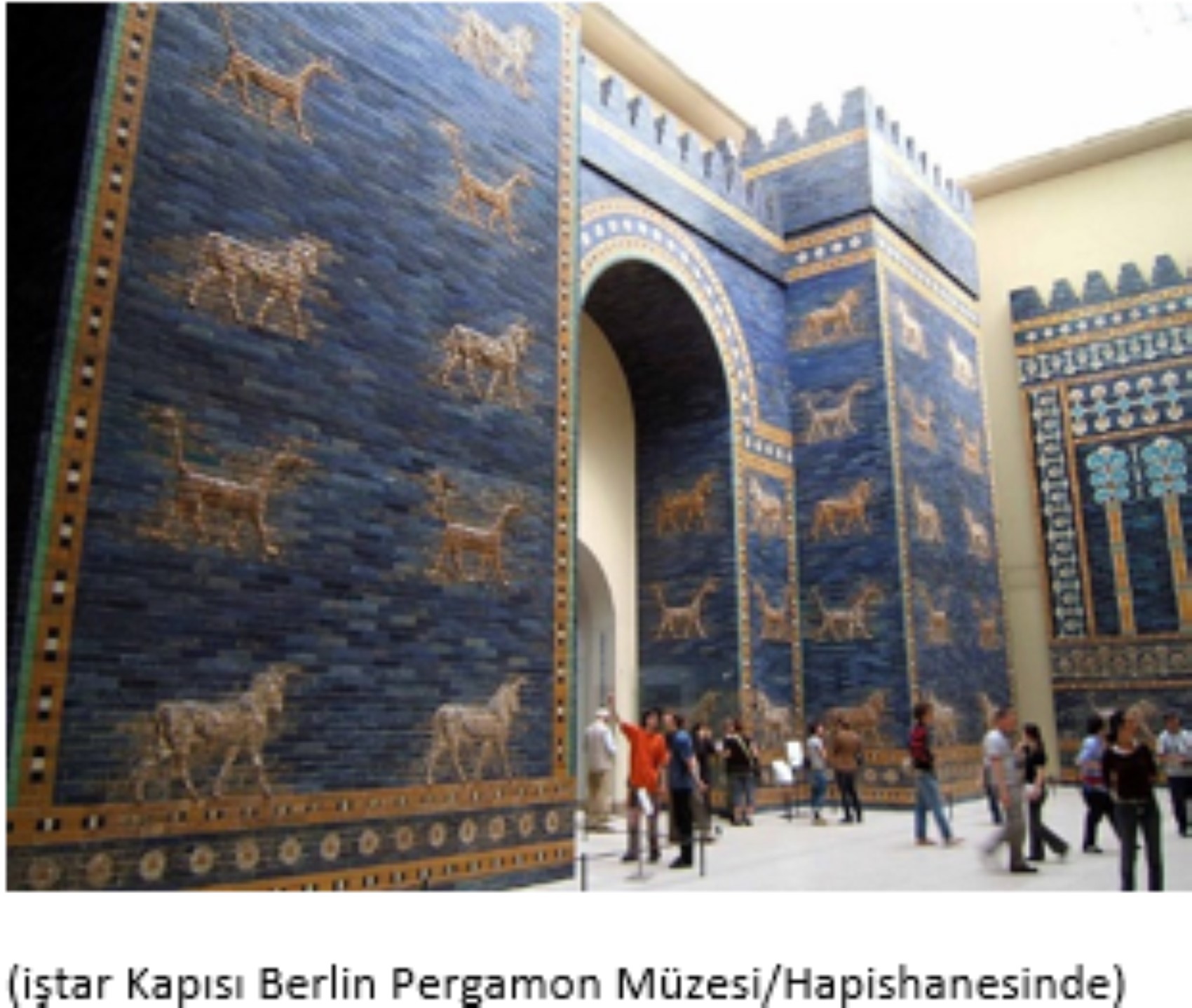
The 15-meter-high gate and its 45-meter-long side walls were constructed from glazed, blue-colored, glitter-adorned bricks to prevent erosion.
Lion figures made of yellow-toned glazed bricks were also placed on the walls.
Nebuchadnezzar named the magnificent gate the "Ishtar Gate."
In the belief system of the Babylonians, a Semitic people (ancestors of the Arabs), Ishtar was the goddess of love and fertility.
The Babylonians had transformed Inanna, the goddess of the non-Arab Sumerians who lived in the region before them, into Ishtar.
At the same time, Ishtar represented divine justice and political power.
This magnificent structure, one of the most important symbols of the Babylonian Kingdom, symbolized the sovereignty of Nebuchadnezzar. And his wealth, too.
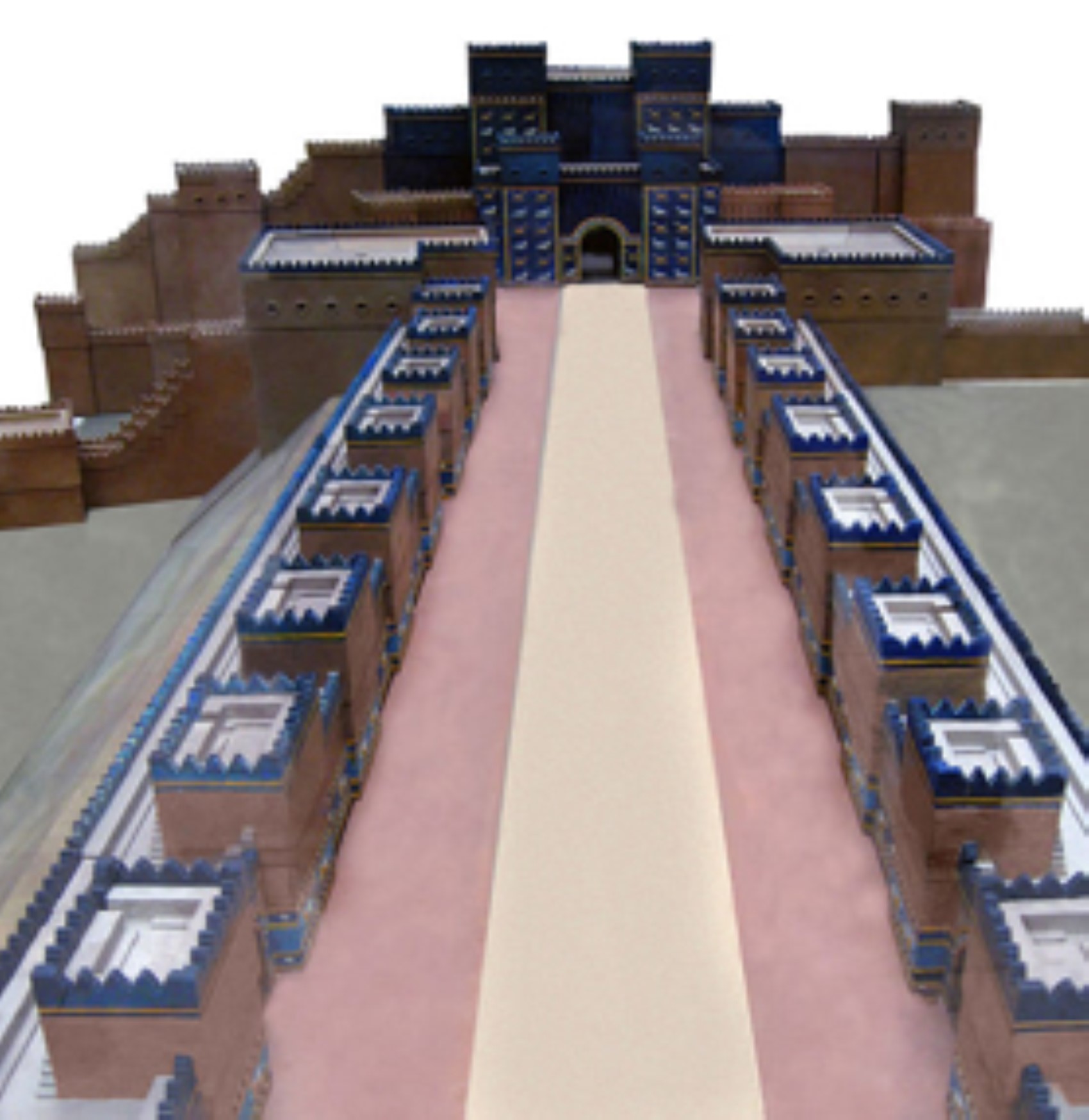
(The Ishtar Gate of Babylon)
Upon seeing this ruined yet still dazzling structure in 1899, Robert Koldewey must have been as delighted as if he had found a treasure!
Could such a glorious work ever be left to the Ottomans?
Prussian/German Imperialism was determined to plunder the Ottoman lands through its intermediary organizations and its stooges disguised as archaeologists.
What was this greed!
They could not escape their own barbaric past in the forests and swamps of Central Europe by stealing and smuggling away the unique historical heritage that created civilization in Anatolia and the Middle East!
Newfound wealth would inevitably want to hide the past it wished to forget with shiny coverings!
However, how was the "Ishtar Gate," which consisted of small fragments, to be taken to Germany?
***
The years when Robert Koldewey, working on behalf of the German state, was conducting explorations around Babylon were the same years that another German plunderer, Carl Humann, and his gang were looting Pergamon and taking the pieces of the Pergamon Altar to Berlin.
Between 1864 and 1878 through open smuggling, and after 1878 through dubious permits.
With the 1884 (Third) Antiquities Regulation, enacted by Osman Hamdi Bey—who succeeded the German Philipp Anton Dethier (1872-1881) as Director of the Ottoman Museums—and a committee, the removal of historical artifacts from Ottoman lands by foreigners was strictly prohibited.
However, under the pretext that they were "part of what had already been taken" and with the consolation that "we have the counterpart here," the relevant authorities somehow turned a blind eye to the removal of Pergamon artifacts to Germany until 1886.
It was during this period that the German official R. Koldewey, with an excavation permit obtained from Istanbul, set out to uncover the structure that was understood to be the "Ishtar Gate."
Iraq/Mesopotamia was an Ottoman territory, and Ottoman laws were in effect there.
However, the ancient site, the gate, and the walls were in ruins. Along with the yellow and blue bricks, most of the glazes and enamels on them had fallen to the ground.
No matter what!
Despite it being forbidden, the intention was clear!
These colorful works were not suited for the impoverished Middle East, but for a prospering Berlin!
What would the Ottomans understand of such things!
But how would the smuggler Koldewey take these unique works he had found abroad?
The Babylon excavations continued until 1914.
During this process, Robert Koldewey found a way to take the 'Ishtar Gate' and its pieces out of Ottoman territory and bring them into Germany.
The great robber Carl Humann and his gang of thieves were surely inspired by the Pergamon robbery!
As our ancestors said: He who steals the minaret prepares the case for it!
The German archaeologist (!) was going to prepare the case.
And with the help of Turkish collaborators, at that.
***
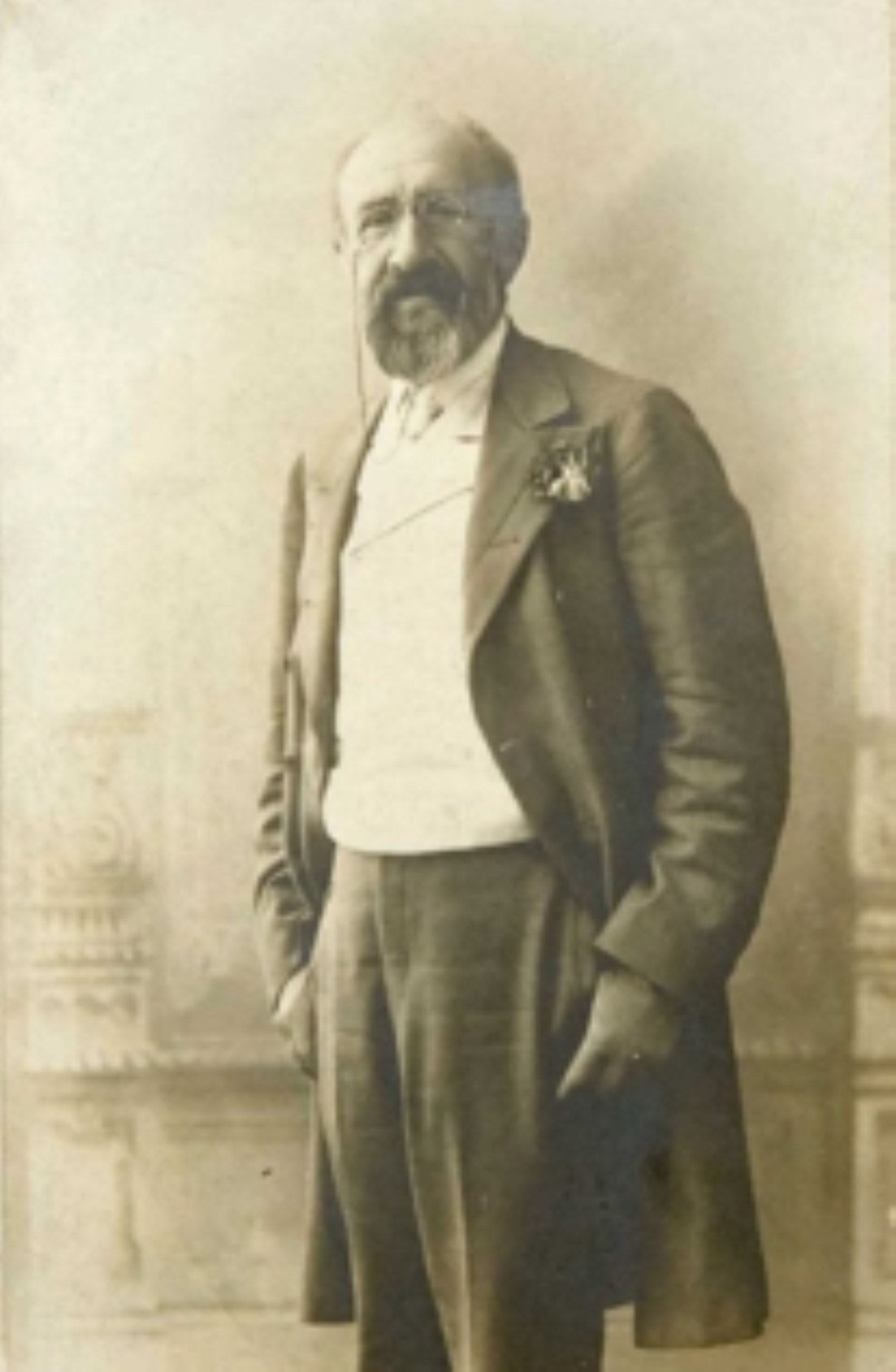
(Osman Hamdi Bey)
With an application he made in February 1902, he managed to obtain permission from the Ottoman bureaucracy to take the pieces of the "Ishtar Gate" to Germany as a "loan," on the condition that they would be "brought back."
Osman Hamdi Bey, the son of Minister of War İbrahim Ethem Pasha and one of the advisors to Sultan Abdulhamid II, was the Director of the "Müze-i Hümayun" (Imperial Museum). He was responsible for all historical artifacts within the Ottoman lands.
Under an agreement made under the auspices of R. Koldewey and German state officials, the pieces were to be taken to Germany, assembled there, restored, and returned to the Ottoman Empire.
According to researcher and author Yaşar Yılmaz, who has conducted extensive work on this subject, this was the nature of the agreement made with the Ottoman state officials, led by Osman Hamdi Bey, as documented in the contract currently held in the archives of the Republic of Turkey.
This was likely a permit granted in good faith!
However, this magnificent work never returned.
The Germans did not keep their word and failed to comply with the agreement.
For some reason, the Ottoman officials who made the agreement did not demand that the Germans return the 'Ishtar Gate' to the country or fulfill the requirements of the contract.
Osman Hamdi Bey, the highest-ranking Ottoman official on this matter, passed away in 1910.
Why the matter was not pursued after his death remains a mystery!
Then came World War I and the War of Independence.
In that chaotic environment, the Germans laid claim to the 'Ishtar Gate'.
The artifact was restored in Berlin, where it had been smuggled.
Today, it is displayed in the Berlin Museum/Prison without any shame as 'Prussian (the former name of Germany) Cultural Heritage'.
Look at that, one can even boast about smuggling!
***
According to this information, which is reported to be found in the Ottoman archives, it is clearly evident that the presence of Babylon's 'Ishtar Gate' in Germany is illegal.
Therefore, just like the Pergamon Altar and its sculptures, its detention in the Berlin Museum/Prison is illegitimate.
According to Yaşar Yılmaz, there is no obstacle or excuse for the return of this work to the Republic of Turkey, which today holds the Ottoman legacy.
Attempting to claim ownership by arguing that the pieces were assembled and restored in Germany has no meaning or validity.
There is no justification for such an injustice!
The fact that the place where this smuggled—and now officially stolen—work was unearthed is currently within Iraqi territory is a matter between the Republic of Turkey and Iraq. It does not concern the Germans!
The modern German state must put an end to this smuggling incident, which has turned into theft, by returning this work.
The world's enlightened public opinion must voice this fact!
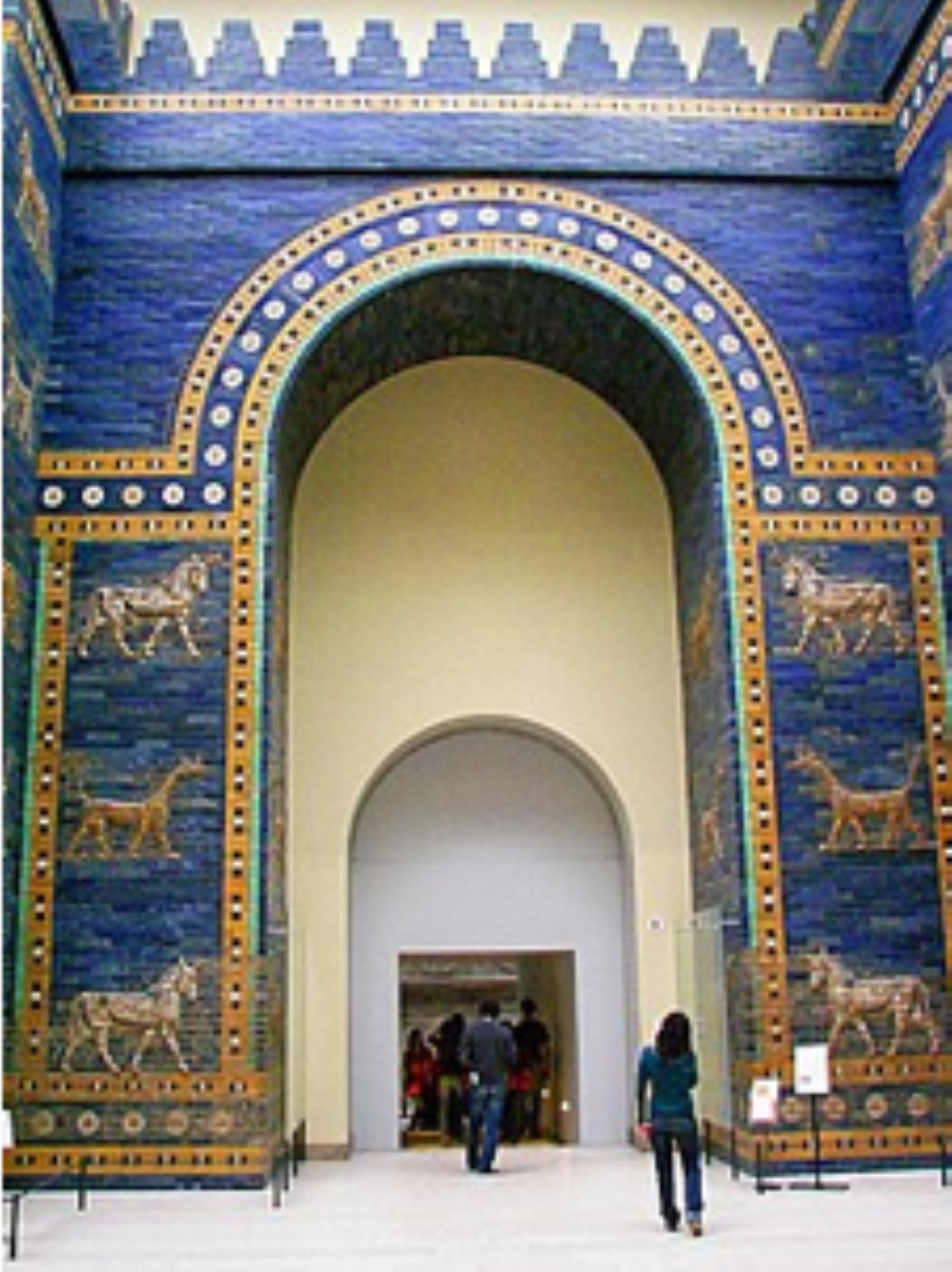
(Ishtar Gate. Berlin Pergamon Museum/Prison)
How can this smuggling be displayed so shamelessly in Berlin, right before the eyes of the world's people?
Along with historical artifacts torn from the lands where they were produced, such as the Pergamon Altar.
And in Berlin, in a museum/prison buried in a swamp in the middle of a river.
Astonishing!
THE HISTORICAL ARTIFACTS OF TURKEY, GREECE, AND THE MIDDLE EAST DO NOT BELONG IN COLD AND FOGGY BERLIN, LONDON, OR PARIS, BUT TO THE COUNTRIES WHERE THEY WERE PRODUCED. THEY MUST BE RETURNED; THEY MUST GO BACK TO THEIR HOMES!
(Source: Brittany Garcia (2013): "Ishtar Gate". World History Encyclopedia. https://www.worldhistory.org/Ishtar_Gate///
Yaşar Yılmaz (2015): Tears of Anatolia/// Yaşar Yılmaz (2023): The Other Side of Osman Hamdi Bey)/// Nurten Bulduk (2013). "An Examination of the Restitution of Cultural Property in the Context of the Declaration on the Importance and Value of Universal Museums")
Sefa Taşkın
20.10.2024
Bergama/Izmir
Most Read

Striking picture for Özgür Özel's 'New Party'

The PKK opening and Özgür Özel’s path!..

How did the newspapers view Özgür Özel's farewell to the CHP?

He killed his wife by slitting her throat: Their children witnessed the moments

What did the CHP do?

Özel’s new party move in the world press

Fire at TUSAŞ engine factory in Eskişehir under control

The New CHP, against CEHAPE

From self-efficacy to despair

Kılıçdaroğlu's first message on Özgür Özel's new party announcement