



CYANIDE DIARIES FROM BERGAMA-18
“Alchemy is a term dating back to the Middle Ages.
It refers to the transformation of metals, particularly lead, into gold.
Furthermore, it concerns the discovery of legendary substances such as the “elixir of immortality” and the “philosopher's stone,” which were believed to be capable of turning any substance into gold and granting immortality.
Alchemists were considered both scientists and mystics possessing esoteric knowledge. They worked in fields intertwined with mathematics, astronomy, philosophy, and theology.
Is it easy to transform a substance into gold?
İbn Sina (Avicenna), who debated the boundaries of alchemy, and the Renaissance thinker Paracelsus, who combined medicine with alchemy, are both considered alchemists.
***
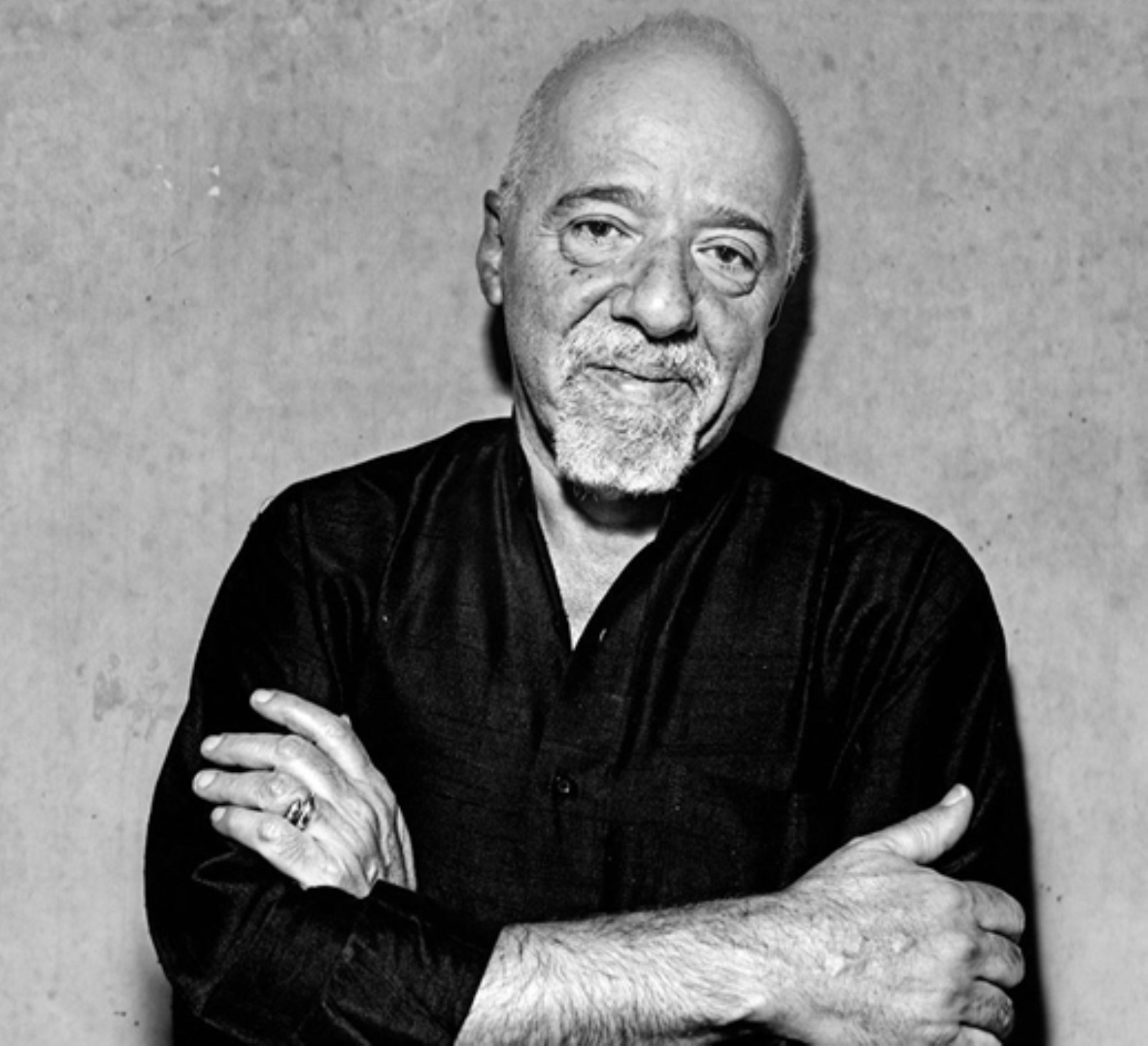
(Paulo Coelho)
Brazilian author Paulo Coelho is one of the most widely read writers in the world. His works have been translated into more than 80 languages, and millions of his books have been sold.
His most famous book is the novel "The Alchemist."
With this book, Coelho tells us that the purpose of human life is not just wealth, but also spiritual purification and reaching universal wisdom.
The protagonist of the novel, Santiago, is a young shepherd living in Andalusia, Spain, in a pre-modern, dreamlike time.
His greatest dream is to one day find a treasure he believes is hidden in the Egyptian pyramids. He sees this treasure in his dreams repeatedly.
Thinking these dreams are a sign, Santiago leaves his shepherding behind, sells his belongings, and sets out on a long journey toward Egypt to find the treasure.
Along the way, he meets the old wise man Melchizedek, a crystal merchant, an English alchemy student, and the wise Alchemist who lives in the desert.
Each encounter teaches him the philosophy he calls his "Personal Legend," the idea of finding one's own path in life and pursuing one's dreams.
As Santiago crosses the deserts, he faces both hardships and discovers love.
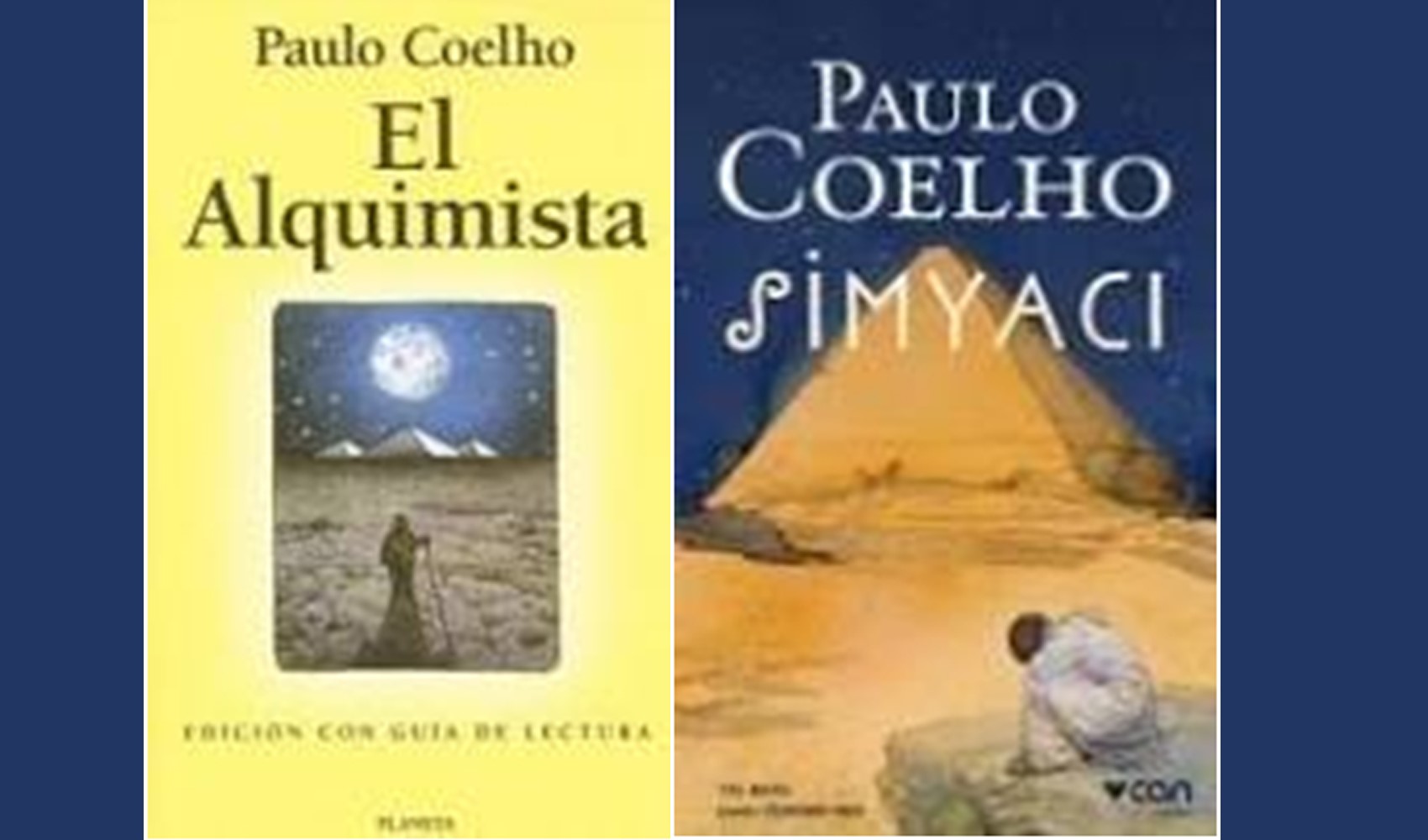
(The Alchemist - Paulo Coelho)
He falls in love with a desert girl named Fatima. However, this love does not prevent him from following his own adventure or continuing on his journey.
Fatima supports him with her understanding. Her words are profound:
"To follow your path means to wait for your love. I am a woman of the desert. Our men leave the desert, and then they return."
His companion, the Alchemist, also encourages him on his journey:
He says, "The true treasure lies within a person's heart and in their own journey."
When Santiago reaches Egypt and the pyramids, he learns that the treasure he traveled so far to find is not there.
He realizes that the experiences he gained and the things he learned during the journey are the true treasure.
The treasure he sought is buried where he began his journey—in the ruins of the old church in Spain.
But this treasure is not gold; it is the journey he experienced and his inner transformation.
Santiago's "alchemy" is the "wisdom" he attained as he transformed from an ordinary person.
Throughout the book, author Paulo Coelho offers the reader consciousness-expanding expressions:
"When you really want something, the whole universe conspires to help you achieve it."
"The place where your treasure is, is the place where your heart is happy."
“The moment you show the courage to be yourself, miracles begin.”
“Fear is worse than pain.”
“The journey is more valuable than the destination.”
***
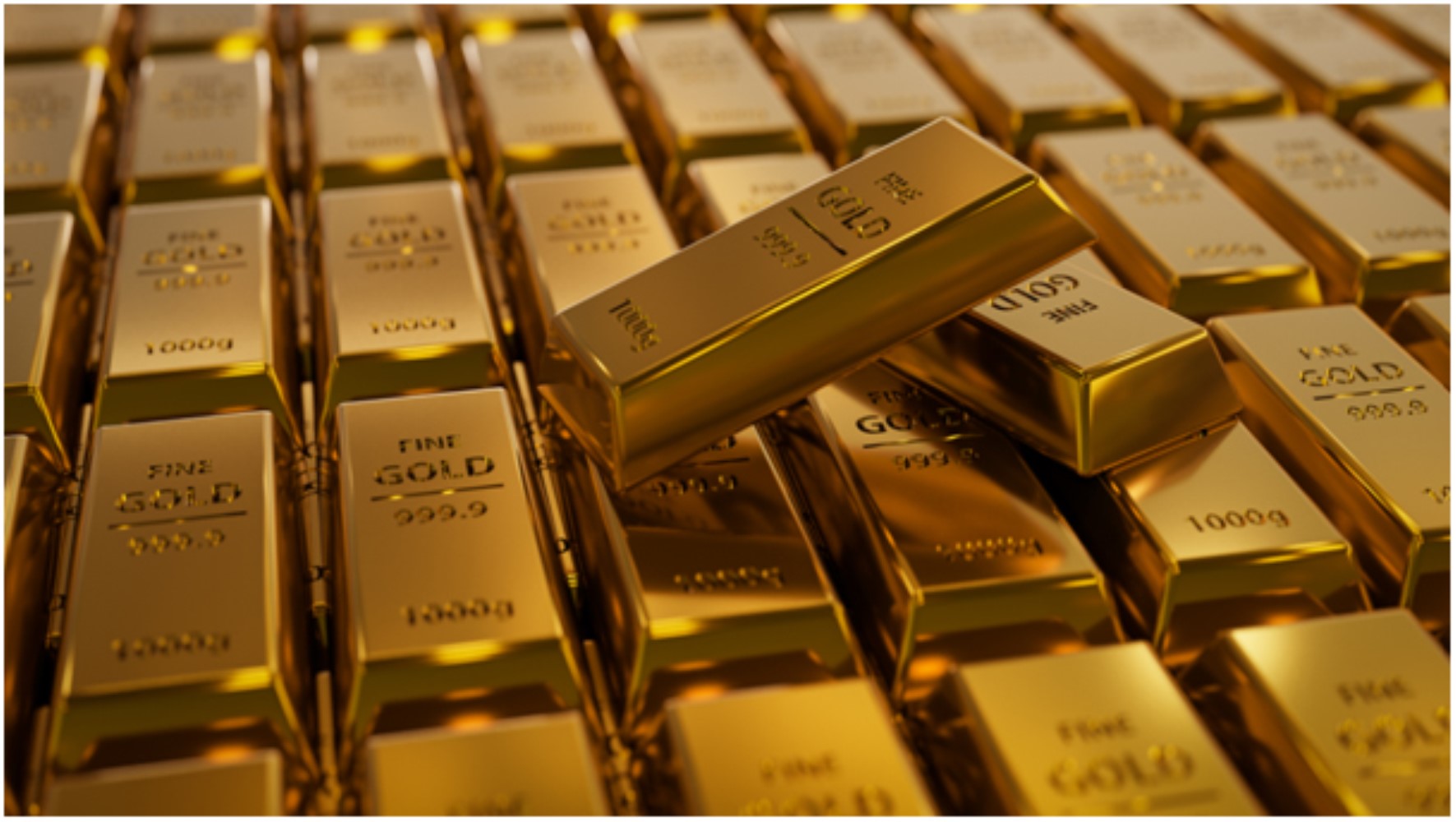
Gold is a rare, bright yellow metal found in nature that is easy to work with and chemically extremely stable.
These properties have made it valuable for thousands of years—both as an ornament and as an economic symbol.
It is rare in nature. It exists in very low concentrations in the Earth's crust.
The total amount of gold mined worldwide to date is approximately 200,000 tons. This amount is so small that it would only fill a single Olympic-sized swimming pool.
It is chemically stable. It does not oxidize, rust, or dissolve easily.
Gold only dissolves in a very powerful acid mixture called 'aqua regia' (royal water). This mixture is obtained by combining three parts hydrochloric acid (HCl) with one part nitric acid (HNO³). In aqua regia, gold dissociates into its ions and becomes soluble.
This is why even gold buried in the ground throughout history has been found intact.
It is very soft and easy to work with. A single gram of gold can be hammered and thinned until it becomes a sheet one square meter in size.
It is extremely suitable for use in jewelry and art.
In this context, it has been associated with wealth, power, divinity, and eternity since ancient times.
In Ancient Egypt, it was believed that the skin of the gods was made of gold; in Ancient Rome, gold was considered a symbol of sovereignty.
It has been used as money, jewelry, and a medium of exchange in almost all civilizations.
In the modern economy, it is also an element of trust. It is a "safe haven" that carries value through its own existence. It is independent of inflation. Central banks hold gold as a reserve.
In summary: "Gold is very valuable because it is rare, does not decay, and appears to be eternal."
***
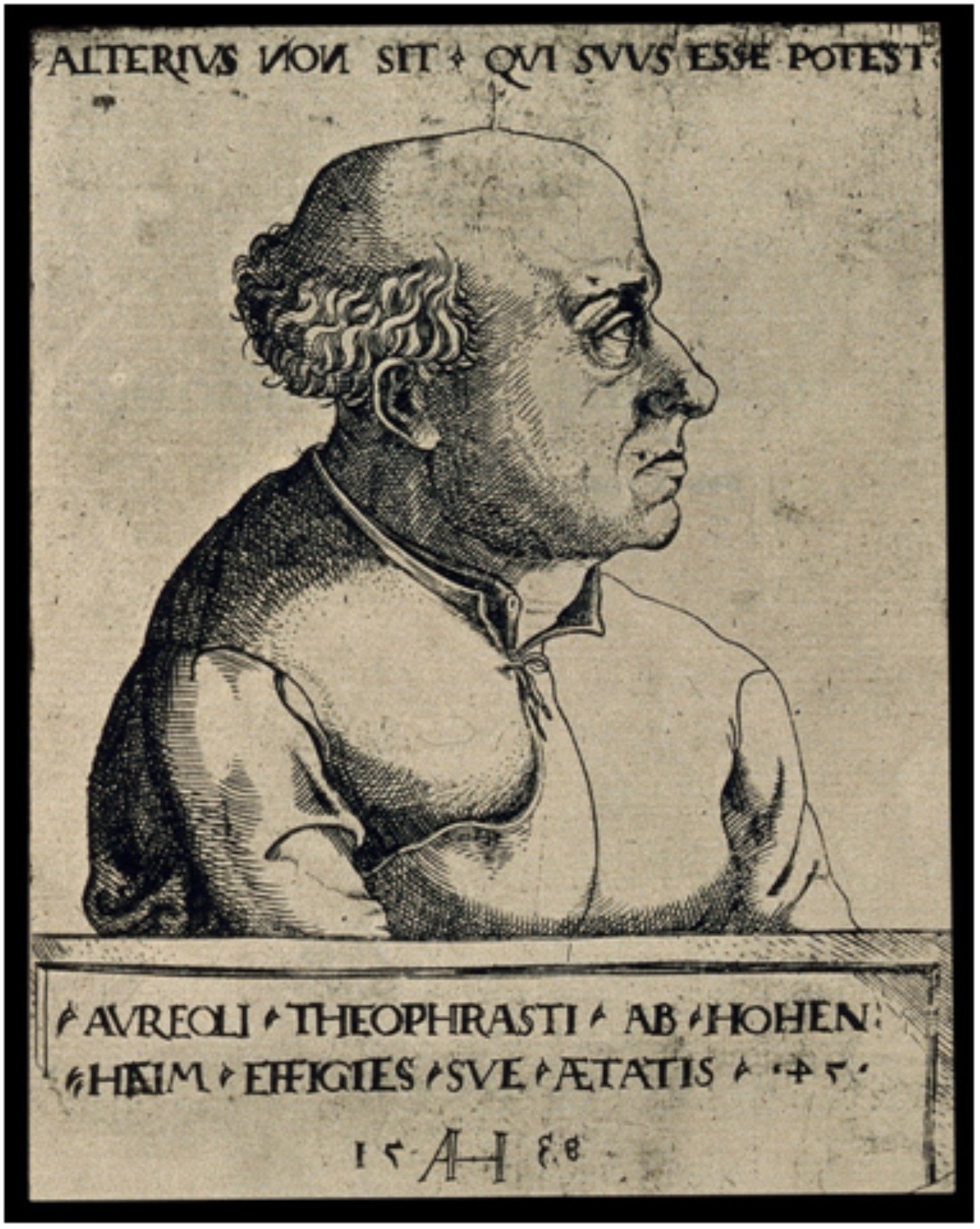
(From the early alchemists-Paracelsus: 1493-1541)
Throughout history, gold—found in streams among pebbles, in gold veins formed within rocks, and in bullion mixed with other metals—has always been a substance that people have chased because it provides easy wealth.
However, over time, naturally occurring gold has been depleted.
Especially in the Middle Ages, efforts to transform metals into gold through mysterious methods were accepted as "alchemy."
Many scholars spent their lives searching for and trying to discover such a transformative substance.
However, such a magical substance was never found.
Wise individuals have characterized the experience gained in this desperate search as humanity's effort to reach maturity.
The "alchemist" was seen as someone seeking both material and spiritual power.
Then, one of the most dangerous poisons in the universe, known as "cyanide" (CN), appeared on the scene; it began to be used to extract gold found in very small quantities in rock and soil.
This turned into a chemical process; toxic substances known as "heavy metals," such as arsenic, cadmium, lead, and copper, which are found in the soil alongside gold and silver, were recklessly left behind in nature as waste after the gold was extracted.
This process led to the death of nature and posed a major threat to living organisms.
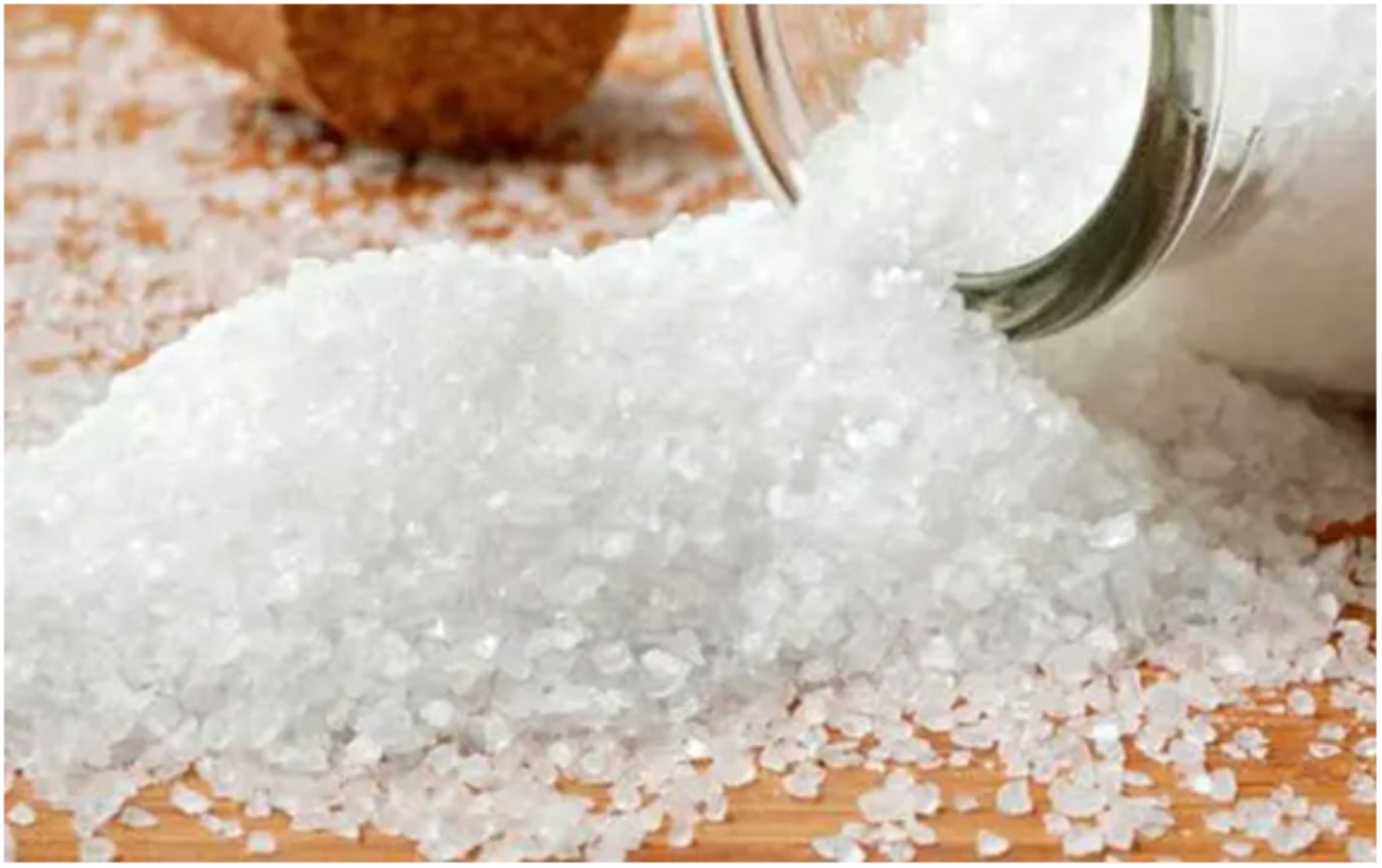
(Cyanide salt)
In ores where gold is found alongside sulfur (S), a secondary toxic process has been introduced.
To remove sulfur from the soil, 'sulfuric acid' (oil of vitriol) has been used; during this process, sulfur dioxide, a toxic gas, is released into the environment.
Subsequently, the remaining soil is processed with cyanide to extract gold, but throughout this process, toxic heavy metal waste continues to be scattered into the environment.
From start to finish, this system, in which various poisons run rampant, has been destroying nature, causing diseases, and leading to deaths all over the world for nearly a century.
Using this dangerous method, the cyanide miners—who dump filth and poison onto society while pocketing the wealth brought by the gold—wrap their arms around countries like an octopus, sucking the gold from their soil.
Through cyanide-based gold mining, global capitalism clearly displays its most brutal face.
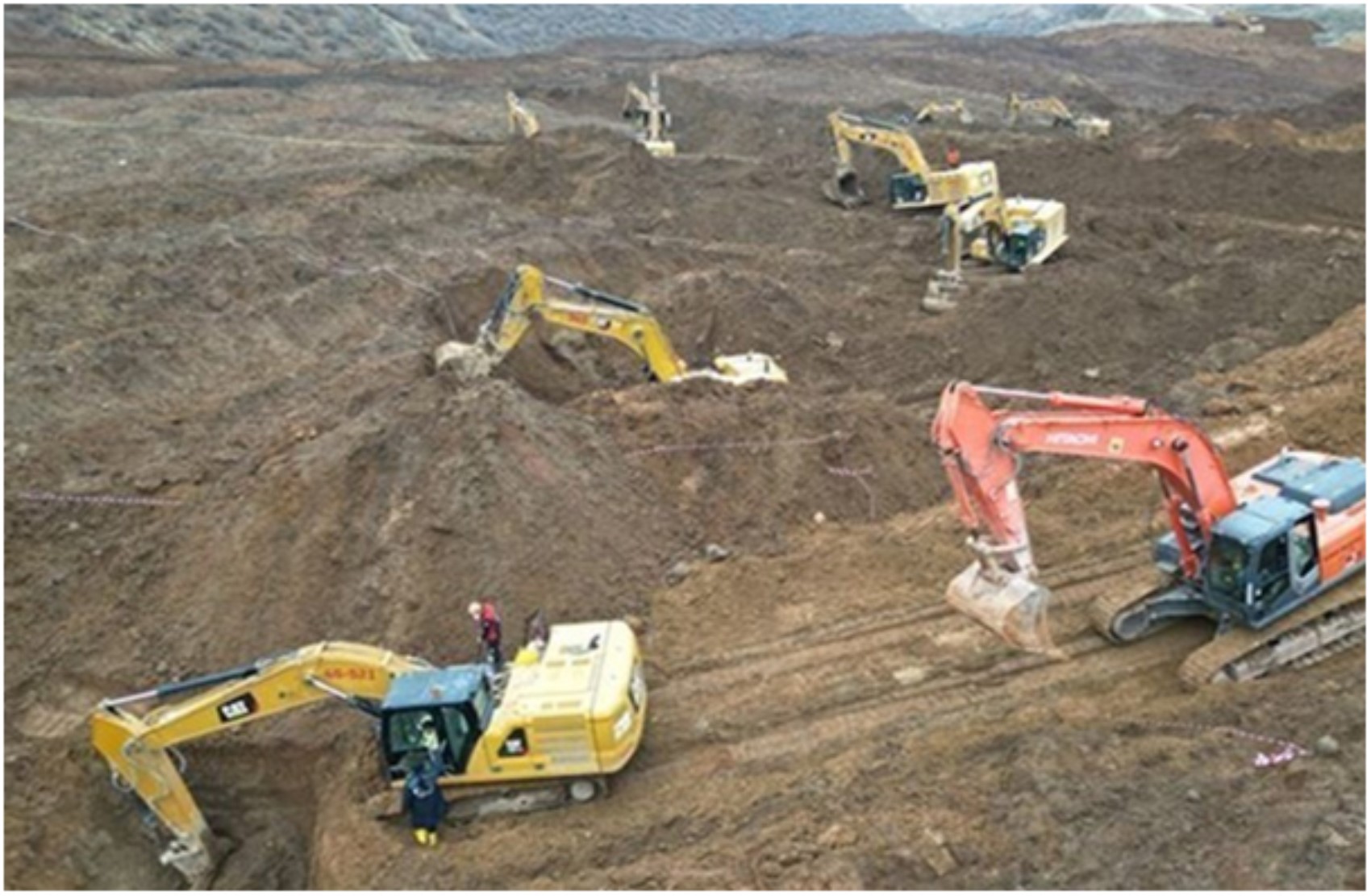
(Construction machinery searching for workers who died at the Erzincan-İliç cyanide gold mine)
***
The ruthless seizure of humanity's wealth in this manner, the destruction of the environment, and the poisoning of nature pose a major threat to the present and future of humanity.
The wise people of the world are, of course, aware of this.
Masses who are aware of the damage these operations cause to their lives are opposing such enterprises and defending the "right to life" of both nature and humanity.
These increasingly widespread reactions are also leading to significant social events.
In this context, scientists, certain private entrepreneurs, and state institutions have been searching for new methods beyond "extracting gold using cyanide" for years.
Producing gold without using cyanide through easier methods that attract less backlash, thereby adding wealth to wealth, is one of the most important reasons why the capitalist system is showing interest in this issue.
Although alchemists in the past dreamed of turning lead into gold, alchemy in this context has almost gained scientific reality today: it is now possible to change the number of protons in an atomic nucleus.
For example, when three protons are removed from a lead atom, a gold nucleus is obtained.
In 1941, scientists at Harvard University in the USA successfully converted mercury into gold through neutron bombardment; however, the fact that the resulting gold was radioactive, and the lack of a solution for this issue at the time, halted progress in this direction.
Or perhaps the "cyanide companies, the cyanide octopus," which make easy money from cyanide poison, had blocked this development.
In 1980, Glenn Seaborg in California, USA, converted several thousand bismuth atoms into gold in a laboratory.
These methods were viewed as experiments that were not economical for routine production under the conditions of that time.
In recent years, the increase in knowledge regarding subatomic entities and quantum physics, along with the rapid development of technologies where this knowledge can be applied, indicates that certain applications could be implemented to obtain gold without the use of cyanide.
Just like the ancient alchemists, there are experimental studies showing that it is possible to obtain gold from metals.
Studies conducted at CERN (European Organization for Nuclear Research), located on the France-Switzerland border and employing approximately 30,000 scientists and support staff, have made it possible to obtain gold from metal at the atomic level, although it is not yet economical.
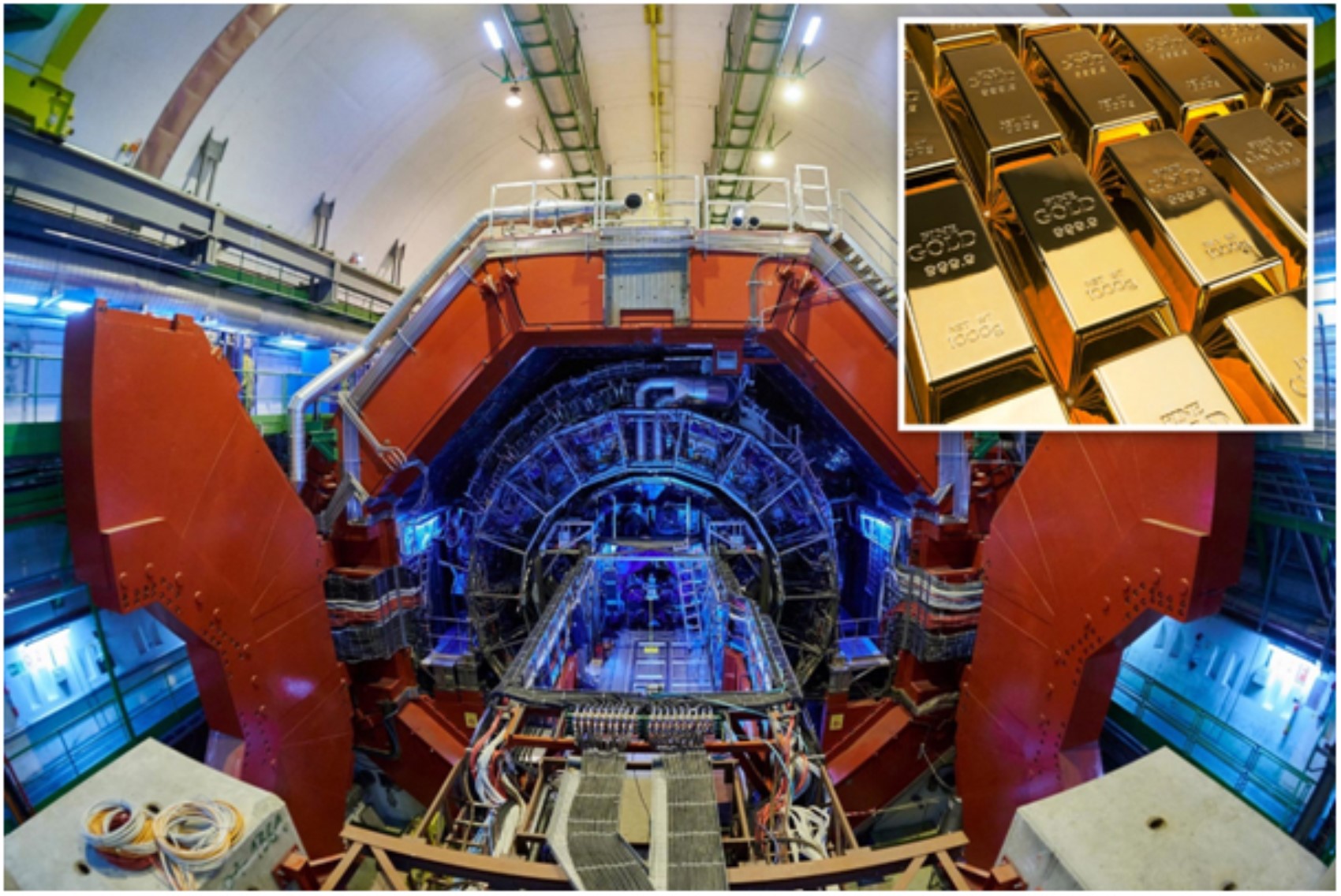
(Physicists, using CERN's Large Hadron Collider, converted lead into gold for the first time in science. New York Post - May 15, 2025)
Researchers at CERN's "Large Hadron Collider" have realized the dream once considered impossible by alchemists by turning lead into gold—if only for a fleeting moment.
Located 27 meters underground in a 175-kilometer-long oval tunnel, the "Large Hadron Collider" at CERN helps uncover the secrets of the universe and matter by colliding the particles that make up atoms at speeds near the speed of light.
In this context, it is known that the nucleus of a lead (Pb) atom contains 82 protons. These protons are stable particles with a positive electric charge and create a strong electromagnetic field.
The nucleus of a gold (Au) atom, on the other hand, contains 79 protons. In this case, for a lead atom to turn into gold, three protons must be removed from its nucleus.
At CERN, with the help of the Large Hadron Collider, lead nuclei were accelerated to 99.999993% of the speed of light, then slowed down, and these nuclei were collided almost simultaneously.
In these collisions, a dissociative electromagnetic field was created; through the influence of elementary particles called photons, which are massless and have no electric charge, the lead atoms lost three protons and transformed into gold.
Naturally, extremely specialized and unique machines were used for these processes.
CERN scientists measured the formation of 86 billion gold nuclei in the four major experiments they conducted.
However, this amount corresponds to only 29 picograms (one trillionth of a gram) of gold. Moreover, this gold existed for only a tiny fraction of a second.
This amount is far from meeting the wealth that the ancient alchemists dreamed of.
However, it has demonstrated that this transformation is possible.
In our age, where technology is advancing in giant leaps, the sign that gold enthusiasts are not "condemned to cyanide" is perhaps one of the first hopes offered by this development.
***
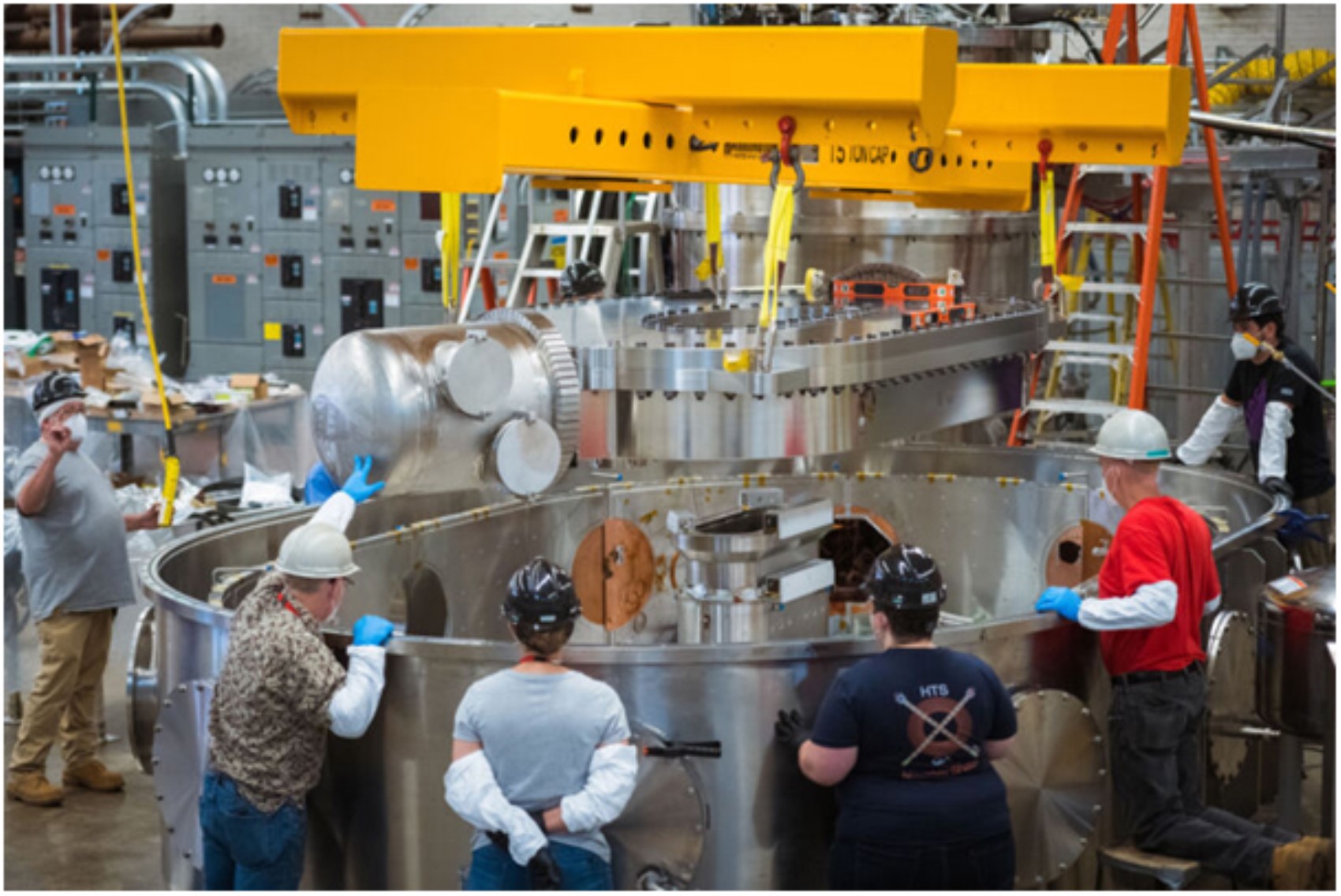
(Fusion reactor of the company Marathon-Fusion)
Today, science and technology are no longer produced solely in universities and government institutions.
New types of companies called "start-ups," founded by private entrepreneurs, aim to develop unique and innovative products or services and bring them to market.
Start-ups are generally technology-focused and financed by venture capital.
Venture capital refers to capital investment made in companies that have not yet generated large profits but are believed to have the potential for great success in the future.
These companies, which employ different working methods, are considered pioneers of innovation in many fields.
However, they are not government institutions. States can support start-ups through means such as grants, tax incentives, mentorship, and infrastructure support.
In Turkey, institutions such as technoparks, development agencies, and TÜBİTAK support such companies.
It is reported that a start-up company based in San Francisco, California, in the USA, called "MarathonFusion," has proposed a new method for "turning mercury into gold" through "nuclear fusion" reactions.
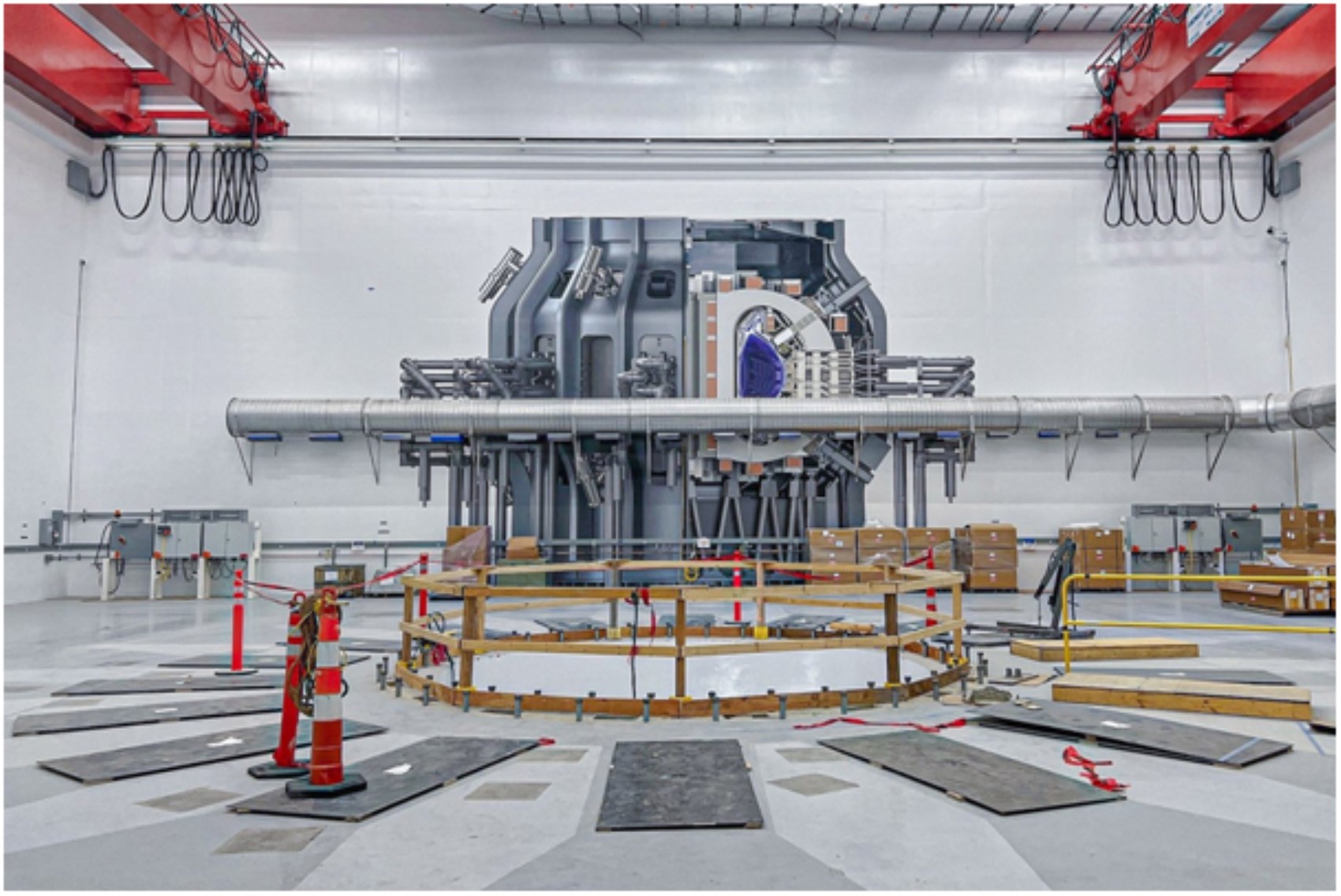
(Work on converting a fusion reactor for commercial use)
It is known that this project has received nearly 4 million dollars in US government grants, along with approximately 5.9 million dollars in private investment; it is also supported by Bill Gates' Breakthrough Energy Fellows program.
In simple terms, "nuclear fusion" is the process where two small atomic nuclei combine or fuse to form a larger atom.
More broadly, it is a nuclear reaction in which two light atomic nuclei—such as the hydrogen isotopes deuterium and tritium—combine under extremely high temperature and pressure to form a heavier nucleus.
This process releases a tremendous amount of energy.
MarathonFusion claims to have developed a method to convert the mercury-198 isotope into gold-197 through nuclear fusion reactions.
This method is based on adding mercury to the energy conversion process within a nuclear fusion reactor.
In the process, fast neutrons produced as a result of atomic splitting bombard unstable (decayable) mercury-198, which then transforms first into mercury-197 and subsequently into stable gold-197 within 64 hours.
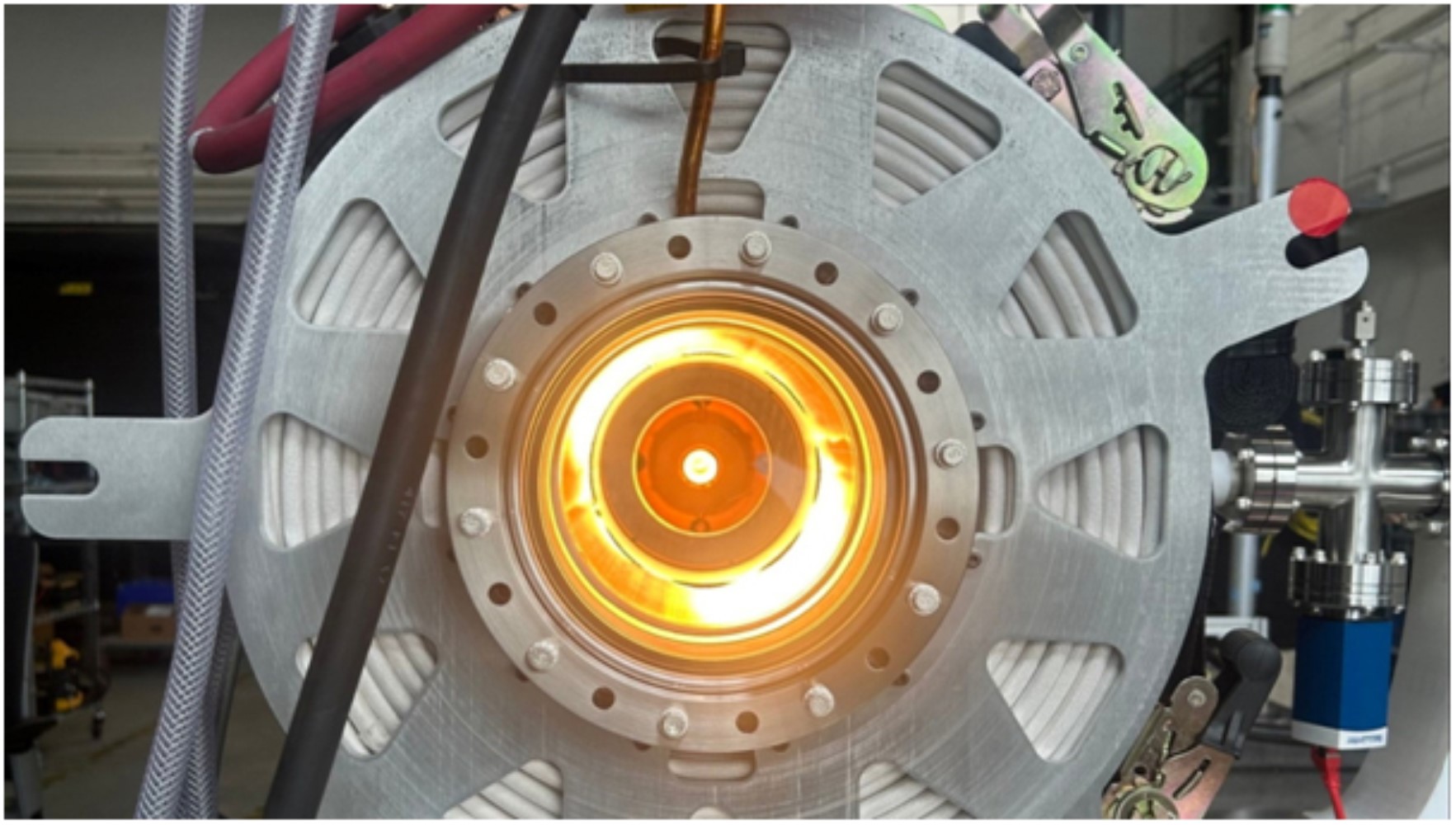
(The device used by the MarathonFusion company to obtain gold. Financial Times. July 21, 2025)
This method is called "Chrysopoeia," which means the "art of turning into gold."
Another scientific term for it is "transmutation," or "matter transformation."
The company claims that in this process, mercury can be turned into gold within a few days.
Theoretically, it states that 5,000 kg (5 tons) of gold could be produced per year per fusion reactor with a power capacity of 1 GW (1 million kilowatts).
MarathonFusion states that it aims to make both gold production and energy generation economically viable with this new method.
This is because the high energy obtained from fusion reactors called "Tokamaks," which are developed to produce nuclear fusion energy, will be low-cost, and revenue will be doubled alongside gold production.
Thus, the distribution of the produced fusion energy will become easier, and the resulting abundance of energy could also contribute to mitigating the threat of climate change.
However, it is also pointed out that this method has certain technical limitations.
Some experts approach this project with caution, stating that the process should be submitted for academic review, that the gold produced could be radioactive, and that it might need to be stored for years before being released into the market.
Since the mercury used in this process contains different isotopes, it is stated that the resulting gold could also contain various radioactive isotopes.
In this case, it is noted that the gold might need to be held for approximately 7 to 17 years to be considered completely safe, a process referred to as the “cooling period.”

(Dan Brunner) (Kyle Schiller)
However, MarathonFusion officials provide convincing responses to these concerns:
“In current practice, the vast majority of the world's gold is already used for storing value, preserving wealth, and as a safe-haven asset.
Gold is not a substance in active circulation. Holding potentially radioactive gold for 7–17 years does not pose a significant obstacle to this function.”
At worst, this situation would only mean a slight loss in value compared to pure gold-197 initially, which could be compensated for with a small discount in the market.
Furthermore, according to a report by the Financial Times, the company's scientific advisor, Dan Brunner, made the following assessment:
“Gold is an ideal target from both a scientific and economic perspective. Theoretically, the system appears consistent. The real challenge is making it feasible from an engineering standpoint.”
Dan Brunner reports that this remarkable scientific development was created by scientists Kyle Schiller and Adam Rutkowski, who work at Marathon-Fusion.
It is clear that with this system, both large amounts of clean energy and, perhaps even more impressively, significant quantities of gold can be produced through nuclear fusion.
In other words, gold emerges as a byproduct while generating fusion energy.
But more importantly, this method offers the possibility of ridding the world of the scourge of gold extraction using cyanide.
In a country like Turkey, where there are plans to open cyanide-based gold mines in 560 different locations, why shouldn't such a project be developed?
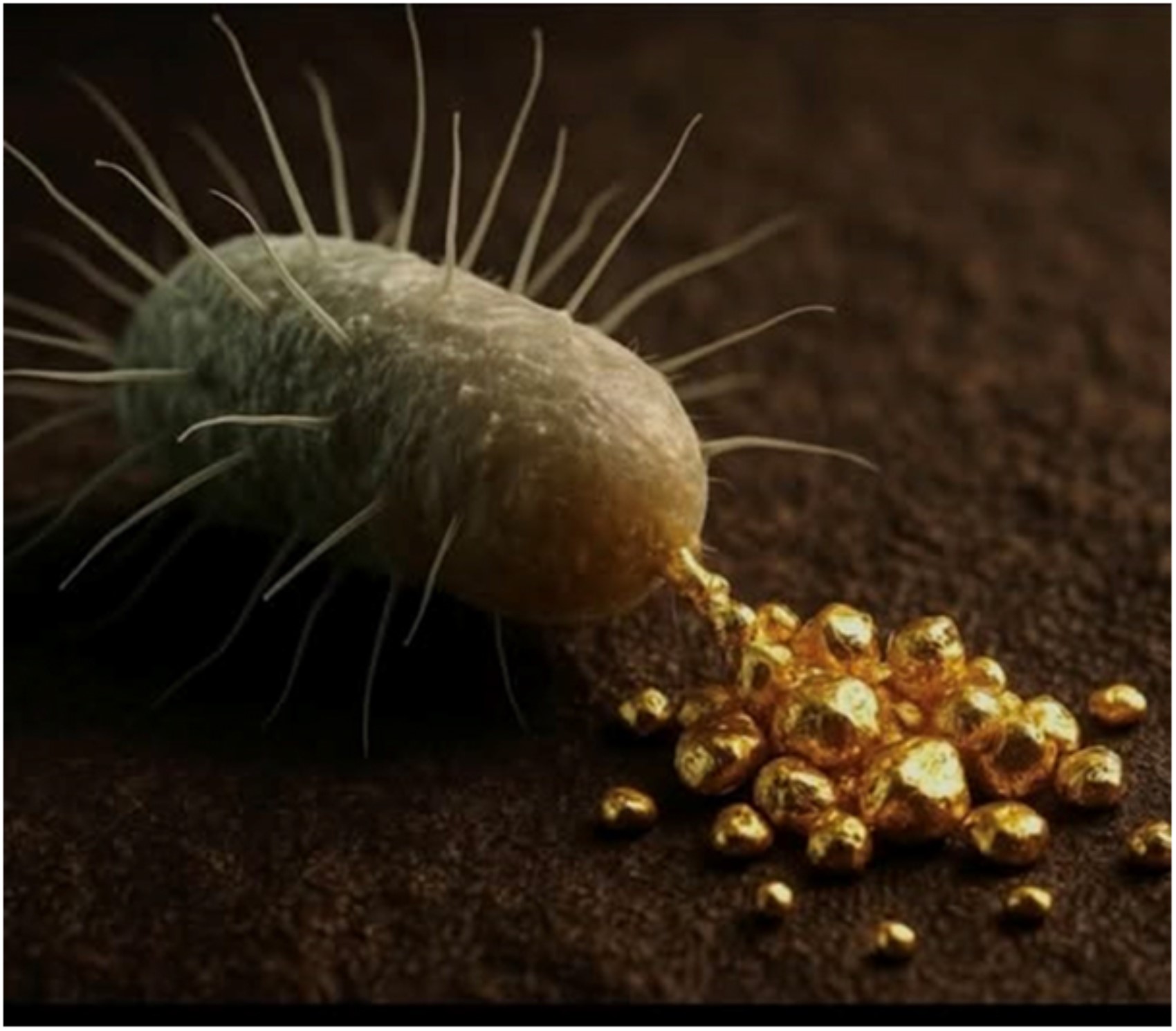
(Obtaining gold with the help of bacteria)
Of course, other problems and risks that nuclear energy might create must also be taken into account in such an application.
When nuclear fission reactors, which are widely used today solely for energy production, are compared with nuclear fusion reactors, which could also produce gold as a byproduct, in terms of the damage they may cause to the environment and the risks they carry, it is seen that fission reactors are much riskier.
Existing nuclear power plants pose a much greater risk than nuclear fusion reactors, both in terms of the probability of accidents and the long-term danger of their waste.
Although fusion reactors, where gold production could also be possible, are still in the experimental stage, the probability of them theoretically creating environmental pollution on a catastrophic scale is quite low.
(World Energy Council. Nuclear Fission and Fusion Comparison Report. London, 2021)
All these developments demonstrate that humanity is no longer condemned to gold obtained with cyanide; and that with each passing day, new projects can be developed in addition to those already being worked on.
***
Another phenomenon scientists have discovered regarding gold production is that the bacterium "Cupriavidus metallidurans" is extremely resistant to heavy metals in nature and can biologically contribute to gold production under certain conditions.
This bacterium can convert gold ions (Au³?) that have become positively charged by losing three electrons into elemental gold (Au°) from the solution in which it resides.
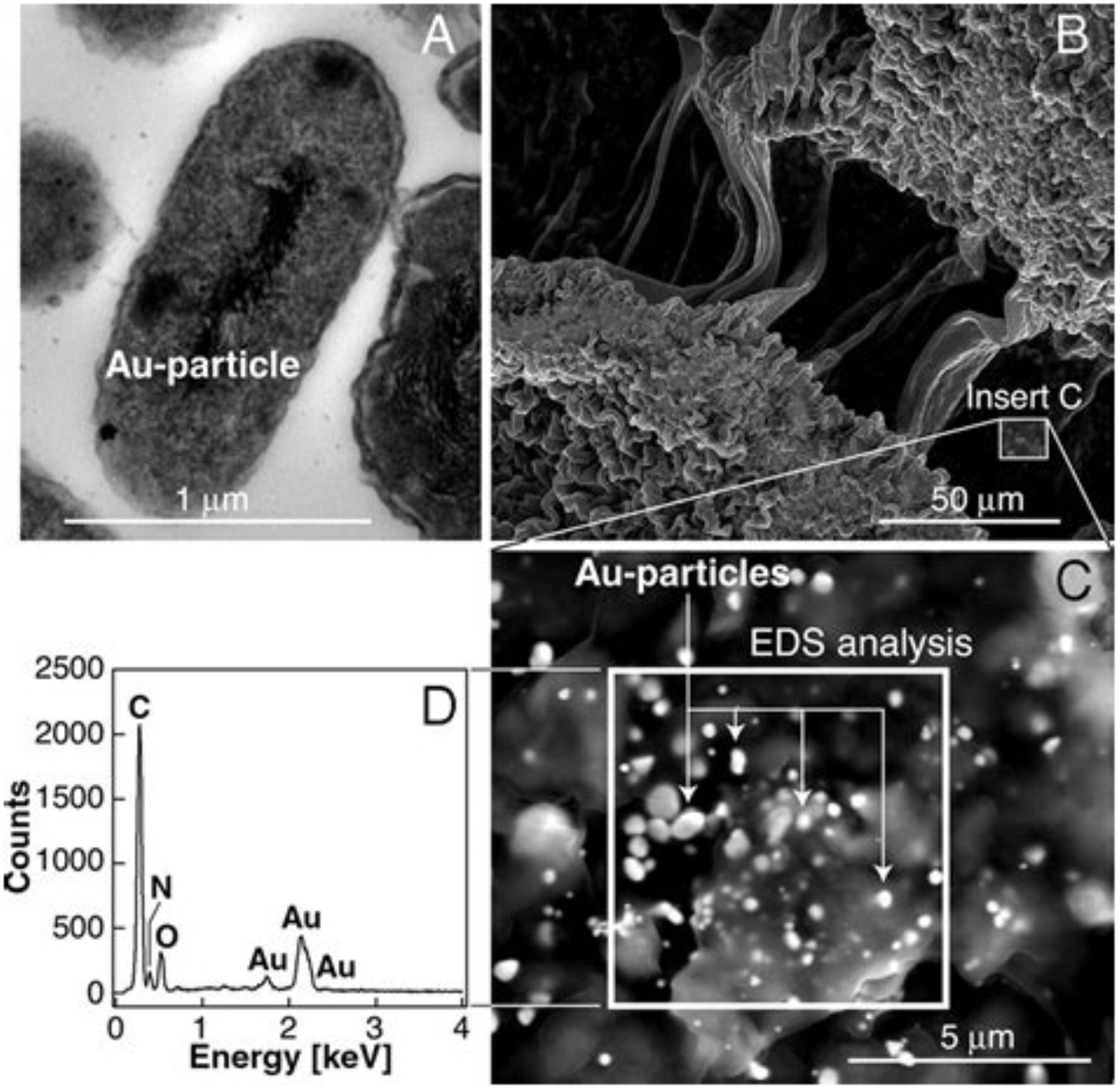
(Microscopic images showing how the bacterium produces gold - the white particles are gold.)
In other words, it reduces gold ions by providing them with electrons, thereby forming pure gold particles.
When heavy metal ions such as gold, copper, lead, and cadmium found in soil or solution encounter this bacterium, the bacterium takes these metals into its cells.
However, these metals are poisonous (toxic) to the bacterium. Therefore, the bacterium defends itself against this poison by producing enzymes and auxiliary molecules.
Thanks to this defense mechanism, the bacterium reduces the tiny gold ions it encounters by donating electrons to them, thereby neutralizing the toxic effect.
As a result, the nano-sized pure gold particles formed accumulate on the surface of the bacterium and are expelled from the cell.
In 2009, scientists in Australia experimentally proved that this bacterium creates microscopically small gold nuggets, and that these gold particles crystallize and become visible on the surface of the bacteria.
However, the amount of gold produced by the bacteria is very small, and it is argued that this process is not yet economically viable for industrial mining.
Nevertheless, it is believed that such organisms could yield significant results in fields like biomining or environmental remediation.
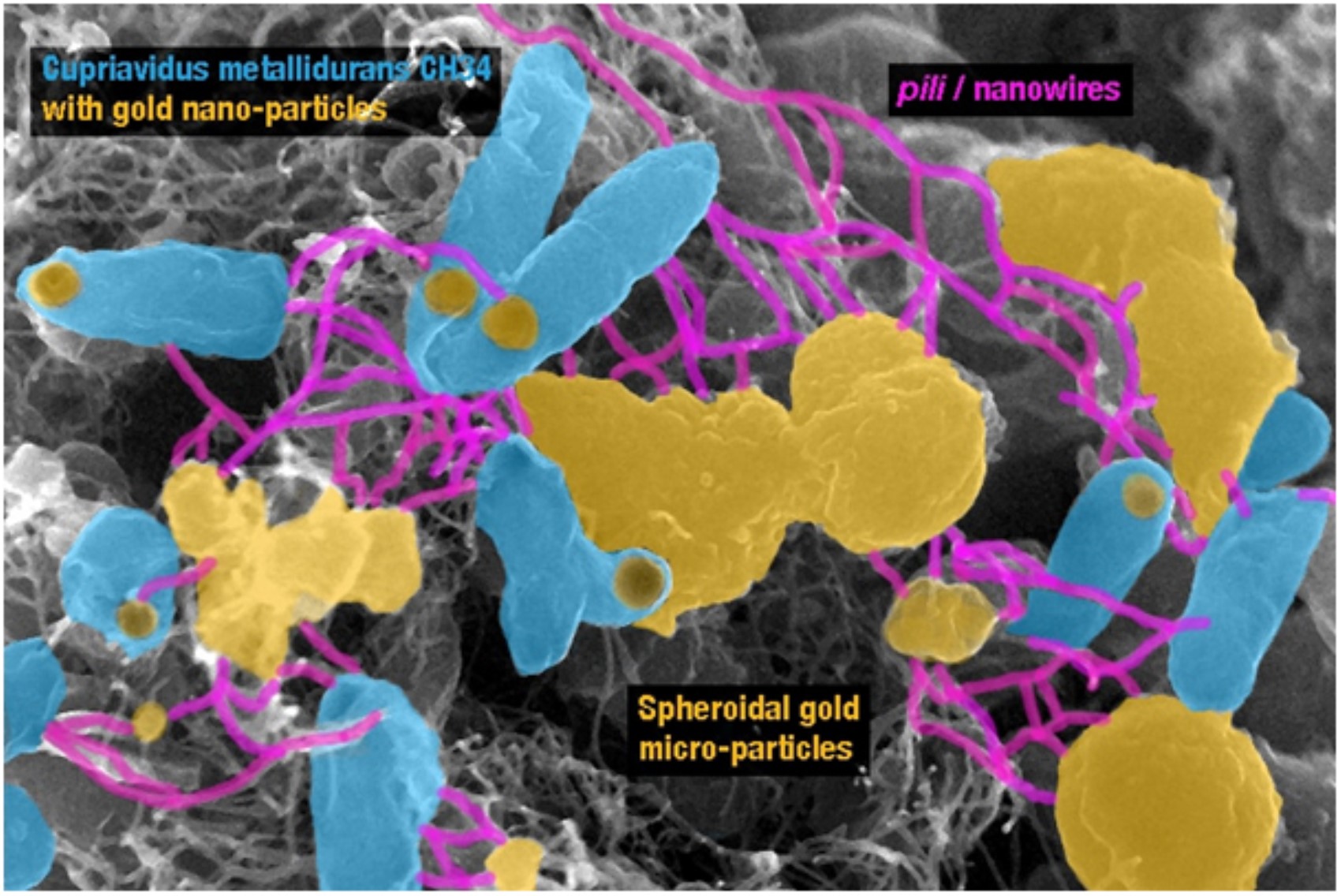
(Gold nanoparticles (gold-colored) forming on the surface of a bacterial cell (blue) are shown alongside micropili (thread-like structures that expel gold from the cell (purple/pink)). This visually represents the bacteria-dependent production of gold particles.)
This bacterium could be particularly useful in reducing or neutralizing the environmental impact of heavy metals such as arsenic, cadmium, and lead, which are accumulated in toxic waste dams at modern mines where gold is extracted using cyanide.
***
Today, we know that the quest for gold is not merely a passion for wealth, but an ancient endeavor intertwined with the human desire to transform matter, understand nature, and control it.
However, in our age, this endeavor must be subjected to ethical, environmental, and scientific scrutiny.
Methods of extracting gold using cyanide, hiding behind economic gain, cause irreparable damage to nature and humanity; they poison the soil, water, and living organisms in an irreversible manner.
Yet, we now have traces of ways to reach gold through different paths such as nuclear transmutation, biotechnology, and renewable scientific methods.
Although not yet economically viable, these new paths have the potential to lead humanity toward a mining philosophy free from cyanide.
Perhaps tons of gold cannot be produced with these methods; however, the endless poisoning of the earth could be prevented, and humanity could once again discover the richness of knowledge, patience, and ethical responsibility.
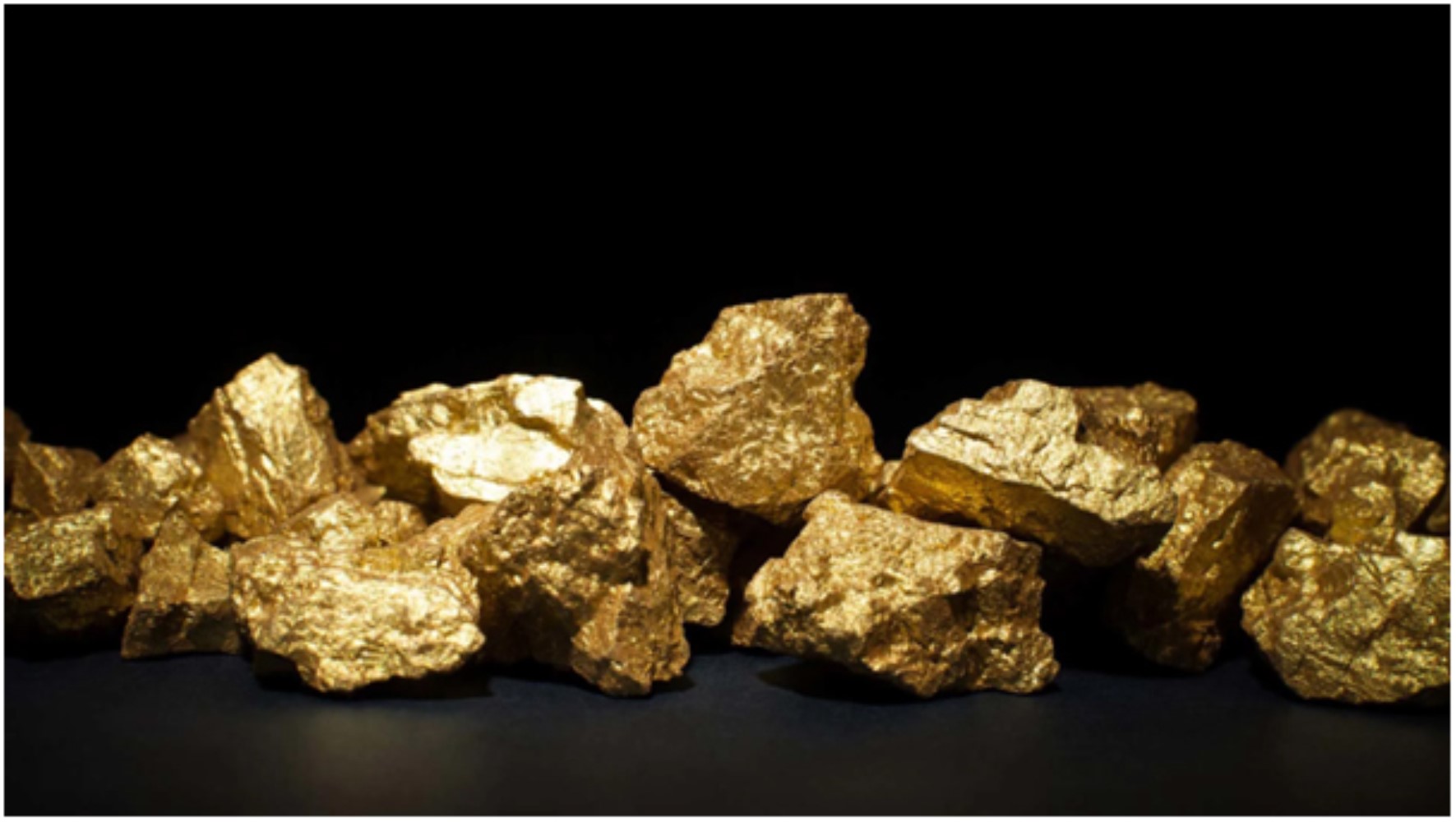
(Gold bars)
True alchemy is no longer just about turning lead into gold; it is about being able to transform greed into consciousness, matter into responsibility, and technology into respect for life.
I wonder if the "decision-makers" and capital owners in Turkey think the same way?
Or are they even capable of thinking so?
Gold is not condemned to cyanide!
The cyanide octopus, which has wrapped its tentacles around the entire world through the hands of toxic companies, must abandon cyanide in the context of new scientific knowledge and practices and invest in the development of new technologies.
Look, a new process is at the door.
Public authorities who grant permission to cyanide users for any reason must take this new situation into account and prevent the poisoning of the country's soil.
One must not bow down to the wealth-hunger of capitalism and the cyanide octopus!
If there are humans and nature, there is gold!
(Sources: https://phys.org/news/2025-07-marathon-fusion-mercury-gold-energy.html /// https://www.ekonomist.com.tr/dunya/iddia-metaldan-altin-yapmanin-yolunu-bulduk-62646 /// https://www.livescience.com/chemistry/can-other-metals-be-turned-into-gold?utm_source /// Aleklett, K.; Morrissey, D.; Loveland, W.; McGaughey, P.; Seaborg, G. (1981). "Energy dependence of 209Bi fragmentation in relativistic nuclear collisions". Physical Review C. 23 (3): 1044. /// https://www.thetimes.com/business-money/technology/article/modern-alchemy-could-a-nuclear-gold-rush-be-upon-us-sgcz83h6h /// https://www.pnas.org/doi/10.1073/pnas.0904583106?utm_source=chatgpt.com ///
https://nypost.com/2025/05/14/science/cern-large-hadron-collider-transmutes-lead-into-gold-in-scientific-first/) /// https://www.ft.com/content/06f91e0d-3007-40bd-b785-86fef4890809/Fusionenergy start-upclaimstohavecrackedalchemy /// https://www.linkedin.com/in/kylecschiller?trk=public_post-text /// World EnergyCouncil. NuclearFissionandFusionComparison Report. London, 2021)
Sefa Taşkın
08/10/2025
Dikili/İzmir
Most Read

Striking picture for Özgür Özel's 'New Party'

The PKK opening and Özgür Özel’s path!..

How did the newspapers view Özgür Özel's farewell to the CHP?

He killed his wife by slitting her throat: Their children witnessed the moments

What did the CHP do?

Özel’s new party move in the world press

Fire at TUSAŞ engine factory in Eskişehir under control

The New CHP, against CEHAPE

From self-efficacy to despair

Kılıçdaroğlu's first message on Özgür Özel's new party announcement