



CYANIDE DIARIES FROM BERGAMA-16.
The deep blue waters of the Gulf of Edremit!
Brotherhood rising in the sea!
Olive groves under threat!
Thirty years ago:
In 1992, Melih Pabuççuoğlu, the True Path Party (DYP) deputy for Balıkesir, delivered a speech in Parliament in Ankara, opposing the "cyanide gold mine" that was planned to be operated in Havran, Balıkesir, on the slopes of the Gulf of Edremit.
He said to the faces of the ministers and deputies: "Is the gold pricking our backsides?"
Pabuççuoğlu was angry!
They are right!
Poisoning tons of soil with cyanide for a handful of gold and polluting the environment with heavy metals like arsenic, which is a rat poison, is a life-threatening issue for all living beings.
The disaster that occurred in İliç, Erzincan, in the spring of 2024, where nature was devastated by poisons and 9 people were buried under cyanide-laden soil and died, is the most concrete proof of this.
Moreover, the fact that these lethal substances threaten to poison all of Mesopotamia by mixing into the Euphrates River, located right next to the mine, is also a reality.
The struggle against the damage that such cyanide-based mines could cause—which began in Bergama in 1989 and was subsequently attempted to be operated in Havran, Balıkesir—are very important examples of the sensitivity humanity has shown toward these poisons.
In this context, during the same years, the village of Küçükdere in the Havran district, located on the lush green foothills of Mount Ida (Kaz Dağı), which is considered sacred in history, also remained under the threat of such toxic mining.
Those living near the village and regional intellectuals opposed the "cyanide gold mine" that was intended to be operated in the midst of beautiful olive groves.
Tourism professionals, olive oil producers, merchants, and local administrators also joined this struggle.
The company that wanted to operate the mine was called TÜPRAG, which was established in Ankara in 1986.
This company was established according to Turkish laws, but its owner at the time was a German company called PREUSSAG.
While it was such German companies that introduced toxic gold mining to Turkey, those who shamelessly walk around and show their faces on TV, claiming that environmentalists opposing "cyanide gold mines" are collaborating with German foundations that supposedly do not want gold mines to be operated in Turkey, are acting without shame.
***
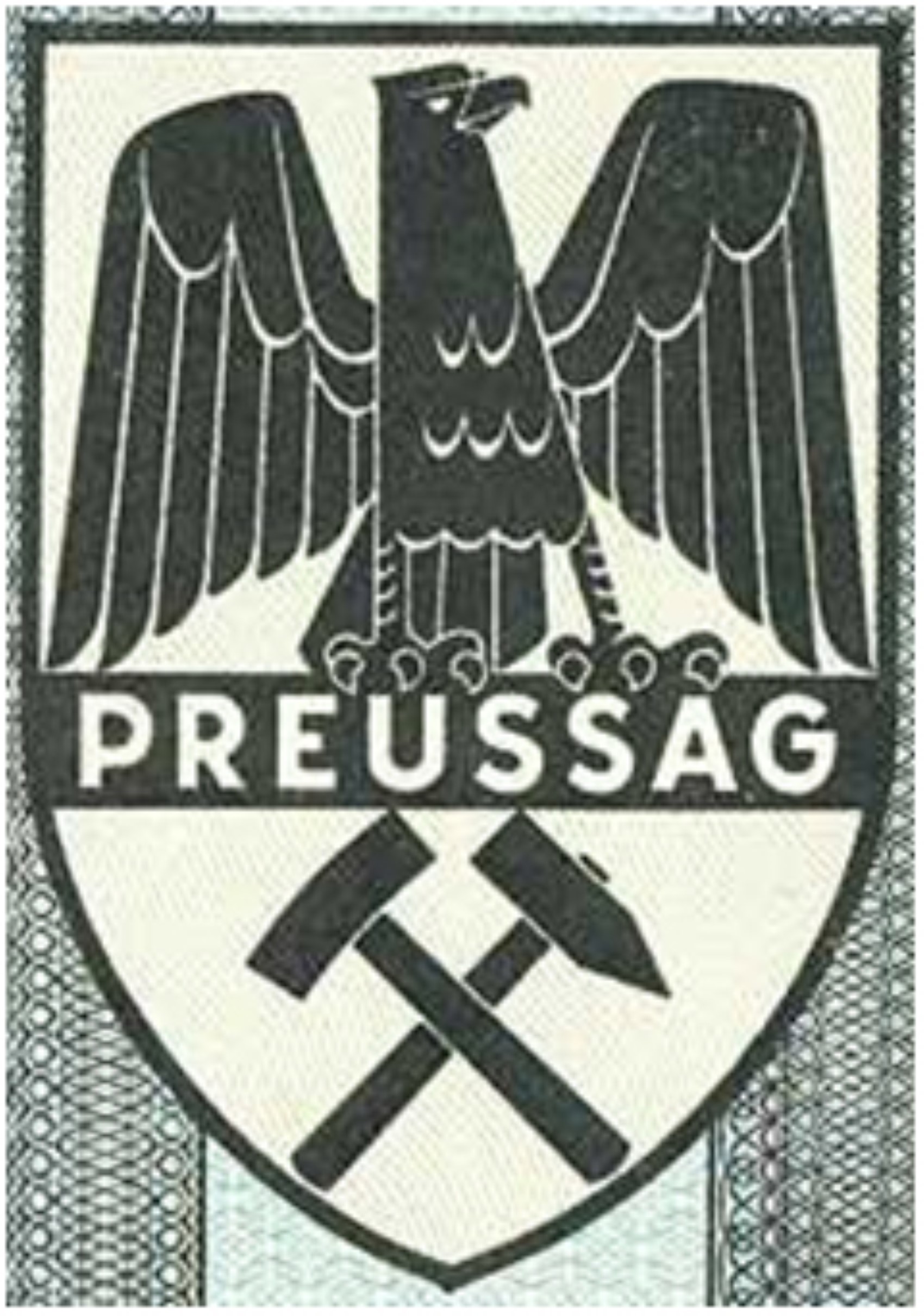
(The emblem of the German company PREUSSAG, the first owner of the Havran mine, which later belonged to the tourism company TUI)
German Imperialism, which has been plundering Anatolian lands for two centuries, having infiltrated every corner of the Ottoman Empire and driven its people to death by dragging them into wars on every front, is also on the stage in Havran.
Just as the German industrial giant METALGESELLSCHAFT was in Bergama, it is very eager to sow poison into Anatolian soil in Havran alongside PREUSSAG.
However, perhaps aware of the opposition regarding the toxic mine in Havran, the German company PREUSSAG sells its shares in TÜPRAG to the French company METALEUROPE, with which it had previously partnered, and leaves.
In 1991, this French company would also transfer half of its shares to the South African company GENCOR.
PREUSSAG was later acquired by the German tourism company TUI, which also had prior interests in mining.
Look at how these poisoners have become intertwined with one another.
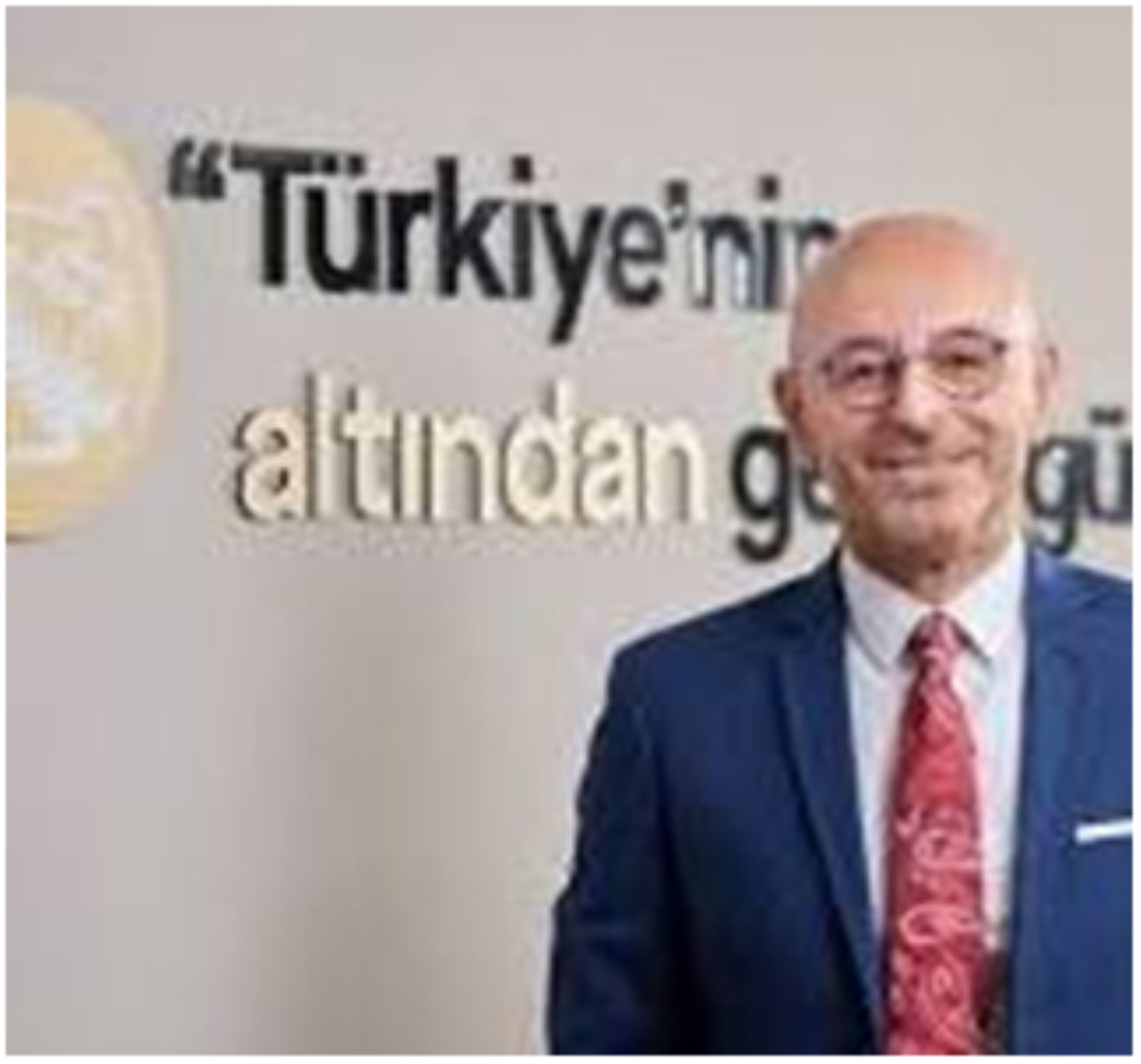
(Even though TÜPRAG's foreign owners changed frequently, its Turkish General Manager Mehmet Yılmaz remained the same)
The GENCOR company also belongs to the world-famous billionaire racist Oppenheimer family.
Who hasn't tried to run the show in the fertile lands of Western Anatolia?
In fact, this situation is a clear picture of an era called Globalism, where companies are integrated with each other, capital becomes stateless, and, if you will, it is a time when 'no one knows whose hand is in whose pocket'.
Moreover, today 'cyanide gold mining' is the dangerous new toy of this complex capitalist capital system's obsession with precious metals.
The GENCOR company of this racist Oppenheimer, disguised as TÜPRAG, attacks the sacred lands of the Kaz Mountains with greed.
However, it will find the total resistance of the local people standing against it.
Oppenheimer has bitten off more than he can chew.
***
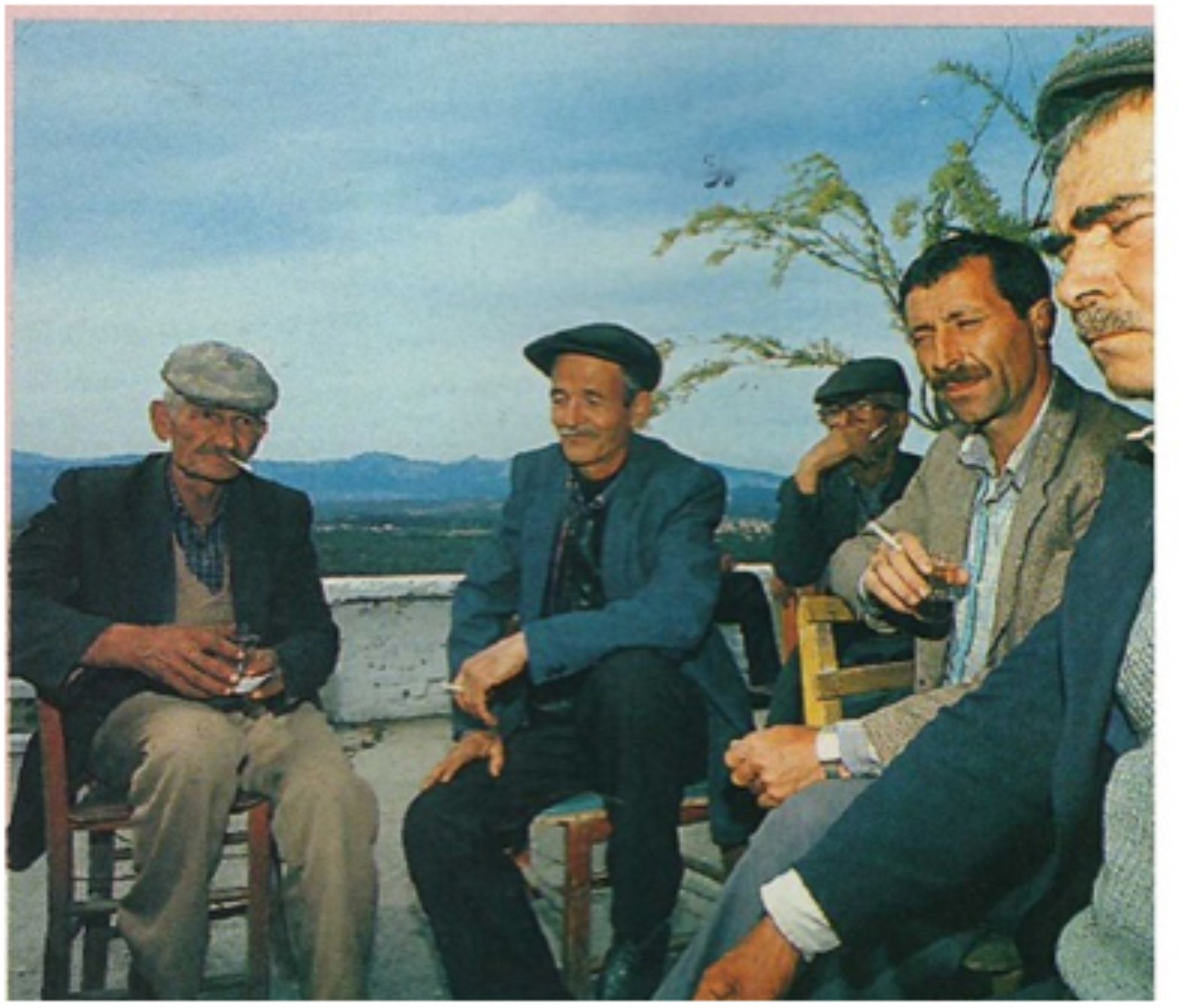
(Villagers of Havran-Küçükdere)
The fire of resistance ignited in Bergama, questioning the dangers of cyanide mines, spreads rapidly in Havran and its surroundings as well.
The headman of Havran-Küçükdere comes to visit the Bergama Municipality with his villagers. The problem is the same. They seek information. They ask for solidarity.
Even the ant has a brother!
If they do not act together, in an organized manner, and in solidarity and communication, their land will be destroyed!
Many intellectuals living around the Gulf of Edremit, in Ören, Burhaniye, Ayvalık, Güre, and Zeytinli, also take a stand in favor of Havran. All of their lives are in danger.
This cyanide mine could poison the entire region.
Should this beautiful region be left to the racist Oppenheimer?
Or to the cyanide-using octopus of imperialism that sucks the blood of the world?
Voices are raised in the region.
When their voices go unheard, the mayors of Gömeç, Burhaniye, and Pelitköy, who are also statesmen in their own right, announce that they will seek asylum in Germany.
Melih Pabuççuoğlu, a Balıkesir deputy from the ruling Prime Minister Süleyman Demirel's True Path Party (DYP), is a local from the region.
Even though Ersin Faralyalı, the Minister of Energy and Natural Resources from his own party, was lending a hand and assisting the miners, he remained opposed to the operation of a cyanide gold mine in Havran.
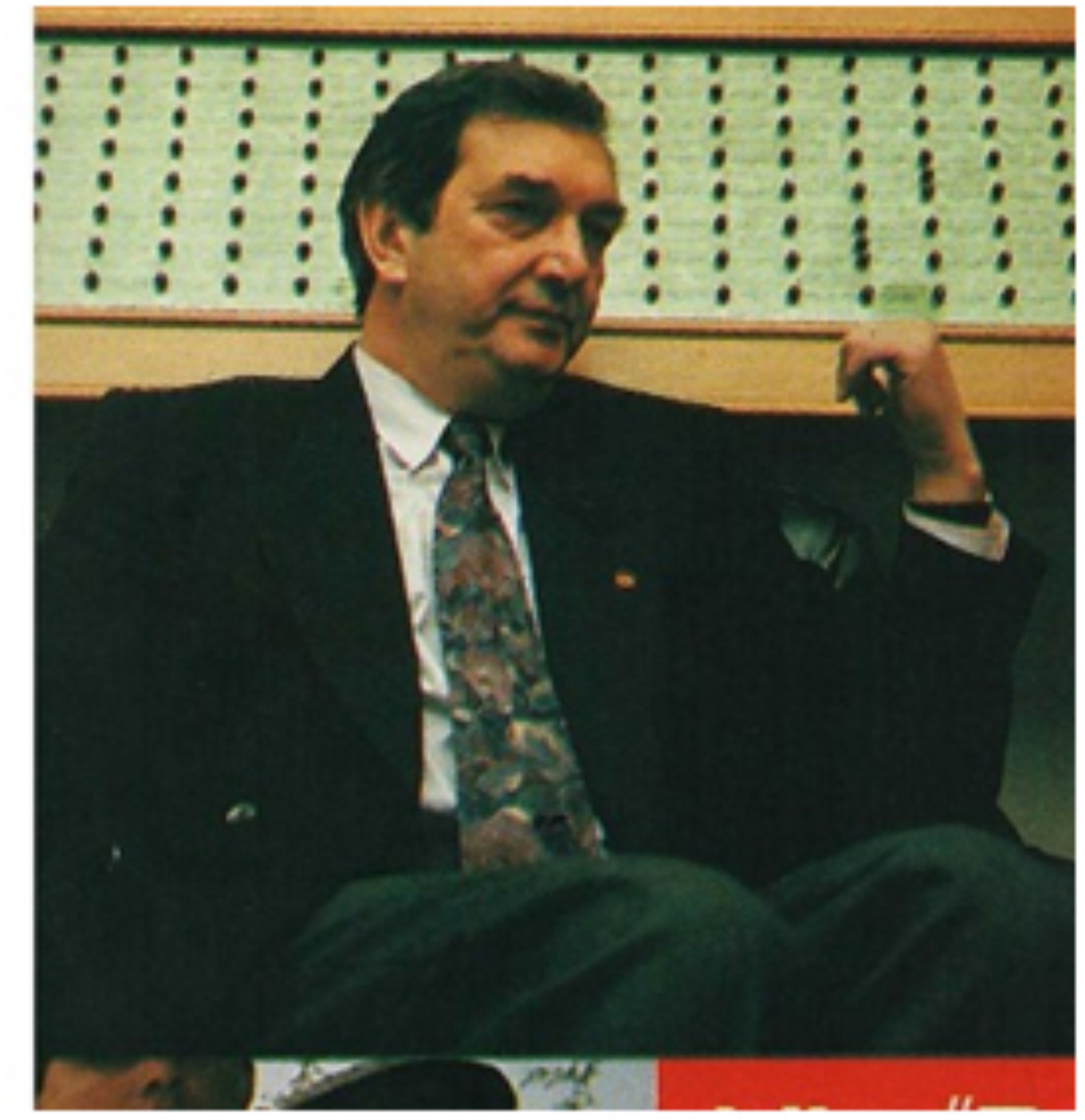
(The then-Minister of Energy and Natural Resources, Ersin Faralyalı)
He understood the damage that the poison would inflict upon this region, which is as beautiful as paradise.
Everywhere is covered in olive groves!
Olive groves are the bread and butter of the people here.
Melih Pabuççuoğlu is devoted to his homeland! He knows that nature is more valuable than gold.
Pabuççuoğlu will not back down to the cyanide proponents.
He acts as the spokesperson for the protesters in Ankara, in Parliament.
He meets with E. Faralyalı at the Ministry. He conveys to the Minister, who is one of the State's decision-makers on this issue, the belief that this operation is harmful and that the voters are against the mine.
Minister Faralyalı tells Member of Parliament Pabuççuoğlu that he will not grant permission to this operation without being certain about the issue of harmlessness.
He gives the directive to Deputy Undersecretary Sıtkı Sancar, whom he summoned to his office, to halt the company's activities in the region.
M. Pabuççuoğlu is pleased and returns home to Burhaniye, near Havran, with the inner peace of having fulfilled his duty.
Seeing that the cyanide-using company is continuing its work, he calls Sıtkı Sancar at the Ministry.
The Deputy Undersecretary says that Minister Faralyalı has abandoned the directive he gave to stop the mine from operating, and therefore, no notification was sent to the cyanide-using TÜPRAG to halt its operations.
The great Minister did not keep his word. Or perhaps someone more powerful than him warned him.
In all likelihood, those backing the Cyanide Octopus pulled his ear.
Ersin Faralyalı, the political face of the cyanide-based gold mining industry that has become a scourge for Turkey, even stalled a member of parliament from his own party.
Meanwhile, M. Pabuççuoğlu was also in talks with Minister of Environment Doğancan Akyürek and invited him to visit the region.
After all, D. Akyürek was a representative of the people. And a Minister at that!
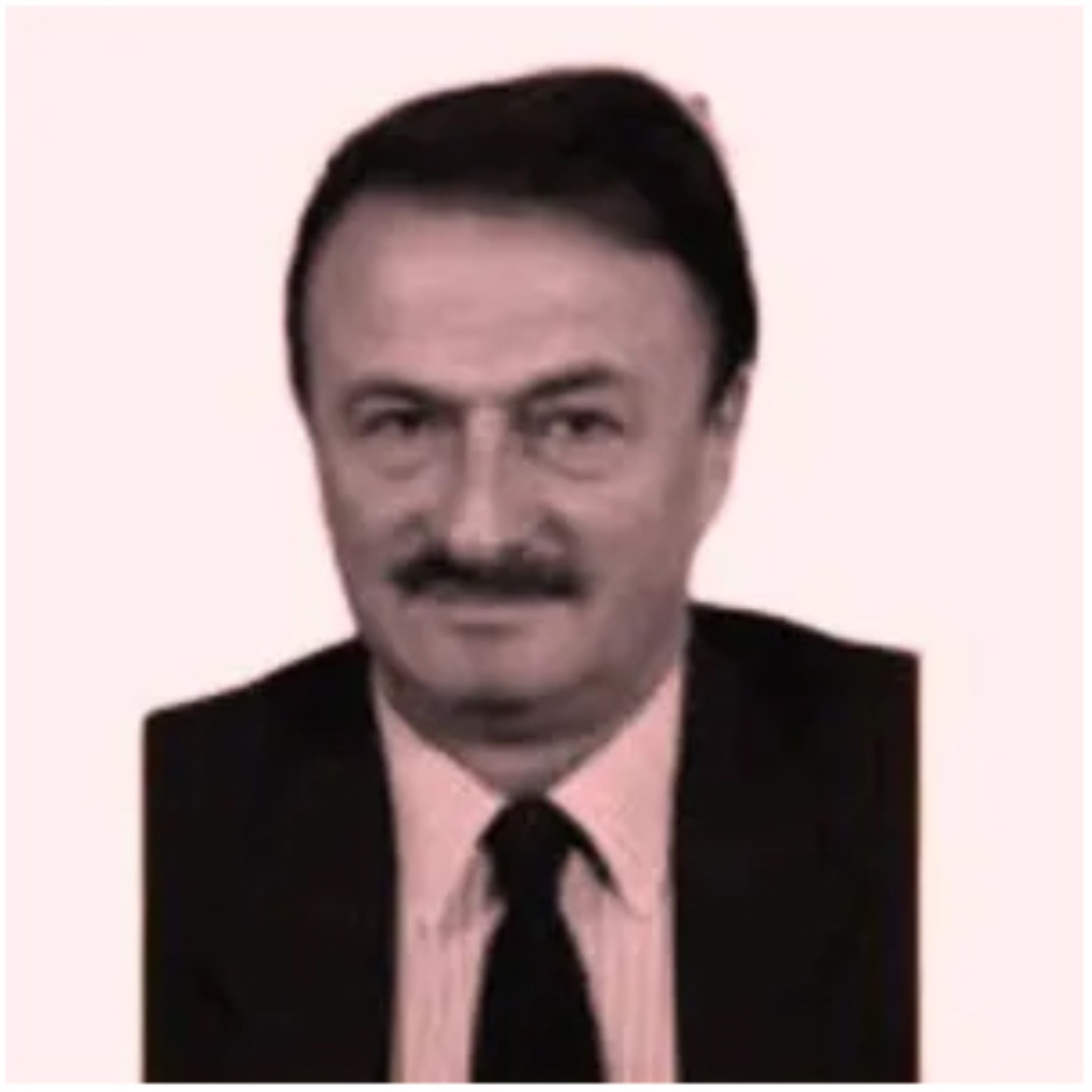
(Doğancan Akyürek, the then-Minister of Environment who was first with ANAP and later with DYP)
D. Akyürek did not turn down his party colleague and came to the region.
During his trip, he remarked that he was captivated by the beauty of the Gulf of Edremit.
Upon seeing the 250-acre lush, tree-covered area where the waste pond for toxic arsenic and cyanide compounds was to be built, he exclaimed, "Why, this place is even more beautiful than Muğla-Gökova!"
In August 1992, M. Pabuççuoğlu cornered E. Faralyalı once again in Ankara, asked about the situation in Havran, and pressed the Minister.
Faralyalı claims that he granted permission for the cyanide-based mine in Bergama-Ovacık, but did not grant it for Havran.
This means that while the villagers in İzmir-Bergama were shaking the earth and sky trying to protect their lives, another person from İzmir—a statesman and Minister whose duty was to protect and defend the right to life of his citizens—did not hesitate to sacrifice the villagers of Bergama.
He confesses to this!
However, when Pabuççuoğlu returned to his hometown, the Gulf, he learned that the Ministry of Energy had granted a license on August 6, 1992, not only for Bergama-Ovacık but also for the toxic mine intended to be operated in Havran-Küçükdere.
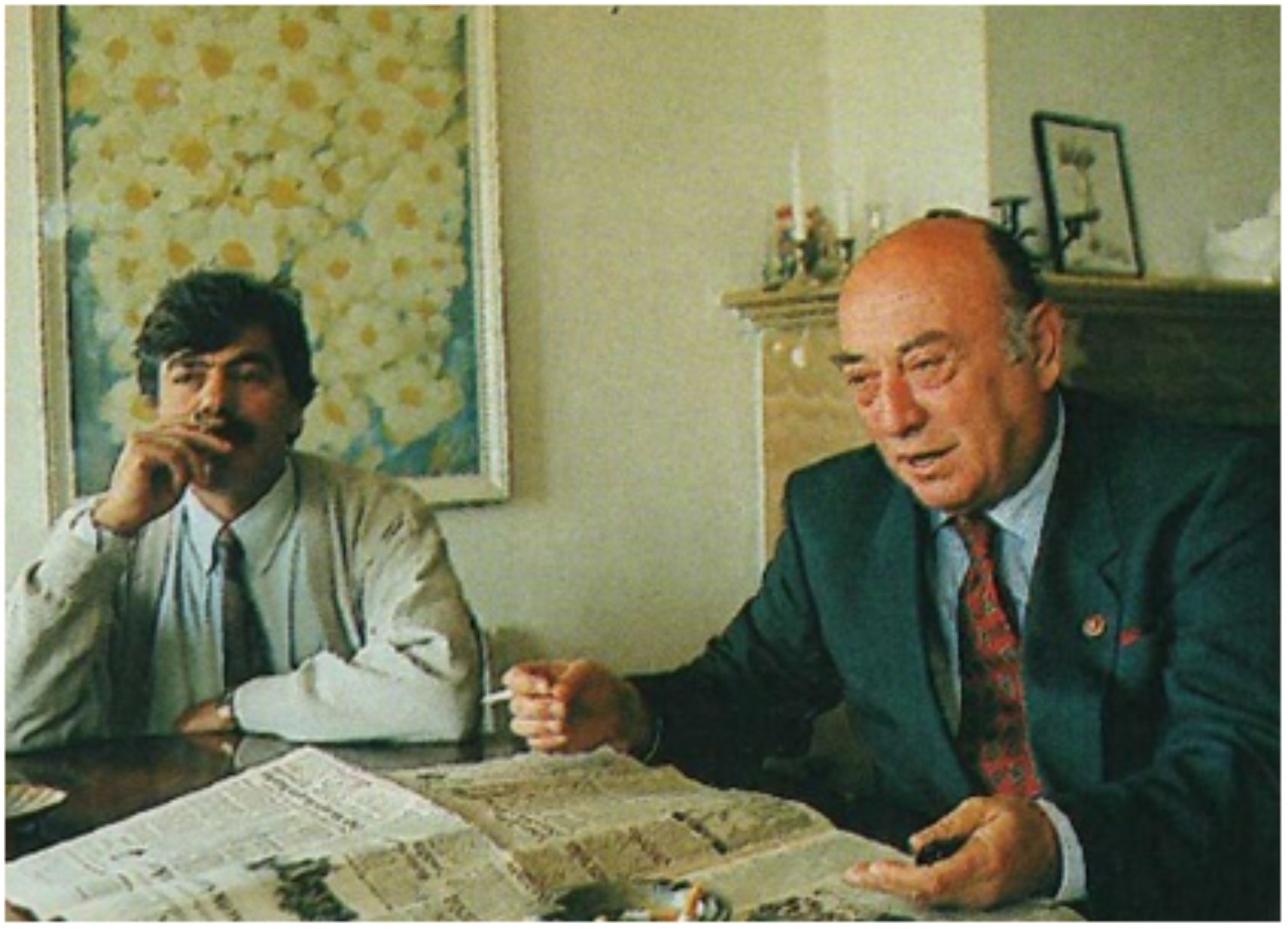
(Balıkesir Deputy Melih Pabuççuoğlu with Gömeç Mayor Şefik Birdar)
E. Faralyalı lied to M. Pabuççuoğlu, who was in the same party, the DYP.
He was implementing decisions made behind closed doors, with the involvement of who knows whom.
Following this, Deputy M. Pabuççuoğlu gave a speech in Parliament:
“Does this gold prick our backsides that it is being handed over to foreign companies? These people finished their business in South Africa, saw that the regulations in Turkey were loose and the labor force was the cheapest here, and they came immediately. This is exploitation. They do not think about the people.”
The environmental resistance in Havran rises alongside the Bergama resistance, spreading in waves.
The response given by Tahsin Sezer from the village of Küçükdere—known as 'Korean' because he served in the military unit sent to the Korean War by then-Prime Minister A. Menderes in 1950 to curry favor with the US—to a pro-company professor sent by the cyanide-using TÜPRAG company to persuade the villagers to accept the mine, is very meaningful.
When the professor said, “Don't be afraid of cyanide as if it were poison; it is even found in almonds,” Korean Tahsin Sezer replied, “I am a farmer with a primary school education. Now I understand why no grass grows under an almond tree; ask the farmers, they all know.”
Cyanide is certainly not an almond candy!
***
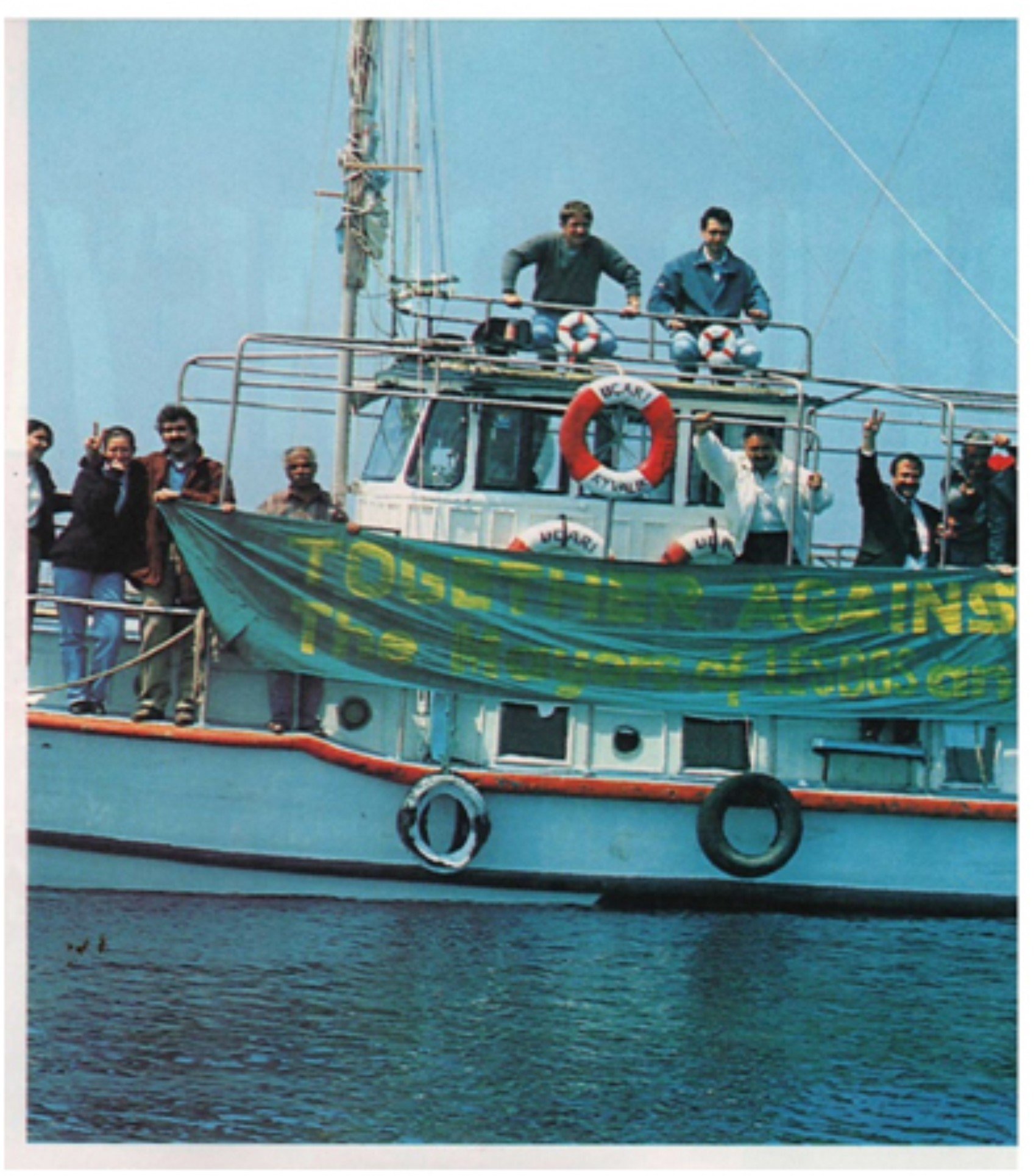
(Regional mayors and environmentalists set sail to meet with the people of Lesbos.)
The press is interested in the situation.
Tempo Magazine, which was published in Istanbul and ceased operations in 2016, covered the environmental struggle developing around the Gulf of Edremit in its issue dated May 23, 1993.
The headline of that issue of the monthly Tempo Magazine, which covered many topics from politics to lifestyle, health, and society, was an invitation from the local people to the Minister of Energy and Natural Resources, Ersin Faralyalı, who claimed that cyanide-leached gold was harmless:
“We invite Faralyalı to drink cyanide.”
Of course, Faralyalı would not accept this invitation!
Politicians who act against the will of the people are wary of the public.
The cries of the villagers, intellectuals, and municipal officials who, along with Bergama, engaged in a peaceful environmental struggle against German-origin cyanide mining companies, were also heard abroad.
The voices rising from Bergama and the Gulf of Edremit also reached the island of Lesbos, which is directly across from the Gulf.
There, too, are many people who are sensitive to the environment.
The scourge of cyanide alarmed the islanders there as well.
The concern for life is universal.
Life is life, regardless of where it is!
Officials from the island of Lesbos sent a message to the mayors of the Gulf:
"This issue concerns us closely as well. If your resistance fails and cyanide-based gold mining operations begin, come seek asylum with us, and let us wage this battle together," they said.
Following this, both sides decided to meet at the border in the waters of the Aegean Sea that they share.
The meeting took place on Sunday, May 2, 1993, in international waters between the islands of İskamya (Tokmak) and İliosta (Güneş) in Ayvalık.
Because the coast guard forces of both sides did not grant permission, the meeting did not take place in person; instead, it was conducted through the issuance of a joint declaration and an exchange of views.
On board the Greek ship were Lesbos Mayor Notis Panagitou and 11 other mayors, European Parliament member Maro Burno, heads of the Bar Association and Chamber of Commerce, representatives of unions and the University of the Aegean on the island, the head of the Maritime and Fishermen's Union, and journalist Stratis Balaskas, an immigrant from Bergama.
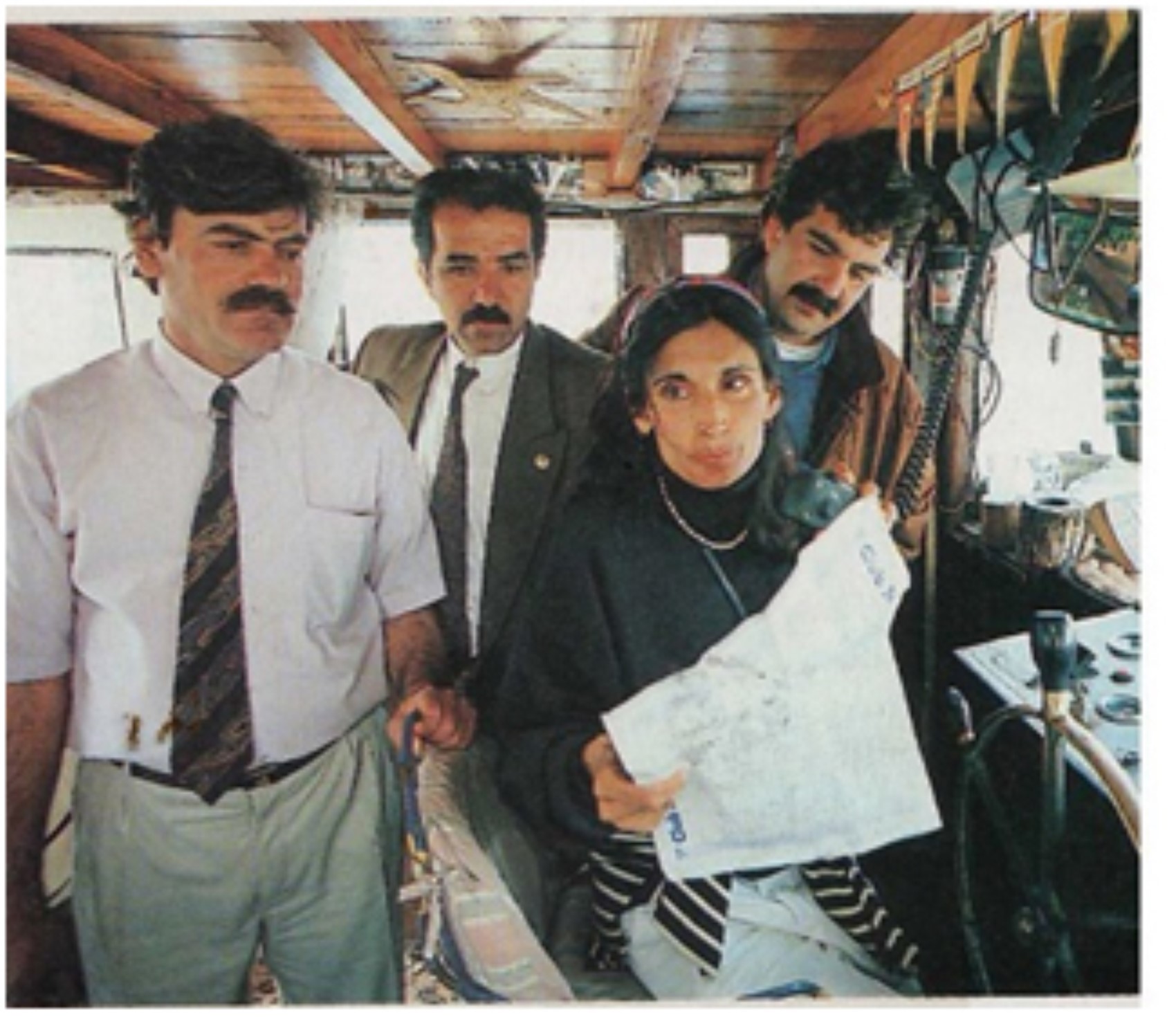
(Şefik Birdar, Ali Nedim Güreli, and Birsel Lemke on the ship "Uçarı")
On the Turkish side, setting sail on the ship "Uçarı," were Ayvalık Mayor Ali Nedim Güreli, Bergama Mayor Sefa Taşkın and ten village headmen from Bergama, Burhaniye and Gulf Municipalities Mayor Necmi Şengider, Gömeç Mayor Şefik Birdal, Büyükdere Mayor Hasan Necdet Ercan, Karaağaç Mayor Namık Doğan Adatepe, and Birsel Lemke, an environmentalist who owns a tourist business in Ören.
The joint text, exchanged and approved via radio, addressed the public as follows:
"We, the Mayors of Lesbos and the Gulf of Edremit, representing our peoples, hereby pledge that we will fight together against cyanide gold mining; that we will prevent the attempted destruction of human life, vegetation, and the ecological balance in both Turkey and Greece; that we will not abandon our demand that the companies PREUSSAG, TÜPRAG, and EUROGOLD immediately cease their activities in our region; that we will always defend the sea between us as a sea of friendship and peace; and that we will resist all forces that seek to destroy the common well-being, history, and future of our peoples."
There is a term used in social struggles to denote international solidarity: "international."
***
In the meantime, Turgut Özal had passed away, and Süleyman Demirel had become the President in his place.
When Tansu Çiller was appointed Prime Minister on June 25, 1993, Doğancan Akyürek was removed from the Ministry of Environment and replaced by Rıza Akçalı, also from the DYP.
In this environment, Fikri Sağlar, the Minister of Culture from the SHP, which was in a coalition government with the DYP, also visited the region.
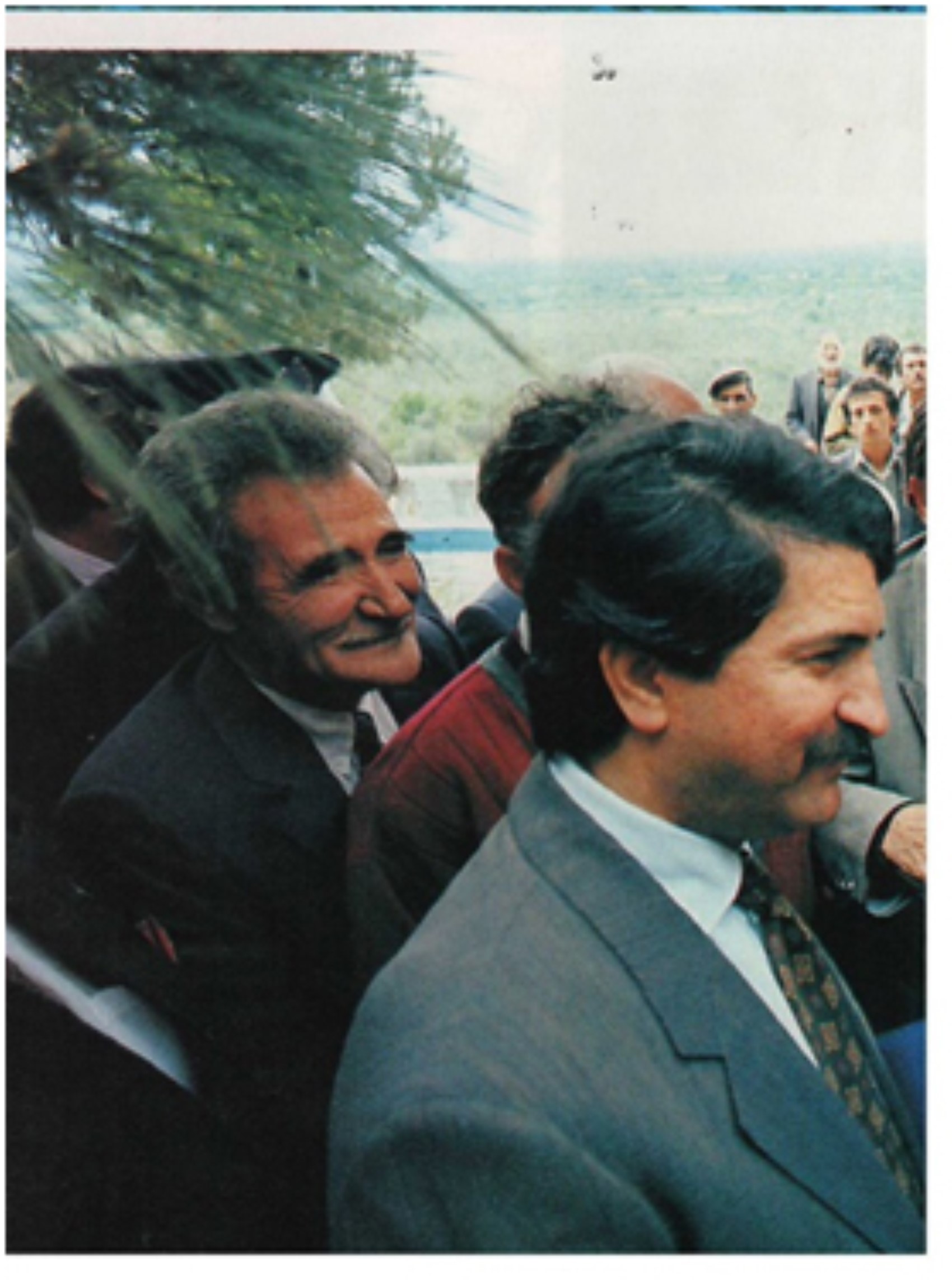 (The then-Minister of Culture, Fikri Sağlar of the SHP, with the President of the Gulf Municipalities Union, Necmi Şengider, in the mining area)
Fikri Sağlar served as Minister of Culture in the 49th Government, which began on November 20, 1991, and held his position until July 27, 1994.
In the 50th Government, he served as Minister of State between July 27, 1994, and October 2, 1994, and was later reappointed as Minister of Culture in the 52nd Government, established on October 30, 1995, serving until March 6, 1996.
It was claimed that Fikri Sağlar, from Mersin, belonged to the "left" wing of the SHP-CHP.
However, it was not observed that the SHP government, in which he also served, took any significant action to prevent the operation of the toxic mines in Havran and Bergama.
Unfortunately, the importance of environmental issues was still not understood in political circles, whether right or left.
***
During this process, the resistance of environmentalists from Bergama and Havran grew with legendary actions, drawing the attention of the entire country.
Under pressure from environmentalists in Germany, the Canadian-disguised German partner of the EUROGOLD company in Bergama, METALLGESELLSCHAFT, sold its shares to the French state-owned company BRGM, and the German financier DRESDNER Bank withdrew from the scene.
There was no sound coming from TÜPRAG in Havran during this period. No activity was observed at the Küçükdere cyanide gold mine, which was understood to have been discussed within the framework of the Council of Ministers of the Republic of Turkey.
In 1997, 100% of the shares of this company, TÜPRAG, passed into the hands of the Canadian company EL DORADO, which was swooping down on Turkey.
EL DORADO, which has a long criminal record in metal mining worldwide, had seized the toxic gold mines in Uşak-Kışladağ and İzmir-Efemçukuru through TÜPRAG.
All these developments occurred despite the decision taken by the 6th Chamber of the Council of State on May 13, 1997, upon the application of the people of Bergama, to cancel the Ministry of Environment's action that permitted the operation of a gold mine using the cyanide leaching method in Bergama Ovacık.
In this decision, it was emphasized that this method was not in the public interest due to the risks it posed to human life and environmental health.
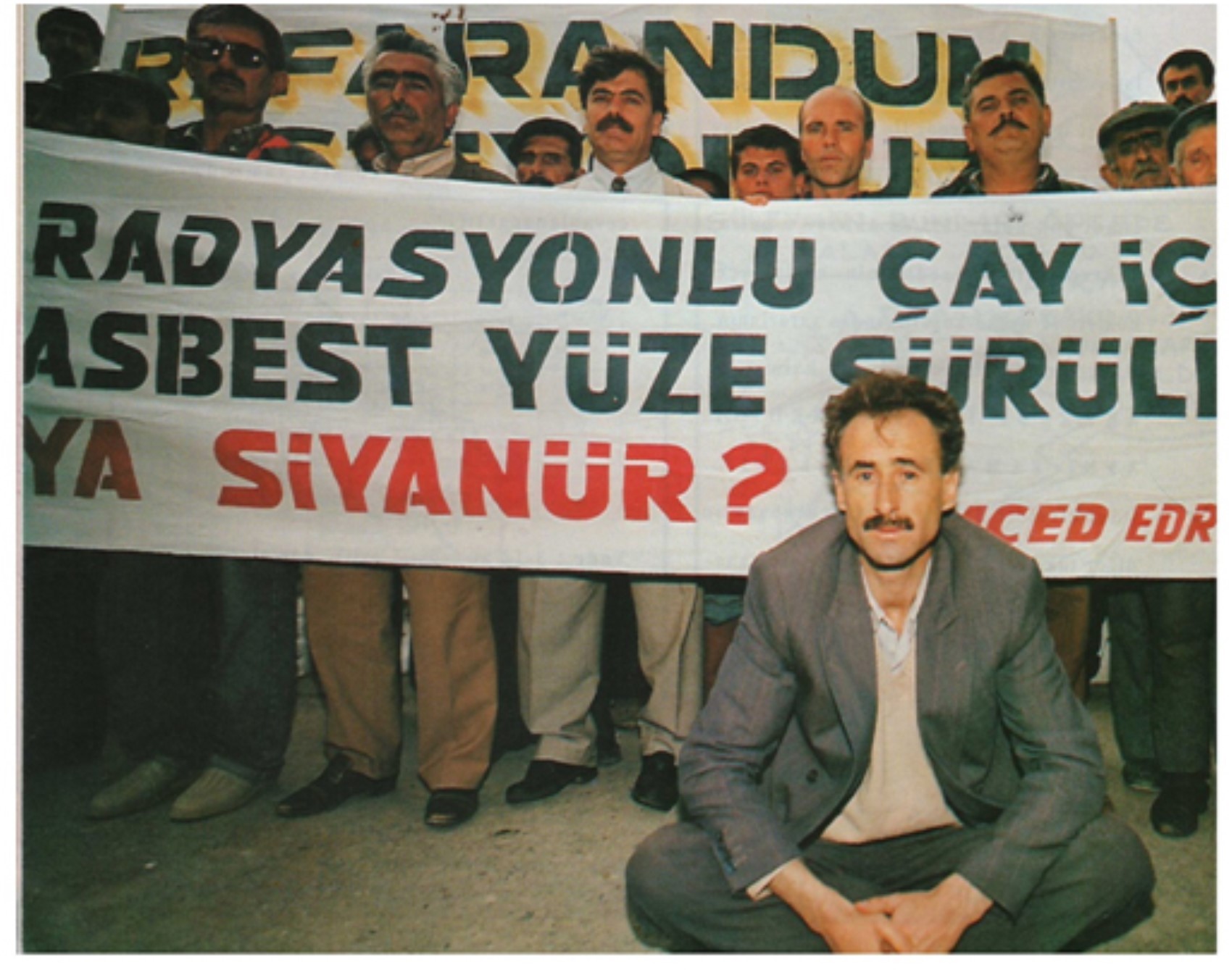
(Residents of Havran opposing the cyanide gold mine)
However, EL DORADO, the owner of TÜPRAG, which wanted to operate the Havran-Küçükdere gold mine, was monitoring the developments in Bergama.
Despite all the initiatives of the people of Bergama and their scientific, social, and legal struggle, a clique within the state apparatus in Ankara was determined to operate the mine.
Foreign companies looking to establish cyanide gold mining operations in many such places across Anatolia, along with the local companies that would collaborate with them, were eagerly awaiting the decision and stance the state would take in Bergama.
The smell of cyanide is like almonds and its taste is poison, but gold dazzles the eyes.
The Council of State's ruling that this mine could not be operated was not implemented in Bergama due to illegal attitudes and methods.
They were that hungry for gold!
Despite warnings from legal experts and rulings by the Council of State and local courts, the Ovacık-Bergama mine was operated by repeatedly opening and closing it.
In the meantime, the cyanide-using company EUROGOLD, which had descended upon Bergama, passed from the hands of the French to the Australians, and later to the American company NEWMONT.
When the Americans realized they could not cope with the people of Bergama, they transferred the company to the local KOZA company.
KOZA, which was previously involved in the invitation card business, operated the Bergama mine through pressures that reached the level of attacks on environmentalists by paid security guards who could be described as a militia.
KOZA later belonged to Akın İpek, who was accused of being a member of FETÖ, assisting in a military coup, and treason, and who subsequently fled abroad.
It was as if KOZA had been prepared for this task by invisible hands.
What does printing and selling invitation cards have to do with cyanide mining!
KOZA, which operated the Bergama Ovacık mine through a thousand and one pressures, purchased the Balıkesir Havran mine from TÜPRAG.
It operated the gold mining activities in the region using the open-pit method between November 2006 and March 2010.
No tailings pond was built at the mine in Havran to collect the toxic waste that would remain after the ore was treated with cyanide and the gold was extracted.
During this period, 3.5 million cubic meters of excavation were carried out, and 1.7 million tons of ore were sent to Ovacık in Bergama for processing.
After all, both operations belonged to KOZA, and there was already a toxic waste dam there.
Huge trucks shuttled back and forth between Havran and Bergama.
In Ovacık, new waste dams were built next to the one originally constructed only for the mine there.
Poison piled upon poison!
In Havran, however, the soil known as tailings, which contains no ore but likely holds various toxic heavy metals, remained in the region.
In Havran, the toxins that have dissolved or will dissolve with the rainfall are waiting to join the local groundwater and streams.
***
This is the state of our country, or in the old expression, its "sorry and pitiful" situation.
Some collect leftovers from the marketplace out of hunger,
Some live in the lap of luxury,
Some poison the soil and play with gold,
Some think this means the country is wealthy,
And some resist to protect their lives and their environment.
This cannot be our destiny!
(Sources: TEMPO Magazine. No=2819. pp.28-34/Istanbul-May 1993.///
https://yesilgazete.org/altin-madencileri-yine-kaz-daginda-ormanlari-siyanure-bogacak-proje-bugun-gorusuluyor///
https://www.birgun.net/haber/fatsa-yi-bitirdi-balikesir-e-goz-dikti-423406)///
https://ekolojienstitu.org/wp-content/uploads/2024/06/Altin_madenleri_kapatilsin_Siyanurle_Olumun_Ekoloj_240620_131711.pdf?utm_source=chatgpt.com ///
https://artigercek.com/makale/kaz-daglarinda-altin-madenlerine-karsi-mucadele-surerken-29-yeni-ruhsat-verdiler-108720?utm_source=chatgpt.com ///
https://www.birgun.net/haber/fatsa-da-doga-mucadelesi-kazandi-altin-madeni-sirketinin-ruhsat-uzatim-talebi-iptal-edildi-503471)
Sefa Taşkın
06/15/2025
Karşıyaka-Bergama/Izmir
Most Read

Striking picture for Özgür Özel's 'New Party'

The PKK opening and Özgür Özel’s path!..

How did the newspapers view Özgür Özel's farewell to the CHP?

He killed his wife by slitting her throat: Their children witnessed the moments

What did the CHP do?

Özel’s new party move in the world press

Fire at TUSAŞ engine factory in Eskişehir under control

The New CHP, against CEHAPE

From self-efficacy to despair

Kılıçdaroğlu's first message on Özgür Özel's new party announcement