

The memory notebook of a 'coup plotter's son': What did the 'May 21st group' experience?
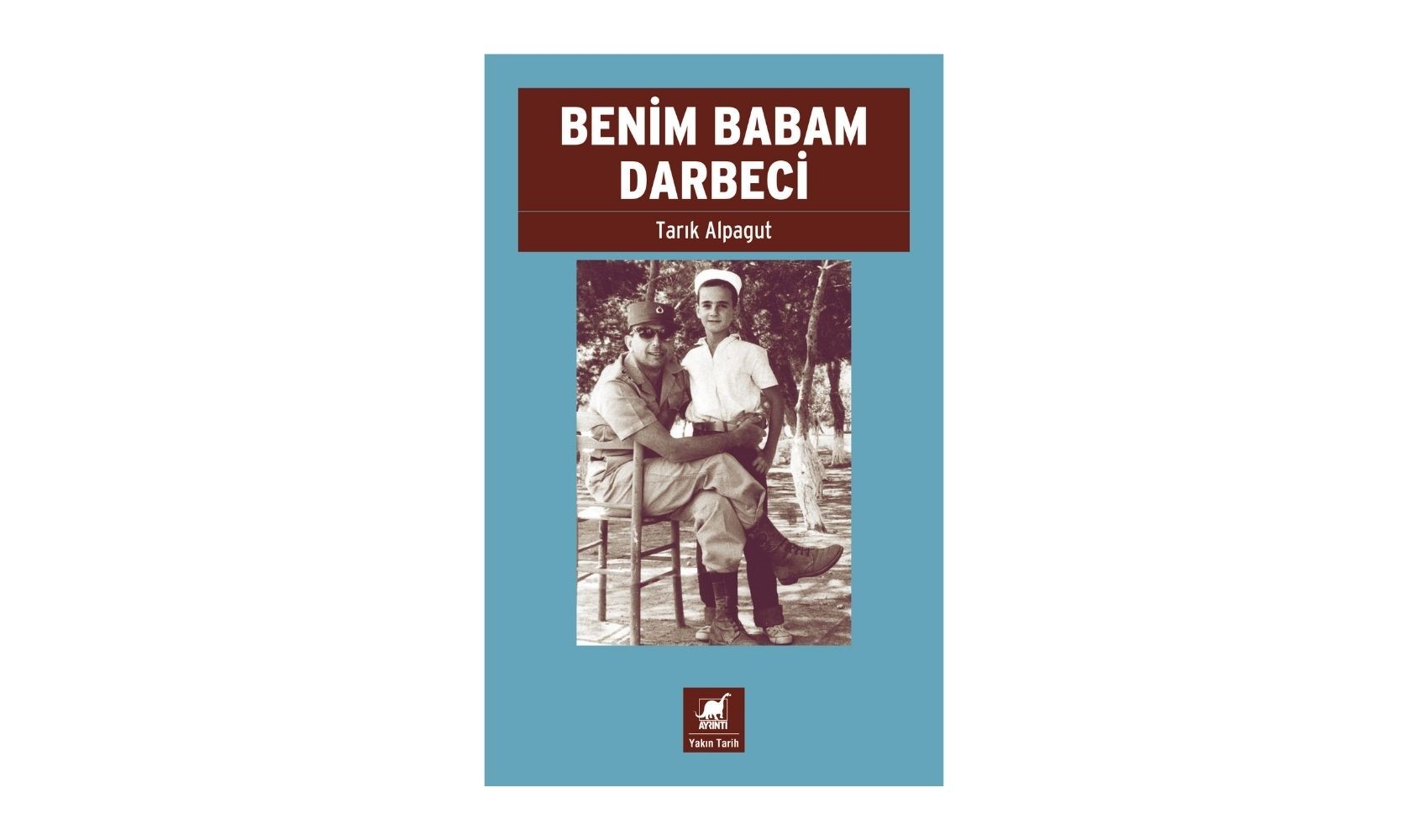
Tarık Alpagut, author of the book "My Father Was a Coup Plotter," recounts the events surrounding the coup attempts led by Talat Aydemir and his father, Turgut Alpagut.



Interview: Sercan Meriç
Turkey's political history is often read through the lens of military interventions, trials, and power struggles; hidden behind these great storms are the testimonies of families and children whose lives were fundamentally altered. Tarık Alpagut, author of the book "My Father Was a Coup Plotter" published by Ayrıntı Yayınları, has penned this testimony with complete transparency. As the son of Colonel Turgut Alpagut, a key figure in the group known as the "May 21st plotters," Tarık Alpagut presents his father's experiences in prison to readers in light of the letters he sent home. We spoke with Mr. Tarık about what kind of neighbor Talat Aydemir was, what his mother experienced during her meeting with Nazmiye Demirel, the wife of Süleyman Demirel, while his father was being tried for treason, and his own childhood and university years.
In your book "My Father Was a Coup Plotter," you tell the story of your father, Turgut Alpagut, and your family, who, along with Talat Aydemir, attempted a coup after May 27th. How would you describe those times?
After 1980, there was none of the luxury, splendor, high income, officers' clubs, social facilities, or discounted shopping opportunities that were felt so intensely during the times when true military tutelage was prevalent in Turkey. We grew up as the children of a normal civil servant.
What kind of soldier was your father?
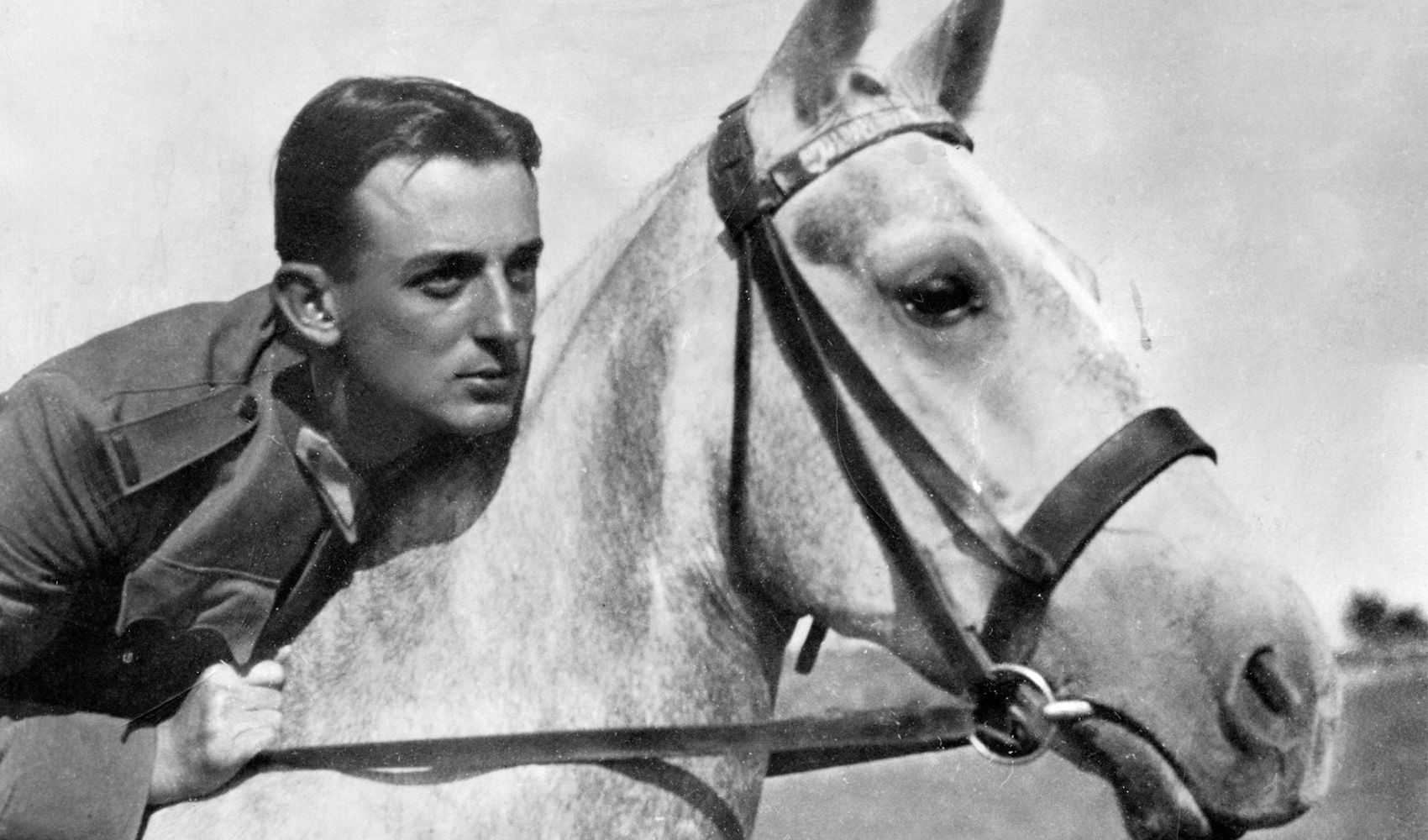
My father joined the army in 1940. Although he was supposed to join in '41, due to the Second World War, they sent him to the front early—it was called "going to the field" back then—and sent him to the Bulgarian border. My father was originally a cavalry officer. He was a student among the Military Academy units waiting at the station before Mustafa Kemal Atatürk's body was brought from Dolmabahçe to the catafalque in Ankara. He was very Kemalist, in love with my mother, a very good soldier, and intelligent... Later, he became a staff officer. If they hadn't embarked on these ventures, I believe he could have been the future Commander of the Land Forces or even Chief of General Staff. Because he was a staff colonel at just 39 years old. He was a good soldier, honest, and honorable.
Along with your father, Fethi Gürcan and Talat Aydemir were actually the leaders of these coup attempts. What ideals do you think your father was pursuing during the process of initiating this operation?
I also studied political science; I am a graduate of Mülkiye. Of course, I was a child during my father's processes, but a very short time later I grew up and finished university. I tried to explain this to Mr. İlbay (Kahraman) as well. People who participated in the February 22nd and May 21st movements were also in contact with leftist circles at that time. The Yön movement of the Doğan Avcıoğlu group, etc. These were my father's good friends. The Yön movement was a top-down leftist movement later formed by progressive leftist journalists of the era like İlhan Selçuk and Uğur Mumcu. They were very interested in my father and his colleagues. However, until they entered prison and were left to their own devices, I did not witness them consciously reading any leftist literature, including Talat Aydemir, Fethi Gürcan, and my father.
Your older brother, who brought Marxist classics to the prison, was actually...
Of course, of course... My brother was studying Economics at METU. We had every book ending in '-ism' in our house, starting with 'The Fundamental Principles of Philosophy.' These men also started reading once their trial process ended and they began living the prison life. One shouldn't have expected too much, but if they had attempted the same movement five years after entering prison, they would have been attempting a genuine leftist military coup.
After news broke that your father was a coup plotter—and you were also neighbors with Talat Aydemir—there were teachers who gave you 'certificates of honor' during your education in those difficult times...
That was something truly incredible. We lived a neighborhood life... in the Emek neighborhood of Ankara. Not only did I not receive the slightest negative reaction, but I was met with compassion. At that time, I couldn't take exams for nine subjects, and all the teachers gave me a 10 for the exams I didn't even take. And my father was a coup-plotting officer who tried to overthrow the government. If you compare it with people's behavior today, I suppose you can understand how significant that was.
Well, Talat Aydemir, the leader of the coup attempt, was your neighbor. He was later executed. What kind of person was Aydemir?
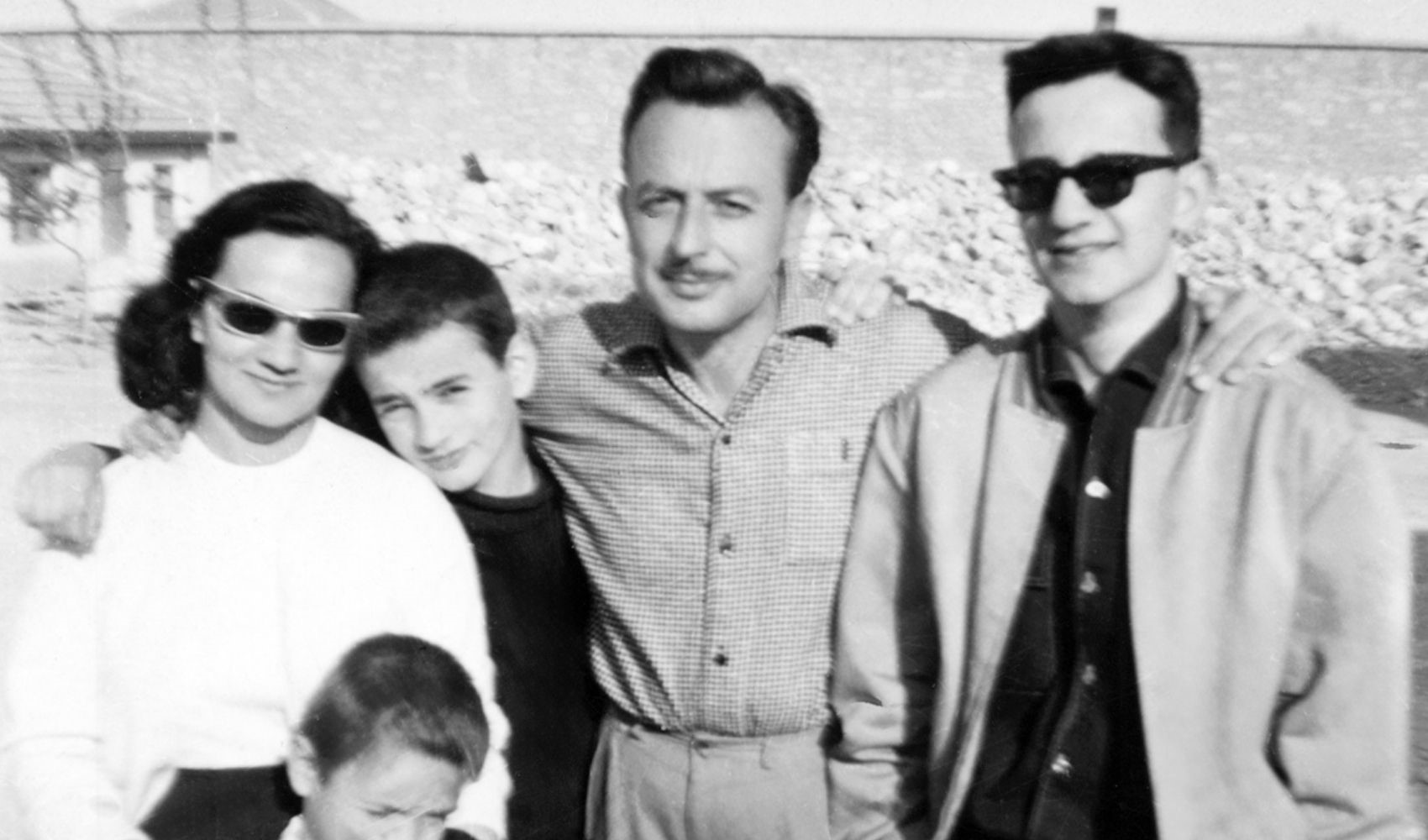
For one thing, he was reserved, of course. He was my father's commander. For instance, Talat Bey would address my father as 'Turgut,' but my father would call him 'Commander' or 'Colonel.' Talat Bey was extremely quiet, calm, had an affectionate gaze, and loved us when he saw my brother and me. We had a classic neighborly relationship. I never saw Talat Bey walking around with a pistol at his waist or slamming his fist on the table like the Committee of Union and Progress members. He was a gentleman, that's how I remember him.
Your father first enters prison in Mamak, then is transferred to Konya, and subsequently returns to Üsküdar. Naturally, you were growing up during that time, transitioning from adolescence to university. What do you remember about that period?
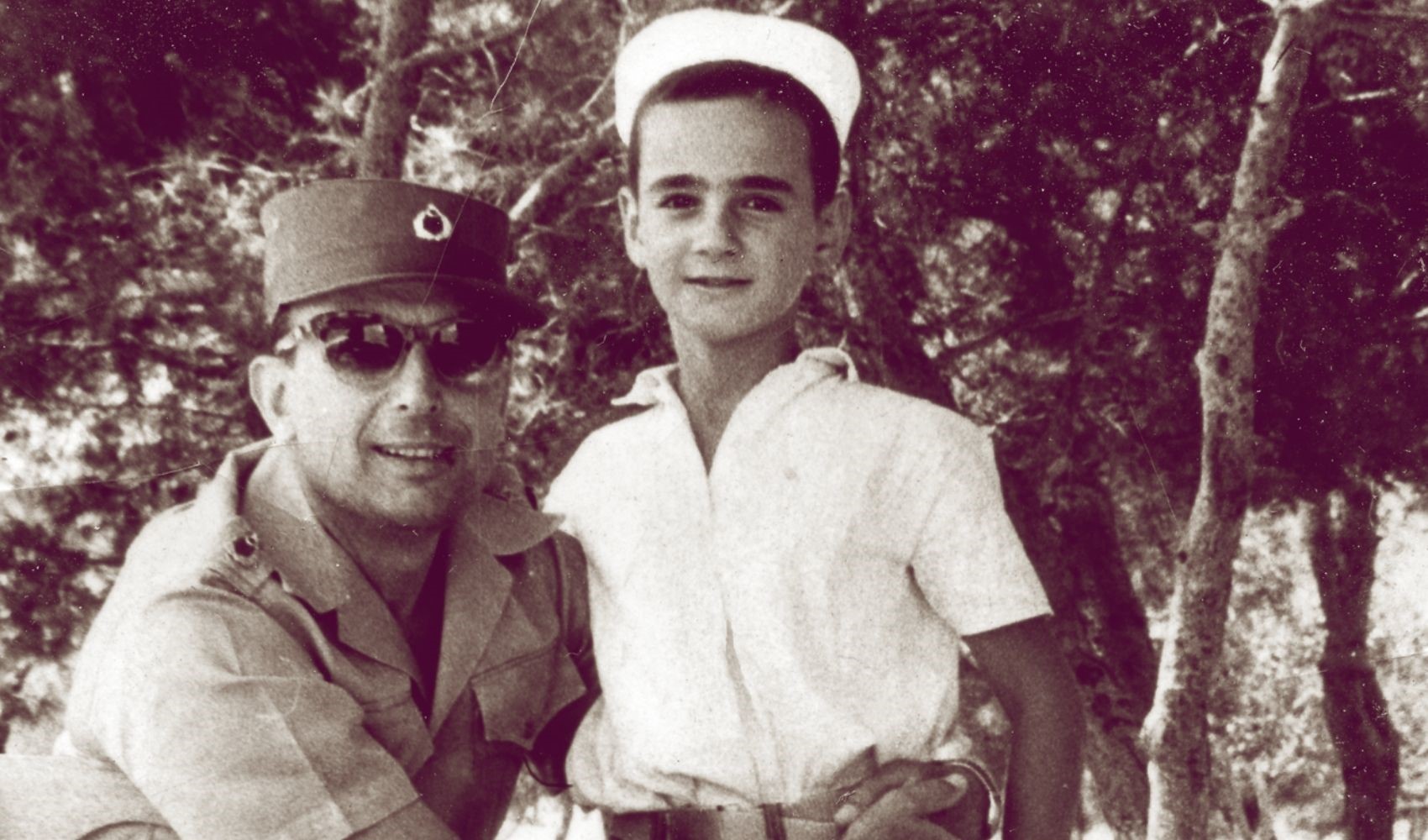
Even though I graduated from Mülkiye (Faculty of Political Sciences), I earned my living in a different way. I became a television professional, a television director. Therefore, we call this 'framing'—making a picture is about creating a frame on camera. There are such images in my mind regarding the time you mentioned. But the main motivation, of course, was the prison letters. Because this book is a very important document showing how a man struggling for his life took care of his family. It is magnificent that my father, even while being tried for his life, constantly wrote letters to my mother and us, trying to keep our spirits up by saying, 'Don't worry, children, everything will be just fine.'
One of the most striking elements in the book is your mother's meeting with Nazmiye Hanım, the wife of Süleyman Demirel...
This should be called an act of female solidarity. The spirit of the times was not this ruthless, Mr. Sercan. In the 60s and 70s, even though it might have seemed like people in politics were trying to gouge each other's eyes out, society was not this cruel back then. I mean, the wife of a right-wing—and a very right-wing at that—Prime Minister could embrace and cry with the wife of a coup-plotting officer who had attempted to overthrow her husband's government. My uncles and aunts were lawyers from Ankara University Faculty of Law, and they had contacts with Demirel's private secretary. An appointment was made. That is how my mother went...
After your father was transferred to Üsküdar, he would go on little escapades. When he went in for a prostate check-up, there is a phrase in one of his letters that says: "What İnönü couldn't do, the doctor did." Your father was actually an officer with a strong sense of humor.
The level of romanticism in the letters he wrote to my mother is also very high. Between 2002 and 2003, I directed a four-part drama based on Sait Faik Abasıyanık's work "Havada Bulut" (Clouds in the Air). So, I know Sait Faik well. I sometimes catch a whiff of Sait Faik in my father's letters. There are pages and pages of his handwriting, more than you could ever believe.
You say, "I think prisons are a mirror of a country's political, social, cultural, and economic situation. We have experienced concrete examples of this in Turkish history; Yassıada, Selimiye, Mamak, Diyarbakır, Silivri, and many others. It is understood that during the nearly 5 years my father spent in prison, Turkey was a country with much less tension, closer to democracy, and with stronger social peace compared to today." As a former Mülkiye graduate and a former member of Dev-Genç, what would you like to say about this?
Every prison mentioned symbolizes a specific era. We know the era symbolized by Diyarbakır under Esat Oktay Yıldıran. The era of Mamak during the September 12 period with Raci Tetik... Silivri, for example, is the work of this last 23-year government. There was no such thing for my father's generation. My father's entry into prison does not symbolize an era. All prisons in Turkey were the same back then. After '71, the symbolic meaning of these prisons began to increase significantly. The Mamak where my father was held had nothing to do with the Mamak where leftists were held later on. They were comfortable in the Konya and Istanbul Toptaşı prisons. They had not yet been turned into centers of torture.
Did your father have a role in the process leading up to March 9-12, 1971?
No, he had no role. After my father was released from prison, he met the left. He became very good friends with İlhan Selçuk and Uğur Mumcu. Strangely enough, he felt he had to earn money. A citizen who had served as a soldier under my father while he was on duty at his barracks founded the Birtat Yoğurt Factory. He said, "Commander, I need an honest person; will you manage the factory?" And my father started working there. Every evening, he would go to the old office of Cumhuriyet in Ankara. His best friend, for instance, was the office manager and painter Fikret Otyam. For about a year or two, his articles were published in the "Thoughts of Thinkers" column on the second page of Cumhuriyet newspaper. He never broke away from politics, but he never got involved in military coup business again.
News Source: 12punto
Most Read

Striking picture for Özgür Özel's 'New Party'

The PKK opening and Özgür Özel’s path!..

How did the newspapers view Özgür Özel's farewell to the CHP?

He killed his wife by slitting her throat: Their children witnessed the moments

What did the CHP do?

Özel’s new party move in the world press

The New CHP, against CEHAPE

Fire at TUSAŞ engine factory in Eskişehir under control

From self-efficacy to despair

Kılıçdaroğlu's first message on Özgür Özel's new party announcement