

A first for Turkey! Volcano preparing to erupt
Scientists have discovered 8 magma chambers at a depth of 5 kilometers in the Earth's crust in the Kula district of Manisa. It is stated that there is a risk of the largest chamber becoming active. Scientists emphasized that volcanic activity must be monitored.



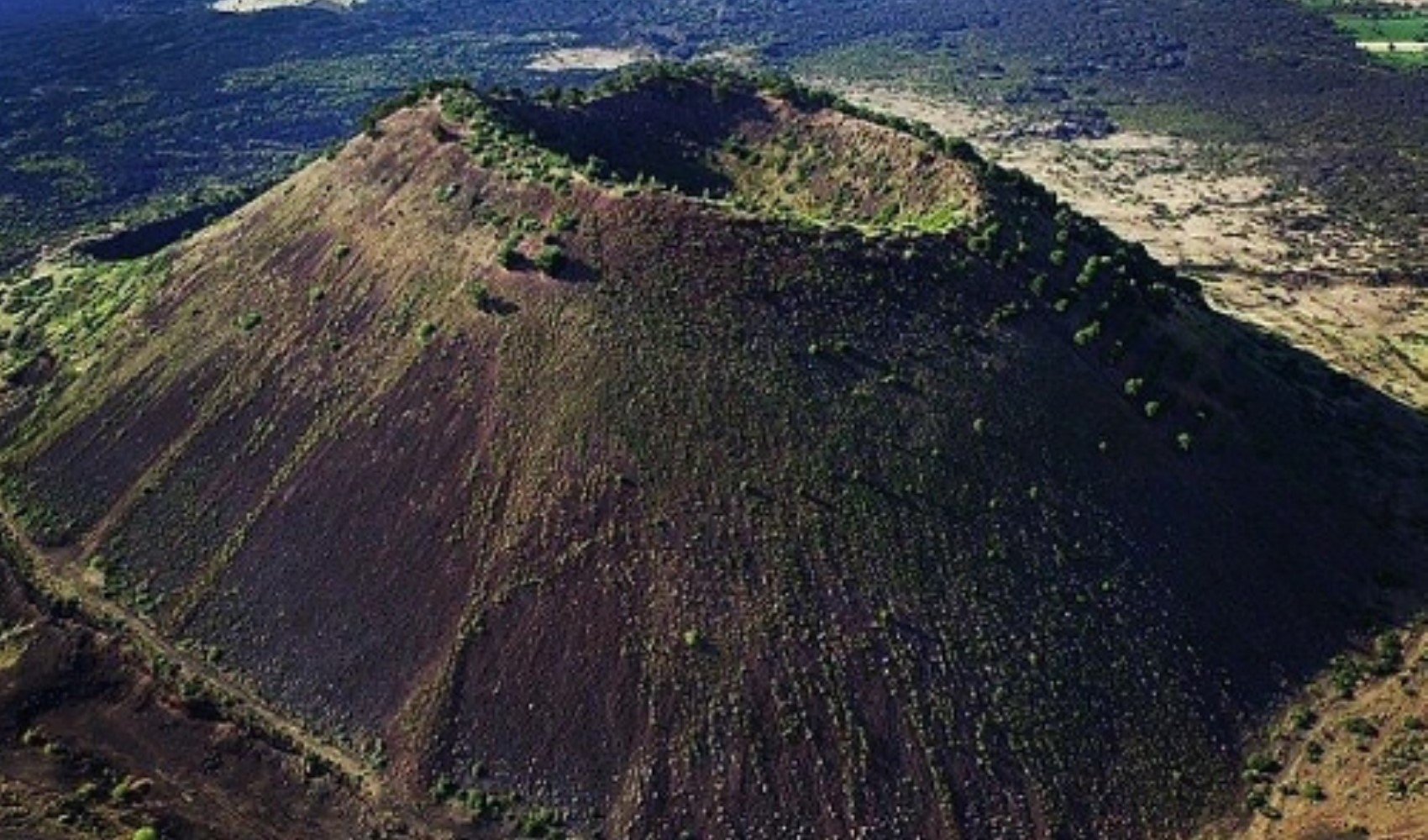
In a TÜBİTAK-supported project led by Prof. Dr. Özgür Karaoğlu from Eskişehir Osmangazi University and his team, research conducted at the Kula-Salihli Geopark has yielded remarkable results. Stating that they have confirmed the existence of a large magma mass at a depth of 5 kilometers from the surface, Karaoğlu said, "This magma mass has intruded toward the surface and is also heating the geothermal systems in the region."
KATAKEKAUMENE: THE HISTORICAL AND SCIENTIFIC IMPORTANCE OF THE 'BURNT COUNTRY'
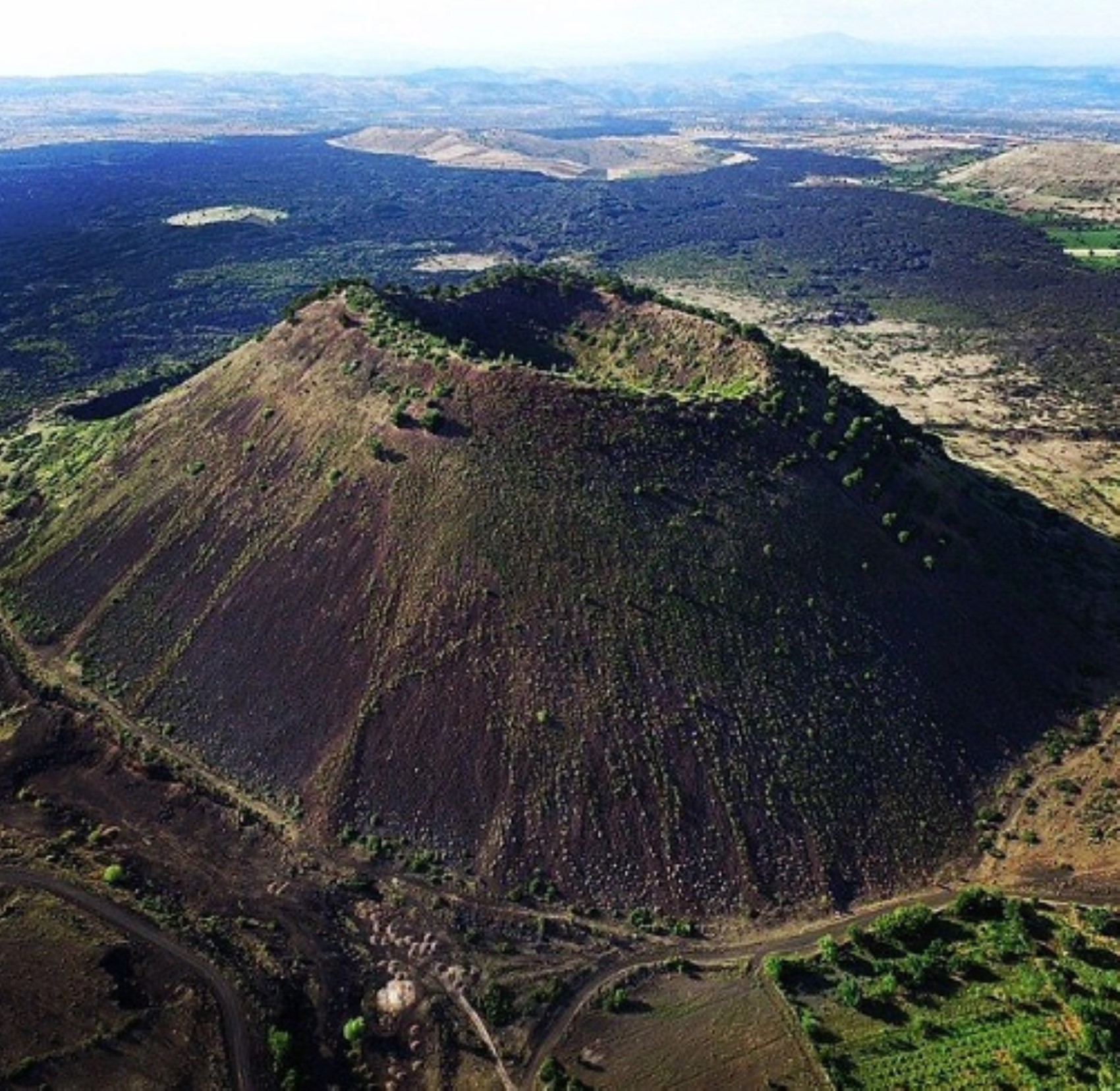
This region, which the historian Strabo called 'Katakekaumene' (Burnt Country) in his work Geographika, is known today as Turkey's only geopark registered by UNESCO for both its natural and historical values. Famous for its volcanic hills, seas of rock formed by lava flows, and hot springs, the Kula-Salihli Geopark serves as a natural laboratory that attracts not only tourists but also scientists.
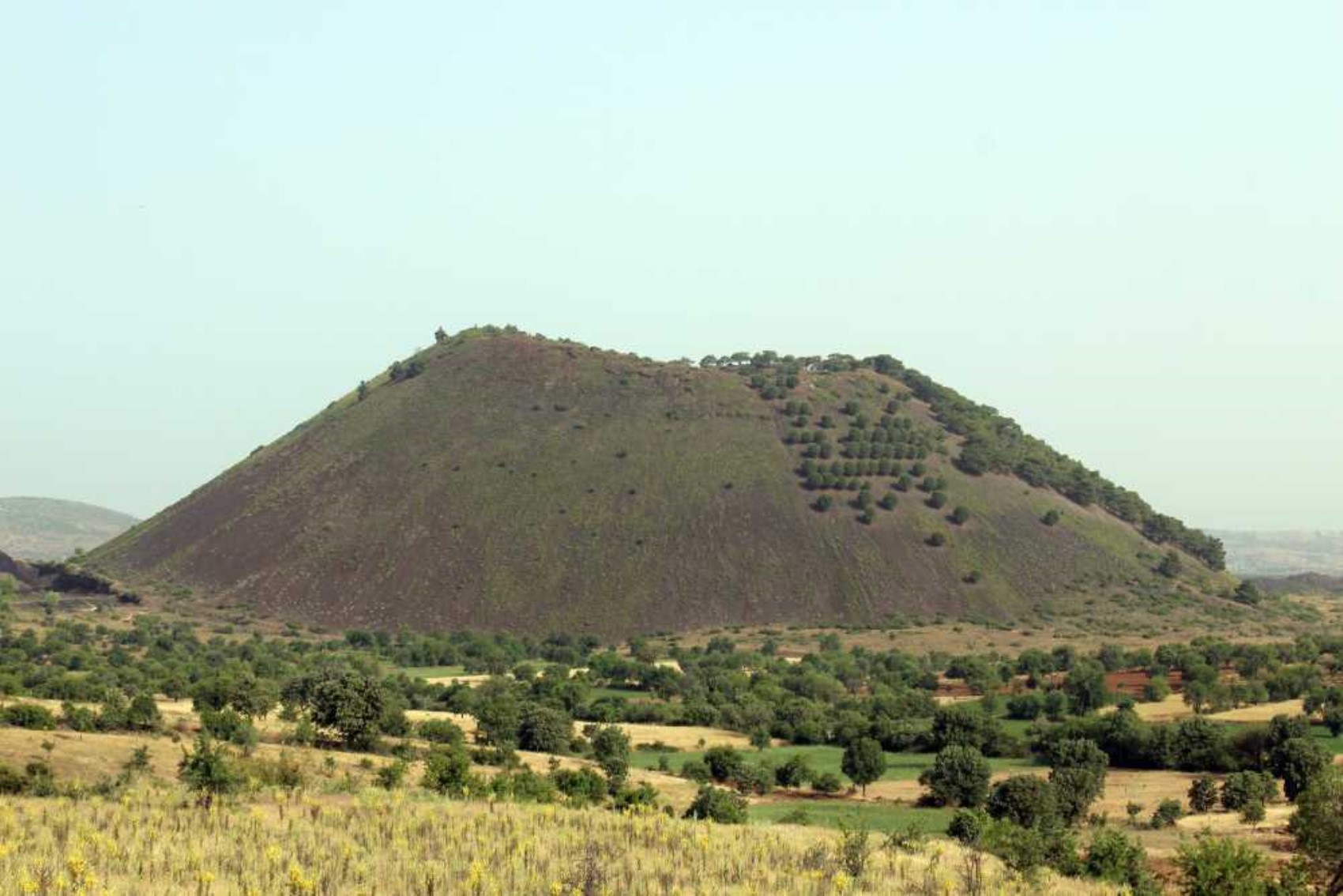
8 MAGMA CHAMBERS DISCOVERED
Prof. Dr. Karaoğlu and his team, along with 12 scientists from Ankara University, Eskişehir Technical University, and Afyon Kocatepe University, continued their work over an area of approximately 10 thousand square kilometers. As part of this research, 15 specialized seismometers were installed, and 8 magma chambers were detected at depths of 5 to 30 kilometers below the Earth's crust.
The largest magma chamber is located just 5 kilometers from the surface. Scientists assess that this depth could lead to a risky eruption if volcanic activity is triggered. In particular, active fault lines in the region and potential earthquakes increase the possibility of magma rising to the surface again.
POSSIBILITY OF RE-ERUPTION AFTER 4 THOUSAND 700 YEARS
Stating that the last volcanic activity in the Kula region occurred 4 thousand 700 years ago, Karaoğlu said, "The proximity of the magma chambers we identified to the surface and their alignment indicate that the probability of them becoming active again is high." He emphasized that active fault lines in the region could trigger the magma and that a new volcanic eruption is possible.
A FIRST IN TURKEY
Prof. Dr. Bülent Kaypak from the Department of Geophysical Engineering at Ankara University stated that the methods used within the scope of the project are a first in Turkey. Kaypak noted that they mapped the underground magma chambers using earthquake data and that this study would provide significant contributions in both scientific and economic terms. He expressed that these findings could play a critical role in guiding geothermal research.
CONCLUSION: REACTIVATION IS POSSIBLE
Considering the activity of the fault lines in the region and the stresses in the Earth's crust, there is a risk that the magma mass, which has intruded to a depth of 5 kilometers, could reactivate and rise to the surface. Scientists say that volcanic activity in the region must be monitored and that these geological movements could have significant consequences in the coming years.
As much as Kula's history and nature, its mysterious magma chambers could once again bring the region to the world's agenda with potential future volcanic movements.
News Source: 12punto
Most Read

Striking picture for Özgür Özel's 'New Party'

The PKK opening and Özgür Özel’s path!..

How did the newspapers view Özgür Özel's farewell to the CHP?

He killed his wife by slitting her throat: Their children witnessed the moments

What did the CHP do?

Özel’s new party move in the world press

Fire at TUSAŞ engine factory in Eskişehir under control

The New CHP, against CEHAPE

From self-efficacy to despair

Kılıçdaroğlu's first message on Özgür Özel's new party announcement