

CHP poses 'unsolved' questions to Minister of Justice Gürlek
CHP's Sezgin Tanrıkulu has submitted a parliamentary question to the Grand National Assembly of Turkey (TBMM) for Minister of Justice Akın Gürlek to answer regarding unsolved murders and suspicious death cases that have remained unresolved for many years. Citing the cases of Çağla Tuğaltay and Rojin Kabaiş, Tanrıkulu requested an explanation regarding the inability to decrypt digital evidence, delays in investigations, and deficiencies in technical infrastructure.



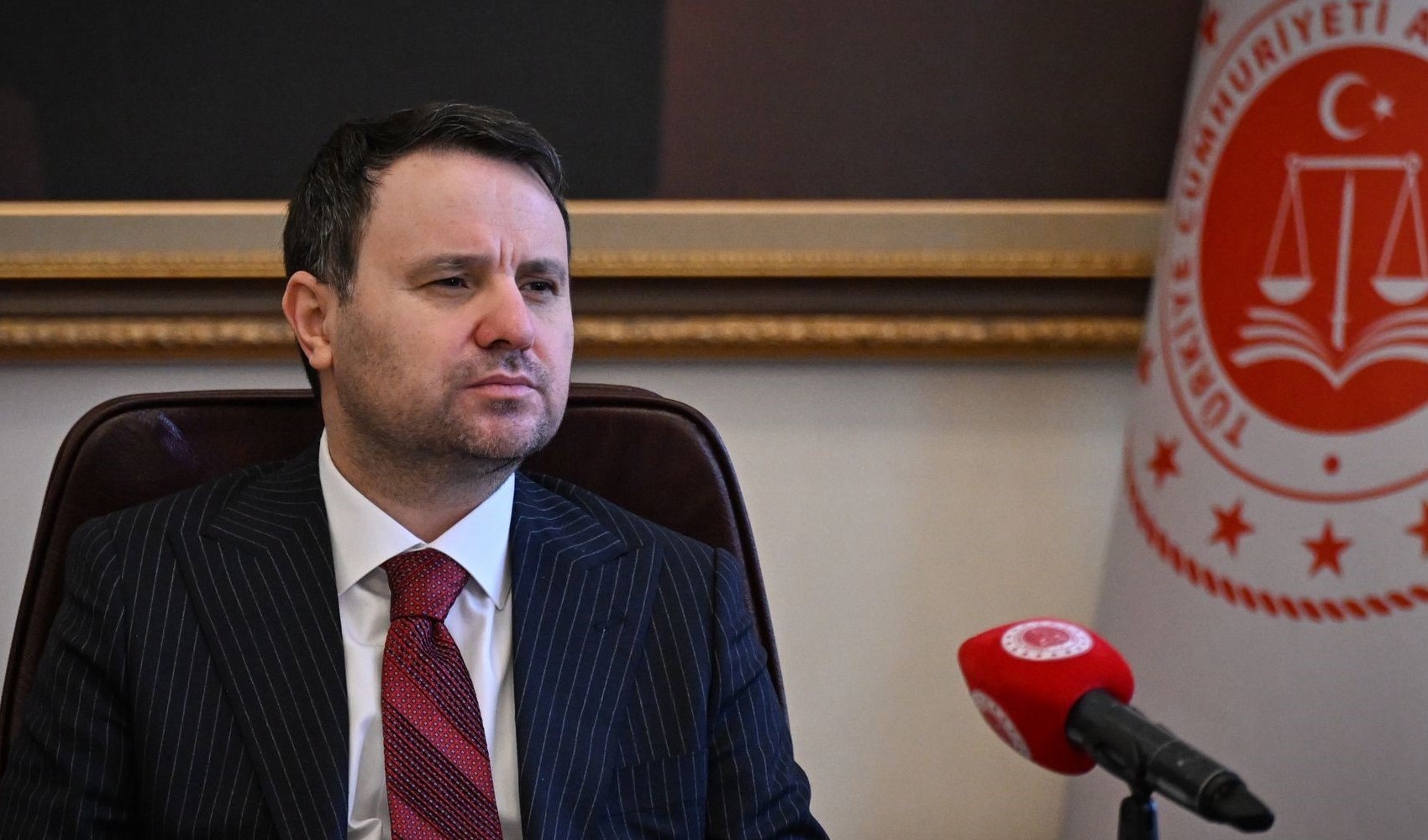
CHP Deputy Chairman and Diyarbakır MP Sezgin Tanrıkulu has submitted a written parliamentary question to the Office of the Speaker of the Grand National Assembly of Turkey (TBMM) for Minister of Justice Akın Gürlek to answer regarding "unsolved" murders and suspicious death cases.
In his motion, Tanrıkulu drew attention to cases that have remained unresolved for many years, asking, "What is the number of murder and suspicious death cases recorded as 'unsolved' across Turkey in the last 30 years? Has an assessment been made regarding whether the course of the investigation in the Rojin Kabaiş case was delayed due to the inability to decrypt digital data?"
Tanrıkulu included the following assessments in his motion:
"In many murder and suspicious death cases that have reached the public eye in Turkey in recent years, it is observed that investigations cannot be concluded for many years, and some files can only be brought back to the agenda through public pressure or the individual efforts of families. For example, in the case of Çağla Tuğaltay, who was murdered in 2000, DNA examinations and exhumation procedures were brought to the agenda again 26 years later; in the Rojin Kabaiş incident, international technical processes were needed to access digital evidence; and in the Kübra Yapıcı murder, allegations that family members were actively involved in the evidence collection process were reflected in the public sphere.
These and similar events raise serious questions about the effectiveness of investigation processes, evidence collection and analysis capacity, the fate of unsolved files, and the competence of judicial authorities to act ex officio. In particular, allegations that murder files that cannot be clarified for a long time are 'effectively left in limbo' and only reconsidered in exceptional circumstances undermine the principle of the rule of law and public trust in justice."
UNRESOLVED CASES ON THE AGENDA
In his parliamentary question, Tanrıkulu specifically drew attention to the Çağla Tuğaltay and Rojin Kabaiş files. A detailed explanation was requested regarding DNA examinations, the decryption of digital evidence, and investigations that have come back to the agenda years later.
DIGITAL EVIDENCE AND TECHNICAL INFRASTRUCTURE QUESTIONED
The motion also raised the issue of why technical facilities abroad were sought to examine digital data. Questions were asked about whether there is a technical infrastructure in Turkey capable of decrypting such data and whether the technical inadequacies experienced lead to delays in investigations.
The questions Tanrıkulu directed to Minister Gürlek are as follows:
- What is the number of murder and suspicious death cases recorded as 'unsolved' across Turkey in the last 30 years?
- How many of these have yet to be concluded?
- What is the reason why DNA examinations and exhumation (fethi kabir) procedures in the case of Çağla Tuğaltay, who was murdered in 2000, have only come to the agenda today, despite the 26 years that have passed?
- Has any administrative or judicial action been initiated against those responsible for the failure to conduct or the inadequate conduct of DNA examinations in the said file at the time the incident occurred?
- Has it been investigated whether there was any loss of evidence over the years in the Çağla Tuğaltay murder?
- Is there any negligence identified in this regard?
- What is the reason for applying to foreign countries (such as Spain and China) for the decryption of digital evidence in the Rojin Kabaiş incident?
- Why is there no technical infrastructure in Turkey capable of decrypting such digital data?
- Has it been determined that there are delays in investigations due to these technical inadequacies experienced in the decryption of digital evidence?
- Has an assessment been made regarding whether the course of the investigation in the Rojin Kabaiş file was delayed due to the inability to decrypt digital data?
- What are the structural problems that cause investigation processes to span many years in both the Çağla Tuğaltay and Rojin Kabaiş files?
- Does your Ministry plan to establish a special 'delayed justice' review or audit mechanism for such files that are reconsidered after many years?
News Source: 12punto
Most Read

Striking picture for Özgür Özel's 'New Party'

The PKK opening and Özgür Özel’s path!..

How did the newspapers view Özgür Özel's farewell to the CHP?

He killed his wife by slitting her throat: Their children witnessed the moments

What did the CHP do?

Özel’s new party move in the world press

The New CHP, against CEHAPE

Fire at TUSAŞ engine factory in Eskişehir under control

From self-efficacy to despair

Kılıçdaroğlu's first message on Özgür Özel's new party announcement