

New constitution and new resolution process remarks from Erdoğan's chief advisor Mehmet Uçum
Mehmet Uçum, Deputy Chairman of the Presidential Legal Policies Board, stated in an article regarding new constitution efforts that "scenarios of creating a new constitution without a referendum have no democratic or legal value." Uçum also reacted to the linking of the new constitution with the new resolution process.



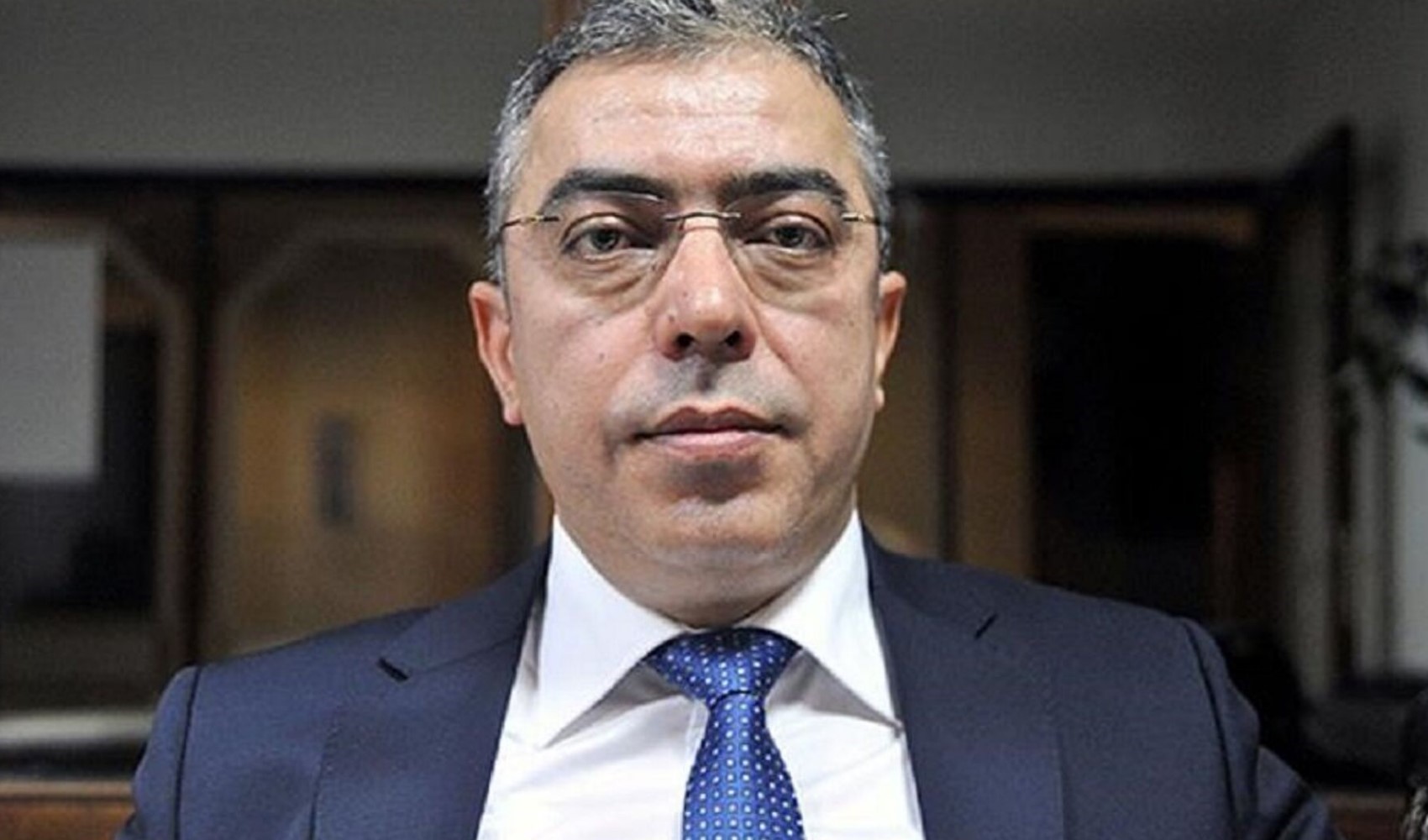
Mehmet Uçum, chief advisor to AKP Chairman and President Recep Tayyip Erdoğan, addressed new constitution efforts in his routine Sunday article.
In his article titled "Efforts to Distort the New Constitution Agenda," Uçum stated that a referendum must be held for a new constitution, declaring, "Scenarios of creating a new constitution without a referendum have no democratic or legal value."
Continuing his article, Uçum reacted to the linking of the new constitution with the new resolution process, which the government calls a "Terror-Free Turkey," stating, "Turkey's geographical integrity and political unity, that is, the unitary structure, is an indispensable principle. It is never possible for the unitary structure to be opened for discussion for political bargaining."
??SUNDAY ARTICLE
— Mehmet Uçum (@mehmetucum) July 6, 2025
EFFORTS TO DISTORT THE NEW CONSTITUTION AGENDA (2)
Today, regarding the attempts to harm the goal of a new constitution; the baseless claims put forward regarding the new constitution in connection with the transition to a Terror-Free Turkey, and the absurd view that the Grand National Assembly of Turkey (TBMM) cannot create a new constitution…
The full text of Uçum's article is as follows:
Today, we will address the attempts to harm the goal of a new constitution; the baseless claims put forward regarding the new constitution in connection with the transition to a Terror-Free Turkey, and the absurd view that the TBMM cannot create a new constitution.
1-) The biggest distortion is the lie that "the new constitution is a bargaining chip for the Terror-Free Turkey goal and is requested for a transition to a federal administration." The persistent promotion of this black propaganda is an intellectual provocation against the Terror-Free Turkey goal.
As is known, the Terror-Free Turkey goal is a state policy that has been put into effect unconditionally and without bargaining. It is also seen that it is proceeding as such.
With the İmralı call and the dissolution decision, the addressees of this goal have done what was requested. The next dimension is the practical realization of the consequences of the dissolution decision. It is understood that the practical processes are also being implemented.
It is becoming clearer every day that an irreversible path has been entered regarding the Terror-Free Turkey goal.
Throughout this entire process, the subject of a new constitution has never been mentioned as 'bargaining-linked' with the Terror-Free Turkey goal. In fact, no such bargaining exists in visible or factual reality. Therefore, there is nothing here but baseless claims.
Of course, ending the terror that has targeted the brotherhood and unity of Turks and Kurds for forty years, in every sense and on every platform, will lift the burdens on democratic politics. Ending the actions, language, tutelage, and organization of terror everywhere and under all conditions will make democratic politics in Turkey much stronger.
Most importantly, it is for the actors who have been freed from the tutelage of terror to gain the opportunity to engage in independent democratic politics. It is extremely important to know the value of this opportunity and to evaluate it correctly.
Furthermore, the conditions for implementing a new constitution will mature further under conditions where terror has ended.
However, linking all of this to the claim of bargaining to abandon the unitary structure in the new constitution is a complete lie. The goal is to undermine the Terror-Free Turkey objective that will carry Turkey to a new stage.
Yet, as has been emphasized many times with determination, the foundation of the new constitution is the Republic, the principles of the first four articles, and democratic accumulation. Turkey's geographical integrity and political unity, that is, the unitary structure, is an indispensable principle. It is never possible for the unitary structure to be opened for discussion for political bargaining.
2-) The claim that "the TBMM cannot create a new constitution" is a doctrinal reactionism.
It is not possible to agree with this view, which is put forward according to the distinction between the primary constituent power and the secondary constituent (established) power. This view has no normative validity; it is a positive (pertaining to what is) determination generally based on destructive examples such as coups and wars, and it is completely outdated. The ordinary-period constituent power approach was developed due to the inadequacy and legitimacy problems of this view.
Today, the distinction that is valid under ordinary conditions is between the people, who are the primary constituent will, and the parliament, which is the representative constituent will. Accordingly, the TBMM has been tasked and authorized by the people, who are the primary constituent will.
The will of the TBMM is not just a power will established by the current constitution. The will of the TBMM is not just a norm will arising from a constitutional norm.
The will of the TBMM is also a supra-normative representative will originating from the social and political representation of the people, who are the primary constituent, who existed before the current constitution and will exist after it.
The authority to create a new constitution arises from the task given to the TBMM, the representative constituent will, by the people as the primary constituent will, and it cannot be debated.
Furthermore, let us state that since the right to create a new constitution belongs to the people, it is mandatory for the legitimacy of the new constitution that the TBMM submits the new constitution it creates—regardless of the number of votes by which it is accepted—to the approval of the people, as required by the task given by the people.
Putting a new constitution into effect without the approval of the people, who are the sovereign, would be to usurp the people's right to create a constitution. For this reason, scenarios of creating a new constitution without a referendum have no democratic or legal value.
News Source: 12punto
Most Read

Houthis strike Saudi-owned tanker

4 drones shot down near US Consulate General in Erbil

It never ends: Another FETÖ memory
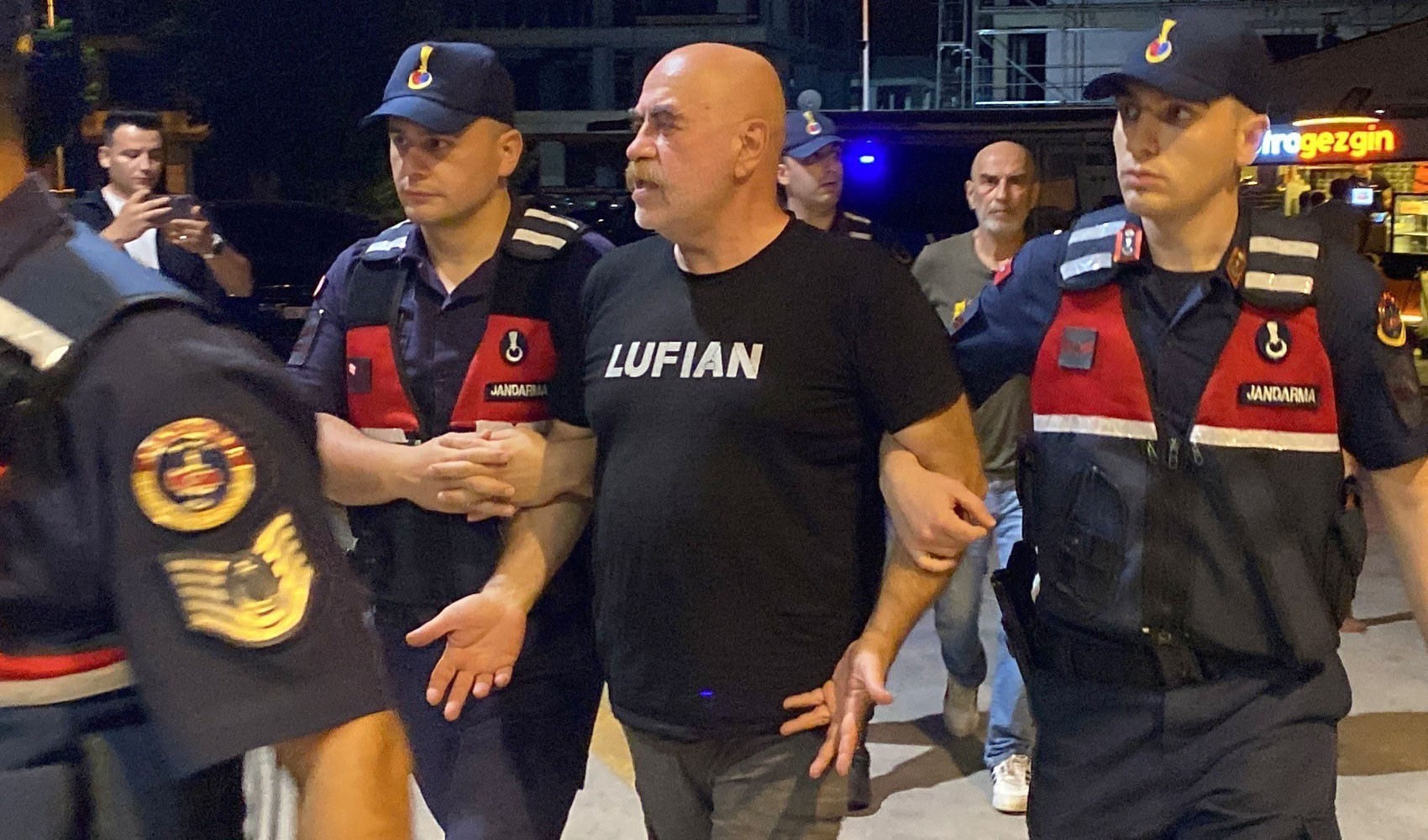
Famous director Ezel Akay and his brother have been detained

A mind fixated on leggings...
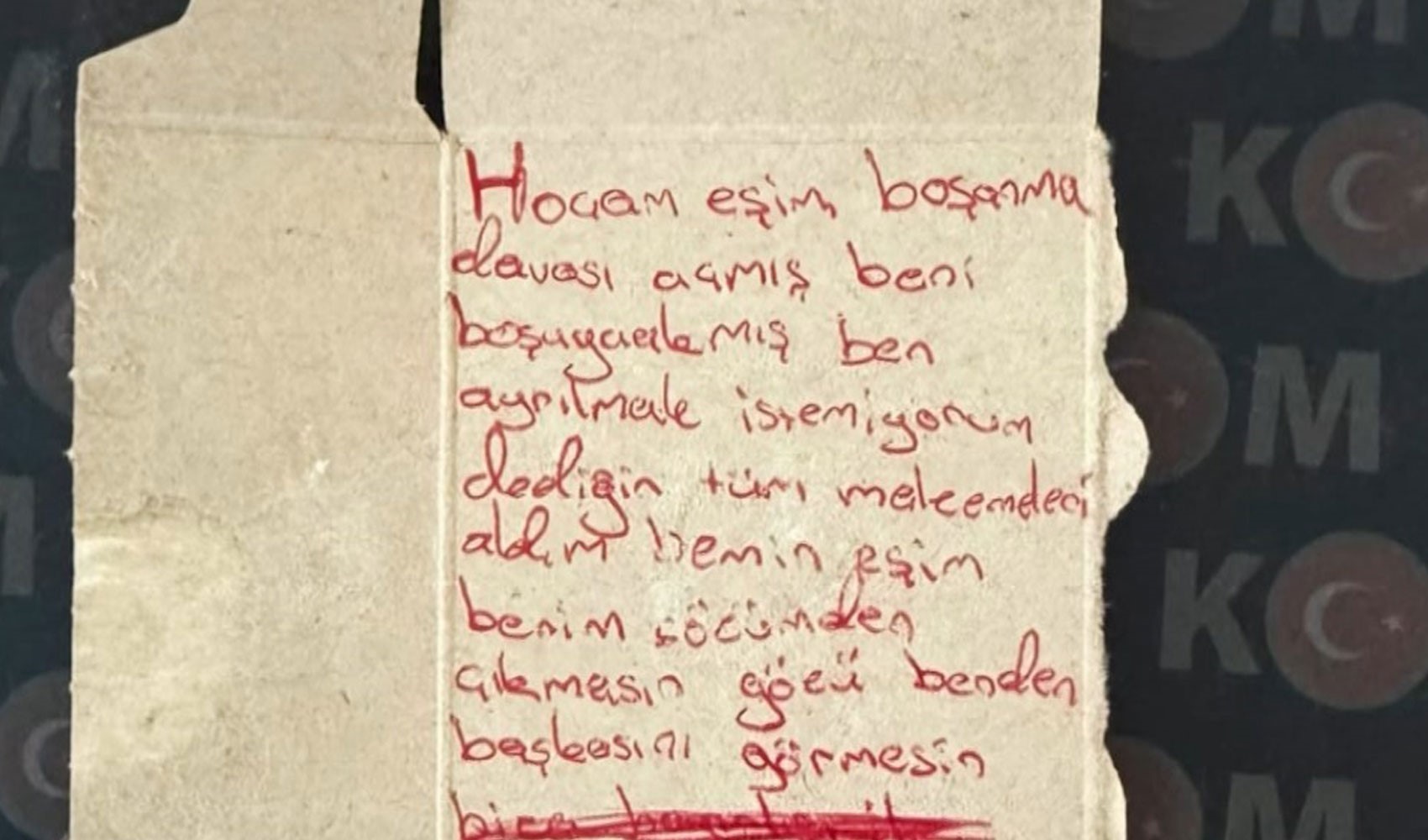
'Papers with spells and curses' operation: 'Master, my spouse filed for divorce'
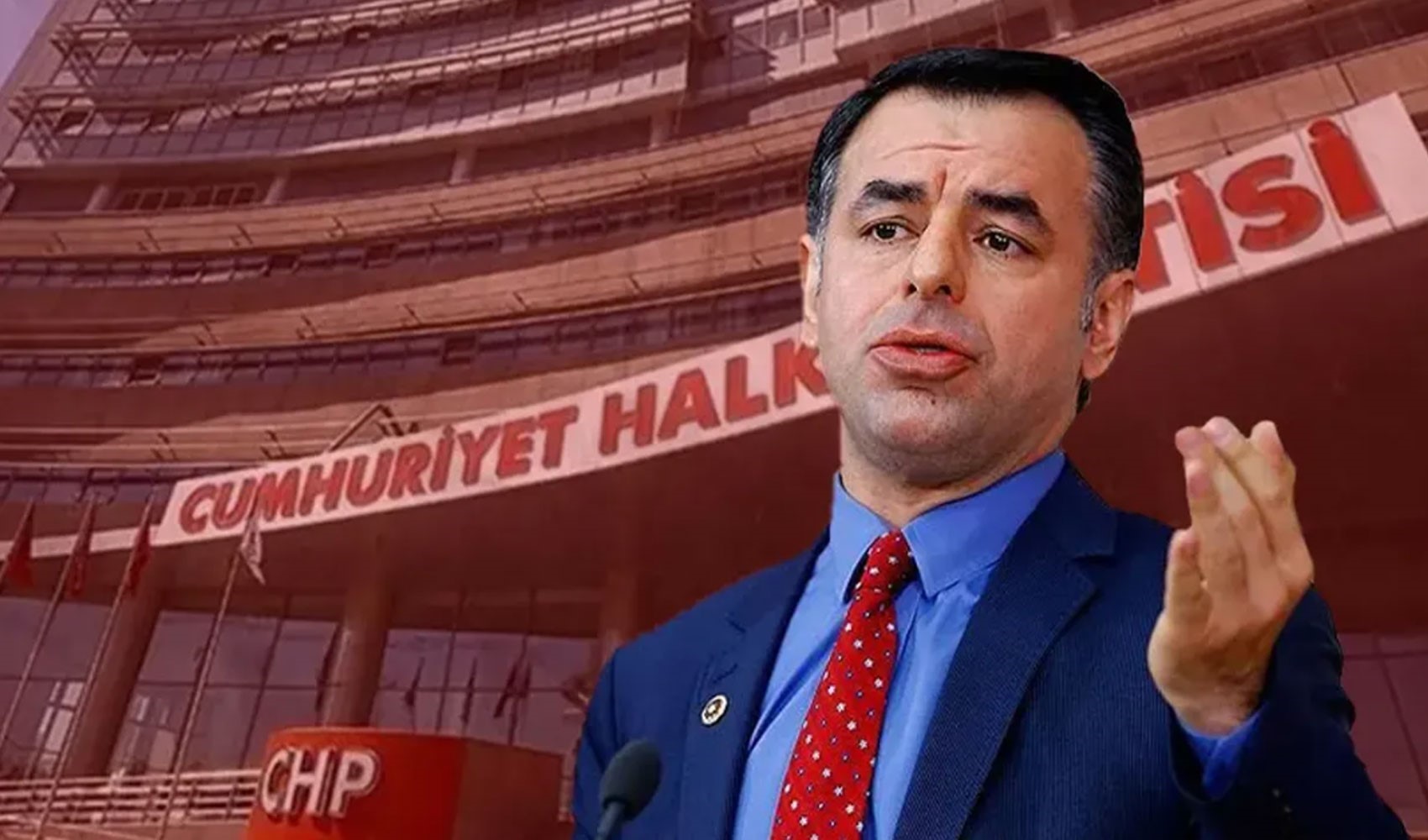
He announced which municipalities will join the 'New Party', the Istanbul detail drew attention
The official, rumored to be switching to the AKP, has begun a persuasion tour

A critical distinction in the claim about eating out
CHP's mass SMS move in response to Özel's new party decision