

Conditional amnesty formula for PKK terrorists on the way! What will the legal regulation include?
As efforts accelerate for legal regulations regarding the second opening process, referred to as a 'Turkey without terrorism,' there is talk in political circles that a formula similar to the amnesty applied to Sheikh Said's supporters in 1928 could be brought to the agenda.



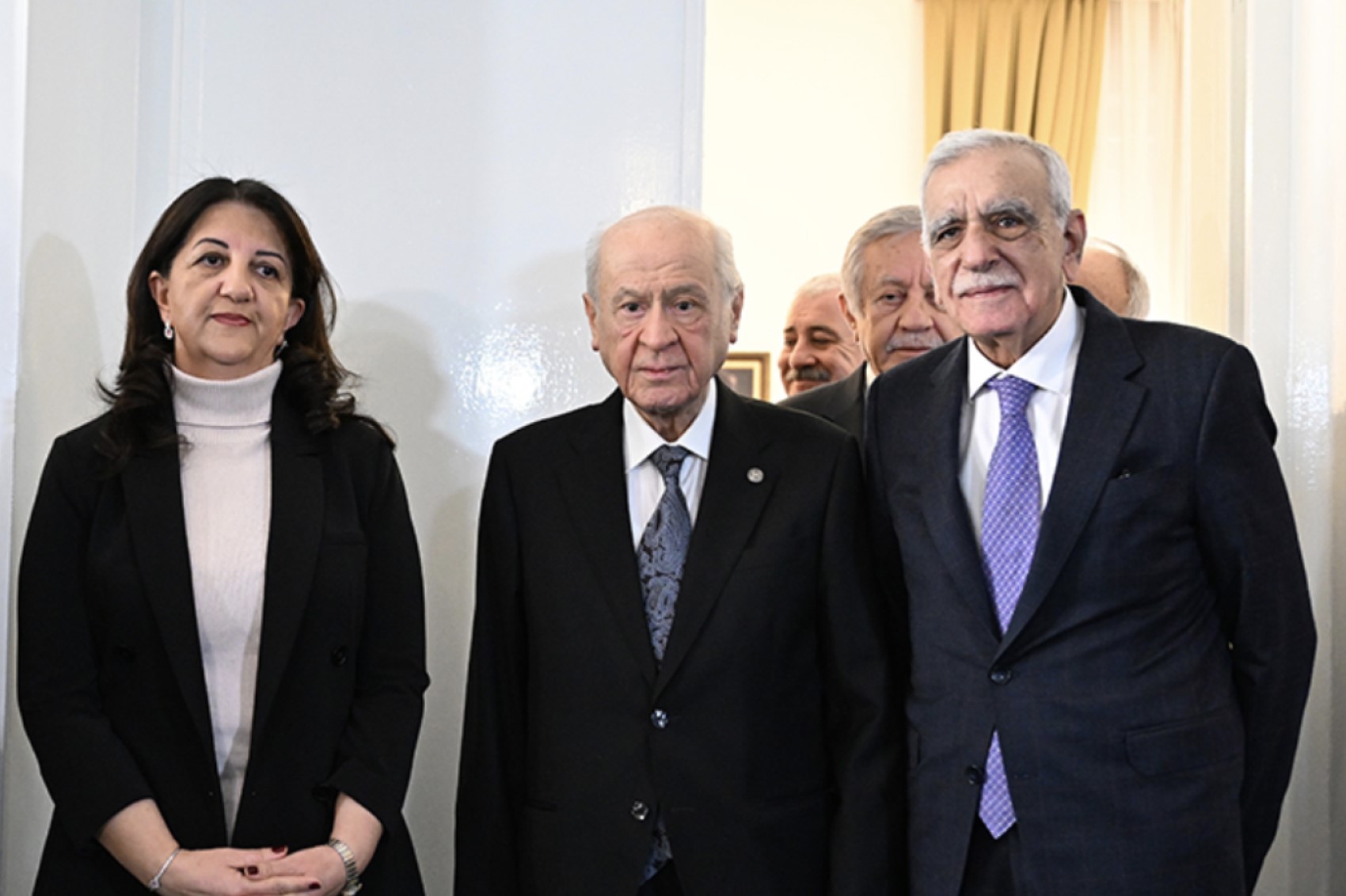
New details have emerged regarding the 'legal regulations' frequently mentioned in the second opening process—architected by MHP Chairman Devlet Bahçeli and dubbed 'Terror-Free Turkey' by the government—which is being conducted with the DEM Party and Abdullah Öcalan, the leader of the terrorist organization PKK.
According to a report by Başak Kaya from Sözcü, a regulation similar to the amnesty applied to Sheikh Said's supporters in 1928 is on the table.
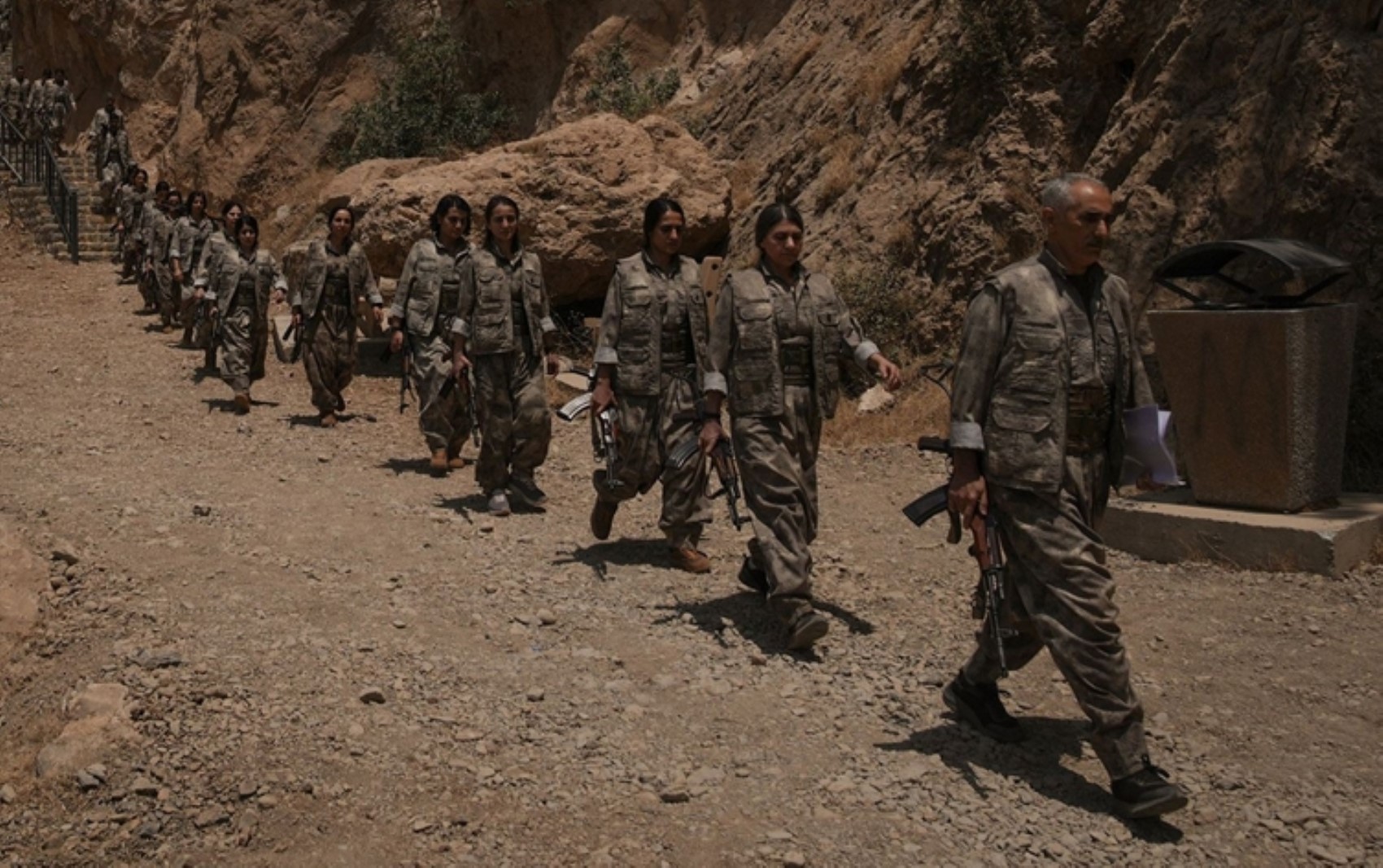
Accordingly, it is being evaluated to provide an opportunity for amnesty to PKK terrorists who are currently in prison or preparing to come down from the mountains, on the condition that they 'do not commit new crimes' for a period of 5 years.
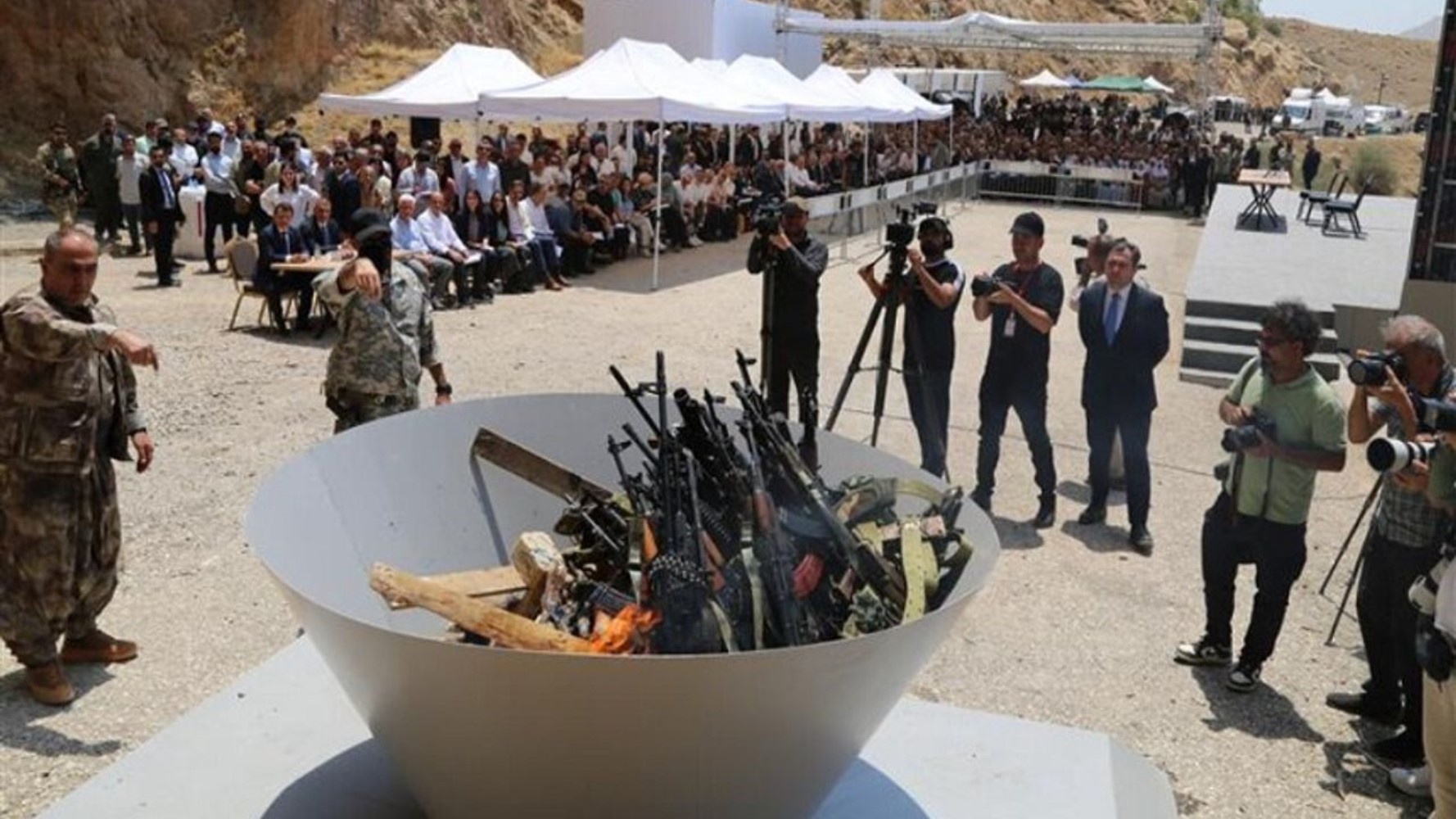
It is stated that those who violate this condition during this period will face both their remaining sentences and more severe sanctions.
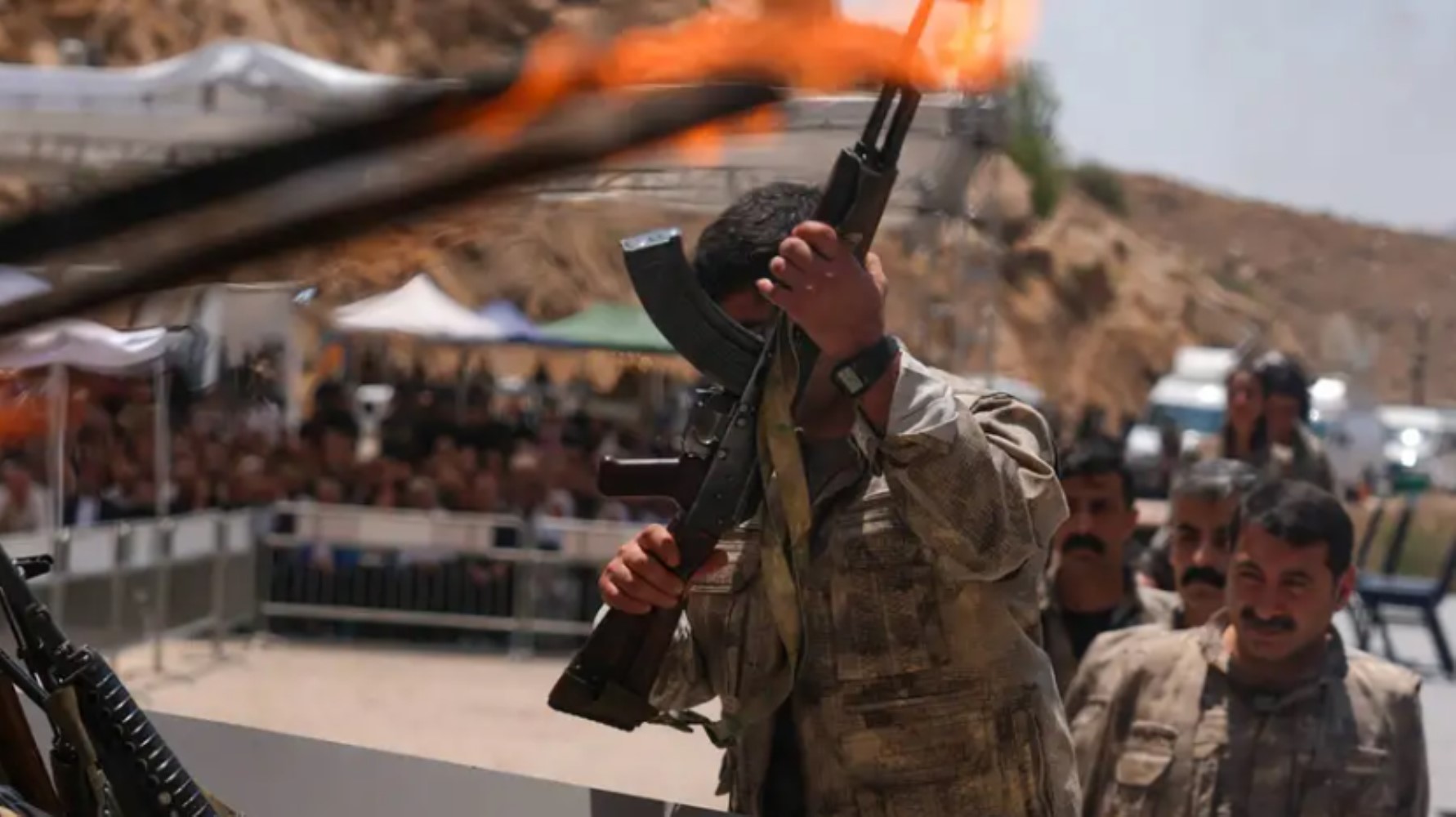
It is noted that a condition similar to the one included in the amnesty issued during the Sheikh Said era, 'not to take up arms again and not to commit new crimes or engage in actions against the state,' could be implemented again.
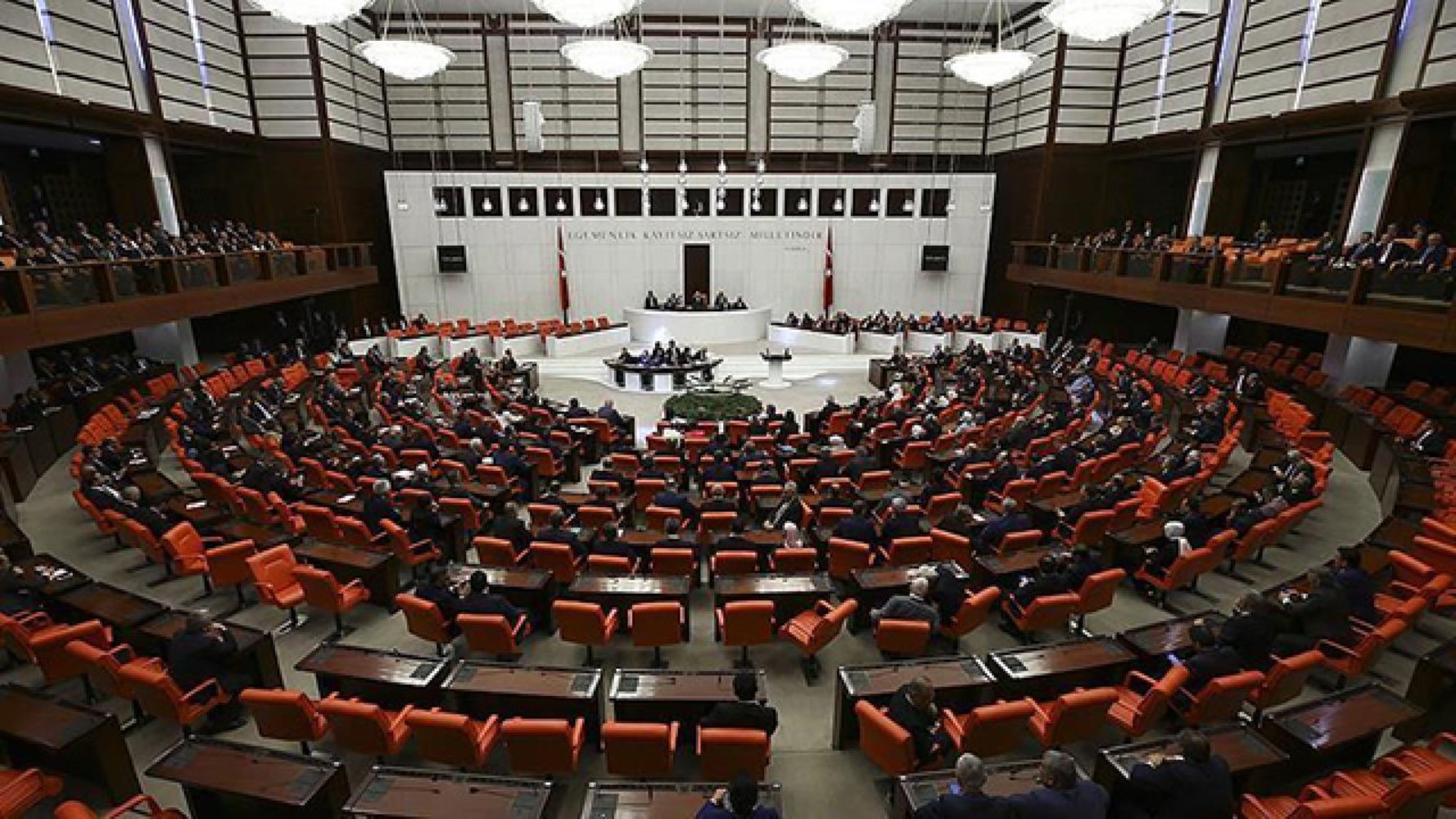
While potential regulations are being discussed in the Grand National Assembly of Turkey (TBMM), there are plans to include a special provision in the draft law to ensure it does not cover members of FETÖ.
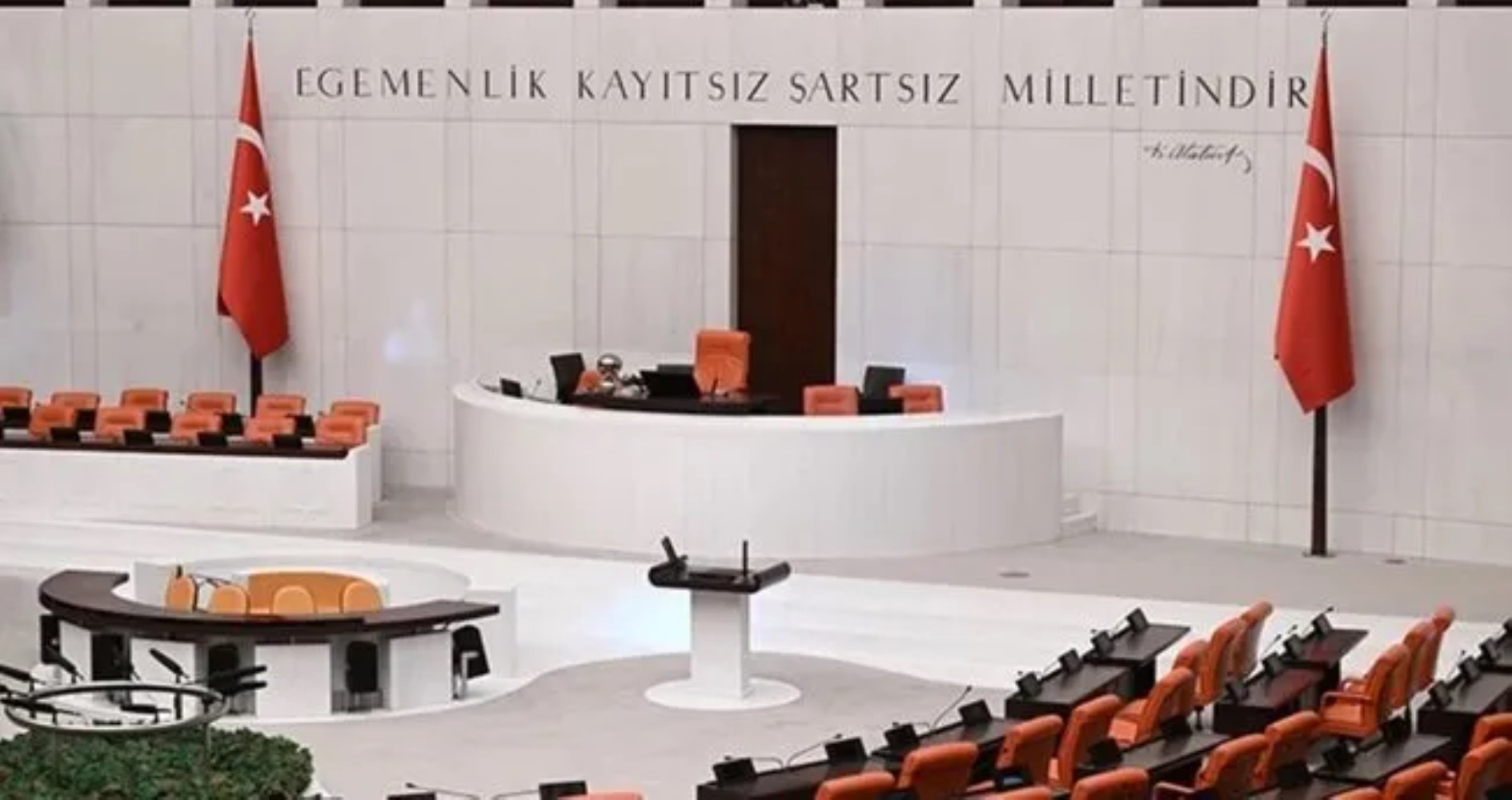
In this context, it has been reported in political circles that a condition requiring the 'organization to have disbanded itself' will be imposed on those to be included in the amnesty.
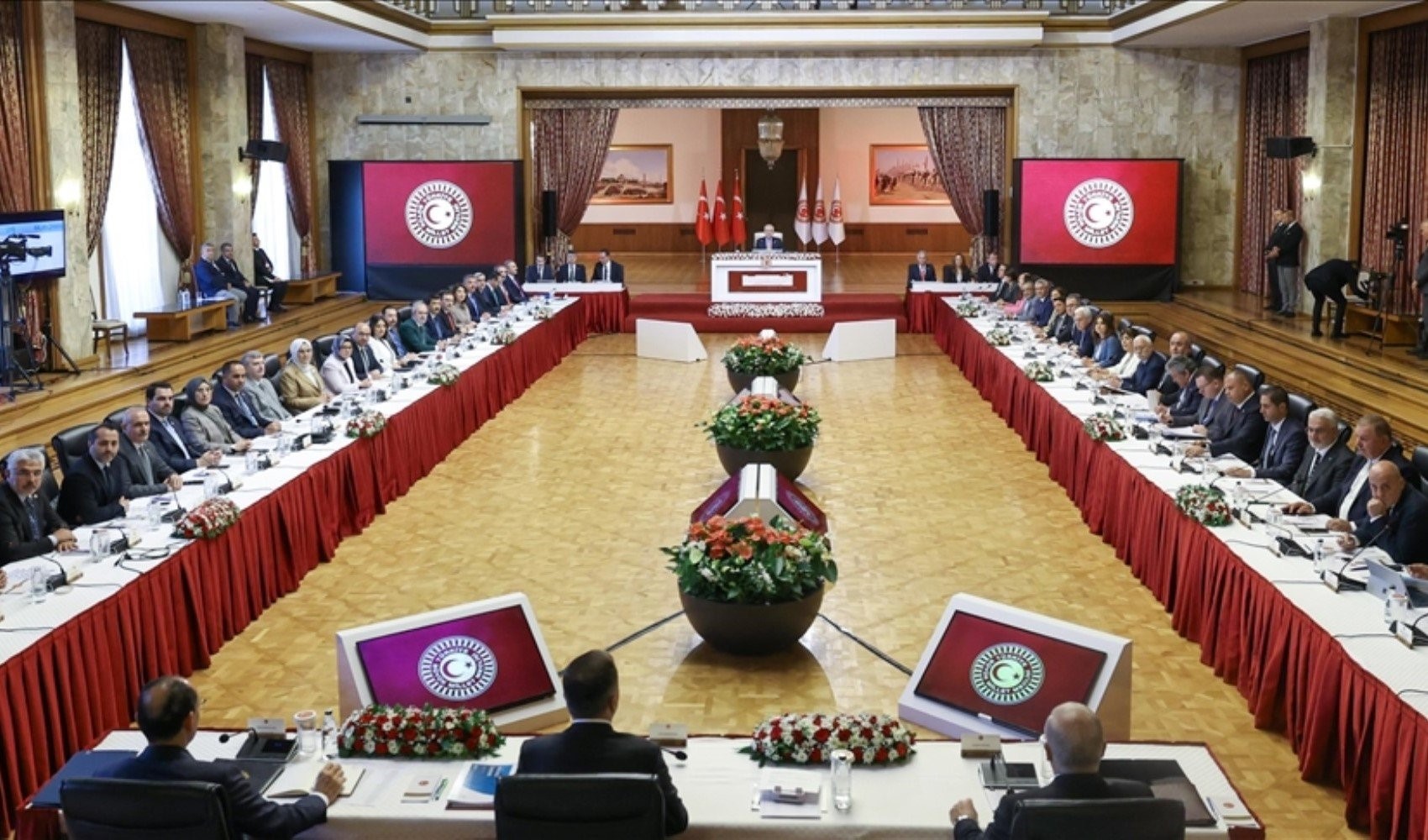
It is stated that the commission established in Parliament has brought the regulation to the proposal stage and will present the determined framework to the relevant committees.
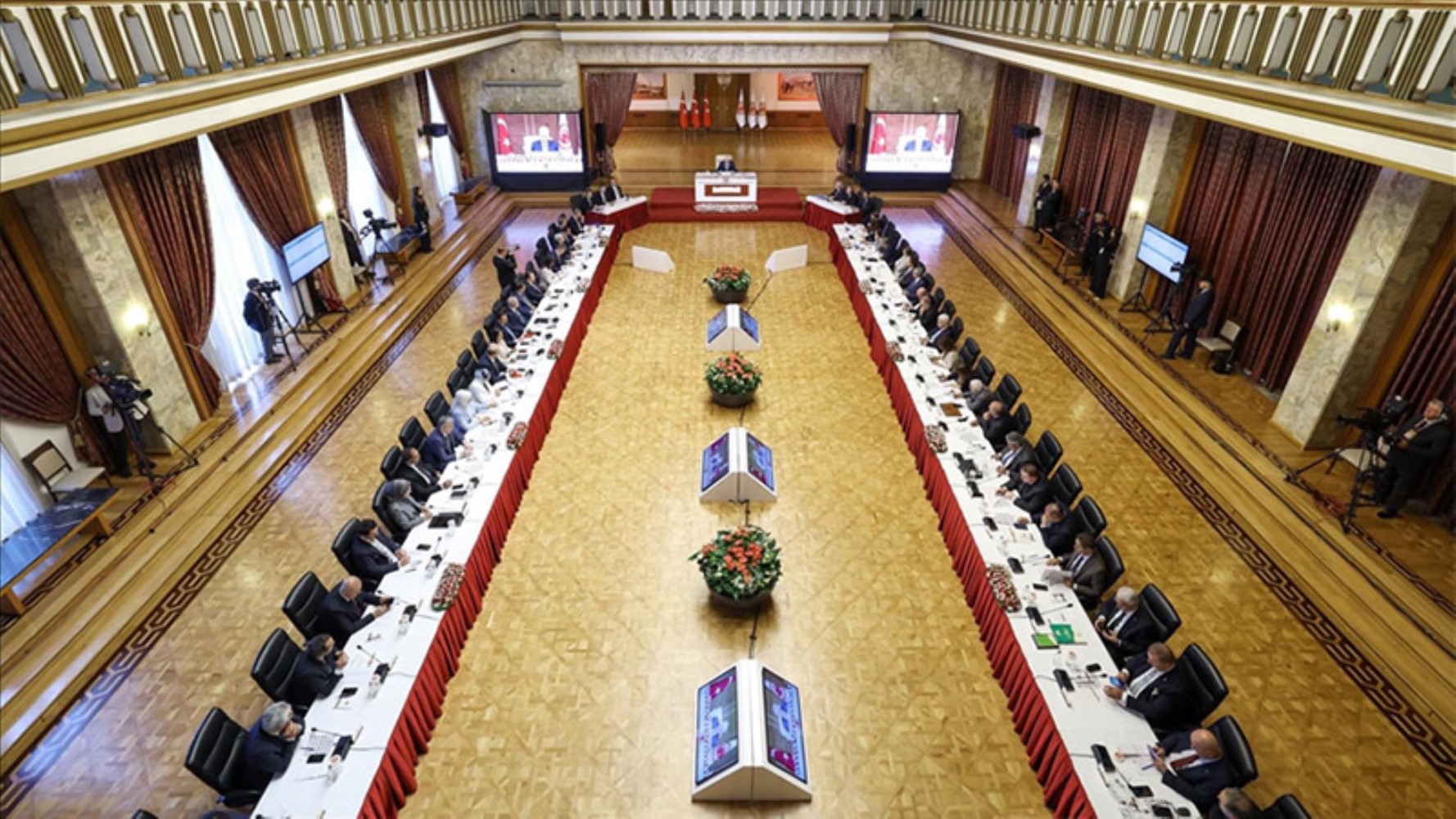
Political parties, meanwhile, are demanding changes to the execution law, updates to counter-terrorism legislation, and the implementation of ECHR and Constitutional Court rulings.
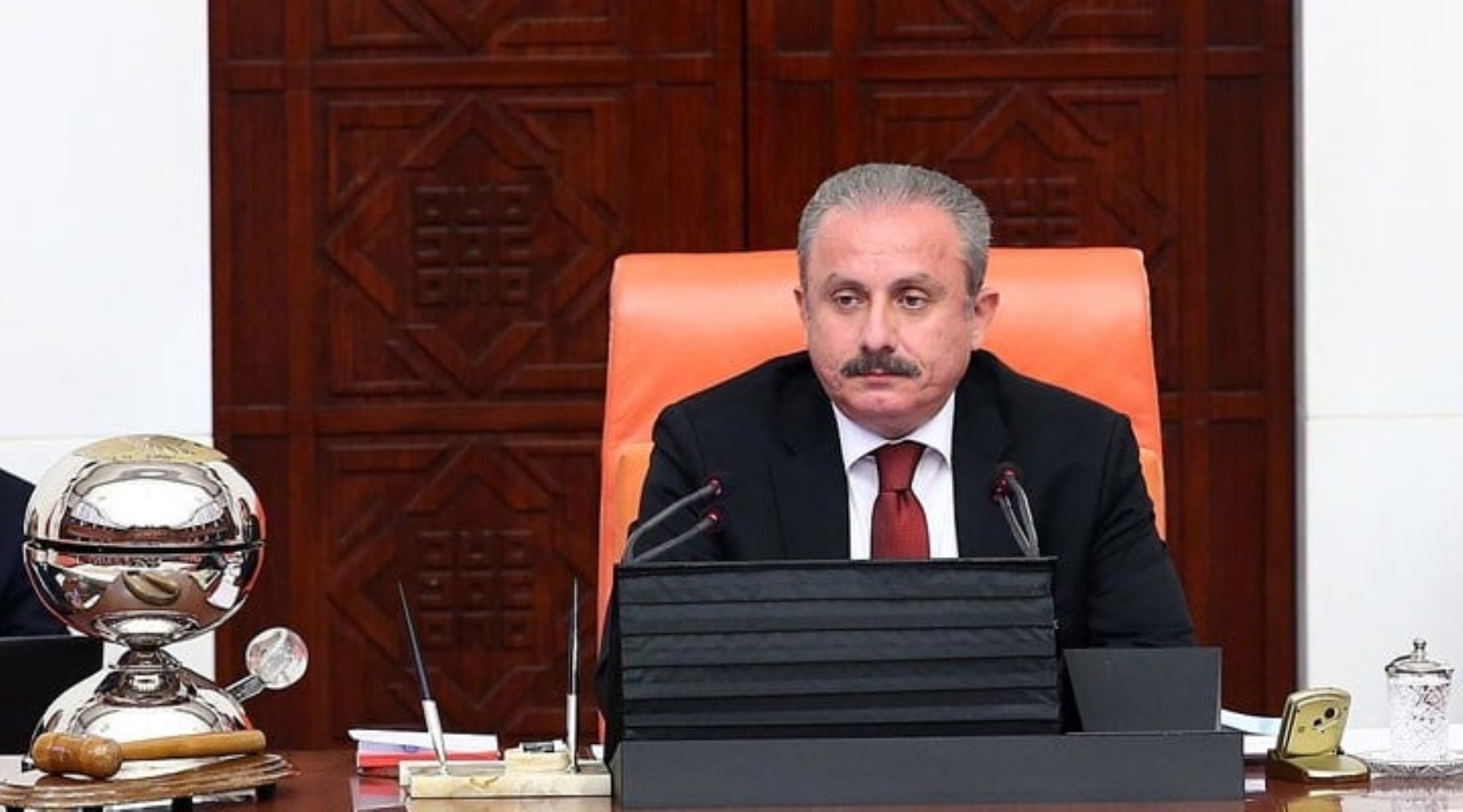
Former TBMM Speaker Mustafa Şentop had also made an important suggestion during commission meetings, drawing attention to the amnesty issued after the suppression of the Sheikh Said rebellion.
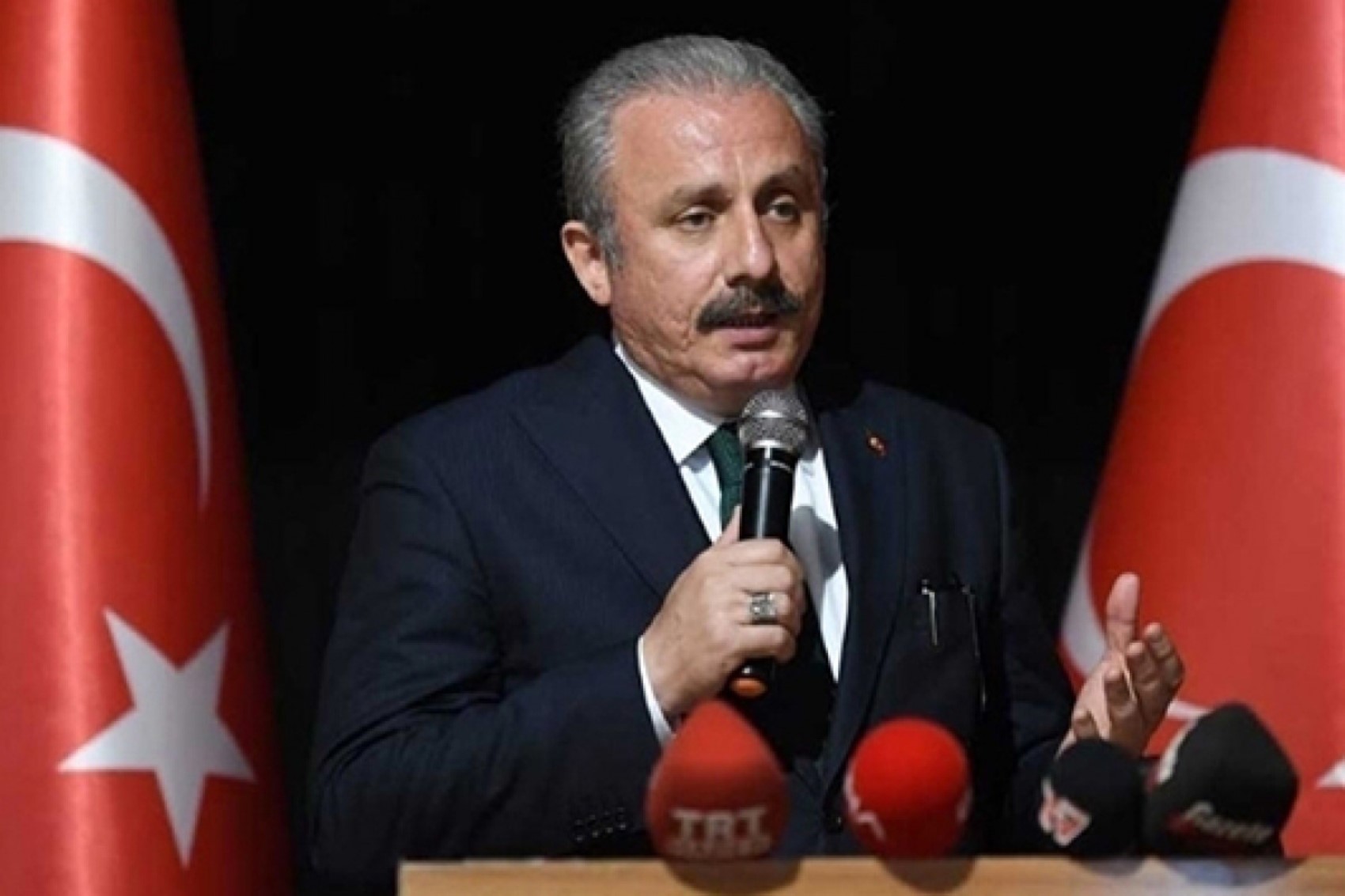
Şentop had assessed that, 'As in the 1928 law, instead of a definitive and irreversible amnesty, it could be a conditional amnesty based on a time period and the monitoring of lawful behavior, or it could be done in the form of a stay of execution or a stay of investigation and prosecution.'
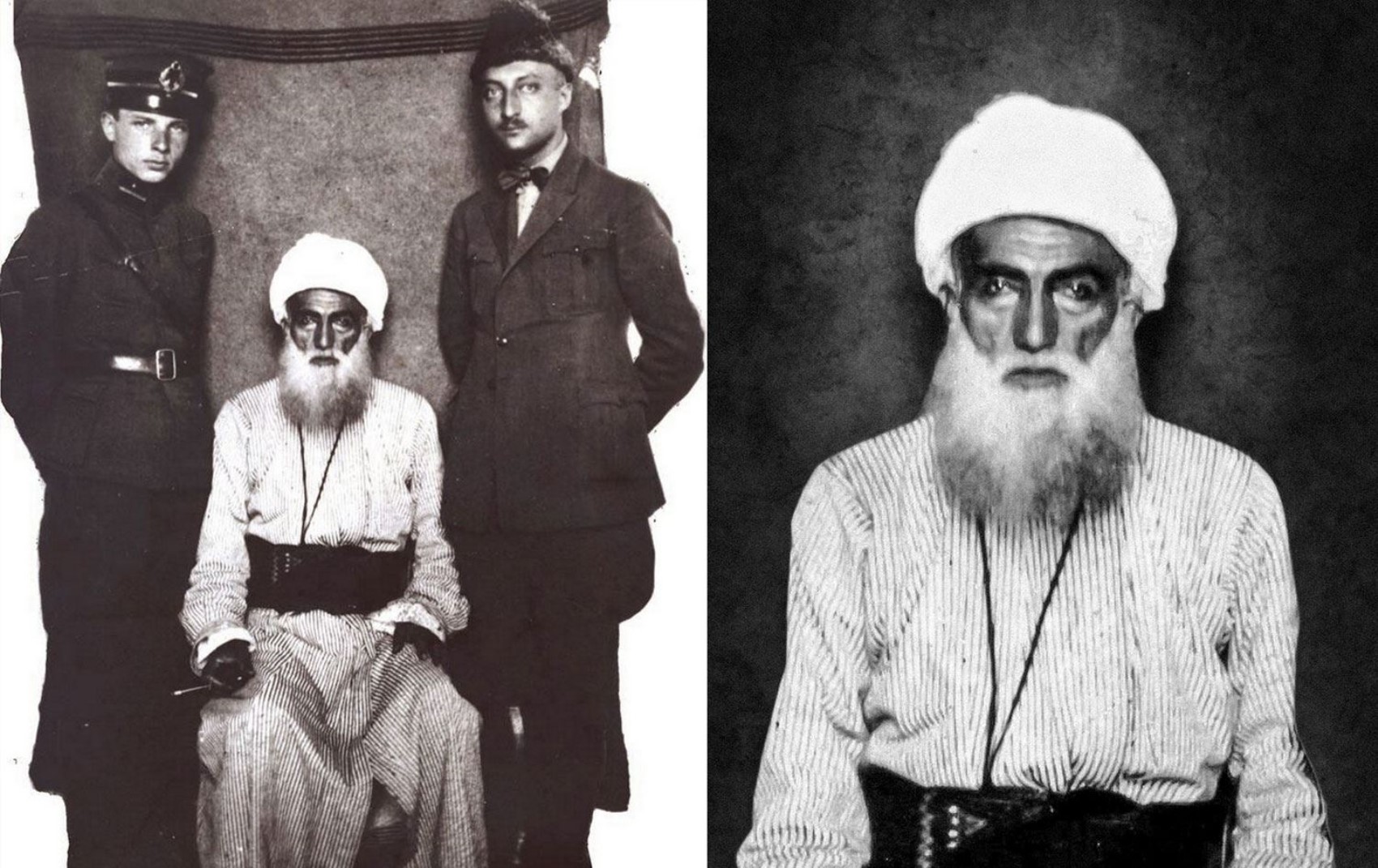
Sheikh Said was sentenced to death by the Independence Tribunal along with 47 of his supporters and was executed in Diyarbakır in 1925. The groups supporting him were pardoned at the time on the condition of 'laying down arms, never taking up arms again, and not engaging in rebellion or illegal activities against the state.' The law also guaranteed that more severe penalties would be applied to those who did not comply with these conditions.
News Source : 12punto
Most Read

Striking picture for Özgür Özel's 'New Party'

Özgür Özel gives a dated response regarding the number of resignations

Forest fire in Antalya brought under control

The PKK opening and Özgür Özel’s path!..

How did the newspapers view Özgür Özel's farewell to the CHP?

He killed his wife by slitting her throat: Their children witnessed the moments

What did the CHP do?

Özel’s new party move in the world press

The New CHP, against CEHAPE

Fire at TUSAŞ engine factory in Eskişehir under control