

Frightening warning from earthquake expert! Tsunami and volcanic activity on the rise
Prof. Dr. Hasan Sözbilir from Dokuz Eylül University in İzmir evaluated the recent earthquakes in the Aegean Sea. He stated that the earthquakes were triggered by magmatic sources and hydrothermal activity, and that the volcanic activities in the region indicate the beginning of a new volcanic process. He emphasized that while the probability of Turkey being affected by these earthquakes is low, the coasts of Kuşadası, Bodrum, and Datça could face a tsunami threat if underwater faults in the Aegean Sea produce large earthquakes. Prof. Dr. Sözbilir stated that precautions must be taken regarding this possibility.



Prof. Dr. Hasan Sözbilir, Director of the Earthquake Research and Application Center (DAUM) at Dokuz Eylül University (DEÜ) in İzmir and a faculty member at the Department of Geological Engineering, Faculty of Engineering, stated that the recent earthquakes in the Aegean Sea were triggered by magmatic sources and hydrothermal activity, and indicate the beginning of a new volcanic activity.
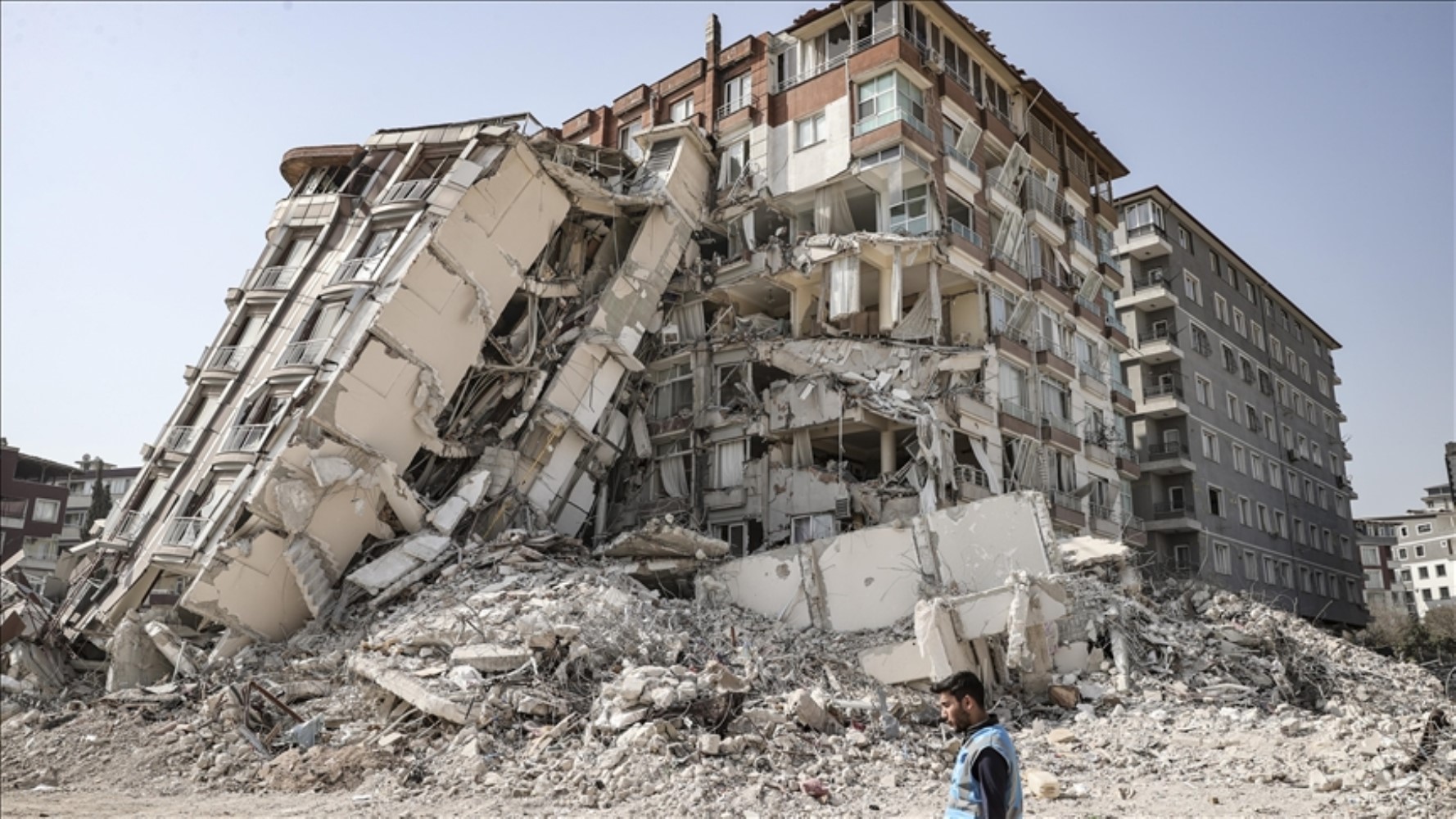
Pointing out that the degree to which Turkey is affected by these earthquakes is low, Sözbilir said, "If the submarine faults in this region produce earthquakes greater than magnitude 7, the coasts of Kuşadası-Bodrum-Datça must be modeled for tsunami risk and precautions must be taken accordingly."
OVER 200 EARTHQUAKES OCCURRED
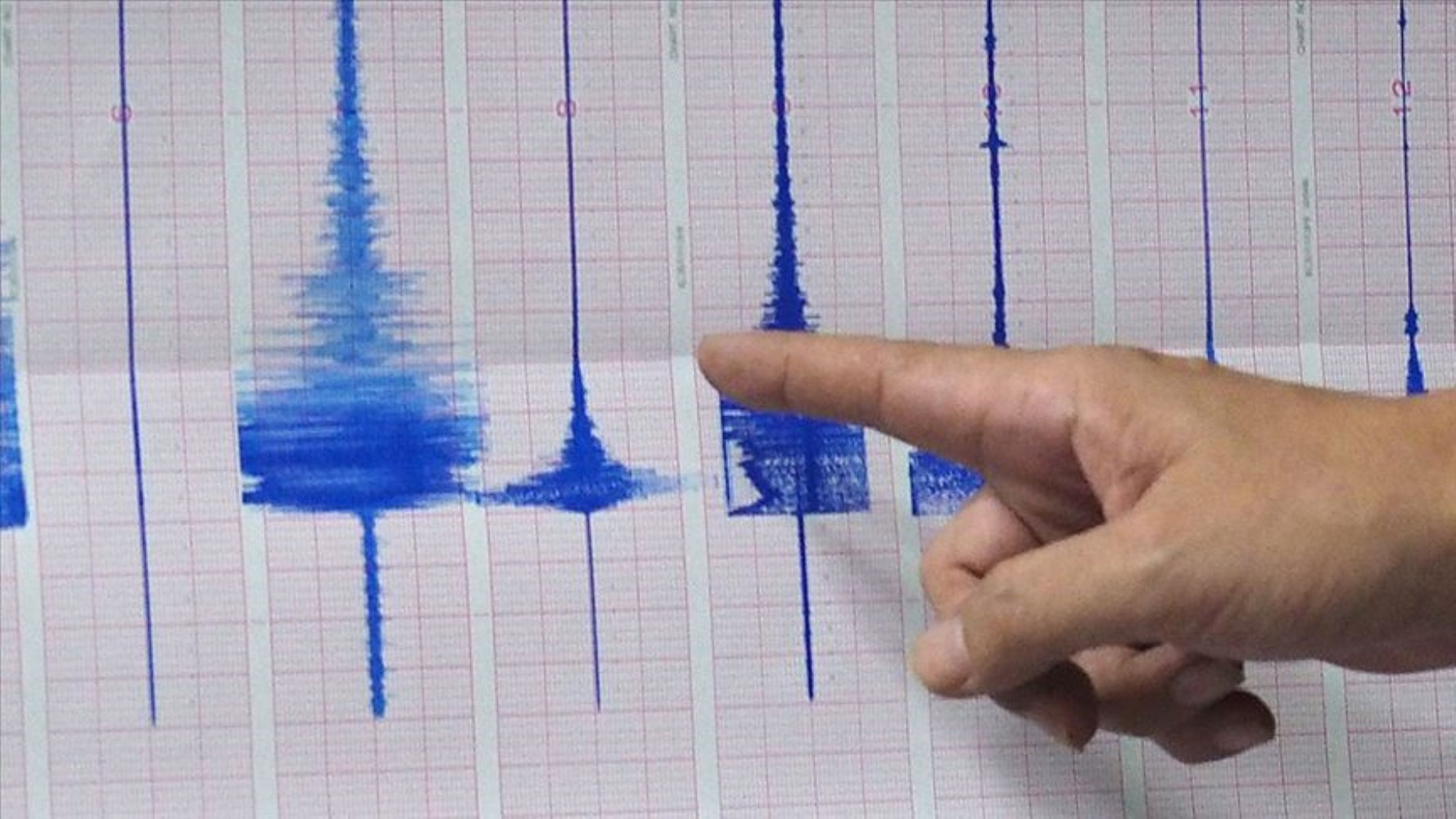
According to data from the Disaster and Emergency Management Authority (AFAD) Earthquake Department, more than 200 earthquakes, the largest of which was 4.8, have occurred in the Aegean Sea since the day before yesterday. Evaluating the earthquakes, DEÜ DAUM Director and Faculty of Engineering Geological Engineering Department faculty member Prof. Dr. Hasan Sözbilir said, "It is understood that an activity in the form of an earthquake swarm with magnitudes ranging between 3 and 4.8 has been continuing in the Aegean Sea, just north of Santorini Island, in recent days.
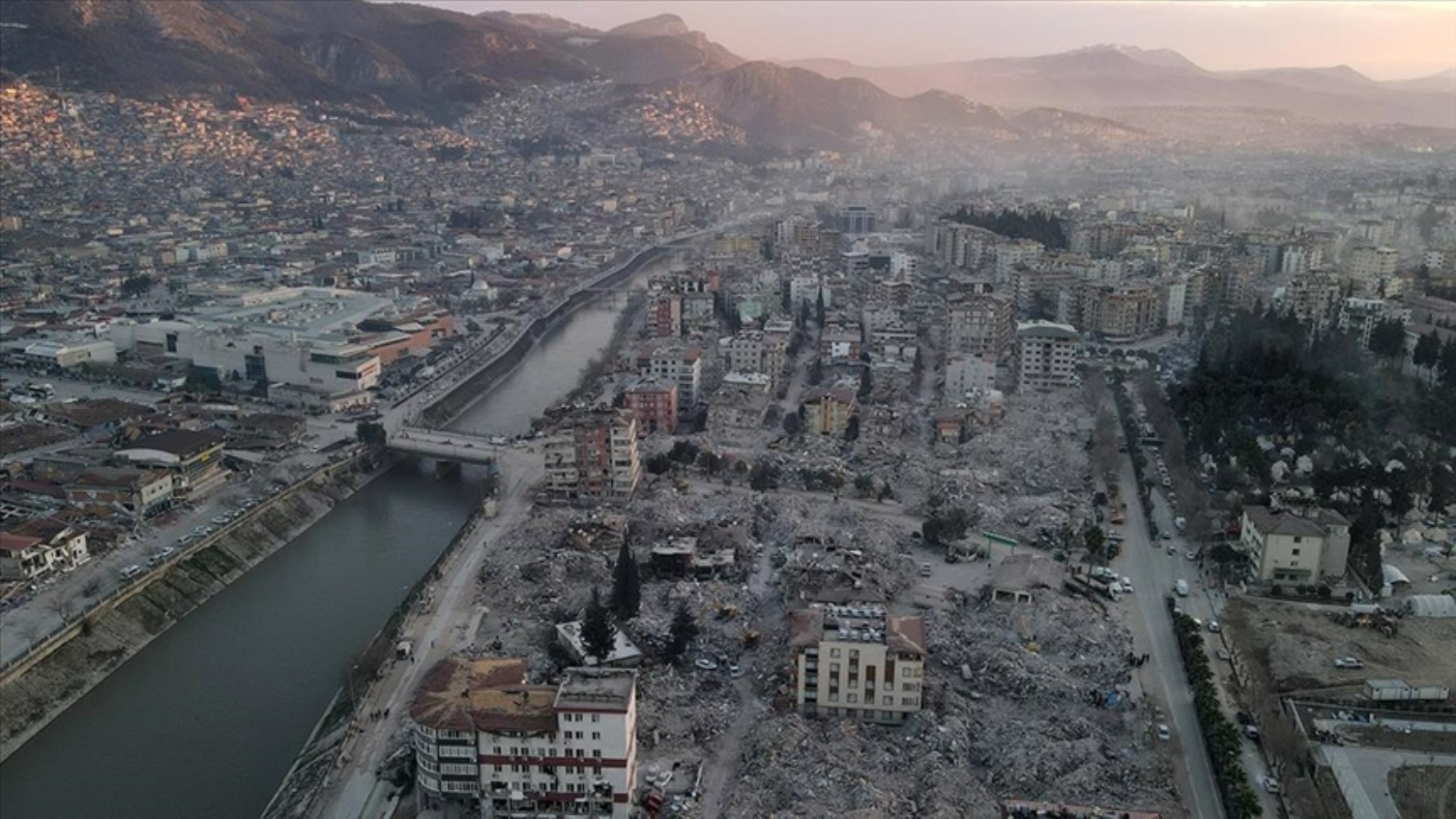
When we look at the geological setting of these earthquakes, we see that they are developing within an active volcanic island arc that has an arc-shaped geometry along the Athens-Santorini-Datça-Bodrum line. In this arc-shaped environment, known as the South Aegean Volcanic Arc, there are volcanic islands of various sizes such as Santorini, Milos, and Nisyros. Numerous earthquakes have occurred in the historical and instrumental periods around the volcanoes that form these islands, and volcanic eruptions have occurred on these islands in historical periods. For this reason, the volcanoes that form these islands are considered to be active today," he said.
'SUBMARINE FAULTS ARE ALSO PRODUCING EARTHQUAKES'
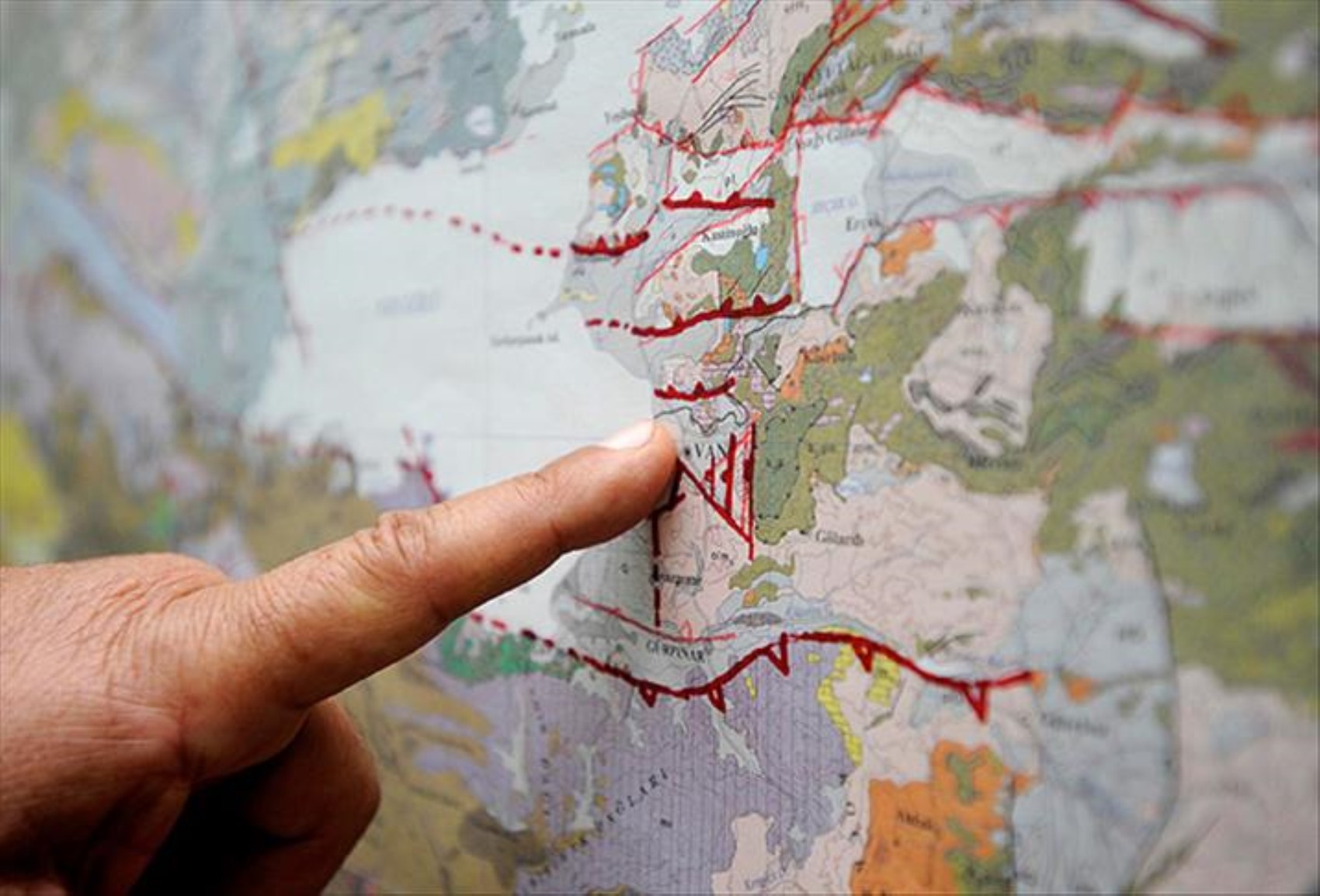
In addition, drawing attention to the fact that there are active submarine faults in the region that control these volcanic vents, Prof. Dr. Sözbilir stated, "These active faults are also breaking the crust under the Aegean Sea between Greece and Turkey in a way that conforms to the volcanic arc geometry, producing earthquakes and thus accommodating the stress in the region. Under the Aegean crust, there is an arc-shaped plate boundary known as the Aegean subduction zone, which passes south of Crete Island. To the south of this boundary, the African plate is subducting under the Aegean plate at a speed of 20 millimeters per year. For this reason, numerous earthquakes also occur between Crete Island and Rhodes Island."
'RECENT EARTHQUAKES INDICATE THE BEGINNING OF A NEW VOLCANIC ACTIVITY'
Referring to the publications by his Greek colleagues regarding the faults under the Aegean Sea over the last 10 years, Prof. Dr. Hasan Sözbilir said the following:
"They revealed the existence of the Santorini-Amorgos fault system north of Santorini and stated that there would be significant activity along this fault system and that this activity could be related to active volcanism. A study conducted last year also revealed that the 7.5-magnitude Amorgos earthquake, which occurred on September 9, 1956, with a focal depth of 25 kilometers, developed a 75-kilometer-long surface rupture on the seabed and caused a tsunami on nearby islands. It is known from records that just 13 seconds after the 1956 earthquake, a second earthquake occurred with a focal depth of 45-90 kilometers and a magnitude between 6 and 7.2. It is understood from the records that 3,200 buildings were damaged and 54 people lost their lives in Santorini and Amorgos during these earthquakes. It is understood that the earthquakes that occurred in late January and early February in recent days have triggered the Santorini-Amorgos fault and the faults in the immediate vicinity of this fault. Considering that the Amorgos fault broke in 1956, it can be accepted that the earthquakes that have occurred over the last week were triggered by magmatic sources and hydrothermal activity and indicate the beginning of a new volcanic activity. For these reasons, the Anafi-Astypalea fault system, the Los fault system, and the Kinairos fault in the region appear to have a high probability of producing destructive earthquakes in the near future."
'THE DEGREE TO WHICH TURKEY IS AFFECTED BY THESE EARTHQUAKES IS LOW'
Making reassuring statements for Turkey, Prof. Dr. Sözbilir said, "Since the distance of these fault systems to the Turkish coast reaches 150-200 kilometers, the degree to which Turkey is affected by these earthquakes is low. However, if the submarine faults in this region produce earthquakes greater than magnitude 7, the coasts of Kuşadası-Bodrum-Datça must be modeled for tsunami risk and precautions must be taken accordingly."
News Source : 12punto
Most Read

Striking picture for Özgür Özel's 'New Party'

The PKK opening and Özgür Özel’s path!..

How did the newspapers view Özgür Özel's farewell to the CHP?

He killed his wife by slitting her throat: Their children witnessed the moments

What did the CHP do?

Özel’s new party move in the world press

Fire at TUSAŞ engine factory in Eskişehir under control

The New CHP, against CEHAPE

From self-efficacy to despair

Kılıçdaroğlu's first message on Özgür Özel's new party announcement