

Radical move from IMM for traffic: Flexible working hours to be encouraged
In the strategic action plan announced at the Istanbul Transportation Workshop organized by the Istanbul Metropolitan Municipality (IMM), goals were set to reduce traffic congestion, including flexible working hours, regional parking pricing, low-emission zones, and the expansion of 'Park and Ride' applications.



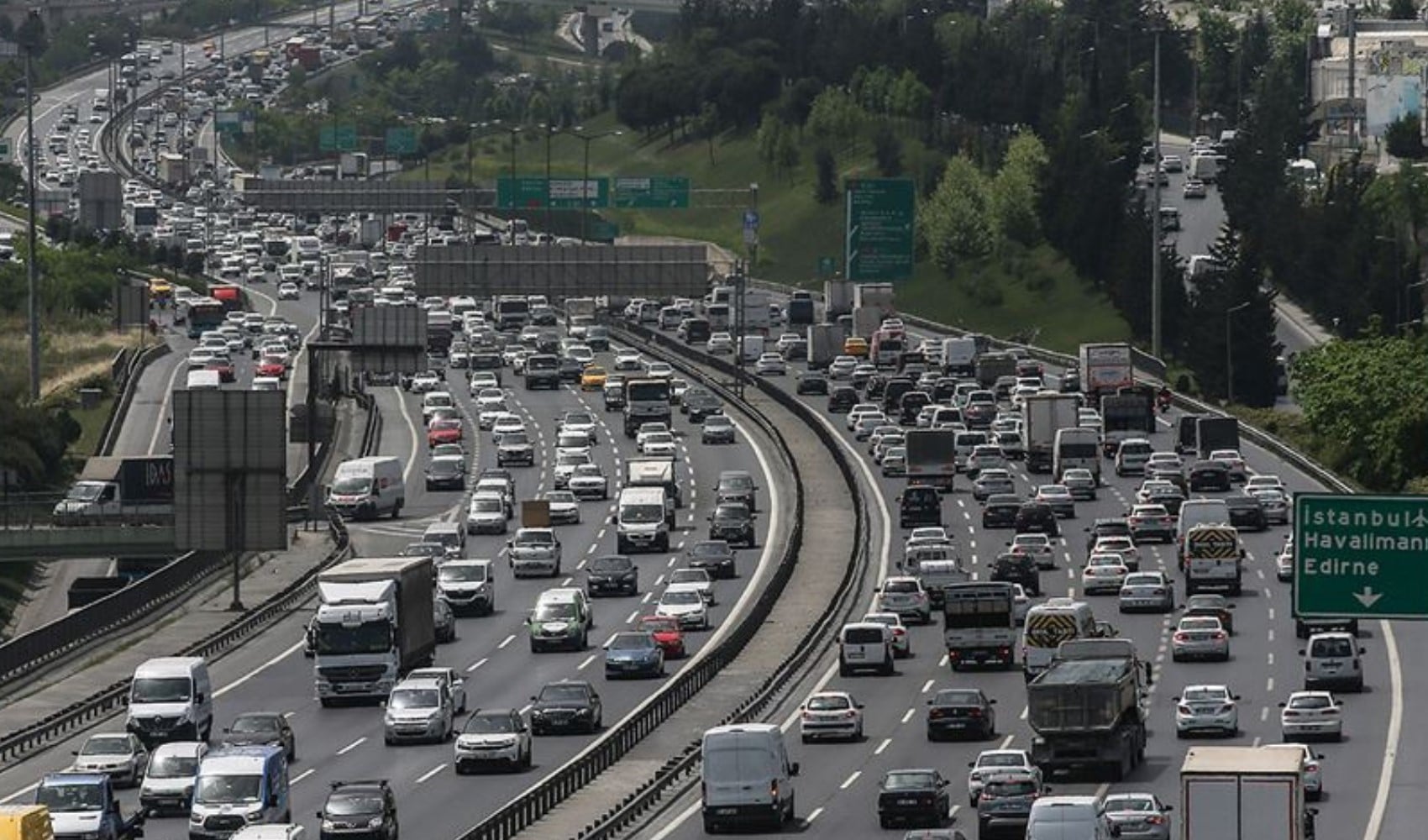
A comprehensive roadmap prepared for Istanbul's long-standing, unresolved transportation problems was shared with the public as part of the Istanbul Transportation Workshop organized by the Istanbul Metropolitan Municipality. At the workshop, a strategic action plan consisting of 6 main headings, created to reduce the city's current traffic load and shape the future vision of transportation, was introduced.
It was reported that the workshop, held at the Istanbul Planning Agency (IPA) Florya Campus, was organized under the coordination of the IMM Department of Transportation. It was stated that academics from 61 universities, representatives from 39 district municipalities, and professional groups operating in the transportation sector participated in the event. It was noted that the plan, which was presented at the end of the workshop and submitted to the evaluation of the Scientific Committee, is defined as the "Transportation Constitution of Istanbul."
1. RAIL SYSTEM-FOCUSED SEAMLESS INTEGRATION
In the first item of the strategic plan, it was stated that rail systems are considered the main transportation backbone of Istanbul. It was noted that the goal is to connect all modes of transportation physically and digitally.
In this context, it was reported that the full integration of minibus lines into the Istanbulkart system, increasing access to stations with micromobility vehicles such as scooters and bicycles, and the implementation of artificial intelligence-supported routing systems are planned. It was also stated that transfer centers are envisioned to be transformed into social and comfortable spaces rather than just transit points.
2. TRAFFIC DEMAND MANAGEMENT AND FLEXIBLE WORKING HOURS
It was announced that the goal is to reduce the traffic problem not only by building new roads but also through demand management. Under this heading, it was stated that the encouragement of staggered and flexible working hours is planned.
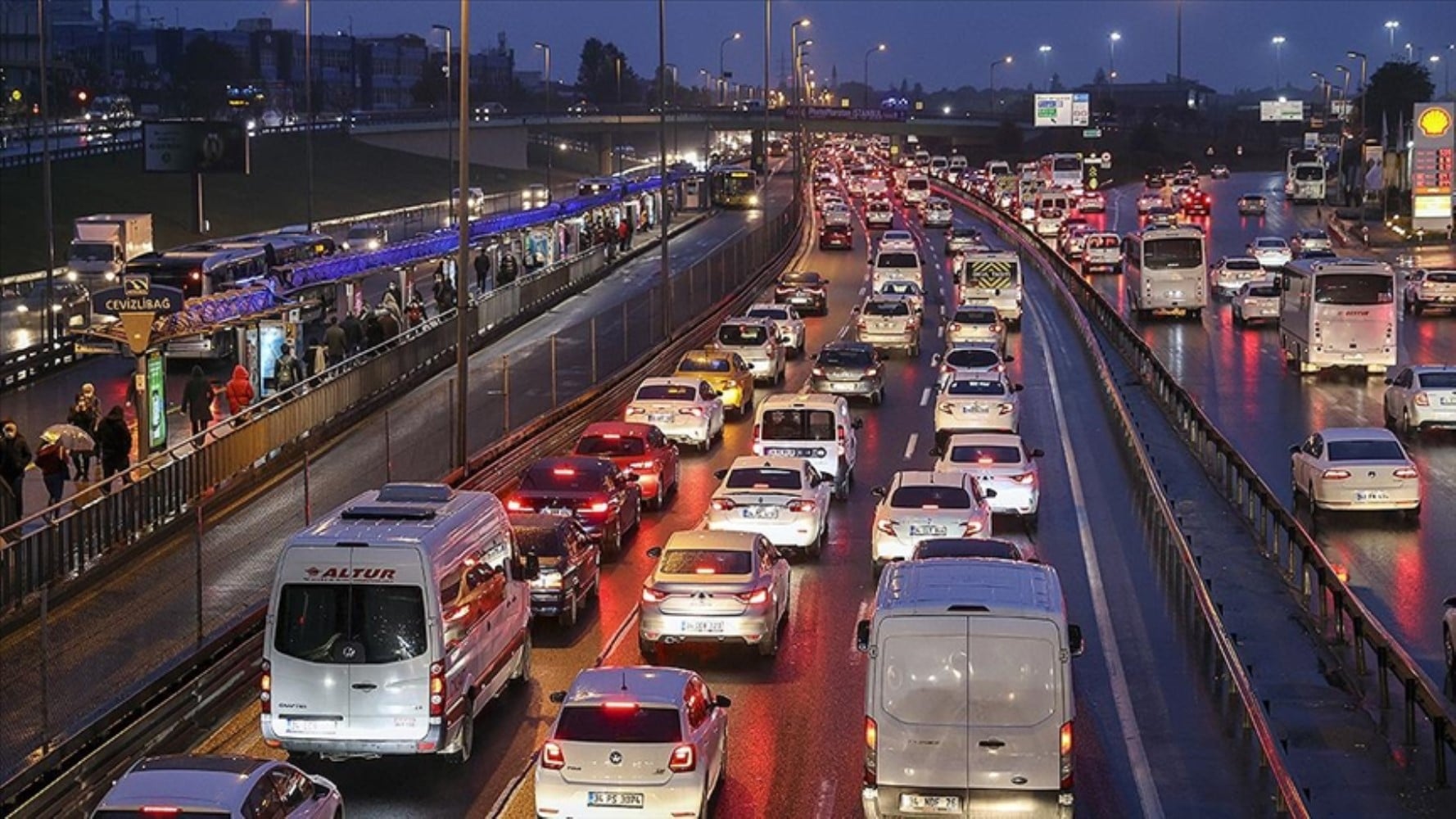
Furthermore, it was reported that the regional restructuring of parking fees, declaring some areas, especially the Historical Peninsula, as "Low Emission Zones," and restricting private vehicle entry to these areas are on the agenda. It was noted that the expansion of "Park and Ride" systems is aimed at reducing vehicle entry into the city center.
3. SMART TRAFFIC MANAGEMENT AND INFRASTRUCTURE
It was stated that the implementation of technological solutions is planned to use existing road capacity more efficiently. It was reported that real-time traffic management, lanes prioritizing public transportation, and geometric improvements at intersections are envisioned.
In addition to this, it was stated that the goal is to share traffic enforcement powers with local governments and strengthen violation management.
4. URBAN PLANNING AND TRANSPORTATION RELATIONSHIP (MACROFORM)
It was stated that the aim is to carry out land use and transportation planning simultaneously to prevent unplanned urbanization. It was reported that the goal is to reduce mandatory travel times by planning business, residential, and educational areas in an integrated manner.
5. DISASTER-RESILIENT TRANSPORTATION NETWORK
It was reported that the resilience of transportation infrastructure is prioritized as part of the preparations for a possible Istanbul earthquake. It was stated that the strengthening of critical bridges and viaducts, and keeping emergency transportation routes and evacuation corridors clear are planned.
It was also noted that the creation of protocols to ensure data sharing between institutions during disasters is envisioned.
6. TRANSPORTATION TRADESPEOPLE AND SERVICE QUALITY
It was stated that the aim is to raise the working standards of drivers and tradespeople who are the field representatives of transportation services. It was reported that standardizing driver training, expanding the Electronic Transportation Management License application, and increasing the income diversity of tradespeople are planned.
It was stated that the fight against unregistered transportation is also addressed under this heading.
ISTANBUL TRANSPORTATION IN NUMBERS FROM 2019 TO TODAY
It was reported that data regarding the investments made by the IMM in transportation since 2019 were also shared at the workshop. It was announced that during this period, the share of rail systems in public transportation increased from 35.5 percent to 43 percent.
RAIL SYSTEM: It was reported that 6 new metro lines with a length of 65.1 kilometers and 62 stations were put into service.
RUBBER-TIRED TRANSPORTATION: It was reported that 785 new vehicles and 250 electric buses were added to the IETT fleet.
TAXI TRANSFORMATION: It was stated that the number of taxis was increased from 17,395 to 20,311, and the digital transformation process was initiated with 2,500 application-based taxis.
BICYCLE AND PARKING: It was reported that the bicycle path network reached 569 kilometers, and a vehicle capacity of over 21 thousand was created with 67 new parking lots.
SOCIAL SUPPORT: It was noted that more than 861 thousand mothers benefited from free transportation opportunities with the "Mother Card" application.
News Source: 12punto
Most Read

Striking picture for Özgür Özel's 'New Party'

The PKK opening and Özgür Özel’s path!..

How did the newspapers view Özgür Özel's farewell to the CHP?

He killed his wife by slitting her throat: Their children witnessed the moments

What did the CHP do?

Özel’s new party move in the world press

Fire at TUSAŞ engine factory in Eskişehir under control

The New CHP, against CEHAPE

From self-efficacy to despair

Kılıçdaroğlu's first message on Özgür Özel's new party announcement