

The first paper currencies of the Republican era
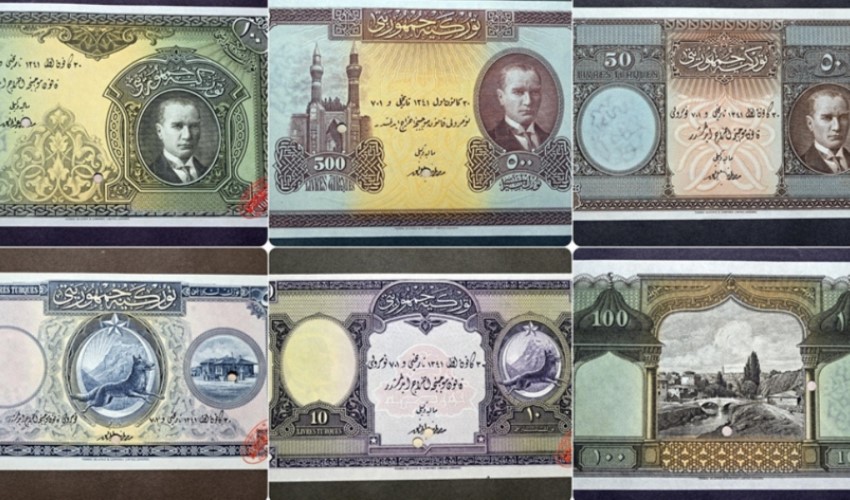
We captured the coins and banknotes from the early Republican era on display at the museum located in the General Directorate of the Mint and Stamp Printing House's building in Balmumcu. The museum highlights the 1, 5, 10, 100, and 1000 lira banknotes printed in London in 1925, which stand out as the first banknotes of the Republic of Türkiye.



The Mint Museum opened its doors as part of the 100th anniversary of the Republic of Türkiye.
The museum, which houses approximately 13 thousand artifacts ranging from Ancient Greece to Medieval Europe and from the Ottoman era to the Republic, features highly valuable coins, medals, and decorations, while banknotes from the Atatürk era also draw attention.
In the museum of the General Directorate of the Mint and Stamp Printing House, which was founded in 1467 and previously called Darphane-i Amire, banknotes from the Atatürk era containing Ottoman, French, and Turkish inscriptions take visitors back to the early years of the Republican era.
PRINTED BY ATATÜRK'S ORDER
Among the paper currencies of the first 15 years of the Republic are banknotes with Ottoman and French inscriptions, which were printed in London in 1925 by the French printing company Thomas De La Rue Company and sent to Ankara. These currencies stand out as the first banknotes printed by the order of Atatürk.
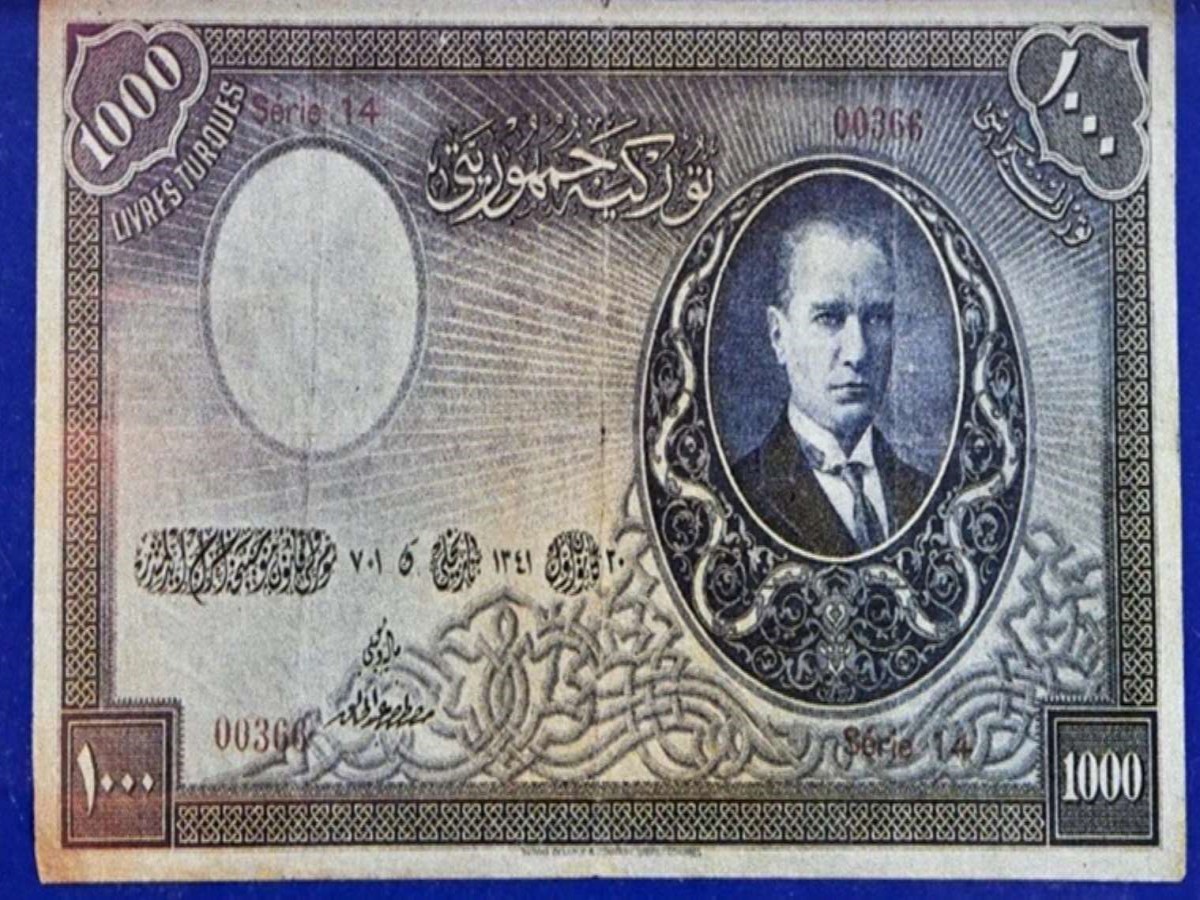
Among the banknotes of the Republic of Türkiye, which were printed under the "Law on the Replacement of Existing Currency with New Ones" accepted by the Grand National Assembly of Türkiye at the end of 1925, are the 1 lira, 5 lira, 10 lira, 500 lira, and 1000 lira banknotes.
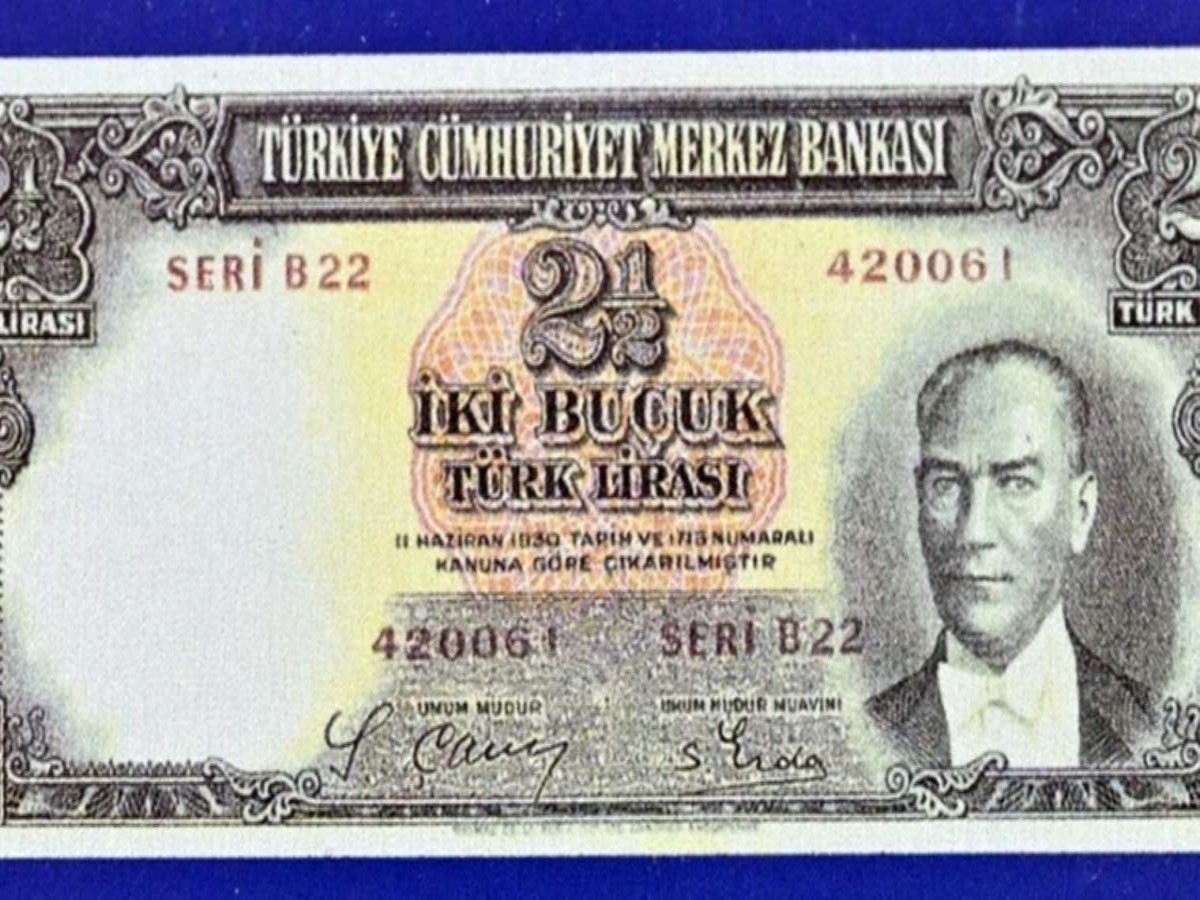
While the banknotes read "Republic of Türkiye" in Ottoman script at the top, these currencies, signed by Minister of Finance Mustafa Abdulhalik, stand out as the 1st emission banknotes designed by Ali Sami Boyar.
DIFFERENT PHOTOGRAPHS ON THE FIRST BANKNOTES
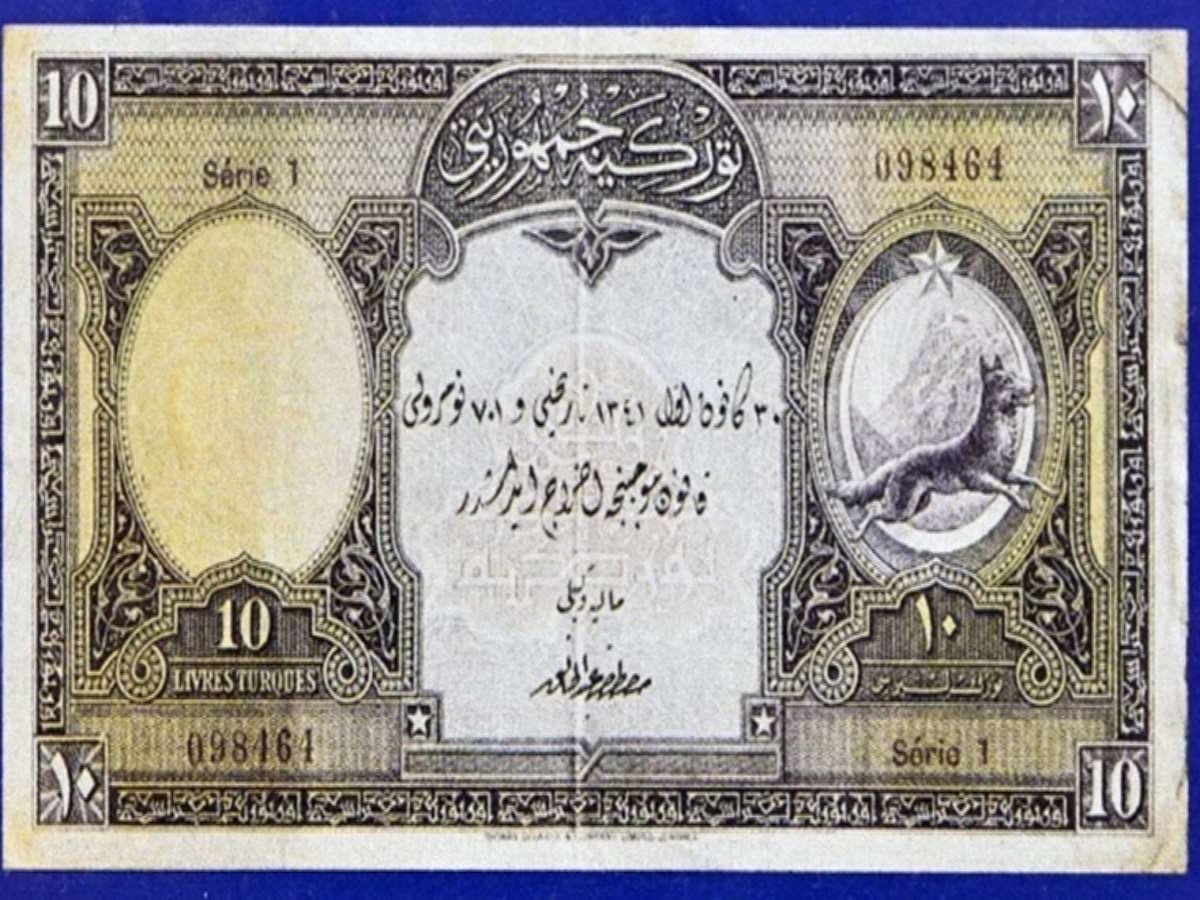
The 1st emission currencies, printed before the Alphabet Revolution, draw attention with the different photographs on them.
The front of the 1 Turkish Lira features the 1st TBMM Building, Ankara Castle, and a photograph of a farmer plowing with a traditional plow, while the back features the old prime ministry building.
The front of the 5 lira features a wolf figure, while the back features the Akköprü, located in Ankara's Yenimahalle district and built in 1922 by Kızılbey on behalf of the Anatolian Seljuk Sultan Alaeddin Keykubad I.
The front of the 10 lira features a wolf figure, and the back features a scene from Ankara Castle.
The front of the 100 lira features a portrait of Atatürk, while the back uses a picture of a village from Anatolia.
The front of the 500 lira features the Sivas Gök Medrese, and the outer side features a general photograph from Sivas.
As for the 1000 lira, the largest of the banknotes, the front features a portrait of Atatürk inside a crescent, and the outer side features the Sakarya railway line.
AUTHORITY TO PRINT MONEY TRANSFERS TO THE CBRT
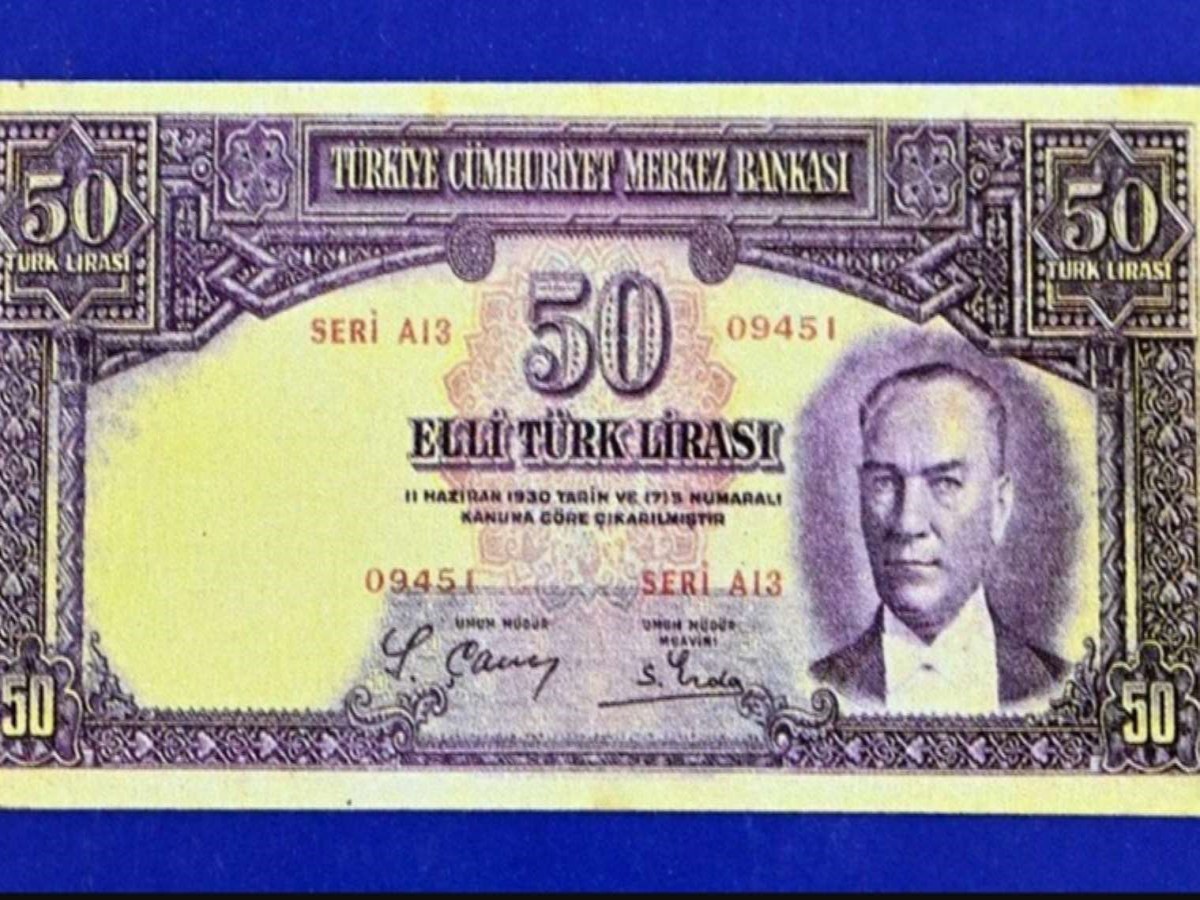
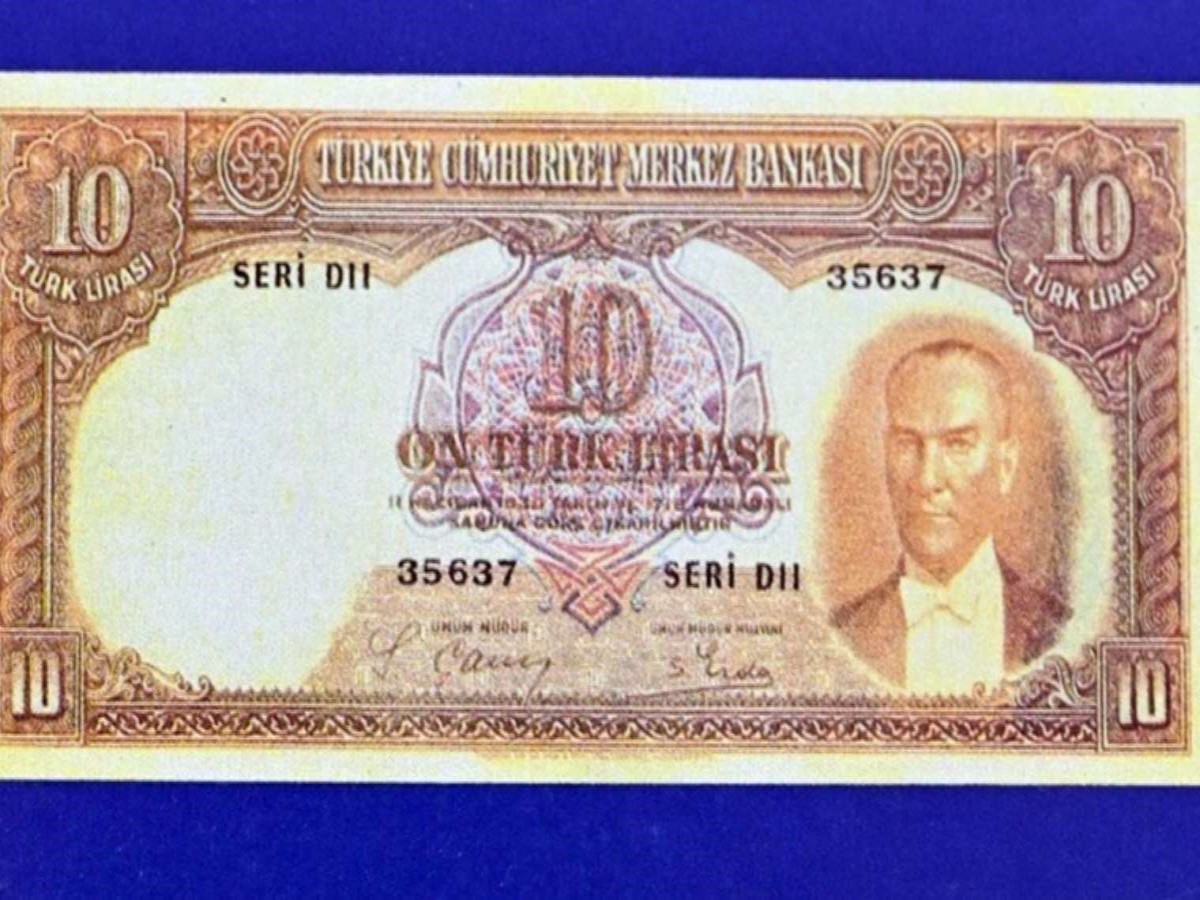
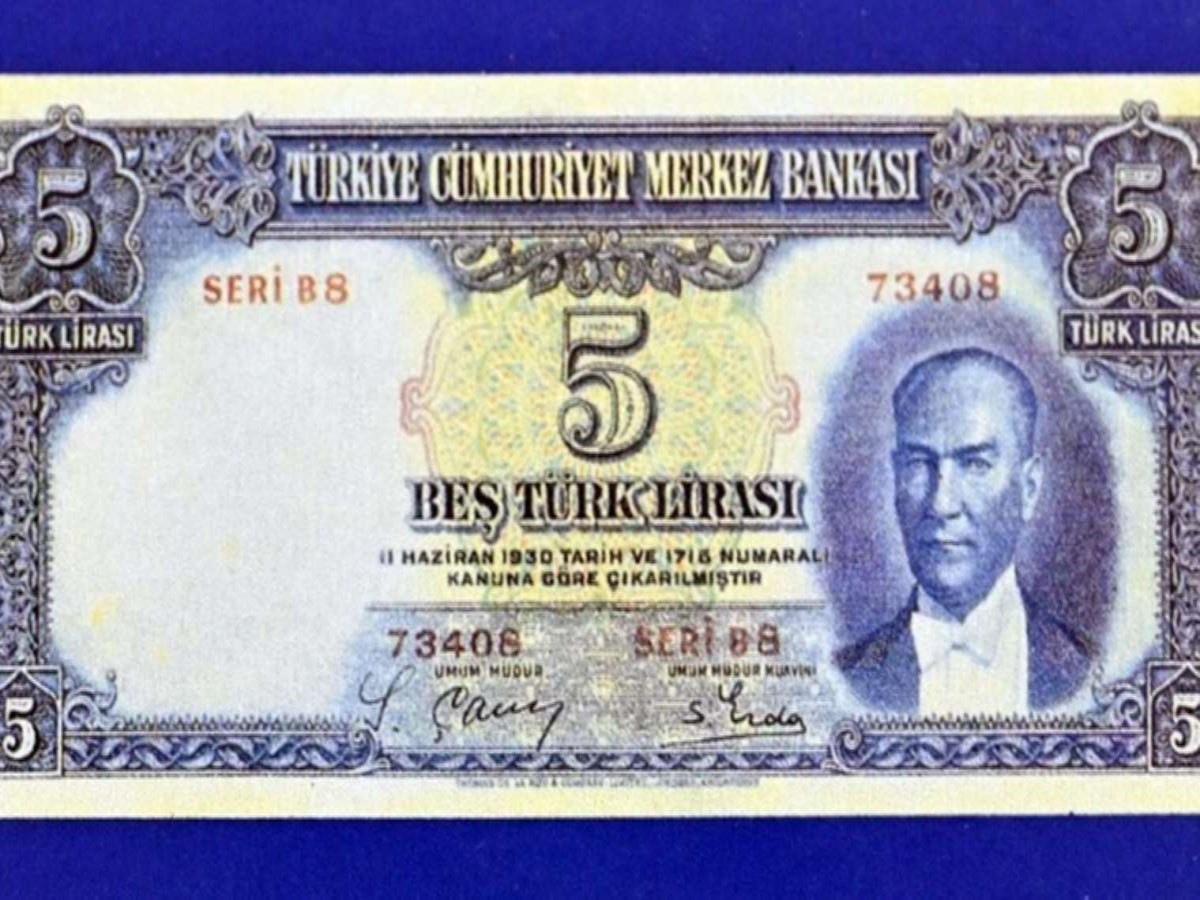
The Mint Museum also houses replicas of the 2nd emission paper currencies printed after the 1928 Alphabet Revolution. With the establishment of the Central Bank of the Republic of Türkiye (CBRT) on October 3, 1931, the authority to print money passed from the Ottoman Bank to the CBRT.
The second emission paper currencies introduced to the market by the Central Bank were designed only with Turkish Latin letters and were released on October 15, 1937. The 5 lira banknote released on this date stands out as the first paper banknote of the Republic of Türkiye printed with Latin letters.
While the second emission paper currencies were designed only with Turkish Latin letters, the 5, 10, 50, and 100 lira denominations of the new emission entered circulation in 1937 and 1938.
News Source: AA
Related News

Most Read

Striking picture for Özgür Özel's 'New Party'

Özgür Özel gives a dated response regarding the number of resignations

Forest fire in Antalya brought under control

The PKK opening and Özgür Özel’s path!..

How did the newspapers view Özgür Özel's farewell to the CHP?
Houthis strike Saudi-owned tanker

What did the CHP do?

Özel’s new party move in the world press

The New CHP, against CEHAPE

From self-efficacy to despair