

At a 21-year high: TL deposit interest rates have started to fall
TL deposit interest rates, which reached a 21-year high of 52.60 percent, have begun to decline with the start of the new year. High interest rates on deposits and shrinking loan demand have reduced banks' net interest income.



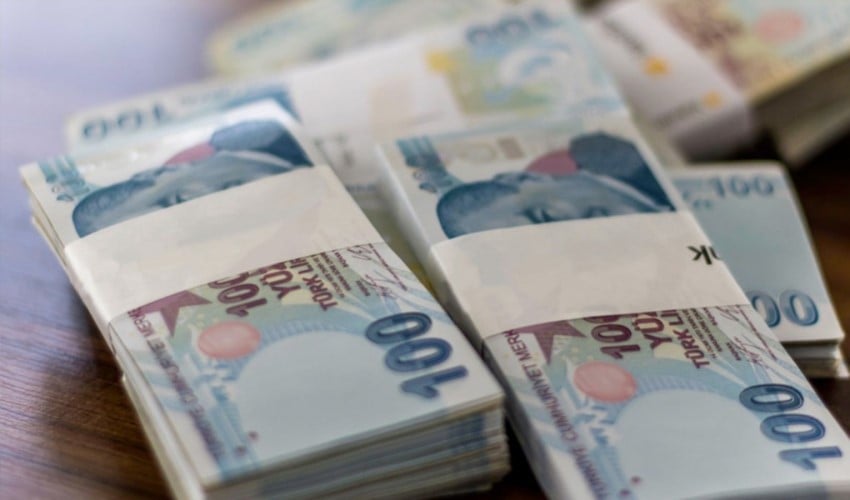
The Central Bank of the Republic of Türkiye's (CBRT) interest rate hike cycle and the exit strategy process from the Foreign Exchange Protected Deposit (KKM) scheme, in addition to rising deposit interest rates, have put pressure on bank margins due to shrinking loan demand caused by high interest rates; since the beginning of the year, some public and private banks have started to lower their deposit interest rates.
DECLINED FROM 52 PERCENT TO 44 PERCENT
According to a Reuters report; Banking sources stated that three-month average deposit interest rates, which exceeded 52 percent at the end of last year according to CBRT data, have fallen to as low as 44 percent at some banks since the beginning of the year.
The sources noted that funding costs have become a serious concern for banks, leading them to begin lowering rates to manage their spreads.
The CBRT, which kept the policy rate well below inflation until the general elections in May, causing a sharp depreciation of the TL, began interest rate hikes in June under its new management and, with the final increase in December, raised rates by a total of 3,400 basis points.
In line with the increase in the policy rate as part of the fight against inflation, loan interest rates and deposit interest rates have risen.
DECLINE IN BANKS' NET INTEREST INCOME
A senior banker stated that banks are trying to control the cost side significantly in order to manage 'spreads' well.
Net interest income, one of the important items contributing to the profit of the banking sector, fell to 632.6 billion liras in the January-November period of last year, a decrease of approximately 4 percent compared to the same period of the previous year.
The sector began to record losses from the second half of the year due to the deposit-loan interest margin that widened under the influence of regulations that came with unconventional policies before the elections, and the contraction in net interest income approached 20 percent in the summer months.
Two banking sources stated that deposit interest rates have declined in some public and private banks, while one source said, "Banks are trying to control costs. Inflation-indexed bonds will no longer make a positive contribution to banks as much as they used to."
LOAN/DEPOSIT RATIO IS FALLING
In addition to the increase in the policy rate, banks offering higher deposit interest rates to make TL deposits attractive as part of the exit strategy from KKM (FX-protected deposit scheme) increased TL deposits, while loan demand retreated due to high interest rates.
As a result, the TL loan-to-deposit ratio also declined. The ratio of TL loans to domestic TL deposits fell from 110 percent in January last year to 95 percent in November. This means that while banks are holding more deposits at high interest rates, they are facing cost pressure due to the decline in loan demand caused by those high rates.
Financial sector consultant and economist Arda Tunca stated, "Demand for commercial loans is quite weak. Banks' coffers are full of deposits, but it is difficult for them to convert these into loans."
Tunca pointed out that loan-to-deposit ratios, which were over 100 percent until 2-3 months ago, have fallen to around 80 percent, noting that this means banks are holding more deposits than they need.
News Source: 12punto
Most Read

Striking picture for Özgür Özel's 'New Party'

The PKK opening and Özgür Özel’s path!..

How did the newspapers view Özgür Özel's farewell to the CHP?

He killed his wife by slitting her throat: Their children witnessed the moments

What did the CHP do?

Özel’s new party move in the world press

The New CHP, against CEHAPE

Fire at TUSAŞ engine factory in Eskişehir under control

From self-efficacy to despair

Kılıçdaroğlu's first message on Özgür Özel's new party announcement