

Bad news for those charging electric vehicles at home
The Last Resort Supply Tariff limits, which came into effect on February 1, will pave the way for subscribers who consume 5,000 kWh or more of energy per year to pay twice as much.



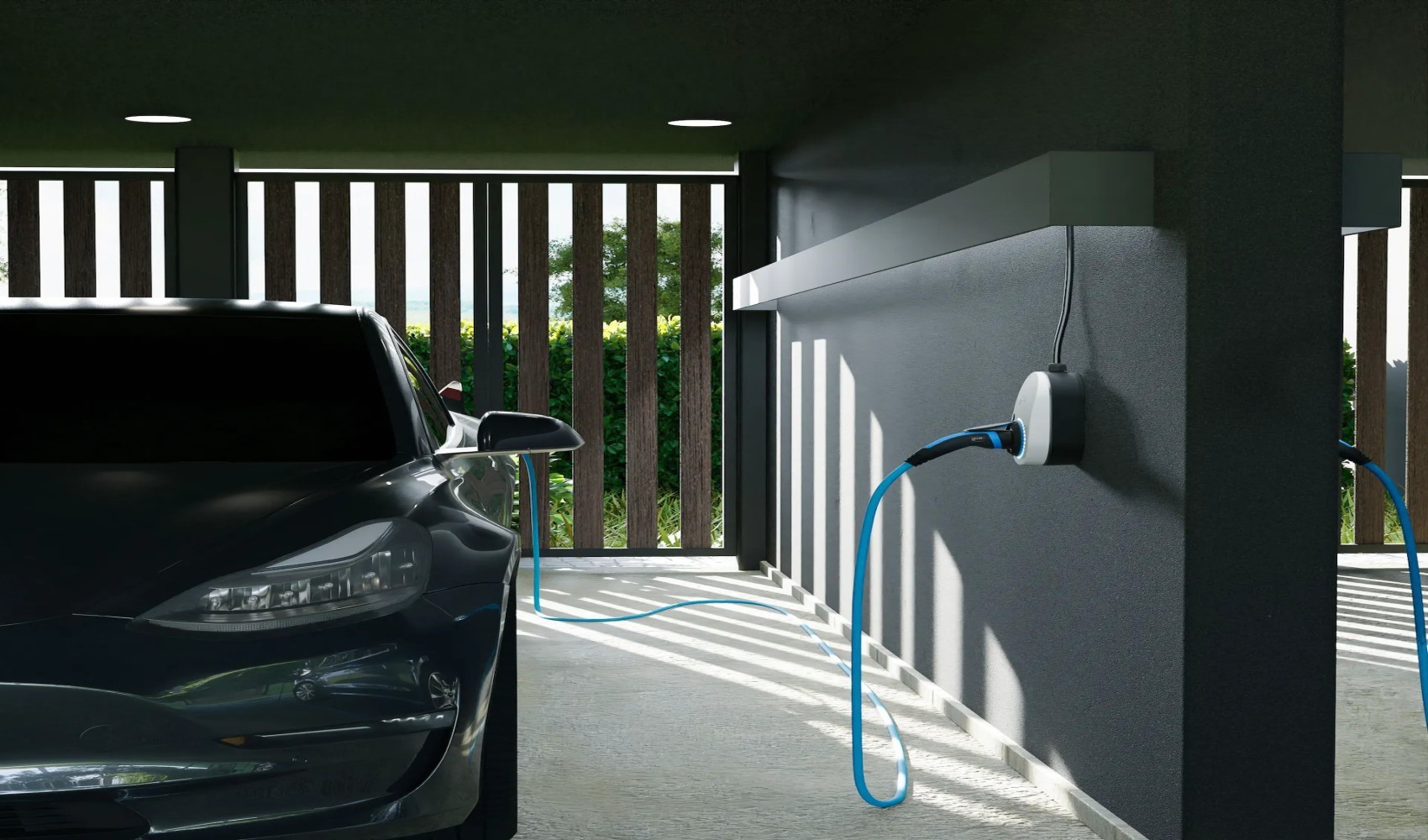
A decision published in the Official Gazette on November 16, 2024, by the Energy Market Regulatory Authority (EPDK) will negatively affect consumers who charge their electric vehicles at home units.
The Last Resort Supply Tariff (SKTT) limits, which came into effect as of February 1, 2025, will pave the way for subscribers who consume 5,000 kWh or more of energy per year to pay at least twice as much on their bills. According to the new tariff, subscribers who consumed 5,000 kWh or more of electricity in total in 2024 will switch to the new tariff as of February 1, 2025, and will pay a bill nearly double their current consumption. Those who did not exceed this limit in 2024 but reach this value during 2025 will also fall under this scope.
Evaluating the new practice, Alper Kalaycı, Chairman of the Board of the Energy Industrialists and Business People Association (ENSİA), stated that limiting annual consumption in residences to 5,000 kWh would hurt the pockets of many consumers, and emphasized that as this limit is gradually lowered in the coming years, more consumers will be included in the scope.
ANNUAL LIMIT VALUE WILL BE EXCEEDED BY VEHICLE CHARGING ALONE
Pointing out that consumers who charge their increasingly popular electric vehicles with units installed in their homes will face high electricity bills starting this month, Kalaycı emphasized that the practice also carries the risk of disrupting the market order, which should be fair.
Alper Kalaycı stated, "According to today's battery technologies, an electric vehicle consumes an average of 18 kWh of electrical energy per 100 kilometers of driving distance. A driver who travels 30,000 km per year will spend 5,400 kWh per year if they want to charge their vehicle at home, and will far exceed the limit value introduced by the SKTT with vehicle charging alone. In units that offer fast charging in accordance with the infrastructure in residences, this consumption will increase even further. When household consumption outside of the vehicle is added, consumers will face figures they never anticipated."
"IT IS NOT FAIR FOR THOSE WITH HIGH CONSUMPTION"
Emphasizing that citizens who contribute to the green transition and increase their electrification should be encouraged rather than punished with high unit prices for high consumption, Alper Kalaycı made the following assessment:
"Those who abandon their gasoline or diesel vehicles to buy electric cars, and those who leave their natural gas boilers to switch to heat pumps are actually the people leading the green transition. But now, with the update of the SKTT limits, these people will be directly exposed to the high tariff. While the new regulation creates a barrier that prevents the reduction of consumer costs within the framework of the free market mechanism, it also creates a situation that could increase consumer grievances. This will be an unfair practice, especially for consumers with high consumption."
THE SHARE OF ELECTRIFICATION IS INCREASING
ENSİA Chairman of the Board Alper Kalaycı emphasized that according to the Energy Efficiency Report of the SHURA Energy Transition Center, the increase in electricity consumption due to electrification will be 6.6 TWh in 2030. Noting that in line with current policies, the share of electrification in final energy consumption will reach 24% in 2030 and 30% in 2050, Kalaycı added that the electrification of energy-consuming sectors, especially heating and transportation, is of vital importance for Turkey's energy transition strategy.
News Source: 12punto
Most Read

Striking picture for Özgür Özel's 'New Party'

The PKK opening and Özgür Özel’s path!..

How did the newspapers view Özgür Özel's farewell to the CHP?

He killed his wife by slitting her throat: Their children witnessed the moments

What did the CHP do?

Özel’s new party move in the world press

The New CHP, against CEHAPE

Fire at TUSAŞ engine factory in Eskişehir under control

From self-efficacy to despair

Kılıçdaroğlu's first message on Özgür Özel's new party announcement