

Bus companies reduce services due to high costs
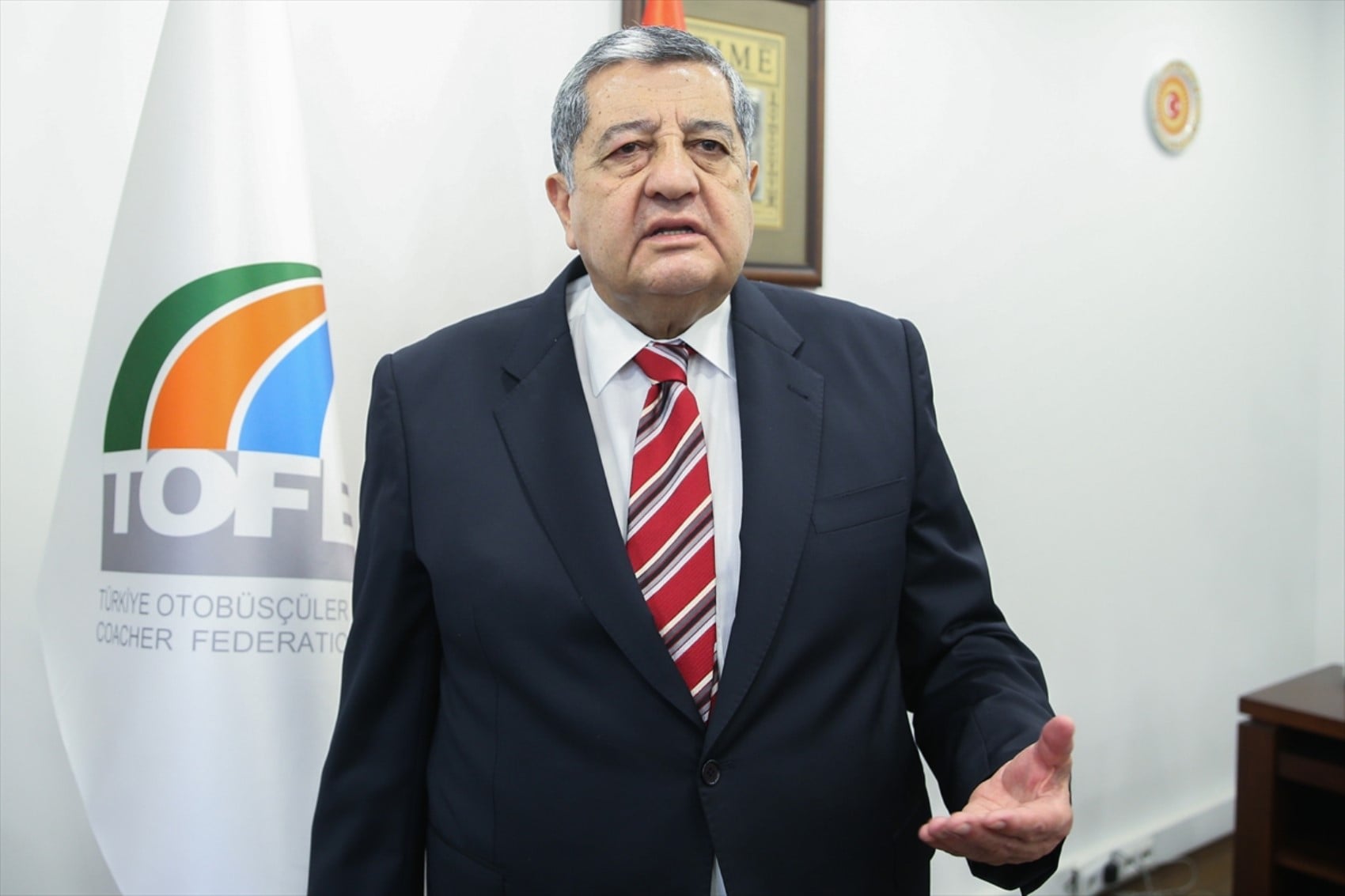
The price gap between bus and plane tickets in intercity passenger transport has begun to close on many routes. Birol Özcan, President of the Turkish Bus Operators Federation, announced that ticket prices could not be increased in parallel with expenses due to rising costs and that the number of companies has decreased significantly over the last five years. Stating that competition from airlines and high-speed trains has led to a loss of passengers, Özcan noted that service cancellations are increasing and that new regulations are needed for the sustainability of the sector.



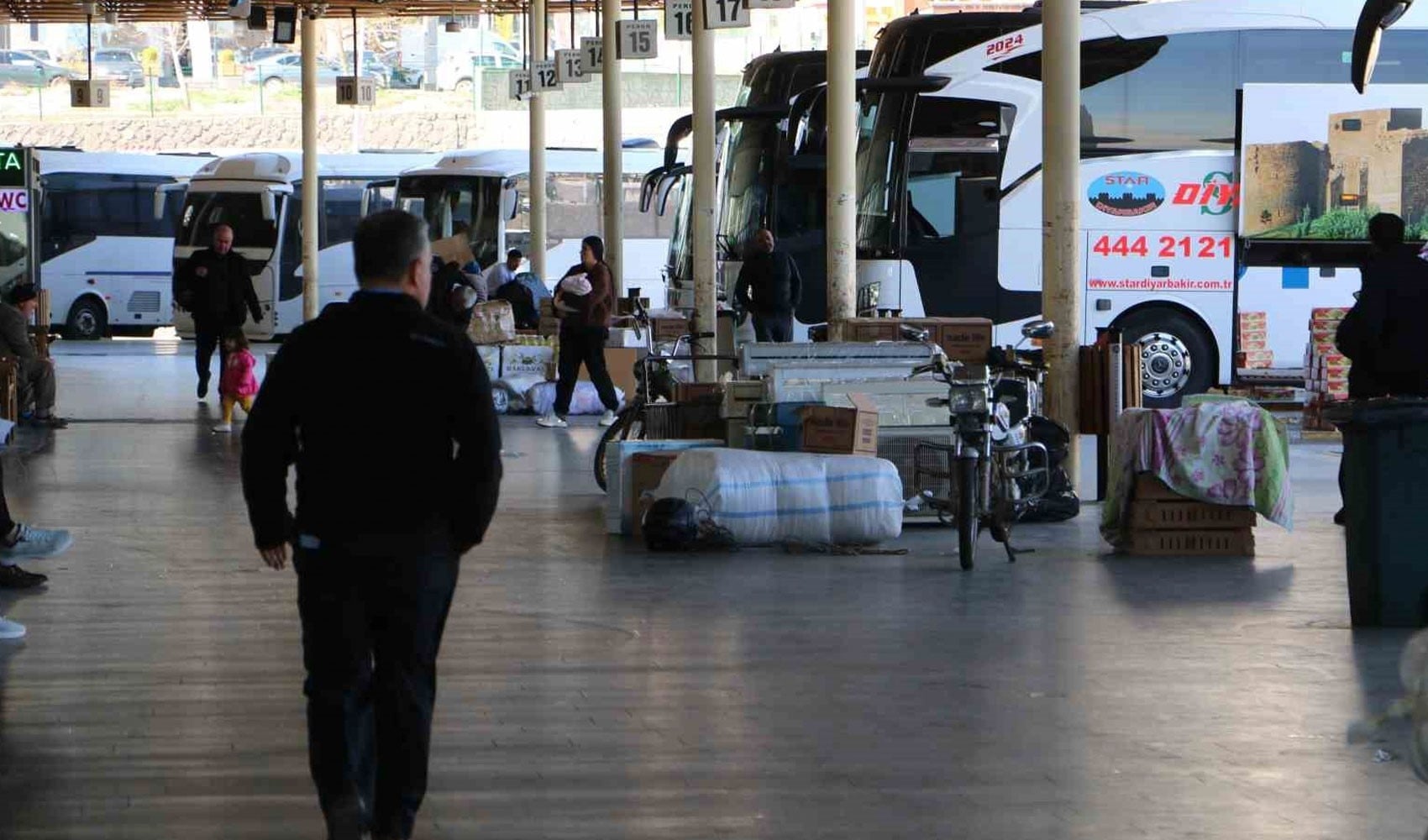
Price balances in intercity passenger transport have begun to shift. On some main routes, bus tickets are approaching the same level as air travel, while on other routes, air travel is offered at lower prices. While plane tickets on the Istanbul–Bodrum route start at 850 TL, bus tickets on the same route are sold starting from 1,200 TL.
THE SECTOR ENTERED 2025 UNDER FINANCIAL PRESSURE
According to the report by Songül Dalgıç Bilgili from Nefes, Birol Özcan, President of the Turkish Bus Operators Federation (TOFED), stated that road passenger transport is facing serious cost pressures as of 2025. He expressed that high inflation and the increase in basic expenses have made the sector's operating conditions difficult.
EXPENSES INCREASED, COULD NOT BE REFLECTED IN TICKETS
Özcan stated that the costs that increased throughout the year could not be sufficiently reflected in ticket prices, noting that the rise in depreciation, spare parts, personnel, and insurance expenses in particular has negatively affected the financial structure of the companies.
THE NUMBER OF COMPANIES ABOVE 500 HAS DROPPED TO THE 300S
Stating that the number of main companies holding D1 and B1 authorization certificates across Turkey has declined significantly in the last five years, Özcan said that the number of companies, which was over 500, has fallen to the 300s. He stated that some local companies have withdrawn from the sector, while others have come under the umbrella of major brands.
FUEL COSTS HAVE BECOME THE DETERMINING FACTOR
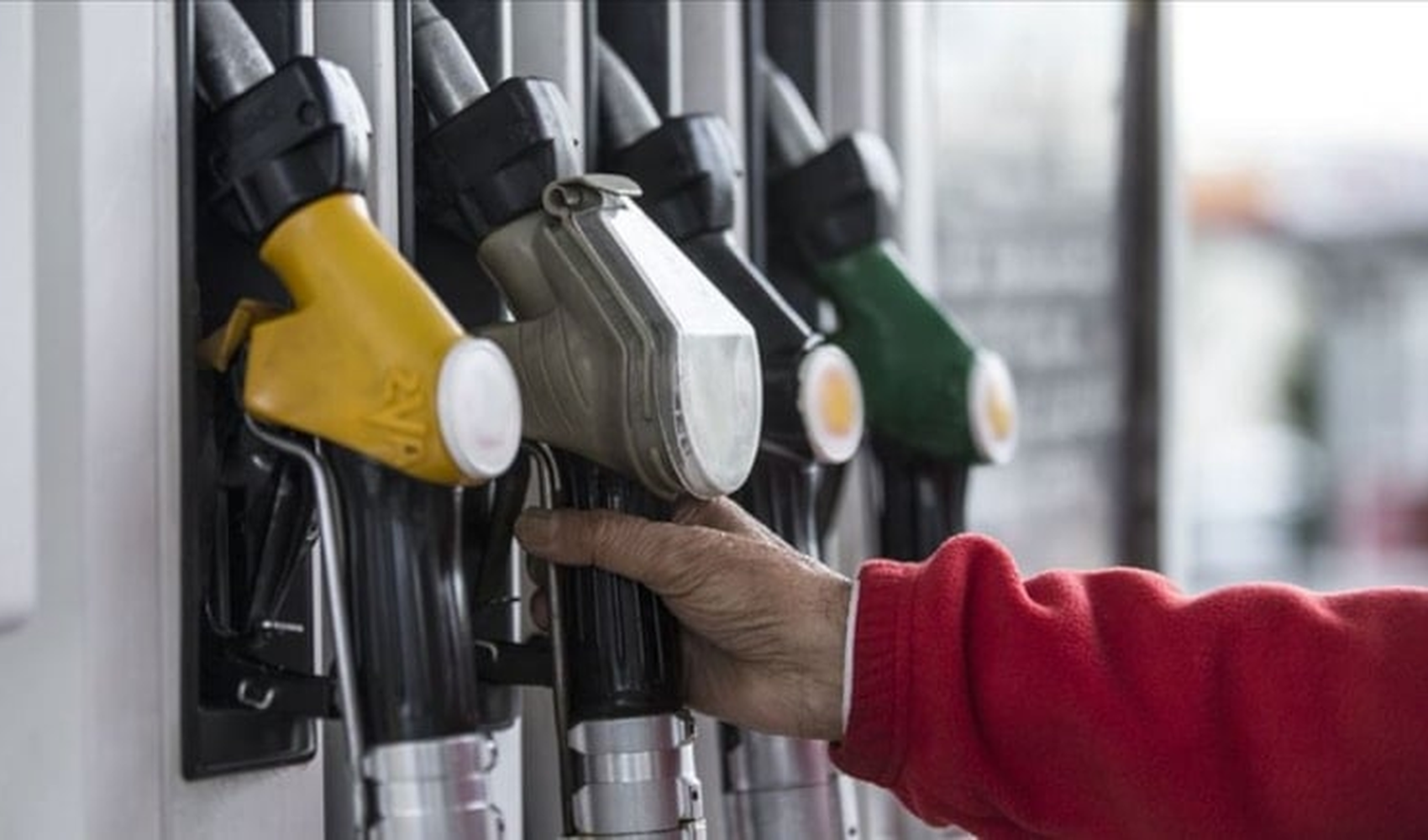
Stating that fuel accounts for approximately 60 percent of sector expenses, Özcan expressed that fuel price increases experienced since 2020 have far exceeded ticket prices. He reminded that although bus transport has the nature of a public service, no special privileges are applied to fuel prices.
NUMBER OF SERVICES IS FALLING, BUSES ARE WAITING
Stating that the early booking and flexible pricing practices of airline companies have caused a loss of passengers, Özcan said that this situation has increased service cancellations. He shared the information that while 1,800–2,000 buses were departing daily from major bus terminals in Istanbul before the pandemic, this number has now fallen to the 800 level.
YHT LINES INCREASED PASSENGER LOSS
Stating that the number of bus passengers has decreased by 35–40 percent on the Ankara–Istanbul, Ankara–Sivas, and Konya routes where high-speed train (YHT) lines are active, Özcan reported that services with an occupancy rate of less than 50 percent are being merged or cancelled.
REGULATORY DEMANDS FOR THE SECTOR
Emphasizing that the floor price application must be maintained to prevent destructive competition in the sector, Özcan drew attention to the importance of reducing the VAT rate, applying special tariffs for bridge and highway tolls, and providing fuel support for commercial transport.
News Source: 12punto
Most Read

Striking picture for Özgür Özel's 'New Party'

The PKK opening and Özgür Özel’s path!..

How did the newspapers view Özgür Özel's farewell to the CHP?

He killed his wife by slitting her throat: Their children witnessed the moments

What did the CHP do?

Özel’s new party move in the world press

The New CHP, against CEHAPE

Fire at TUSAŞ engine factory in Eskişehir under control

From self-efficacy to despair

Kılıçdaroğlu's first message on Özgür Özel's new party announcement