

Central banks of the global economy set their interest rate course in the same week
The meetings held by the world's major central banks one after another this week have the potential to shape shifts in global interest rate policies and market expectations.



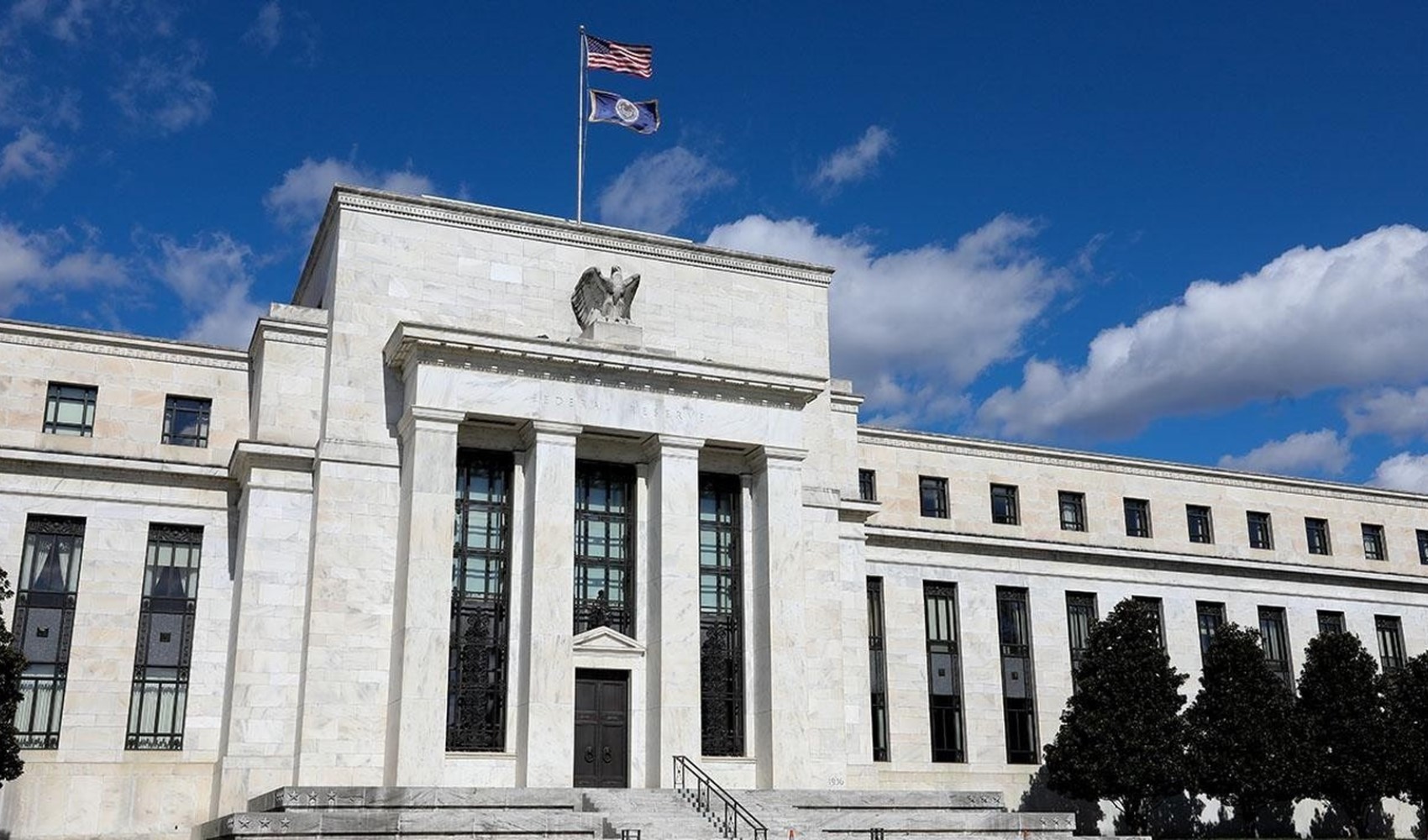
This week, the monetary policy meetings of the US Federal Reserve (Fed), the Bank of Japan (BOJ), the Bank of England (BOE), and the Reserve Bank of Australia (RBA) are at the center of global financial markets. These simultaneous meetings, which have occurred only three times in the last decade, are expected to reduce uncertainties regarding how interest rate decisions and economic dynamics will take shape in the coming period.
Following the Bank of Japan's two-day meeting, a 0.25% interest rate hike is on the agenda this week. If expectations are met, the BOJ will raise its benchmark interest rate to the 1% level for the first time in nearly thirty years. The BOJ raising rates for the first time since December could signal a new era in global monetary policy.
On the Reserve Bank of Australia side, after three interest rate hikes this year, it is anticipated that rates will be kept steady at the current meeting. The last interest rate hike occurred last May, and market participants do not expect a change at this stage.
The Fed's Federal Open Market Committee will meet on Wednesday for the first time under the leadership of its new chair, Kevin Warsh. Analysts predict that the Fed, which has maintained a stable stance in the fight against inflation, will keep the current interest rate level unchanged.
The Bank of England will announce its decision on Thursday. It is stated that the BOE is closely monitoring the effects of rising energy costs and growth dynamics, and is inclined to keep interest rates unchanged at this meeting as well. In this assessment, the view of Wells Fargo chief economist Tom Porcelli that “the BOE should wait for more data regarding the reflections of inflation and the course of growth” was included. At the previous meeting in April, attention was also drawn to the pressure of rapid energy price increases in the UK on businesses.
The fact that these four major central banks are announcing their policy decisions within the same week could open the door to significant fluctuations in risk appetite, exchange rates, and bond markets in global markets. According to Dow Jones Market Data, a similar calendar has occurred only three times in the last decade and has been closely watched by global investors each time.
The Central Bank of Brazil's interest rate decision will also be on the table this week. Unlike other major central banks, a possible cut in the benchmark interest rate in Brazil, which is at the 14.5% level, reveals a different policy approach for emerging markets.
In conclusion, the consecutive meetings of central banks point to a week where the steps taken by global policymakers in capturing the delicate balance between fighting inflation and economic growth will be decisive.
News Source: 12punto
Most Read

Striking picture for Özgür Özel's 'New Party'

Özgür Özel gives a dated response regarding the number of resignations

Forest fire in Antalya brought under control

The PKK opening and Özgür Özel’s path!..

How did the newspapers view Özgür Özel's farewell to the CHP?

He killed his wife by slitting her throat: Their children witnessed the moments

What did the CHP do?

Özel’s new party move in the world press

The New CHP, against CEHAPE

Fire at TUSAŞ engine factory in Eskişehir under control