

TÜİK poverty data released
TÜİK has released its poverty data for 2024. While the poverty rate was determined to be 13.6 percent, the proportion of individuals facing economic hardship remained high. Although the rate of material and social deprivation has decreased, households continue to face various economic challenges.



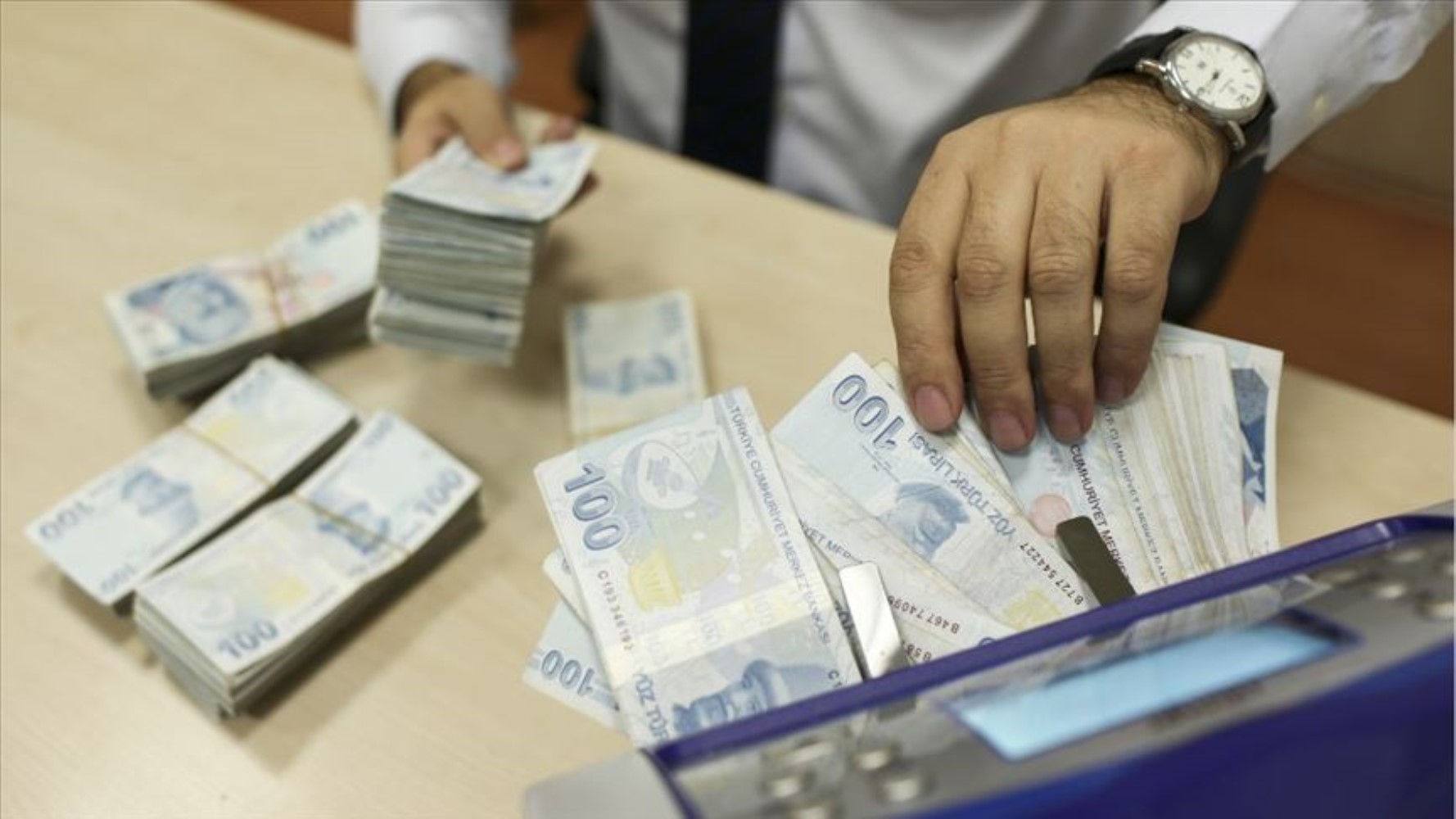
The Turkish Statistical Institute (TÜİK) has released its "Poverty and Living Conditions Statistics" for 2024.
Accordingly, based on the poverty threshold calculated by taking 50 percent of the equivalized household disposable median income, the poverty rate increased by 0.1 percentage points in 2024 to 13.6 percent.
57.5 percent of individuals declared that they could not afford a one-week holiday away from home, 39.3 percent could not afford a meal containing meat, chicken, or fish every two days, 26.8 percent could not afford unexpected expenses, 15.1 percent could not afford to heat their homes, and 59.6 percent could not afford to replace worn-out furniture.

The poverty rate calculated based on the poverty threshold determined by taking 60 percent of the median income was 21.2 percent this year, a decrease of 0.1 percentage points.
According to the poverty threshold determined by taking 40 percent of the equivalized household disposable median income, the poverty rate fell by 0.1 percentage points compared to last year to 6.9 percent.
The poverty rate calculated based on the poverty threshold determined by taking 70 percent of the median income was recorded as 28.9 percent, a decrease of 0.1 percentage points compared to last year.

POVERTY DECREASED IN SINGLE-PERSON HOUSEHOLDS
When looking at poverty rates calculated by taking 50 percent of the equivalized household disposable median income by household type, the poverty rate in single-person households decreased by 0.8 percentage points compared to last year to 6.5 percent, while it increased by 3.1 percentage points to 10.8 percent in households consisting of more than one person without a nuclear family.
POVERTY RATE INCREASED IN NUCLEAR FAMILIES
The poverty rate of households consisting of at least one nuclear family and other persons increased by 0.9 percentage points to 17.9 percent, while the poverty rate of households consisting of a single nuclear family increased by 0.1 percentage points to 13.4 percent.
The material and social deprivation rate, which was 14.4 percent in 2023, decreased by 1.1 percentage points to 13.3 percent in the 2024 survey results.
DECREASE IN MATERIAL AND SOCIAL DEPRIVATION RATE
In the calculation of the material and social deprivation rate, variables at the household level were queried, including car ownership, the ability to cover unexpected economic expenses, the ability to afford a one-week holiday away from home, the ability to pay rent, housing loans, and interest-bearing debts, the ability to eat a meal containing meat, chicken, or fish every two days, the ability to meet the home's heating needs, and the ability to replace furniture when it becomes worn out.
Variables collected at the individual level for this rate were determined as the ability to replace worn-out clothes with new ones, the ability to own two pairs of proper shoes, the ability to meet with friends at least once a month, the ability to participate in paid leisure activities, the ability to spend some money on oneself to feel good, and internet access for personal use.

The material and social deprivation rate, defined as the proportion of those who cannot afford at least 7 out of the 13 items in question, was estimated at 13.3 percent in the 2024 results, a decrease of 1.1 percentage points from 14.4 percent last year.
PERSISTENT POVERTY RATE IS 13.7 PERCENT
The persistent poverty rate, calculated using four-year panel data, covers individuals who are poor in the last year and in at least two of the previous three years, based on 60 percent of the equivalized household disposable median income.
Accordingly, based on the 2024 results, the persistent poverty rate was calculated as 13.7 percent, an increase of 0.7 percentage points compared to last year.

POVERTY RATES BY PROVINCE ALSO RELEASED
According to the poverty threshold calculated based on 50 percent of the equivalized household disposable median income for each NUTS 2 region, the regions with the highest relative income-based poverty rates were TR71 (Kırıkkale, Aksaray, Niğde, Nevşehir, Kırşehir) with 14.6 percent and TR82 (Kastamonu, Çankırı, Sinop) with 12.3 percent.
The NUTS 2 regions with the lowest relative poverty rates were determined as TRC1 (Gaziantep, Adıyaman, Kilis) with 4.7 percent and TRC2 (Şanlıurfa, Diyarbakır) with 6.4 percent.
74.8 PERCENT OF THE POPULATION WAS NEVER POOR
When examining the duration of poverty calculated based on 50 percent of the median income using four-year panel data, 10.1 percent of individuals remained in poverty for one year within four years, 6.5 percent for two years, 4.3 percent for three years, and 4.3 percent for four years (during the panel period). 74.8 percent of the population never fell below the poverty line during the four years.
While 31.3 percent of the non-institutional population experienced problems such as leaking roofs, damp walls, or rotten window frames, 30.2 percent faced heating problems due to poor insulation in their homes, and 21.7 percent encountered air pollution, environmental pollution, or other environmental problems caused by traffic or industry.
News Source : 12punto
Most Read

Striking picture for Özgür Özel's 'New Party'

Özgür Özel gives a dated response regarding the number of resignations

Forest fire in Antalya brought under control

The PKK opening and Özgür Özel’s path!..

How did the newspapers view Özgür Özel's farewell to the CHP?

He killed his wife by slitting her throat: Their children witnessed the moments

What did the CHP do?

Özel’s new party move in the world press

The New CHP, against CEHAPE

Fire at TUSAŞ engine factory in Eskişehir under control