

It hasn't been profitable for investors lately: Will the decline in the dollar continue? 'This is the path the US prefers'
As the dollar loses value following the tariffs announced by US President Donald Trump, there is curiosity about whether this decline will continue. Experts suggest that while it will maintain its status as a reserve currency, its depreciation may not stop. Here are the details...



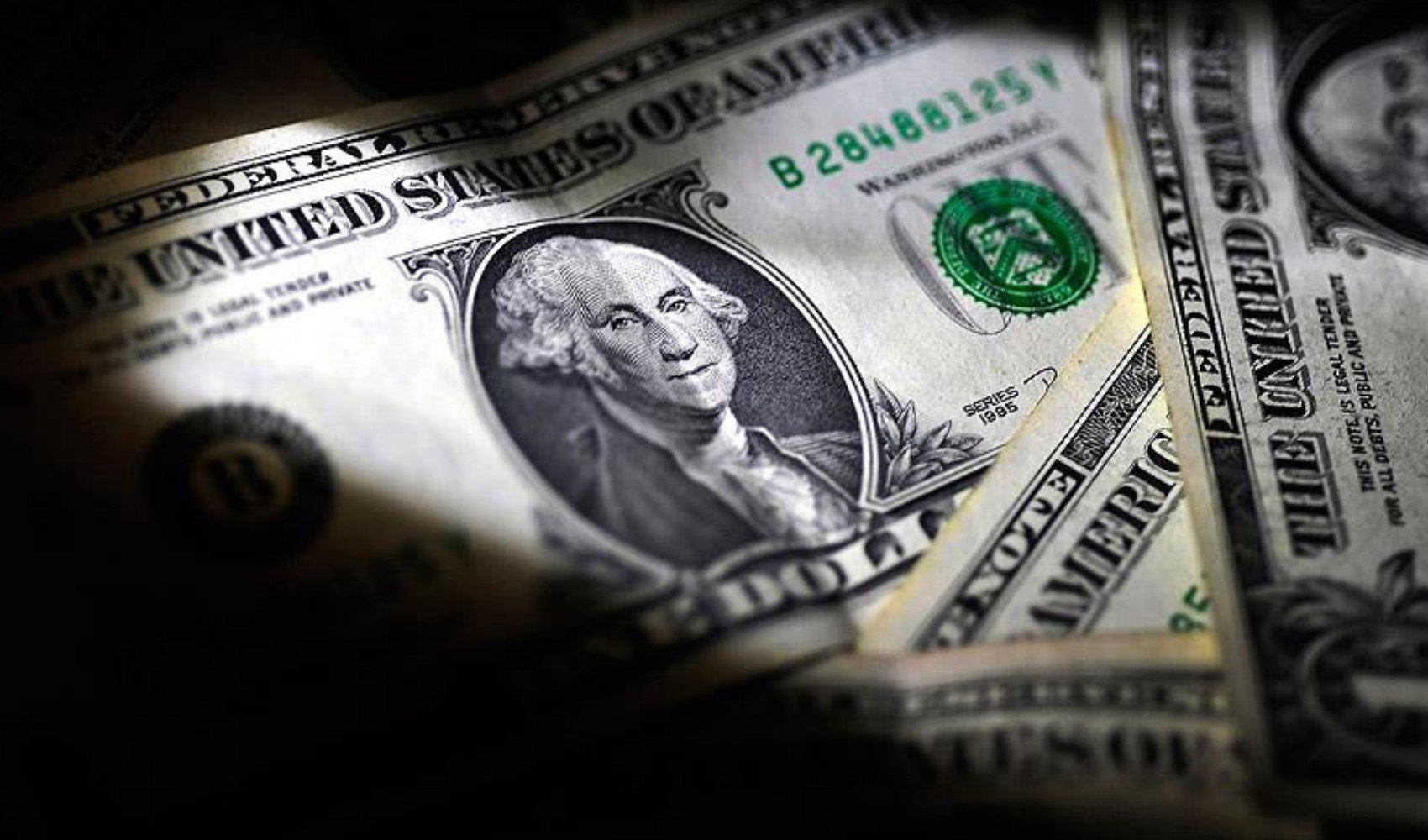
The "day of reckoning" tariffs announced by US President Donald Trump in early April have caused volatility in global markets, and the US dollar has been negatively affected by this process. Struggling to recover since those announcements, the dollar is still in a period of depreciation according to analysts.
The ICE US Dollar Index (DXY) has lost approximately 4 percent of its value since April 2. During the same period, the S&P 500 index has shown signs of recovery, but the dollar has failed to match that performance.
ECONOMIC UNCERTAINTIES CREATE ANXIETY
A recent market note published by BofA Global Research highlighted the dollar's depreciation. Experts stated that tariff uncertainties, recession risks, and unsustainable fiscal policies are putting pressure on the markets. It was emphasized that these factors could lead to an "anxious" period during the summer months.
The report also included expectations that the overvalued dollar will continue to weaken against other major currencies. BofA strategists noted that the 90-day temporary agreement between the US and China provided only short-term relief for the dollar.
NO MAJOR CHANGE IN RESERVE CURRENCY STATUS
The dollar's status as a global reserve currency is not currently at risk. According to TS Lombard economist Dario Perkins, reserve currency statuses historically last about a century, and the dollar continues to maintain this position.
The dollar's status officially began with the 1944 Bretton Woods Agreement. Under this system, countries pegged their currencies to the dollar, and the dollar was pegged to gold. Even after President Richard Nixon severed the dollar's link to gold in 1971, the dollar maintained its weight in the global financial system.
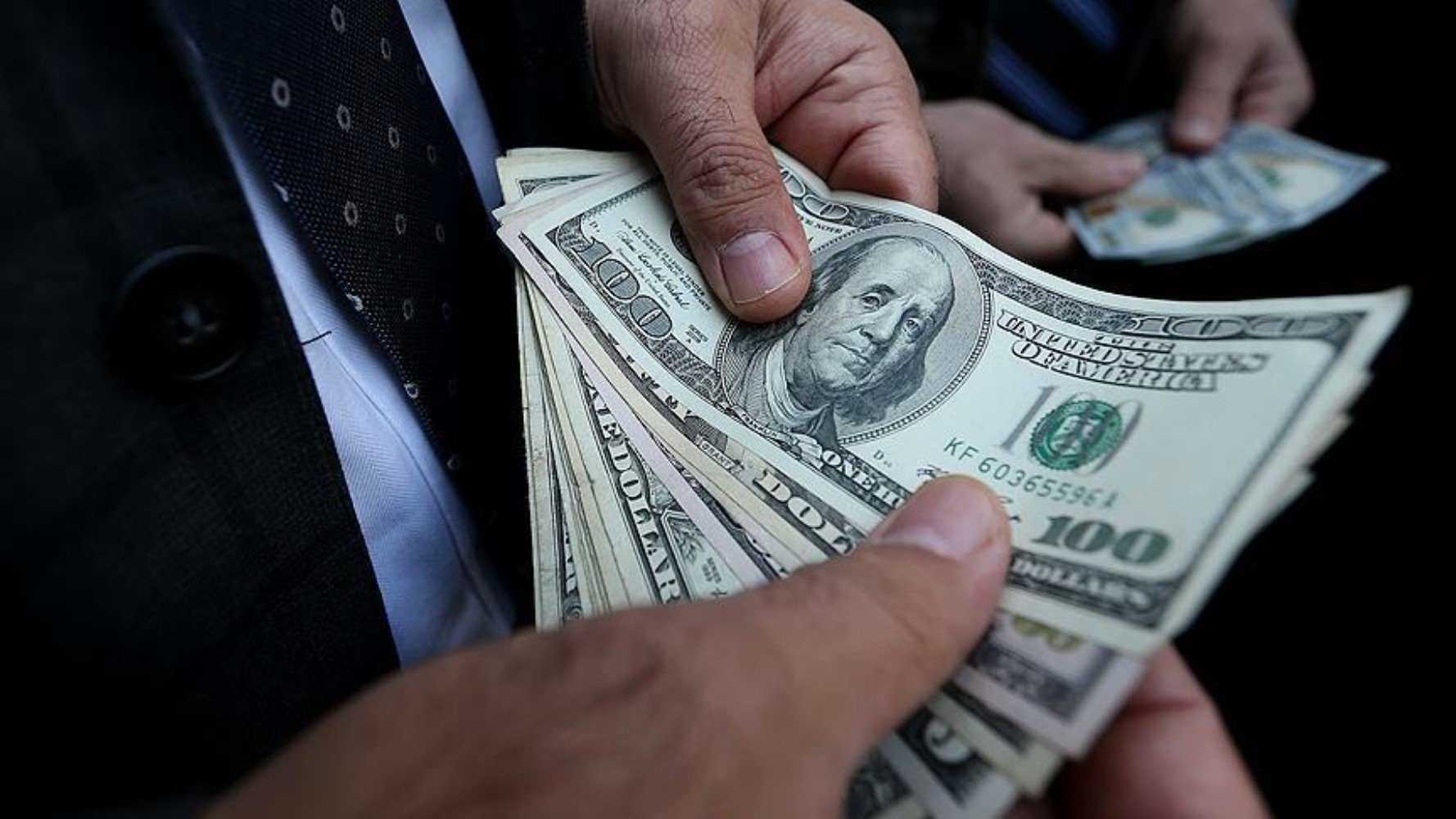
According to Perkins, the Trump administration views the dollar's reserve currency status more as a disadvantage than an advantage. This perspective holds that an overvalued dollar suppresses the US manufacturing sector and increases the foreign trade deficit. However, Perkins notes that this view does not fully grasp the structure of the system.
In his view, the claim that the US is 'forced' to run a foreign trade deficit is baseless, and a decline in the dollar's value may not necessarily mean it is losing its global dominance. On the contrary, this situation could be a result of the US's own choices.
THE DOLLAR IS FALLING BUT ITS RESERVE STATUS MAY PERSIST
Perkins states that one must be aware of the unfolding process, saying, 'While the US is economically shooting itself in the foot, the world is beginning to create its own alternatives.' As a result of these policies, a weaker dollar—as desired by the White House—may be achieved. However, this weakening does not mean that the dollar will immediately lose its reserve currency status.
Perkins told investors, 'The economic superiority of the US is no longer what it used to be. The value of the dollar may continue to fall. This is a path the US has chosen for itself.'
News Source: 12punto
Most Read

Striking picture for Özgür Özel's 'New Party'

Özgür Özel gives a dated response regarding the number of resignations

Forest fire in Antalya brought under control

The PKK opening and Özgür Özel’s path!..

How did the newspapers view Özgür Özel's farewell to the CHP?

He killed his wife by slitting her throat: Their children witnessed the moments

What did the CHP do?

Özel’s new party move in the world press

The New CHP, against CEHAPE

Fire at TUSAŞ engine factory in Eskişehir under control