

Oil prices continue their upward trend
Attacks on energy infrastructure in the Middle East and a ceasefire between the US and Iran have led to fluctuations in oil prices. As countries like Japan and the US tap into their strategic reserves, all eyes have turned to diplomatic contacts in the region.



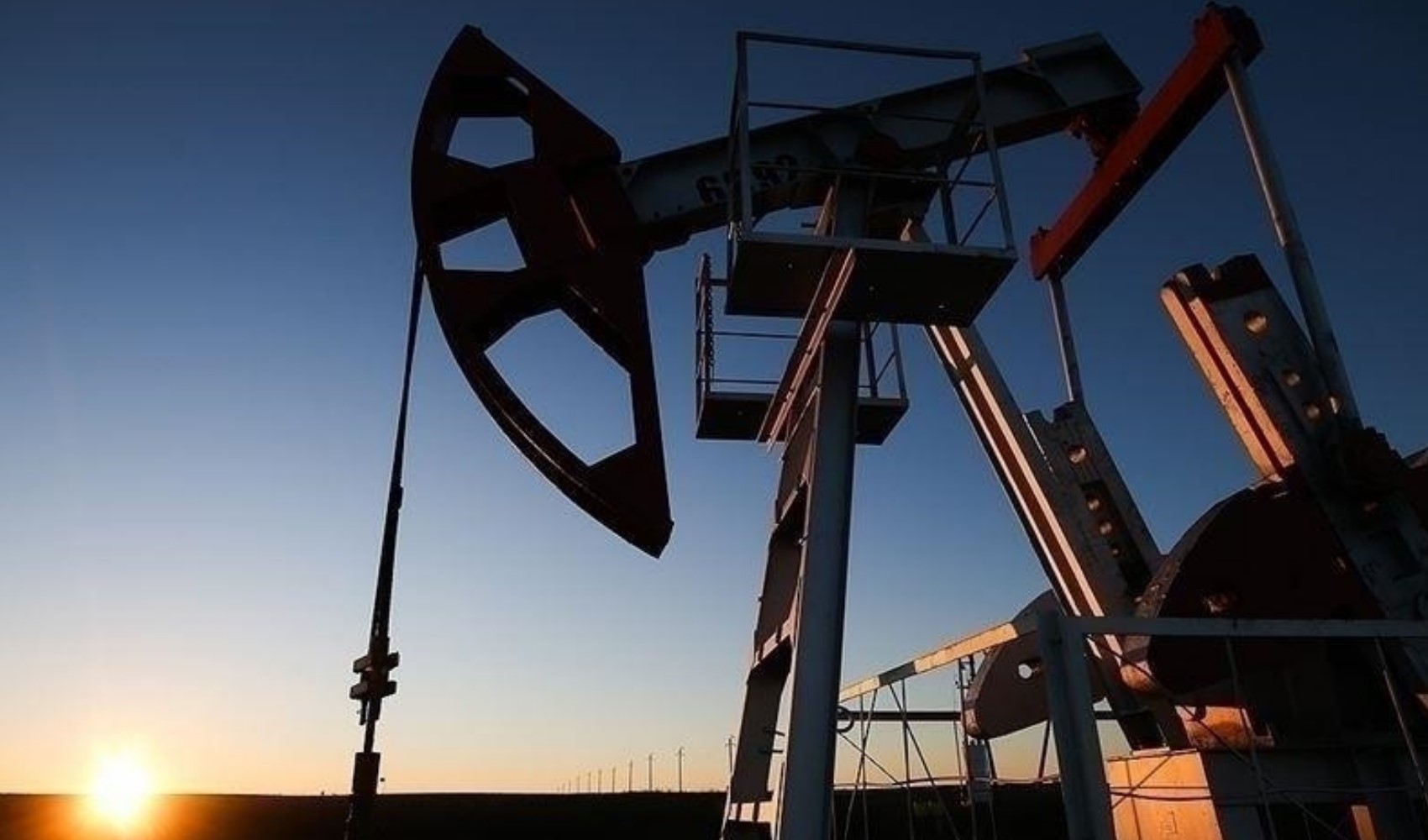
The pulse of the global energy market accelerated rapidly following attacks on Saudi Arabia's energy infrastructure. Brent crude gained 1.2 percent in recent days, nearing 97 dollars, but experienced a drop of more than 10 percent following the announcement of a ceasefire between the US and Iran on Tuesday. US crude oil, meanwhile, rose to 99 dollars per barrel.
600 THOUSAND BARRELS LOST DAILY
Saudi Arabia's state agency announced that attacks on energy infrastructure across the country have reduced oil production capacity by approximately 600 thousand barrels per day. This figure corresponds to about 10 percent of the country's total crude oil exports. Due to attacks specifically targeting the East-West pipeline passing through the Red Sea, there was a weekly loss of 700 thousand barrels of capacity per day. Kuwait announced that it had thwarted attempted attacks by unmanned aerial vehicles and that some critical facilities had been targeted.
STRATEGIC RESERVES ACTIVATED
Japan, which is heavily dependent on Middle Eastern oil, has begun releasing reserves from its strategic stockpiles due to the production disruptions. Japanese Prime Minister Sanae Takaichi stated that approximately 20 days' worth of oil would be provided from the stocks in May. The US, in response to rising energy costs, has brought up the proposal of swapping up to 30 million barrels of oil from the Strategic Petroleum Reserve.
UNCERTAINTY REGARDING LEBANON PERSISTS
US President Donald Trump expressed hope regarding the agreement reached with Iran, saying, "I am very optimistic." However, Israel's continued low-intensity attacks against the Iran-backed Hezbollah in Lebanon indicate that tensions in the region have not fully subsided. Israeli Prime Minister Benjamin Netanyahu emphasized that Israel's operations in Lebanon were not part of the US-Iran ceasefire. Trump also addressed reports of Iran charging fees to tankers passing through the Strait of Hormuz in a social media statement, saying, "There are reports that Iran is charging tankers passing through the Strait of Hormuz. This should not be happening; if it is, it must be stopped immediately."
Regarding the regional energy and security crisis, a US delegation and Iranian representatives are preparing to meet in Islamabad on Saturday. The primary agenda item for the delegation, which will be led by JD Vance, will be the security issue in the Strait of Hormuz, which has been at a near-standstill since the end of February and affects one-fifth of global oil and LNG flows.
This volatility in oil markets indicates that supply shocks and concerns regarding energy security are expected to remain high in the coming days.
News Source: 12punto
Most Read

Striking picture for Özgür Özel's 'New Party'

Özgür Özel gives a dated response regarding the number of resignations

Forest fire in Antalya brought under control

The PKK opening and Özgür Özel’s path!..
Houthis strike Saudi-owned tanker

How did the newspapers view Özgür Özel's farewell to the CHP?

What did the CHP do?

Özel’s new party move in the world press

The New CHP, against CEHAPE

From self-efficacy to despair