

Tension in the Strait of Hormuz pushes energy prices to record highs
The continued closure of the Strait of Hormuz due to the dispute between the US and Iran has triggered rapid price increases in the oil, natural gas, and coal markets.



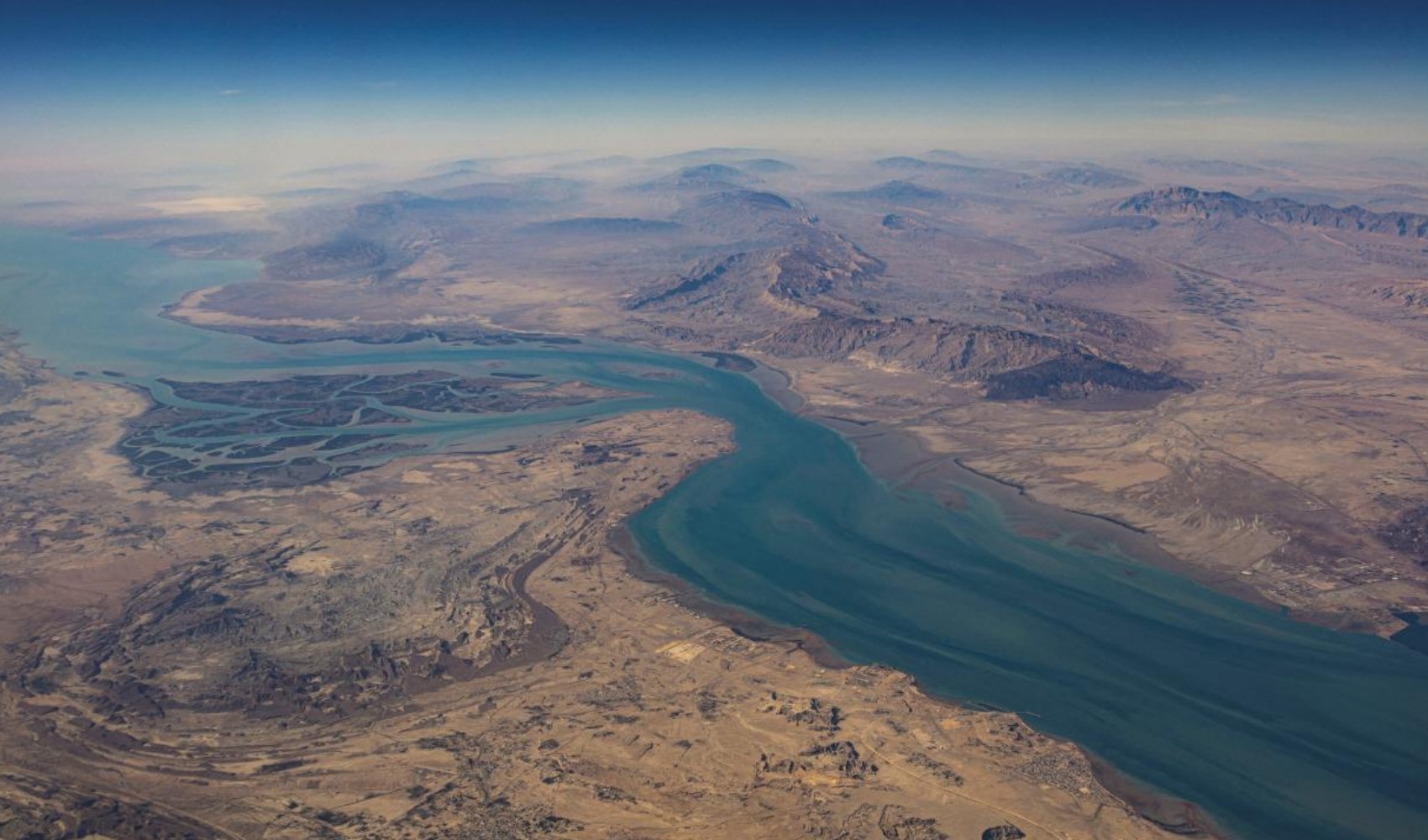
The diplomatic impasse in the Strait of Hormuz, one of the most critical points for global energy trade, has led to new records in commodity prices. With the US maintaining its naval blockade in the region, the price of a barrel of Brent crude oil rose by 16.5 percent on a weekly basis to 105.33 dollars. During the same period, West Texas Intermediate (WTI) crude oil gained 12.5 percent, reaching 94.4 dollars.
In recent weeks, ceasefires and diplomatic initiatives between the parties had provided a partial relief in energy markets. However, the US military pressure on Iran and the fact that the Strait of Hormuz remains effectively closed have led to renewed concerns over supply. The fact that the daily amount of oil passing through Hormuz accounts for approximately 20 percent of global supply is increasing pricing pressure in the markets.
RECORD LEVELS IN NATURAL GAS AND COAL AS WELL
These developments in the energy market have also been reflected in gas prices. European TTF natural gas contracts for May delivery rose to 44.86 Euros per megawatt-hour, recording a weekly increase of 15.7 percent. Following all these developments, natural gas prices have risen to approximately 43 percent above their pre-attack levels.
On the coal side, the Newcastle May futures contract price, which is the benchmark for Asian markets, showed an increase of over 15 percent compared to the pre-war period, at 133.7 Euros per ton. The increase in demand for natural gas and the fear of supply disruption have brought upward pressure on coal prices.
HORMUZ CRISIS CONTINUES
Following the start of military operations by the US and Israel against Iran, Iran announced that it had closed the Strait of Hormuz to ship traffic. Most recently, while US President Donald Trump stated that the naval blockade would continue until a ceasefire is reached, the announcement by the Islamic Revolutionary Guard Corps that it would also keep the strait closed has raised tensions once again.
The statement by US Secretary of Defense Pete Hegseth that the blockade would “last as long as necessary” has strengthened expectations that tensions in the region will not subside easily. In response to Iranian ships seized by the US in the region, Iran has intervened with some ships near Hormuz that are alleged to be linked to Israel.
DIPLOMATIC CONTACTS CONTINUE
In light of these developments, countries in the region are continuing their search for peace. Iranian Foreign Ministry Spokesperson Esmaeil Baghaei stated that during Foreign Minister Abbas Araghchi's diplomatic visits covering Pakistan, Oman, and Russia, “various contacts will be conducted for the termination of the war imposed on Iran by the US and Israel and for regional stability.”
On the other hand, the ISNA news agency stated that Araghchi would not meet with US representatives during his contacts in Pakistan. Although Iran's official statements emphasize that a stance open to diplomacy has been adopted, the uncertainty in the Strait indicates that volatility in energy markets will continue for the time being.
Due to the importance of the Strait of Hormuz in terms of energy and trade, the fact that the crisis in the region is not resolved in the near future causes oil, natural gas, and coal prices to remain at high levels in the short term. This high risk premium formed in global markets also affects the economic balances of many countries, especially energy-importing nations.
News Source: 12punto
Most Read

Striking picture for Özgür Özel's 'New Party'

Özgür Özel gives a dated response regarding the number of resignations

Forest fire in Antalya brought under control

The PKK opening and Özgür Özel’s path!..

How did the newspapers view Özgür Özel's farewell to the CHP?

He killed his wife by slitting her throat: Their children witnessed the moments

What did the CHP do?

Özel’s new party move in the world press

The New CHP, against CEHAPE

Fire at TUSAŞ engine factory in Eskişehir under control