

The heavy cost of war: Iran's decision to shake the markets
Following significant losses in the production capacity of its facilities, Iran has announced that it has suspended the export of flat steel and slabs until May 30. This decision creates new risks for the country's economic balance.



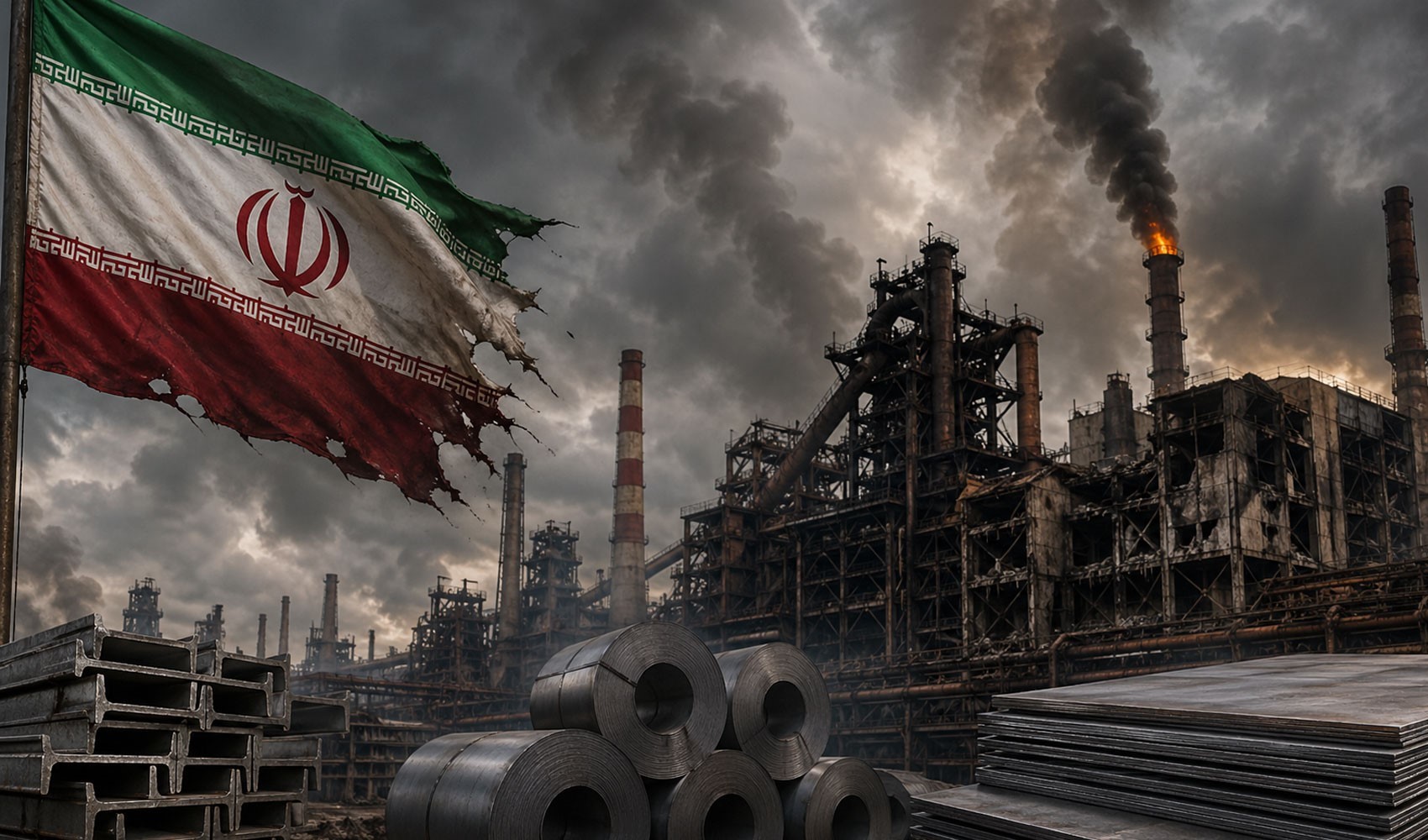
Following ongoing military tensions with Israel and the US, Iran has stated that its industrial infrastructure has suffered major damage and has temporarily banned the sale of strategically important steel products abroad. According to state media, this ban, which specifically targets slab and sheet steel exports, will remain in effect until the end of May.
The heavy bombardment of Iran's key industrial centers during the conflicts has rendered production lines inoperable. According to information highlighted in local media, approximately 25% to 30% of annual steel production, representing a total production capacity of 10 million tons, has been temporarily lost.
Among the most affected companies are the country's two giants, Mobarakeh Steel Company and Khuzestan Steel Company. As a result of the attacks, certain sections of these facilities have become completely unusable. Khuzestan Steel officials stated that it could take 6 to 12 months for production to fully resume.
WAVES IN ECONOMIC BALANCE: THREAT OF MAJOR LOSS IN EXPORTS
Steel ranks among the top non-oil revenue sources for Iran. The decline in production and export capacity signifies a serious contraction in the flow of foreign currency into the country. According to the country's economists, while the losses shake export balances, Iran's share in the global market may shift to rival countries.
In the domestic market, the supply contraction in steel products is expected to lead to cost increases in sectors such as construction and automotive, and trigger upward movement in prices. Furthermore, it is assessed that production losses will negatively affect employment, potentially leading to layoffs and pressure for an increase in local inflation.
Officials from the Iran Chamber of Commerce expect the market to stabilize within the next two months. Some local sources have stated that the resulting deficit will be addressed by accelerating imports and that speculative purchasing demands can be curbed in this way.
While uncertainties in the sector persist, it is commented that this temporary export ban imposed by Iran will cause fluctuations not only in the national economy but also in the regional steel market.
News Source: 12punto
Most Read

Striking picture for Özgür Özel's 'New Party'

Özgür Özel gives a dated response regarding the number of resignations

Forest fire in Antalya brought under control

The PKK opening and Özgür Özel’s path!..

How did the newspapers view Özgür Özel's farewell to the CHP?
Houthis strike Saudi-owned tanker

What did the CHP do?

Özel’s new party move in the world press

The New CHP, against CEHAPE

From self-efficacy to despair