

Treasury and Finance Minister Mehmet Şimşek: We will cut spending
Speaking at an event held within the scope of the International Monetary Fund-World Bank Spring Meetings, Treasury and Finance Minister Mehmet Şimşek said, "We will control expenditures as much as possible and make cuts."



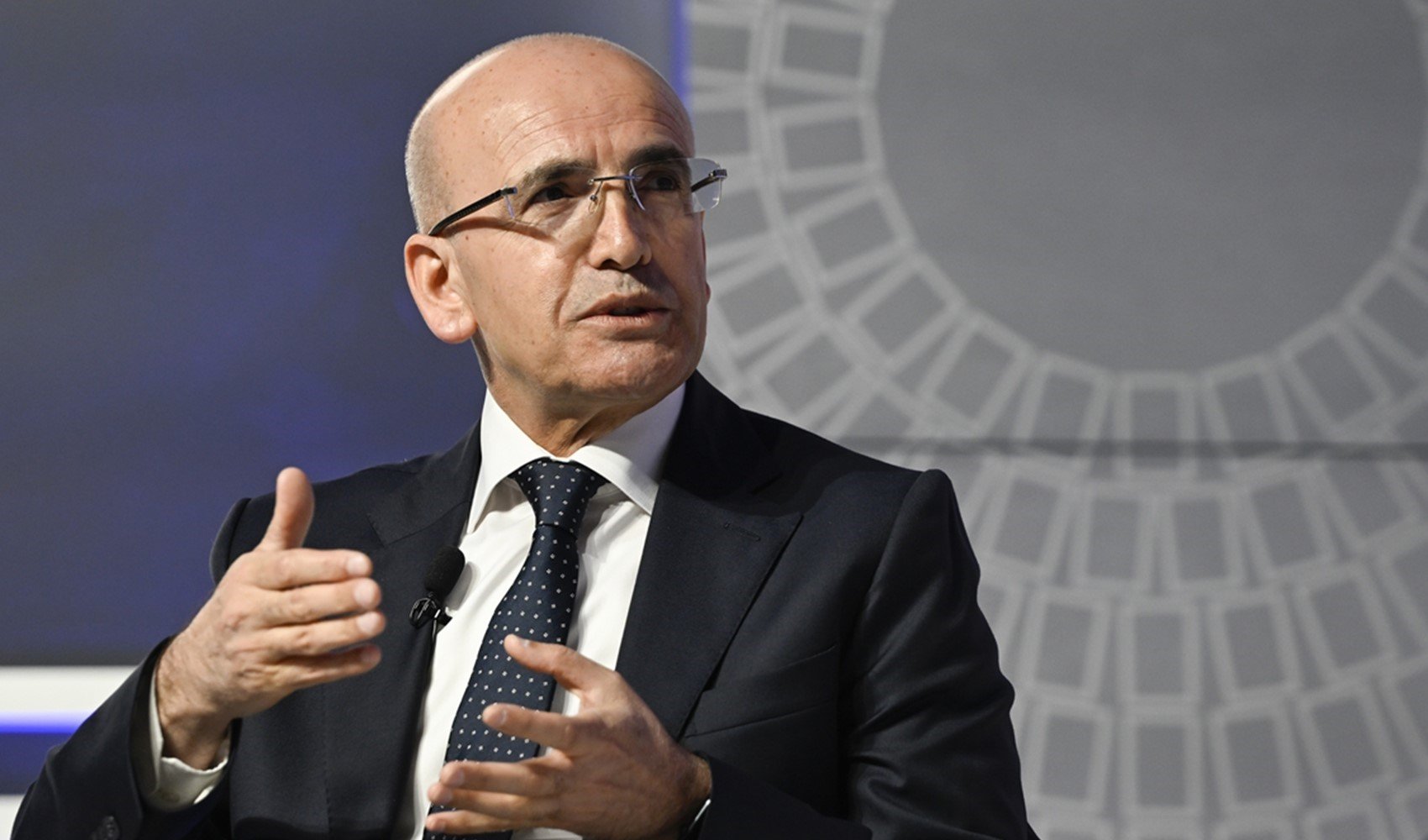
Treasury and Finance Minister Mehmet Şimşek spoke at the event titled "Turkey: Moving Forward in a Volatile Global Economy," held as part of the International Monetary Fund (IMF)-World Bank Spring Meetings.
Reiterating that the biggest challenge domestically is high inflation, Şimşek stated that their top priorities are ensuring price stability and bringing inflation down to single digits.
Şimşek noted that ensuring fiscal discipline is another key objective, adding that the disinflation process requires support from public finance.
Minister Şimşek explained that they have a comprehensive structural reform program in areas such as increasing competitiveness and productivity, improving the investment environment, combating climate change, and green and digital transformation.
Pointing out that global debt is a significant issue, Şimşek noted that while Turkey is in a better position in this regard, price stability remains the number one domestic challenge.
"THE PROCESS OF SIMPLIFICATION AND NORMALIZATION IN MONETARY POLICY CONTINUES"
Stating that there was a need to correct the course of economic policy in Turkey following the May elections won by AKP Chairman and President Recep Tayyip Erdoğan, Şimşek said that a comprehensive 3-year program was implemented after the formation of the new economic team.
Noting that one of the main pillars of the program is the normalization of monetary policy, Şimşek stated that the process of simplification and normalization in monetary policy is ongoing.
Pointing out that another component of the program is the restoration of public finance discipline, Şimşek stated that they need to tighten the fiscal stance to provide more support to the Central Bank to lower inflation.
Şimşek stated that another component of the program is structural reforms, expressing their desire to direct resources to more productive areas.
"I THINK WE HAVE REGAINED THE TRUST OF INTERNATIONAL INVESTORS"
Emphasizing that the combination of sound policies and structural reforms will help regain investor confidence, Şimşek said, "Last year, there were many questions about the longevity of the program. However, based on my meetings with investors over the last few days, I can tell you that these questions have disappeared. The questions are now more about macro issues."
Şimşek said, "I think we have regained the trust of international investors. This is also reflected in the significant decline in the credit risk premium (CDS)."
Reminding that inflation is expected to fall to 36 percent this year, 14 percent next year, and to single digits in 2026 in the Medium-Term Program (OVP), Şimşek said, "Although ambitious, we think these targets are achievable because we have a tight monetary policy that is supported. When we exclude earthquake expenditures, we also have a tight fiscal policy by international standards. There is progress, we need time to show the results."
"EFFICIENT AREAS WILL BE PRIORITIZED IN PUBLIC EXPENDITURES"
Şimşek emphasized that the current account deficit is falling, the budget deficit will narrow, and monetary policy will become fully functional.
Touching on the challenges in inflation, Şimşek said he believes the monetary policy transmission mechanism in emerging markets, especially in Turkey, is not as effective as desired and that they are working on strengthening it.
Pointing out that they have resorted to selective credit tightening and quantitative tightening, Şimşek explained that there are limits to traditional tightening.
Recalling that most of the regulations on the fiscal side last year were related to tax increases, i.e., the revenue side, Şimşek said, "This year, we have started to examine expenditures. We are looking at expenditure control and what possible expenditure cuts might be, as well as prioritizing efficient areas in spending."
Şimşek explained that when it comes to non-discretionary spending, most emerging markets generally have limited room in their budgets.
Expressing that there is an expectation regarding the control of expenditures, Şimşek said, "We will achieve this; we will control expenditures as much as possible and make cuts."
When asked whether the monetary tightening cycle has ended, Şimşek replied, "It would not be appropriate for a finance minister to comment on the monetary policy stance. As an economist, of course, I have my own views, but it would not be right to express them."
Upon the moderator saying, "So you respect the independence of the central bank," Şimşek said, "Absolutely."
Stating that what is happening in the Middle East is 'worrying,' Şimşek noted that he thinks respect for the rules-based system and international humanitarian law is clearly weak.
Pointing out that when it comes to geopolitical tensions, there are effects such as high energy prices even if one is not directly involved, Şimşek reminded that Turkey's energy imports were at the level of 97 billion dollars in 2022. Expressing that risks tend to be higher due to the uncertainty created by conflicts, Şimşek said that the region needs peace and prosperity.
Stating that fragmentation and protectionism in trade are in no one's interest, Şimşek expressed that the world needs to return to a rules-based, inclusive, and fair order.
News Source: AA
Most Read

Striking picture for Özgür Özel's 'New Party'

Özgür Özel gives a dated response regarding the number of resignations

Forest fire in Antalya brought under control

The PKK opening and Özgür Özel’s path!..
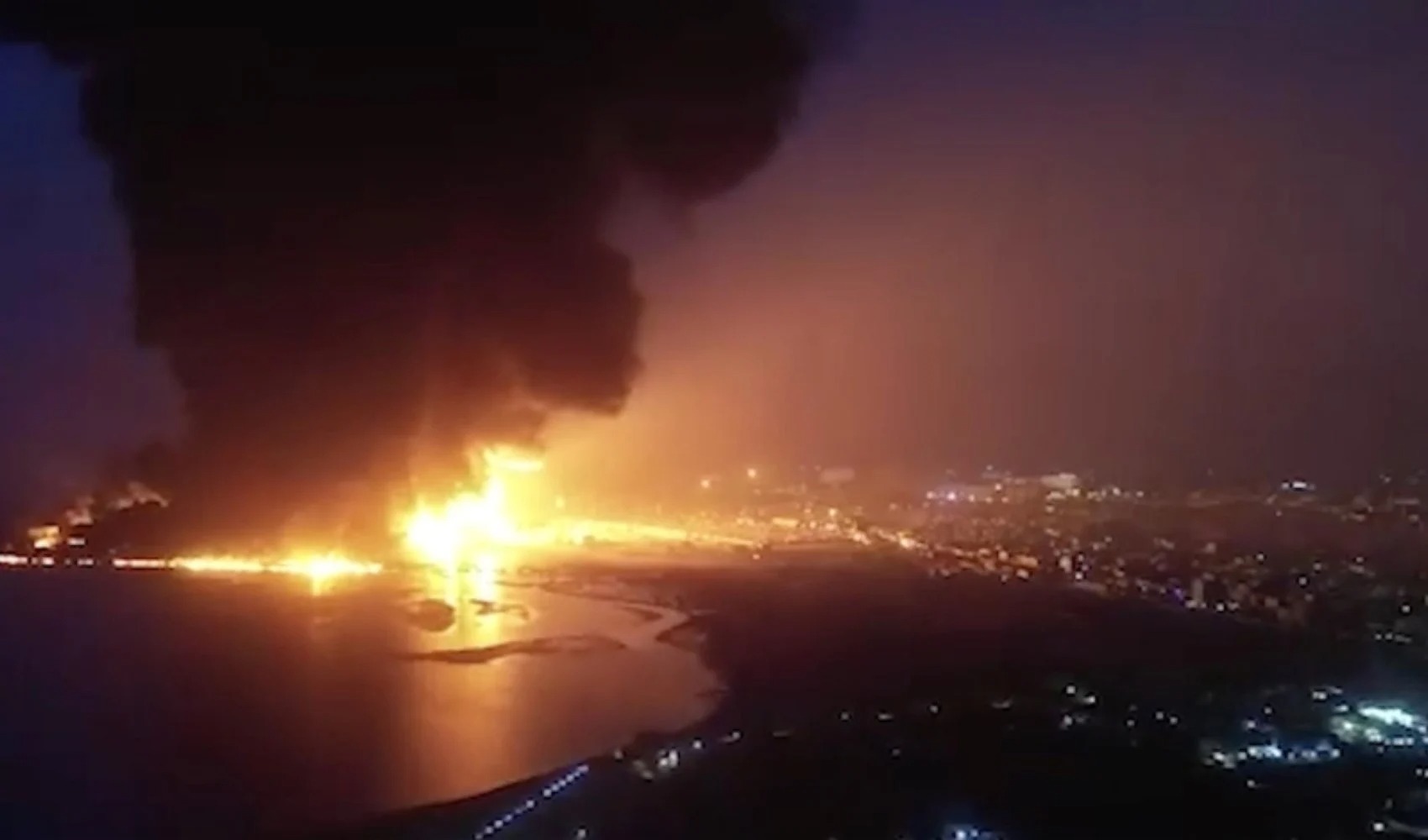
Houthis strike Saudi-owned tanker

How did the newspapers view Özgür Özel's farewell to the CHP?

What did the CHP do?

Özel’s new party move in the world press

The New CHP, against CEHAPE

4 drones shot down near US Consulate General in Erbil