

What is the latest on gold? The impact of rising oil and interest rates
The rise in oil prices and expectations that high interest rates will persist have accelerated losses in the gold market toward the end of the week.



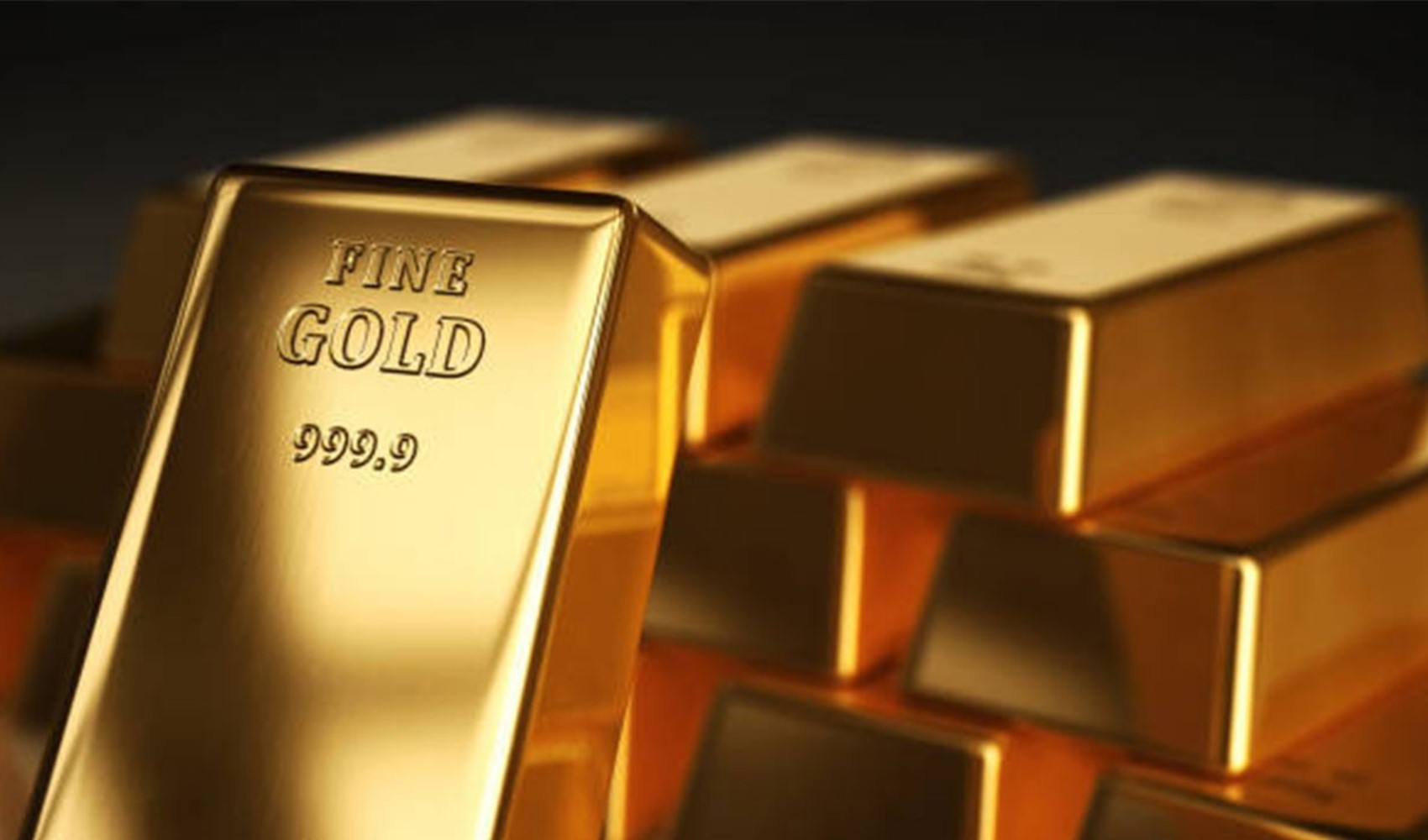
On the final trading day of the week, gold in international markets continued its decline alongside a flat trend, posting a loss on a weekly basis. Spot gold fell by 0.65 percent to 4,662 dollars per ounce. Thus, the precious metal, which had been on an upward trajectory for the last four weeks, has lost over 3 percent this week. U.S. gold futures for June delivery also fell by 0.5 percent to 4,702 dollars.
The pullback in ounce gold also affected gram gold in the domestic market. Gram gold opened the day at 6,746 liras, down 0.5 percent.
Brent oil prices, meanwhile, rose by over 17 percent on a weekly basis, climbing above 105 dollars per barrel. It is noted that the fact that the Strait of Hormuz remains largely closed despite the ceasefire is also a factor in this increase.
OANDA Senior Market Analyst Kelvin Wong stated that the possibility of the strait remaining closed for a long time would lead to oil prices remaining high, thereby putting pressure on the gold market.
Rising oil prices have increased producer and shipping costs, strengthening global inflationary pressures. These developments have brought to the fore the expectation that central banks may keep policy interest rates high for a longer period. Although investors generally prefer gold as a hedge against inflation, rising interest rates make alternative investments more attractive, limiting demand for the precious metal.
Kelvin Wong pointed out that gold's room for movement has narrowed. Currently, the precious metal is squeezed between its 20-day moving average of 4,645 dollars and its 50-day moving average of 4,900 dollars. Analysts state that the direction of the market will largely depend on developments in the Middle East.
As geopolitical risks in the region continue to rise, images released showing Iran expanding its control in the Strait of Hormuz and the deadlock in peace talks with the U.S. have increased anxiety in global markets. U.S. President Donald Trump stated that while he believes the Tehran administration desires a deal, military options remain on the table if an agreement cannot be reached.
The U.S. dollar gained 0.7 percent this week, making gold more expensive for holders of foreign currencies. On the other hand, the increase of over 2 percent in U.S. 10-year bond yields on a weekly basis also reduces the opportunity cost of gold, which is a non-interest-bearing investment.
Selling pressure also continued in other precious metals. Silver fell 0.3 percent to 75.22 dollars, platinum declined 0.6 percent to 1,993.63 dollars, and palladium dropped 0.3 percent to 1,464.12 dollars.
News Source: 12punto
Most Read

Striking picture for Özgür Özel's 'New Party'

The PKK opening and Özgür Özel’s path!..

How did the newspapers view Özgür Özel's farewell to the CHP?

He killed his wife by slitting her throat: Their children witnessed the moments

What did the CHP do?

Özel’s new party move in the world press

Fire at TUSAŞ engine factory in Eskişehir under control

The New CHP, against CEHAPE

From self-efficacy to despair

Kılıçdaroğlu's first message on Özgür Özel's new party announcement