

What kind of regulations will there be in Turkey's cryptocurrency market?
Turkey, one of the leading countries in cryptocurrency trading, plans to introduce regulations to ensure trust and oversight in the sector.



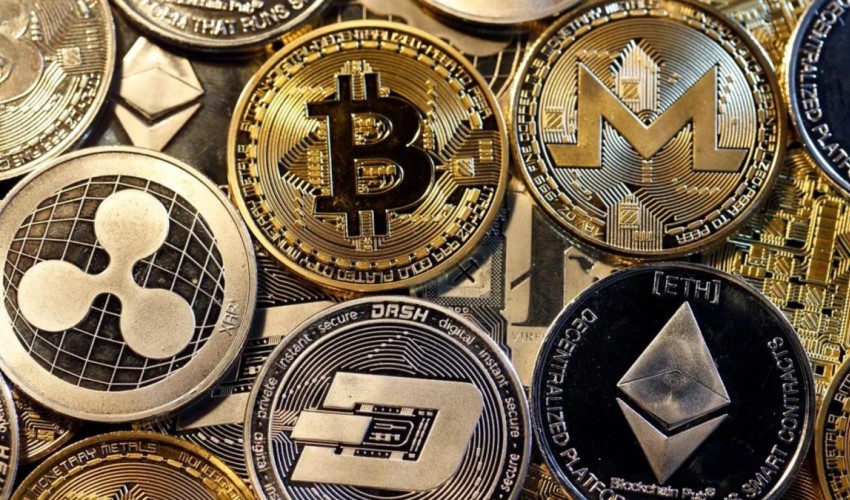
Industry officials, stating that the world's fourth-largest crypto trading country aims to exit the international financial crime watchdog's grey list, indicated that Turkey's new rules to regulate the crypto market will likely focus on licensing and taxation.
Inflation increases interest in crypto
Ankara announced last month that new regulations would be introduced amidst years of growth in crypto trading, as rising inflation and a depreciating lira have increased demand for alternative assets. Turkey is also working to address the concerns of the Paris-based Financial Action Task Force (FATF), which placed the country on its grey list in 2021, a list of countries at risk of money laundering and other financial crimes.
Bora Erdamar, director of the BlockchainIST Center, a blockchain technology research and development center, said, "Introducing specific licensing standards will be one of the most important priorities of the new regulation," adding that this would prevent abuse of the system. Erdamar added that the regulations could also include capital adequacy requirements, measures to improve digital security, custody services, and proof of reserves.
They find the solution in crypto to reduce value loss
According to a report by blockchain analysis firm Chainalysis, Turkey ranked fourth globally in raw crypto transaction volumes last year with approximately 170 billion dollars, following the US, India, and the UK. The firm's report stated that the country's 12th place ranking in the crypto adoption index reflects the desire of Turks to counter the loss of value in the lira and the interest of young people in new technology.
“New legislation will be issued as soon as possible”
In October, Minister of Treasury and Finance Mehmet Şimşek said that to comply with the FATF's last remaining recommendation, Ankara would issue new legislation covering crypto assets as soon as possible, which would allow Turkey to exit the grey list status that can affect a country's investment ratings and reputation. This is because countries on the grey list are considered to be doing very little to combat money laundering and other financial crimes, and these countries are required to work actively with the FATF to correct deficiencies.
In a report published in July, the FATF stated that Turkey might not be able to properly regulate and detect Virtual Asset Service Providers because it does not require them and their shareholders to be licensed and registered. This was the last of the 40 recommendations in the report that Turkey needs to address to exit the grey list.
The market has boomed in the last two years
Mücahit Dönmez, CEO of crypto exchange Binance Turkey, said, "We observe that interest in crypto assets in Turkey is constantly increasing. However, there is currently a lack of regulation in this area." Dönmez explained, "We believe that establishing specific criteria regarding the security of users' assets and minimum capital requirements, listing and custody conditions, and the requirement for platforms to obtain operating licenses will make a positive contribution to the sector."
Turkey's boom in crypto was driven by double-digit inflation, which reached 85 percent last year and 61 percent last month, and the lira's drop of more than 80 percent against the dollar in five years. According to a survey conducted by Binance Research, while the majority of Turkish investors entered the crypto market about two years ago, 27 percent entered the market last year. This shows that interest in the sector continues.
It could increase trust in the sector
The government said that work on regulations for crypto asset service providers and the taxation of digital virtual assets would be on the 2024 agenda. Erdamar from the BlockchainIST Center said, "Turkey has great potential in blockchain technology and crypto assets. A reasonable taxation policy that does not scare off investors will strengthen and consolidate trust in the sector.”
After fraud investigations were launched into some local exchanges in 2021, authorities banned the use of crypto assets for payments. As some firms' systems collapsed and investors filed thousands of criminal complaints in courts, users of some smaller cryptocurrency trading platforms also experienced problems accessing their accounts and withdrawing money.
Onur Altan Tan, board member of the Futurance Finance Tech & Fexobit cryptocurrency platform, said they expect the new regulation to detail licensing criteria for platforms and introduce taxes for users. Tan commented, "There has been more than two years of work on this regulation, including consultation meetings with crypto exchange firms, so it should be ready to be presented to parliament."
News Source: 12punto
Most Read

Striking picture for Özgür Özel's 'New Party'

The PKK opening and Özgür Özel’s path!..

How did the newspapers view Özgür Özel's farewell to the CHP?

He killed his wife by slitting her throat: Their children witnessed the moments

What did the CHP do?

Özel’s new party move in the world press

Fire at TUSAŞ engine factory in Eskişehir under control

The New CHP, against CEHAPE

From self-efficacy to despair

Kılıçdaroğlu's first message on Özgür Özel's new party announcement