

What is AIDS (HIV), how is it transmitted, and is there a cure?
Among the 41,732 HIV-positive cases reported in 2023, 81.5% were male, 18.5% were female, and 16.1% were foreign nationals. These statistics highlight the importance of factors such as gender and immigration in the fight against HIV. Therefore, it is of great importance to expand effective prevention and support programs that include all segments of society. So, how is AIDS treated? Here is the answer...



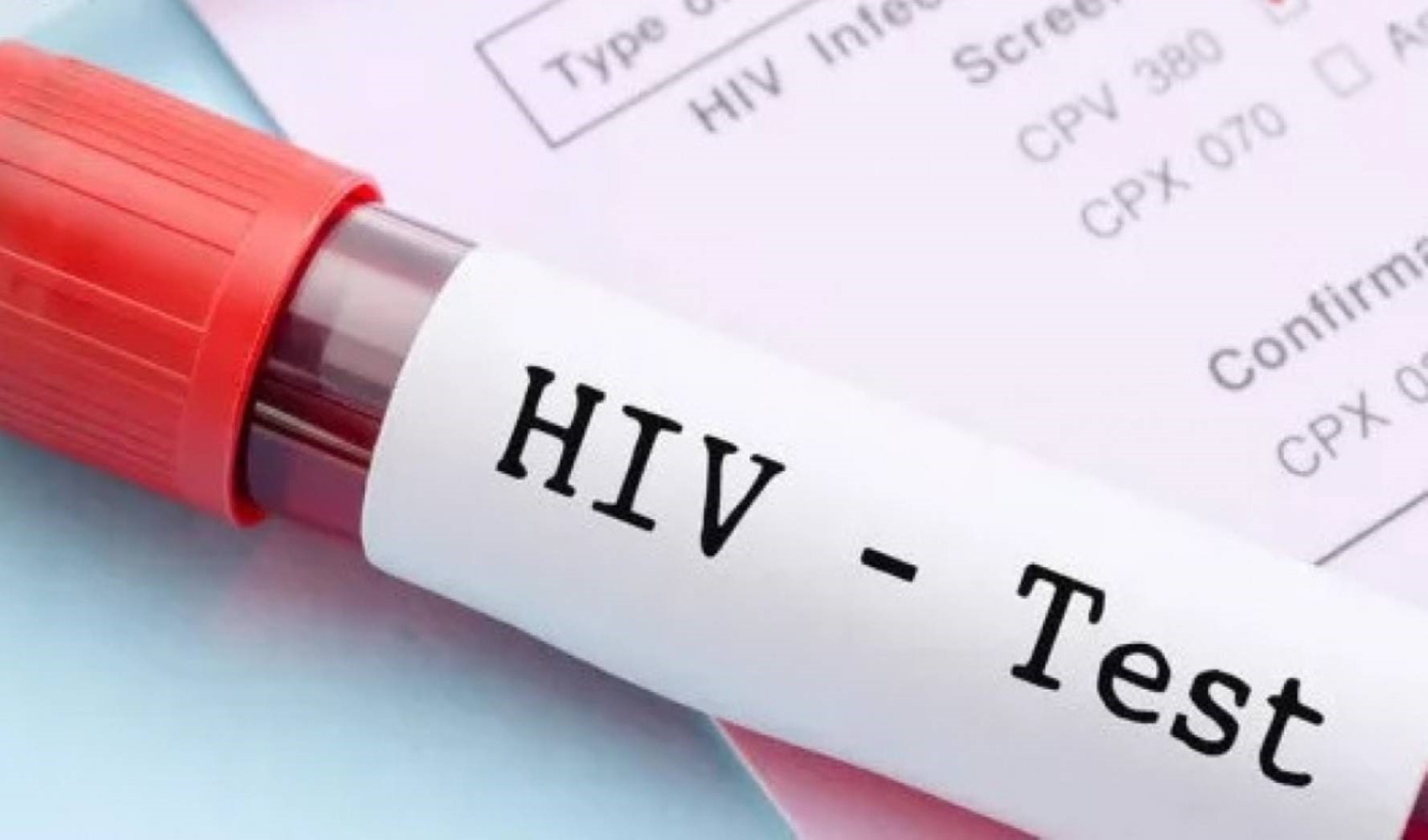
AIDS (HIV) is an immune problem caused by a virus, known as (Acquired Immunodeficiency Syndrome). The HIV virus that causes the disease destroys important cells that play a role in the body's defense, leading to the suppression of the immune system.
In this disease, often abbreviated as HIV/AIDS, the weakening of the immune system can lead to severe infectious diseases, and even cancer and similar conditions.
For individuals exposed to the HIV virus, it is essential to know the signs and symptoms to detect the disease at an early stage and prevent its transmission to healthy people, and to be informed about the ways the disease is transmitted and methods of protection.
HOW IS AIDS TRANSMITTED?
AIDS spreads when body fluids from people infected with the HIV virus enter the bodies of people who have not come into contact with the virus. The body fluids effective in the spread of the virus are listed as blood, semen, vaginal secretions, and breast milk.
The ways HIV is transmitted are as follows:
Sexual contact: The most common way HIV is transmitted is through sexual intercourse. HIV can be transmitted from an infected partner to a healthy partner during unprotected sexual contact (vaginal, anal, or oral sex).
Through blood: HIV transmission can occur through blood. There is a risk for those who share syringes or needles (for drug use), receive blood product transfusions (which is rare these days thanks to blood tests), or those who come into contact with blood, such as healthcare workers.
Mother-to-child transmission: It can be transmitted from a pregnant woman to her baby if she is infected with HIV. Transmission can occur from mother to baby during birth, and there is also a risk of transmission during breastfeeding.
Transplantation of infected blood, tissues, or organs: HIV can be transmitted when the blood, tissue, or organ of an infected person is transplanted to another person. However, thanks to modern medical procedures and tests, the frequency of such transmissions is very low.
Other sexually transmitted infections: The risk of HIV transmission may increase in the presence of other sexually transmitted infections (such as herpes, syphilis, or gonorrhea). These infections can create sores or open lesions on the body and facilitate the passage of HIV.
WHAT IS AIDS TREATMENT?
There is no treatment that completely clears the body of HIV. In this sense, the disease has become a chronic condition. However, at the point reached today, other diseases that may occur before and after the infection can be prevented with the help of various drugs; the multiplication of the virus in the body, and therefore the ability of individuals to transmit the disease and develop the illness, can be prevented.
Today, there are recommendations for drug use for pre-exposure (PrEP: pre-exposure prophylaxis) and post-exposure (PEP: post-exposure prophylaxis) to prevent the disease. Additionally, combination drug therapy is used in the treatment of the disease.
PrEP refers to drugs used before coming into contact with the virus in situations where individuals have a possibility of contracting it. PEPs, on the other hand, are used to prevent any infection after contact with the virus. PEP drugs should be started within a maximum of 3 days from the moment it is suspected that the virus has been transmitted, following contact with infected blood by healthcare workers or after suspicious sexual intercourse.
ARTs are drugs used for life after early diagnosis in infected individuals to keep the viral load in the blood low. These drugs prevent the HIV virus from multiplying in the body, thereby protecting individuals from the devastating effects of the virus on the immune system and preventing them from transmitting it to others.
News Source: 12punto
Related News
Most Read

Striking picture for Özgür Özel's 'New Party'

The PKK opening and Özgür Özel’s path!..

How did the newspapers view Özgür Özel's farewell to the CHP?

He killed his wife by slitting her throat: Their children witnessed the moments

What did the CHP do?

Özel’s new party move in the world press

Fire at TUSAŞ engine factory in Eskişehir under control

The New CHP, against CEHAPE

From self-efficacy to despair

Kılıçdaroğlu's first message on Özgür Özel's new party announcement