

Mucilage alarm in the Mediterranean after the Marmara! Prof. Dr. Deniz Ayas explains
Scientists have launched an investigation into algal blooms occurring in the Gulf of Mersin. The mucilage forming on the seabed was captured on camera by divers. Experts stated that the mucilage in the region has been identified and documented.



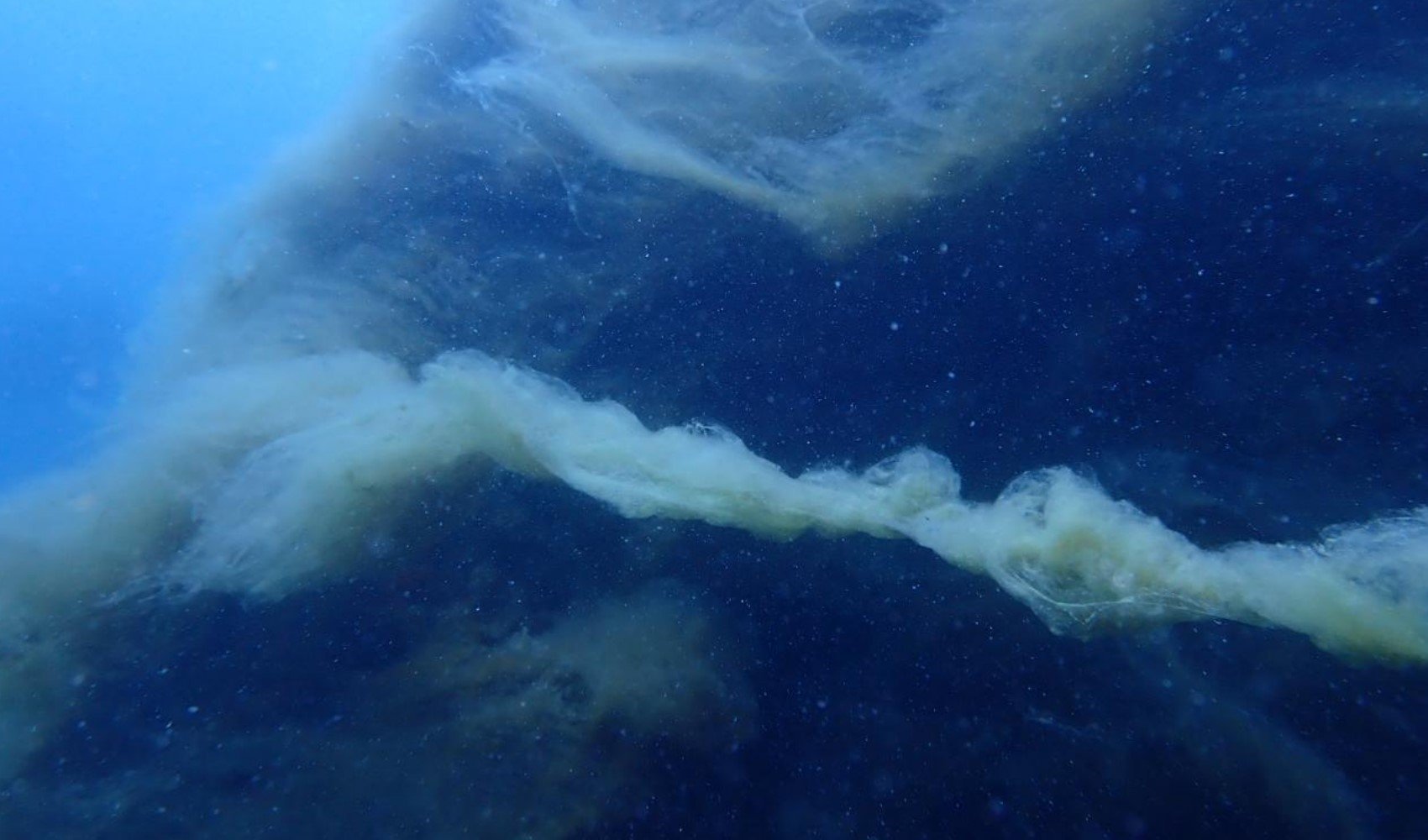
Prof. Dr. Deniz Ayas, a faculty member at Mersin University's Faculty of Fisheries, Department of Processing Technology, has initiated a study to investigate the effects of algal blooms (the sudden and intense proliferation of algae or cyanobacteria in aquatic environments) observed in coastal areas on the ecosystem.
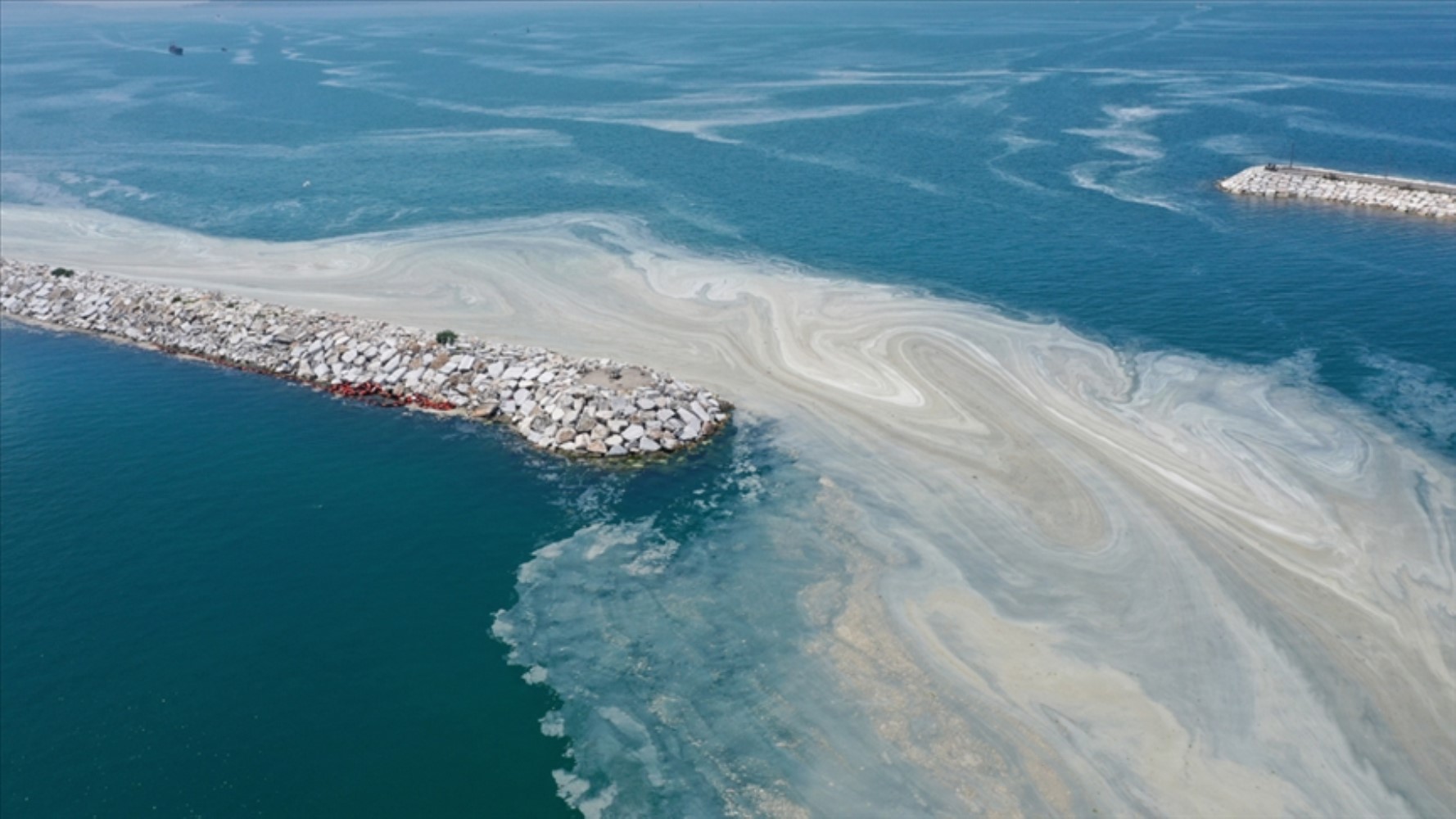
As part of the study, a 10-person team including academics such as Prof. Dr. Deniz Ayas, environmental volunteers, and divers from a private diving school conducted dives around Boğsak Bay and Dana Island in the Silifke district.
The team used underwater cameras to document areas on the seabed where mucilage was detected.
'TURBIDITY IN THE WATER MAY INCREASE'
Prof. Dr. Deniz Ayas stated that during the dives they conducted to examine the effects of algal blooms occurring in coastal areas on the ecosystem, they detected dense mucilage on the seabed.
Evaluating the causes of mucilage formation, Ayas made the following statements:
"We are seeing mucilage and algal blooms because the pollution load of the gulf is high. Terrestrial inputs, in particular, play a major role. The inadequacy of urban treatment systems, along with domestic and industrial waste, increases the nitrogen and phosphorus load. Apart from that, pollution reaches the sea due to agricultural and tourism-related activities. This periodically causes the formation of benthic mucilage. The breakdown of benthic mucilage may increase turbidity in the water. We do not think this will have a direct impact on tourism, but there could be a partial and indirect effect."
'THE POLLUTION LOAD OF THE GULF IS VERY HIGH'
Stating that the development of treatment systems is essential to eliminate the negative effects of benthic mucilage, Prof. Dr. Ayas explained the issue with these words:
"We may encounter mucilage becoming even more permanent in the Gulf of Mersin because the pollution load of the gulf is very high. The situation is not very good. Consequently, we continue to see surface and benthic mucilage, which have been increasing in frequency and size for years. Benthic mucilage is now scientifically documented for the Gulf of Mersin, which is a concrete indicator that the gulf is not in good condition regarding marine pollution."
News Source: 12punto
Most Read

Striking picture for Özgür Özel's 'New Party'

The PKK opening and Özgür Özel’s path!..

How did the newspapers view Özgür Özel's farewell to the CHP?

He killed his wife by slitting her throat: Their children witnessed the moments

What did the CHP do?

Özel’s new party move in the world press

Fire at TUSAŞ engine factory in Eskişehir under control

The New CHP, against CEHAPE

From self-efficacy to despair

Kılıçdaroğlu's first message on Özgür Özel's new party announcement