

The collapse of the current system in the Atlantic Ocean could "seriously" affect the climate crisis
According to a new study, the collapse of the weakening Atlantic Ocean current system would have serious impacts on the climate.



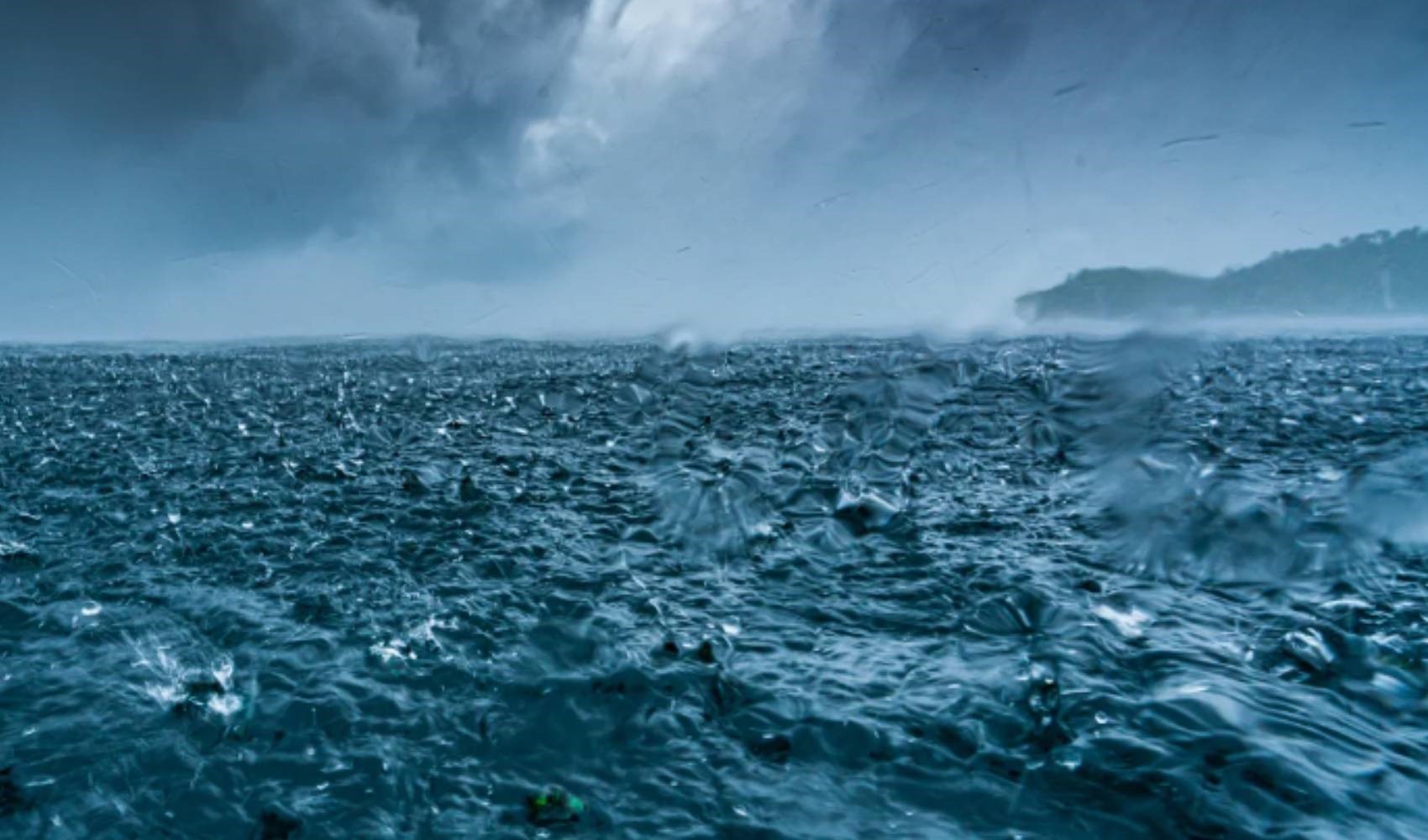
Scientists have predicted that the Atlantic Meridional Overturning Circulation (AMOC) ocean current system, which forms the basis of the Gulf Stream that keeps northwestern Europe warm, is gradually weakening and that its collapse would have very serious effects on the climate of the North Atlantic region.
In the study, the results of which were published in the journal Nature, models regarding the collapse of the AMOC, which has continued to weaken in recent years as a result of the negative effects of climate change, were analyzed, and calculations were made using different scenarios regarding the timing of a potential collapse.
The researchers examined data on the loss of resilience and critical slowing down recorded in the recent period, which serve as early warning signals for the AMOC.
A TOTAL COLLAPSE IS NOT LIKELY
Noting that observations have detected a significant weakening in the circulation in recent years, the researchers stated that assessments by the Intergovernmental Panel on Climate Change (IPCC) based on Coupled Model Intercomparison Project (CMIP) model simulations indicate that a total collapse in the 21st century is not likely.
The researchers warned that the future collapse awaiting the AMOC ocean current system, which circulates water in the Atlantic Ocean in a large loop from north to south and brings it back to the Atlantic, would have serious effects on the world's climate, especially in the North Atlantic region.
Stefan Rahmstorf, a professor of physical oceanography at the University of Potsdam in Germany, told CNN that the collapse of the AMOC is a truly major danger that they must do everything in their power to avoid.
'MUCH MORE LIKELY THAN A FEW YEARS AGO'
Pointing out that he had only discussed the collapse of the AMOC system as a risk until a few years ago, Rahmstorf stated, "And now it seems much more likely to happen than it did a few years ago."
Stating that there is a large influx of fresh water into the North Atlantic due to the impact of climate change, Rahmstorf reported that this situation has a negative impact on the disruption of the AMOC system.
Rene van Westen, a researcher at Utrecht University in the Netherlands, also noted that the collapse scenarios for the AMOC system are worrying, warning: "All the negative side effects of anthropogenic climate change (change defined by human influence) will continue in forms such as more heat waves, more droughts, and more floods, and if an AMOC collapse is added to this, the climate will deteriorate even further."
News Source: 12punto
Most Read

Striking picture for Özgür Özel's 'New Party'

The PKK opening and Özgür Özel’s path!..

How did the newspapers view Özgür Özel's farewell to the CHP?

He killed his wife by slitting her throat: Their children witnessed the moments

What did the CHP do?

Özel’s new party move in the world press

The New CHP, against CEHAPE

Fire at TUSAŞ engine factory in Eskişehir under control

From self-efficacy to despair

Kılıçdaroğlu's first message on Özgür Özel's new party announcement